
TL;DR
A recent development suggests that virtual reality platforms are increasingly being used for Christian evangelism. Experts see potential for faster dissemination of faith, though questions remain about effectiveness and reach.
Christian groups are increasingly using virtual reality (VR) platforms to conduct evangelism, aiming to reach broader audiences in immersive digital environments. This development is drawing attention from religious organizations and technology analysts, as it could transform traditional methods of faith outreach.
Several Christian communities have launched VR-based faith gatherings, including virtual church services and evangelistic events hosted on platforms like Oculus Rift and HTC Vive. These initiatives claim to offer more engaging, accessible spiritual experiences, especially for younger or geographically distant audiences.
According to reports from rss, some organizations report significant engagement metrics, with hundreds of virtual attendees participating in faith-based activities. Experts suggest that these digital environments could enable faster dissemination of religious messages, potentially reaching global audiences in real-time.
However, it is still unclear how widespread these VR evangelism efforts are, and whether they will sustain long-term engagement or translate into conversions. Critics question whether virtual environments can replicate the community and emotional connection of physical gatherings.
Digital faith briefing · Emerging practice
Can Christianity spread faster in virtual reality?
Christian groups are testing immersive services, prayer gatherings and evangelistic events in virtual worlds. The medium can cross borders in real time—but evidence of lasting spiritual impact remains limited.
01 · Why the medium matters
A new frontier for outreach
Digital evangelism is not new. Churches moved from websites to social media, livestreams and online prayer groups. VR adds immersion: participants can occupy a shared space, interact through avatars and experience a stronger sense of presence.
Geography becomes less restrictive
Remote, isolated or internationally dispersed participants can enter the same faith gathering without traveling to a physical venue.
Immersion exceeds a flat screen
Spatial sound, embodied avatars and interactive environments may make digital worship feel more participatory than a conventional livestream.
Younger users may engage first
People already comfortable in games and virtual worlds may find immersive faith communities more approachable than traditional formats.
02 · Traceability chain
How a virtual message travels
VR can accelerate distribution, but each stage introduces a different question. Fast access does not automatically produce sustained participation, belonging or conversion.
“Virtual reality could revolutionize evangelism by providing immersive, accessible spiritual experiences that transcend geographical barriers.”
Attributed in the source material to an anonymous researcher
03 · Format comparison
Speed is only one dimension
Physical, livestreamed and immersive gatherings solve different problems. VR’s distinctive advantage is shared presence at a distance; its largest disadvantage is the hardware barrier.
| Dimension | Physical gathering | Livestream | VR gathering |
|---|---|---|---|
| Global scalability | Limited | Strong | Strong |
| Sense of presence | Strong | Limited | Potentially strong |
| Participation | Direct | Often passive | Interactive |
| Access cost | Travel and venue | Low | Hardware required |
| Community evidence | Established | Mixed | Still emerging |
| Conversion evidence | Historically documented | Variable | Insufficient data |
Assessment is qualitative and reflects the development-stage evidence described in the source material.
Where VR currently looks strongest
Evidence maturity
Participation signals are encouraging, yet current reporting does not establish lasting conversion or community outcomes.
04 · The unresolved questions
What must be proven next
Researchers and faith organizations need more than attendance counts. The meaningful tests are whether participants return, build relationships and translate immersive experiences into sustained spiritual practice.
Can VR replace church?
Unlikely in full. Its more plausible role is supplementary outreach for people who are remote, isolated or exploring faith privately.
Does attendance equal conversion?
No. Current participation figures indicate interest, not necessarily belief, retention or long-term spiritual change.
Who remains excluded?
People without costly headsets, reliable connectivity, technical confidence or access to supported platforms may be left out.
What should studies measure?
Engagement duration, repeat attendance, relationship quality, retention, accessibility and conversion outcomes are central indicators.
Potential Impact of VR on Christian Outreach
This trend could significantly influence how religious organizations approach evangelism, especially amid restrictions on in-person gatherings. If VR evangelism proves effective, it might accelerate the spread of Christianity to underserved or remote populations, leveraging digital technology for faith dissemination.
Moreover, the use of VR could reshape religious community-building, offering immersive experiences that foster a sense of presence and participation. Yet, the effectiveness and acceptance of VR-based faith activities remain uncertain, raising questions about their long-term role in religious practice.
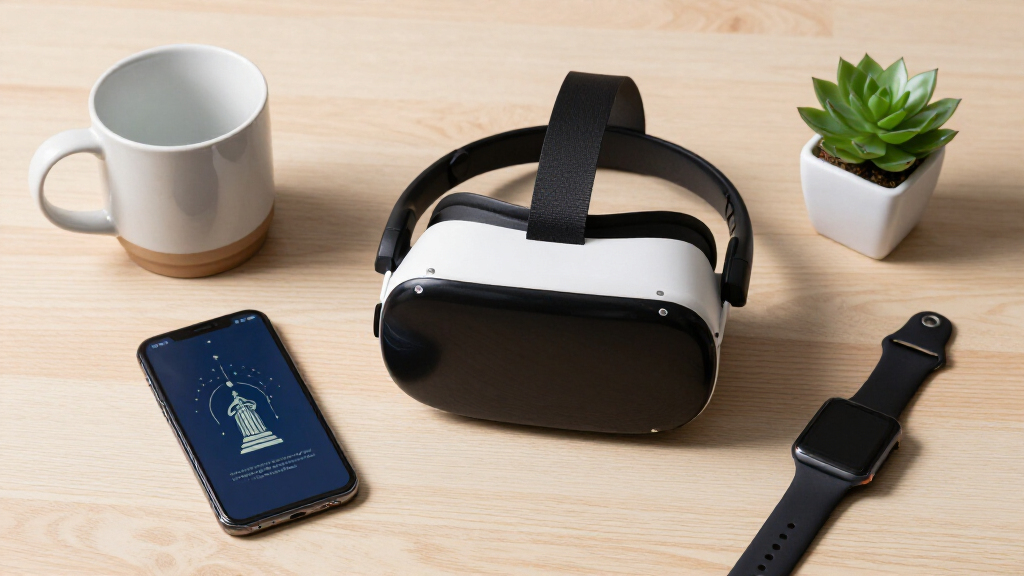
Oculus Rift virtual reality headset
As an affiliate, we earn on qualifying purchases.
As an affiliate, we earn on qualifying purchases.
Rise of Digital and Virtual Faith Communities
Over the past decade, religious groups have increasingly adopted digital tools for outreach, from social media to online prayer groups. The COVID-19 pandemic accelerated this shift, with many churches conducting virtual services.
Recent years have seen a surge in immersive digital platforms, including VR, as new avenues for faith expression. While traditional evangelism relies on physical presence, digital evangelism offers scalable, accessible options, especially appealing to younger generations familiar with virtual environments.
Previous attempts at digital faith outreach have had mixed success, but the integration of VR represents a new frontier, promising more immersive and engaging experiences than standard online videos or chats.
“Virtual reality could revolutionize evangelism by providing immersive, accessible spiritual experiences that transcend geographical barriers.”
— an anonymous researcher
As an affiliate, we earn on qualifying purchases.
Uncertainties About VR Evangelism Effectiveness
It remains unclear how effective VR evangelism is in converting or deeply engaging users compared to traditional methods. The long-term sustainability and actual spiritual impact of these virtual experiences are still under evaluation.
Additionally, questions persist about accessibility, as VR hardware remains costly and not universally available, potentially limiting reach.
As an affiliate, we earn on qualifying purchases.
Future Developments in Virtual Faith Outreach
Researchers and religious groups plan to conduct studies measuring engagement, retention, and conversion rates from VR evangelism efforts. Expect further experimentation with different digital platforms and immersive experiences in the coming months.
As VR technology becomes more affordable and widespread, its integration into religious practice may expand, prompting ongoing assessment of its role in faith dissemination and community building.
As an affiliate, we earn on qualifying purchases.
Key Questions
Can virtual reality replace traditional church services?
While VR offers immersive experiences, it is unlikely to fully replace physical gatherings but may serve as a supplementary outreach method, especially for remote or isolated individuals.
Are VR evangelism efforts effective in converting new believers?
Currently, there is limited data on conversion rates from VR evangelism. More research is needed to determine its long-term spiritual impact.
What are the main challenges of using VR for evangelism?
Challenges include high hardware costs, limited accessibility, and questions about whether virtual experiences can foster genuine community and emotional connection.
Will VR evangelism become a standard practice?
It remains uncertain. While promising, VR evangelism is still in early stages, and its adoption will depend on effectiveness, acceptance, and technological developments.
Source: rss