Finding the right all in one travel zoom lens can be challenging, as it needs to balance versatility, image quality, and portability. The Tamron 16-300mm F/3.5-6.3 Di-II VC PZD stands out as the best overall choice thanks to its broad zoom range and solid stabilization, making it ideal for varied travel scenarios. The Nikon AF-S DX 18-140mm f/3.5-5.6G ED offers a more compact option with good sharpness for Nikon users, while the Tamron 28-200mm F/2.8-5.6 Di III RXD provides a versatile zoom for Sony E-mount shooters. These options highlight the main tradeoff in this category: broader zoom ranges often mean compromises in aperture or size. Keep reading to explore each lens’s strengths and find the best fit for your travel photography needs.

Get the latest gadgets delivered free — and shop member deals
- Fast, free delivery on millions of items
- Access to Prime Big Deal Days deals on October 6–7
- Prime Video, Amazon Music and more included
Complete the kit



Key Takeaways
- Lenses with broader zoom ranges tend to be more versatile but may sacrifice aperture speed and image quality in low light.
- Mirrorless-compatible lenses generally offer more compact designs without losing performance compared to DSLR options.
- Build quality and stabilization are critical for travel, especially when capturing steady shots on the go.
- Premium models often deliver better sharpness and faster autofocus, but at a higher price point.
- Choosing a lens depends heavily on your camera mount and specific travel needs—there’s no one-size-fits-all solution.
| Tamron 16-300mm F/3.5-6.3 Di-II VC PZD All-in-One Zoom Lens for Nikon DX DSLR Cameras |  | Best Overall for Versatility | Focal Length: 16-300mm | Maximum Aperture: F/3.5-6.3 | Compatibility: Nikon DX DSLR Cameras | VIEW ON AMAZON | See Our Full Breakdown |
| Nikon AF-S DX NIKKOR 18-140mm f/3.5-5.6G ED Vibration Reduction Zoom Lens for Nikon DSLR Cameras (Renewed) |  | Best for Moderate All-in-One Use | Lens Mount: Nikon DSLR | Focal Length: 18-140mm | Maximum Aperture: f/3.5-5.6 | VIEW ON AMAZON | See Our Full Breakdown |
| Tamron 18-300mm F/3.5-6.3 Di III-A VC VXD All-in-One Zoom Lens for Nikon Z APS-C Mirrorless Cameras |  | Best for Compact Travel with Broad Range | Focal Length: 18-300mm | Maximum Aperture: f/3.5-6.3 | Lens Mount: Nikon Z | VIEW ON AMAZON | See Our Full Breakdown |
| Sigma 16-300mm F3.5-6.7 DC OS Contemporary Lens (Canon RF Mount) | 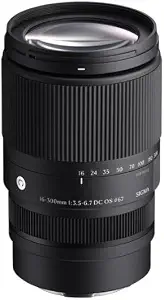 | Best for Durability and All-in-One Versatility | Focal Length: 16-300mm | Maximum Aperture: f/3.5-6.7 | Lens Mount: Canon RF | VIEW ON AMAZON | See Our Full Breakdown |
| Canon RF-S 18-150mm f/3.5-6.3 Lens |  | Best for Compact and Lightweight Travel | Focal Length: 18-150mm | Maximum Aperture: f/3.5-6.3 | Mount: RF-S | VIEW ON AMAZON | See Our Full Breakdown |
| Canon RF-S 18-150mm f/3.5-6.3 IS STM All-in-One Zoom Lens Bundle |  | Best Overall for Versatile Travel Photography | Focal Length: 18-150mm | Maximum Aperture: f/3.5-6.3 | Image Stabilization: Yes, up to 4.5 stops | VIEW ON AMAZON | See Our Full Breakdown |
| Tamron 28-200mm F/2.8-5.6 Di III RXD All-in-One Lens for Sony E-Mount |  | Best for Fast Aperture Wide-Angle Travel Shots | Focal Length: 28-200mm | Maximum Aperture: F2.8-5.6 | Minimum Aperture: F32 | VIEW ON AMAZON | See Our Full Breakdown |
| Tamron 18-300mm F/3.5-6.3 Di III-A VC VXD Zoom Lens for Canon R APS-C Mirrorless Cameras |  | Best Compact All-in-One for Travel & Outdoor Use | Focal Length: 18-300mm | Maximum Aperture: F/3.5-6.3 | Lens Mount: Canon RF | VIEW ON AMAZON | See Our Full Breakdown |
| Tamron 18-400mm F/3.5-6.3 DI-II VC HLD All-in-One Zoom Lens for Nikon APS-C Cameras |  | Best for Wide Telephoto Range & Durability | Focal Length: 18-400mm | Maximum Aperture: F/3.5-6.3 | Maximum Magnification: 1:2.9 | VIEW ON AMAZON | See Our Full Breakdown |
| Tamron 18-300mm F/3.5-6.3 Di III-A VC VXD Lens for Sony E APS-C Mirrorless Cameras |  | Best Compact All-in-One for Versatile Sony E-Mount Travel | Focal Length: 18-300mm | Maximum Aperture: f/3.5-6.3 | Compatibility: Sony E APS-C | VIEW ON AMAZON | See Our Full Breakdown |
| Tamron AF 18-200mm F/3.5-6.3 Di-II VC All-in-One Zoom for Canon APS-C Digital SLR |  | Best Versatile All-in-One Travel Zoom | Focal Length: 18-200mm | Maximum Aperture: F/3.5-6.3 | Vibration Compensation: Yes | VIEW ON AMAZON | See Our Full Breakdown |
| all in one travel zoom len | Focal Length | Maximum Aperture | Lens Mount |
|---|---|---|---|
| Tamron 16-300mm F/3.5-6.3 Di-I | 16-300mm | F/3.5-6.3 | — |
| Nikon AF-S DX NIKKOR 18-140mm | 18-140mm | f/3.5-5.6 | Nikon DSLR |
| Tamron 18-300mm F/3.5-6.3 Di I | 18-300mm | f/3.5-6.3 | Nikon Z |
| Sigma 16-300mm F3.5-6.7 DC OS | 16-300mm | f/3.5-6.7 | Canon RF |
| Canon RF-S 18-150mm f/3.5-6.3 | 18-150mm | f/3.5-6.3 | — |
| Canon RF-S 18-150mm f/3.5-6.3 | 18-150mm | f/3.5-6.3 | — |
| Tamron 28-200mm F/2.8-5.6 Di I | 28-200mm | F2.8-5.6 | Sony E-Mount |
| Tamron 18-300mm F/3.5-6.3 Di I | 18-300mm | F/3.5-6.3 | Canon RF |
| Tamron 18-400mm F/3.5-6.3 DI-I | 18-400mm | F/3.5-6.3 | Nikon APS-C |
| Tamron 18-300mm F/3.5-6.3 Di I | 18-300mm | f/3.5-6.3 | — |
| Tamron AF 18-200mm F/3.5-6.3 D | 18-200mm | F/3.5-6.3 | — |
More Details on Our Top Picks
Tamron 16-300mm F/3.5-6.3 Di-II VC PZD All-in-One Zoom Lens for Nikon DX DSLR Cameras
This Tamron lens stands out as the most versatile option, thanks to its impressive 16-300mm zoom range that covers wide-angle to telephoto shots, making it ideal for travelers who want to do everything with one lens. Its built-in vibration compensation ensures sharper images, especially in low-light conditions, while the Piezo Drive autofocus offers fast, quiet focusing—great for capturing moments on the go. Compared with the Nikon 18-140mm, it offers a broader range but at the expense of increased bulk and weight. The aperture range of f/3.5-6.3 can limit low-light performance, which might be a drawback for evening or indoor shots. Overall, this pick makes the most sense for travelers seeking maximum flexibility without swapping lenses often, even if it means accepting some added size and limited low-light ability.
Pros:- Extensive 16-300mm zoom range for diverse shooting situations
- Vibration Compensation for sharper images in handheld shooting
- Fast Piezo Drive autofocus for quick, quiet focusing
- Includes a lens hood for protection
Cons:- Aperture range limits performance in low-light environments
- Bulkier and heavier than prime lenses, affecting portability
Best for: Travelers who want a single lens capable of covering most shooting scenarios without changing equipment.
Not ideal for: Low-light photographers or those needing superior image quality in challenging conditions, due to its narrower maximum aperture.
- Focal Length:16-300mm
- Maximum Aperture:F/3.5-6.3
- Compatibility:Nikon DX DSLR Cameras
- Autofocus:Piezo Drive (PZD)
- Image Stabilization:Vibration Compensation
Our verdict“Ideal for travelers seeking an all-in-one lens that balances versatility and convenience, accepting some compromises in low-light conditions.”
Nikon AF-S DX NIKKOR 18-140mm f/3.5-5.6G ED Vibration Reduction Zoom Lens for Nikon DSLR Cameras (Renewed)
This Nikon lens offers a practical 18-140mm range, making it a reliable choice for everyday travel photography. Its Vibration Reduction system provides effective stabilization, which helps produce sharp images in varied lighting conditions. The autofocus is silent and quick, suitable for both stills and videos. While it’s more compact than longer zooms like the Tamron 16-300mm, its maximum aperture of f/3.5-5.6 can limit low-light performance, similar to the Tamron. Compared to the Sigma 16-300mm, it trades some range for a slightly smaller size, but both share similar aperture limitations. It’s a good fit for those who want a lightweight, all-around lens for casual travel, but not for photographers demanding superior low-light capability or macro features.
Pros:- Versatile zoom range suitable for many scenes
- Effective VR stabilization improves handheld shots
- Quiet autofocus ideal for video recording
- Compact and relatively lightweight
Cons:- Limited low-light performance due to maximum aperture of f/3.5-5.6
- Bulkier than prime lenses, affecting portability
Best for: Casual travelers and hobbyists who want a lightweight lens with decent zoom for everyday photography.
Not ideal for: Low-light or professional photographers needing faster apertures or macro capabilities, due to its limited aperture and all-in-one design.
- Lens Mount:Nikon DSLR
- Focal Length:18-140mm
- Maximum Aperture:f/3.5-5.6
- Image Stabilization:Vibration Reduction (VR)
- Close-up Distance:1.48 feet
Our verdict“A solid choice for casual photographers seeking a lightweight, all-in-one zoom, with some compromises on low-light performance.”
Tamron 18-300mm F/3.5-6.3 Di III-A VC VXD All-in-One Zoom Lens for Nikon Z APS-C Mirrorless Cameras
This Tamron lens is a standout for Nikon Z APS-C mirrorless shooters seeking a broad 18-300mm zoom range in a compact form. Its lightweight design makes it suitable for travel, while the VXD autofocus technology delivers high-speed, precise focus—ideal for capturing wildlife, landscapes, and portraits on the move. Compared to the Sigma 16-300mm, it offers slightly less wide-angle coverage but benefits from a more compact size and fast autofocus. The aperture f/3.5-6.3 limits low-light performance at the telephoto end, similar to many all-in-one zooms, but the effective stabilization and autofocus speed make it a strong choice for active shooting. It’s best suited for travelers with Nikon Z APS-C mirrorless cameras who prioritize portability and quick focusing over maximum low-light capability.
Pros:- Very broad 18-300mm zoom range for multiple scenarios
- Compact, lightweight design enhances portability
- Fast autofocus with VXD technology
- Effective image stabilization for handheld shooting
Cons:- Limited aperture at telephoto end reduces low-light performance
- Higher price point for an all-in-one zoom lens
Best for: Travelers with Nikon Z APS-C cameras who want a highly portable, versatile lens for varied scenes.
Not ideal for: Photographers needing superior low-light performance or macro capabilities, due to aperture and maximum magnification limits.
- Focal Length:18-300mm
- Maximum Aperture:f/3.5-6.3
- Lens Mount:Nikon Z
- Vibration Compensation:Yes
- Minimum Focus Distance:18mm
Our verdict“A top choice for travelers using Nikon Z APS-C mirrorless cameras who want a lightweight, versatile zoom with quick autofocus, despite some low-light limitations.”
Sigma 16-300mm F3.5-6.7 DC OS Contemporary Lens (Canon RF Mount)
Compared to the Tamron 16-300mm, the Sigma 16-300mm F/3.5-6.7 offers a similar ultra-zoom range but emphasizes durability with its water- and oil-repellent coating, making it a strong candidate for outdoor adventures. Its optical stabilization handles handheld shots well, and the high-speed autofocus ensures smooth tracking. The aperture of f/3.5-6.7, slightly narrower at the telephoto end, limits low-light performance, similar to the Tamron and Nikon options. The lens’s build quality and weather resistance make it appealing for rugged use, but the overall image sharpness may fall short of prime lenses, especially in challenging lighting. This lens suits travelers who prioritize durability and all-in-one convenience over pristine image quality at every shot.
Pros:- Water- and oil-repellent coating enhances durability
- Effective optical stabilization for handheld shots
- High-speed autofocus for smooth tracking
- Versatile zoom range for multiple scenes
Cons:- Variable maximum aperture limits low-light performance
- Potentially heavier and bulkier than some compact zooms
Best for: Travelers needing a durable, weather-resistant zoom lens for outdoor and adventure photography.
Not ideal for: Studio or low-light shooters who demand the fastest apertures and utmost sharpness, due to its variable aperture and some softness at high zooms.
- Focal Length:16-300mm
- Maximum Aperture:f/3.5-6.7
- Lens Mount:Canon RF
- Image Stabilization:6 stops at wide, 4.5 stops at telephoto
- Maximum Focal Length:300mm
- Minimum Focal Length:16mm
Our verdict“Best for outdoor enthusiasts who need a rugged, all-in-one zoom lens that withstands tough conditions, accepting some compromises in sharpness and low-light use.”
Canon RF-S 18-150mm f/3.5-6.3 Lens
This Canon RF-S lens excels in portability, offering a 18-150mm zoom range that covers most travel photography needs within a compact, lightweight design. Its optical image stabilization and STM autofocus make it well-suited for both photos and videos, especially for those who value ease of handling and minimal bulk. Compared with the Nikon 18-140mm, it’s slightly more compact, but its narrower aperture limits performance in low-light situations, similar to other lenses in this roundup. Designed specifically for APS-C RF-S cameras, it’s less suitable for full-frame shooters. This lens appeals most to travelers who prioritize convenience and lightweight gear over maximum zoom range or low-light capability.
Pros:- Compact, lightweight design for easy portability
- Versatile 18-150mm zoom range for daily use
- Optical image stabilization for steady shots
- Smooth autofocus for video recording
Cons:- Limited low-light performance due to aperture range
- Not suitable for full-frame cameras or demanding low-light scenarios
Best for: Travelers using Canon RF-S APS-C cameras who want a lightweight, versatile zoom for everyday shooting.
Not ideal for: Photographers who need a lens capable of handling low-light conditions or full-frame shooting, as it’s designed for smaller sensors and has a limited aperture.
- Focal Length:18-150mm
- Maximum Aperture:f/3.5-6.3
- Mount:RF-S
- Image Stabilization:Yes, up to 4.5 stops
- Autofocus:STM
Our verdict“A convenient, portable zoom lens ideal for casual Canon RF-S camera owners seeking versatility without added bulk, with some low-light limitations.”
Canon RF-S 18-150mm f/3.5-6.3 IS STM All-in-One Zoom Lens Bundle
This lens stands out for its impressive zoom range, covering everything from wide landscapes to mid-telephoto portraits, making it a strong all-in-one choice. Compared with the Tamron 28-200mm F/2.8-5.6, it offers a more compact form factor and better stabilization, but its narrower aperture limits low-light shooting. Its optical stabilization and quiet autofocus benefit both stills and video, while the lightweight design keeps it comfortable during extended travel sessions. The main tradeoff is the limited aperture range, which might struggle in dim conditions, so it’s less suited for night photography or low-light environments. Still, for general travel use, this lens balances flexibility and portability effectively.
Pros:- Versatile zoom range suitable for many scenarios
- Optical Image Stabilizer ensures sharper handheld shots
- Quiet autofocus enhances video quality
- Lightweight and compact design
Cons:- Limited maximum aperture restricts low-light performance
- May require additional lenses for specialized photography
Best for: Canon APS-C mirrorless users seeking a lightweight, all-in-one travel lens with reliable stabilization
Not ideal for: Night or astrophotography enthusiasts who need wide apertures for low-light conditions
- Focal Length:18-150mm
- Maximum Aperture:f/3.5-6.3
- Image Stabilization:Yes, up to 4.5 stops
- Autofocus:STM
- Compatibility:Canon RF-S mirrorless cameras
- Includes:Lens, lens case, 55mm filter kit, lens cap keeper
Our verdict“This lens is ideal for Canon APS-C travel photographers who prioritize versatility and portability over extreme low-light capability.”
Tamron 28-200mm F/2.8-5.6 Di III RXD All-in-One Lens for Sony E-Mount
This Tamron lens offers a notable advantage with its fast F/2.8 aperture at the wide end, making it more capable in low-light conditions than the Canon RF-S 18-150mm. It covers a broad focal range, comparable to the Tamron 18-300mm for Nikon but with a brighter aperture, ideal for travel or event photography. The compact, lightweight design supports all-day shooting, while its moisture-resistant construction adds durability in outdoor environments. The tradeoff is the variable aperture, which limits telephoto low-light performance, and autofocus noise can be noticeable for videographers. For those who need a brighter start in diverse lighting, this lens is a compelling choice for Sony mirrorless users.
Pros:- Fast F/2.8 aperture at the wide end for low-light shooting
- Broad zoom range suits multiple scenarios
- Lightweight and compact for travel ease
- Moisture-resistant construction
Cons:- Variable maximum aperture limits low-light performance at telephoto end
- Autofocus noise may be distracting for video recording
Best for: Travel photographers using Sony E-mount cameras who need a fast, versatile lens for varied lighting conditions
Not ideal for: Wildlife or sports shooters requiring consistent telephoto brightness and minimal autofocus noise
- Focal Length:28-200mm
- Maximum Aperture:F2.8-5.6
- Minimum Aperture:F32
- Lens Mount:Sony E-Mount
- Weight:20.3 oz
- Closest Focusing Distance:7.5 inches / 1:3.1
Our verdict“This lens suits Sony travelers who want a bright, adaptable zoom with a lightweight profile, accepting some compromises in telephoto low-light performance.”
Tamron 18-300mm F/3.5-6.3 Di III-A VC VXD Zoom Lens for Canon R APS-C Mirrorless Cameras
This Tamron lens offers a substantial 18-300mm zoom range in a surprisingly compact form, making it an excellent option for travelers who want versatility without bulk. Its macro capability and vibration compensation add to its all-around usability, especially compared to bulkier super-zooms like the Nikon 18-400mm. However, the aperture range of F/3.5-6.3 limits low-light performance, and its maximum magnification ratio of 1:2 may not satisfy macro enthusiasts. Designed specifically for Canon R APS-C mirrorless cameras, it’s best suited for those who prioritize portability over professional-level low-light or macro performance.
Pros:- Extensive 18-300mm zoom range covers most scenarios
- Compact and lightweight for travel convenience
- Includes Vibration Compensation for sharper images
- Macro capability for close-up shots
Cons:- Aperture range F/3.5-6.3 limits low-light ability
- Maximum magnification of 1:2 may fall short for serious macro work
Best for: Canon R APS-C mirrorless travelers seeking a lightweight, all-in-one lens for outdoor adventures and casual photography
Not ideal for: Low-light or macro photographers who need brighter apertures or higher magnification
- Focal Length:18-300mm
- Maximum Aperture:F/3.5-6.3
- Lens Mount:Canon RF
- Maximum Magnification:1:2
- Minimum Focus Distance:0.15m
- Focus Type:Auto Focus
Our verdict“This lens is perfect for Canon R APS-C users who want a portable, versatile zoom for everyday travel photography, accepting limitations in low-light and macro details.”
Tamron 18-400mm F/3.5-6.3 DI-II VC HLD All-in-One Zoom Lens for Nikon APS-C Cameras
This Tamron model offers an extensive 18-400mm zoom, surpassing other options like the Canon RF-S 18-150mm in telephoto reach, making it ideal for wildlife and travel photography needing maximum versatility. Its built-in Vibration Compensation stabilizes shot quality, while the moisture-resistant build adds robustness for outdoor trips. The broad zoom range means less swapping lenses, but the tradeoff is bulkiness, making it less suited for lightweight travel. Additionally, the aperture at F/6.3 at the telephoto end can challenge low-light capture, and the overall weight may tire some travelers. It’s best suited for Nikon APS-C DSLR users who prioritize zoom flexibility and ruggedness over size and aperture brightness.
Pros:- Extensive 18-400mm zoom range for maximum versatility
- Built-in Vibration Compensation stabilizes images
- Weather-resistant construction enhances durability
- Macro capabilities included
Cons:- Bulky and heavier than standard zooms
- Aperture of F/6.3 limits low-light performance at telephoto distances
Best for: Nikon APS-C DSLR travelers who need a durable, all-in-one lens with maximum telephoto reach
Not ideal for: Travelers seeking lightweight gear or those shooting in low-light environments frequently
- Focal Length:18-400mm
- Maximum Aperture:F/3.5-6.3
- Maximum Magnification:1:2.9
- Minimum Object Distance:17.7 inches
- Lens Mount:Nikon APS-C
- Weather Resistance:Moisture-resistant
Our verdict“This lens is well-suited for Nikon APS-C shooters needing a rugged, all-in-one zoom with maximum reach, accepting weight and low-light limitations.”
Tamron 18-300mm F/3.5-6.3 Di III-A VC VXD Lens for Sony E APS-C Mirrorless Cameras
This Tamron lens combines a 16.6x zoom range with a compact, lightweight build, making it a prime choice for Sony E APS-C travelers who want a versatile all-in-one lens. Its VXD linear focus motor delivers fast, accurate autofocus, and the moisture-resistant coating adds durability for outdoor shoots. Compared to the Canon RF-S 18-150mm, it offers a broader zoom in a similarly portable form, though its aperture range limits low-light performance at telephoto distances. The lens’s compact size makes it easier to carry during long excursions, but the price might be higher than basic zooms, and its aperture restrictions could affect shooting in dim conditions. Overall, a very capable travel companion for Sony APS-C users seeking convenience and quality.
Pros:- Versatile 16.6x zoom range for diverse scenarios
- Fast, accurate autofocus with VXD linear motor
- Compact and lightweight for travel ease
- Moisture-resistant coating for outdoor durability
Cons:- Aperture range limits low-light performance at telephoto
- Higher price point compared to simpler zooms
Best for: Sony E APS-C travelers looking for a lightweight, all-in-one zoom with fast autofocus and durability
Not ideal for: Photographers needing bright apertures for night or astrophotography or macro shooters requiring high magnification
- Focal Length:18-300mm
- Maximum Aperture:f/3.5-6.3
- Compatibility:Sony E APS-C
- Weight:21.9 ounces
- Dimensions:4.9 x 2.9 inches
- Focus Mechanism:VXD linear motor
Our verdict“This lens is an excellent travel option for Sony APS-C users prioritizing portability and fast autofocus, with some compromises in low-light capability.”
Tamron AF 18-200mm F/3.5-6.3 Di-II VC All-in-One Zoom for Canon APS-C Digital SLR
This Tamron lens stands out for its broad 18-200mm zoom range, making it an excellent choice for travelers who want to cover everything from wide landscapes to distant details without changing lenses. Compared with the Nikon 18-140mm, it offers a more extensive focal span, but the variable aperture of F/3.5-6.3 means it may struggle in low-light conditions, especially indoors or at dusk. The built-in Vibration Compensation helps maintain sharp images during handheld shooting, which is critical for travel scenarios where a tripod isn’t practical. However, support for the Sony A-mount is discontinued, limiting flexibility for Sony users. This lens is ideal for Canon APS-C DSLR owners who prioritize convenience and flexibility over the fastest aperture or the latest mount support. The main tradeoff involves its variable aperture, which can affect image quality in challenging lighting, and its discontinued support for some mounts.
Pros:- Extensive 18-200mm zoom range covers most travel needs
- Vibration Compensation ensures sharper handheld shots
- Supports multiple DSLR mounts for versatility
Cons:- Variable aperture can limit performance in low light
- Discontinued support for Sony A-mount reduces compatibility options
Best for: Canon APS-C DSLR travelers seeking an all-in-one solution with extensive zoom for diverse scenes.
Not ideal for: Photographers who frequently shoot in low-light environments or require the latest mount compatibility for Sony or Nikon full-frame cameras.
- Focal Length:18-200mm
- Maximum Aperture:F/3.5-6.3
- Vibration Compensation:Yes
- Compatible Mounts:Canon EF, Nikon F, Sony A-mount
- Minimum Object Distance:0.49m/19.3 inch at 180mm, 0.77m/30.3 inch at 35mm
- Discontinued Support:Sony A-mount
Our verdict“This lens is a practical choice for Canon APS-C users who want a wide-ranging zoom without switching lenses but can tolerate less light performance.”

How We Picked
To determine the best all-in-one travel zoom lenses, I evaluated each option based on versatility, image quality, build durability, weight, and autofocus performance. I prioritized lenses that cover common focal ranges for travel photography—roughly 16mm to 300mm—while maintaining manageable sizes for portability. Price-to-performance ratio played a key role, along with user reviews highlighting real-world reliability. The rankings reflect a balance between broad usability and quality, with a slight preference for lenses that excel in multiple travel scenarios without becoming overly bulky or expensive.| all in one travel zoom len | Maximum Aperture | Lens Mount |
|---|---|---|
| Tamron 16-300mm F/3.5-6.3 Di-I | F/3.5-6.3 | — |
| Nikon AF-S DX NIKKOR 18-140mm | f/3.5-5.6 | Nikon DSLR |
| Tamron 18-300mm F/3.5-6.3 Di I | f/3.5-6.3 | Nikon Z |
| Sigma 16-300mm F3.5-6.7 DC OS | f/3.5-6.7 | Canon RF |
| Canon RF-S 18-150mm f/3.5-6.3 | f/3.5-6.3 | — |
| Canon RF-S 18-150mm f/3.5-6.3 | f/3.5-6.3 | — |
| Tamron 28-200mm F/2.8-5.6 Di I | F2.8-5.6 | Sony E-Mount |
| Tamron 18-300mm F/3.5-6.3 Di I | F/3.5-6.3 | Canon RF |
| Tamron 18-400mm F/3.5-6.3 DI-I | F/3.5-6.3 | Nikon APS-C |
| Tamron 18-300mm F/3.5-6.3 Di I | f/3.5-6.3 | — |
| Tamron AF 18-200mm F/3.5-6.3 D | F/3.5-6.3 | — |
Factors to Consider When Choosing All In One Travel Zoom Lens
Choosing the right all-in-one travel zoom lens involves balancing several factors that directly impact your travel photography experience. While a broad zoom range offers flexibility, it often comes with tradeoffs in size, weight, and aperture speed. Understanding these factors can help you select a lens that matches your style, camera system, and typical travel environments.Zoom Range and Versatility
The zoom range determines how much you can cover without changing lenses, which is crucial for travel convenience. A lens with 16-300mm, for example, can handle wide landscapes and distant subjects, reducing the need to carry multiple lenses. However, wider zoom ranges often mean compromises in aperture speed or image sharpness at the extremes, so consider what focal lengths you’ll use most often.
Size and Weight
Portability is vital for travel. Lenses that are too bulky or heavy can become burdensome, especially during long hikes or city tours. Compact designs with lightweight materials make a noticeable difference in comfort, although they may sacrifice some optical performance or zoom range. Striking a balance between size and functionality is key to enjoying your gear during extended trips.
Aperture Speed and Image Quality
Aperture speed impacts your lens’s ability to perform in low light and to create background blur. Most all-in-one zooms have variable apertures that slow down at longer focal lengths, which can limit their effectiveness indoors or at dusk. Opting for lenses with wider maximum apertures offers better flexibility but often at a higher cost and size.
Autofocus and Stabilization
Fast, accurate autofocus and effective stabilization are essential for capturing sharp images on the move. Travel involves unpredictable scenes, so a lens with reliable autofocus and built-in stabilization helps prevent missed shots. Keep in mind that stabilization adds to the lens’s weight and complexity but can be a game-changer for handheld shooting.
Price and Compatibility
Budget constraints influence your choice, but investing in a well-built lens with good optical qualities pays off in the long run. Compatibility with your camera system is a given, but also consider future upgrades. Higher-end lenses tend to maintain quality over time and provide better resale value, making them worthwhile for serious travelers.
Frequently Asked Questions
Is a single all-in-one zoom lens suitable for professional travel photography?
While an all-in-one zoom lens provides great convenience and versatility, it may not match the optical quality of dedicated prime lenses or high-end zooms used by professionals. For casual and semi-professional travel, many find it sufficiently capable, especially when combined with good technique. However, serious professionals often carry additional prime lenses for specific needs like low-light or portrait work, because dedicated lenses usually outperform all-in-one options in those areas.
How does the size of an all-in-one travel zoom lens affect my travel experience?
Size and weight directly impact comfort and convenience. Larger, heavier lenses can become tiring during long days of sightseeing or hiking, potentially discouraging their use. On the other hand, compact lenses may sacrifice some zoom range or optical quality. The best approach is choosing a lens that balances sufficient zoom with portability, tailored to your typical travel activities and physical comfort.
Are there any downsides to lenses with very broad zoom ranges?
Yes, lenses with extensive zoom ranges often compromise in areas like maximum aperture, sharpness at the edges, and autofocus speed. They tend to be bulkier and more complex, which can hinder quick handling or make them less suitable for certain low-light situations. Recognizing these tradeoffs helps in selecting a lens that meets your priorities without overextending on features you might not use often.
Should I prioritize image stabilization over zoom range?
Image stabilization is often more beneficial for travel, especially when shooting handheld in dynamic environments. It allows for sharper images at slower shutter speeds, reducing blur caused by hand shake. While a broader zoom range offers greater flexibility, stabilization adds a safety net for capturing steady shots, making it a valuable feature to consider alongside zoom capabilities.
Is it worth investing in a more expensive all-in-one lens?
Higher-priced lenses generally provide better optical quality, faster autofocus, and more durable build quality, which can enhance your travel photography experience. If you plan frequent trips or want reliable performance across various conditions, investing in a premium lens can be worthwhile. However, for casual travel or beginners, budget-friendly options often deliver sufficient quality at a more accessible price point.
Conclusion
For travelers seeking the best overall performance, the Tamron 16-300mm F/3.5-6.3 Di-II VC PZD offers a balanced combination of versatility, image quality, and portability. Those prioritizing affordability and compactness might prefer the Nikon AF-S DX 18-140mm, especially for Nikon DSLR users. Serious enthusiasts or professionals should consider premium models with larger apertures and sharper optics, such as higher-end Tamron or Sigma options. Beginners or casual travelers will find value in mid-range lenses that cover most needs without overwhelming them with complexity. Ultimately, the right lens hinges on your camera system, typical travel scenarios, and personal priorities—this guide helps pinpoint the best fit for your adventures.
Halloween Picks
halloween
As an affiliate, we earn on qualifying purchases.