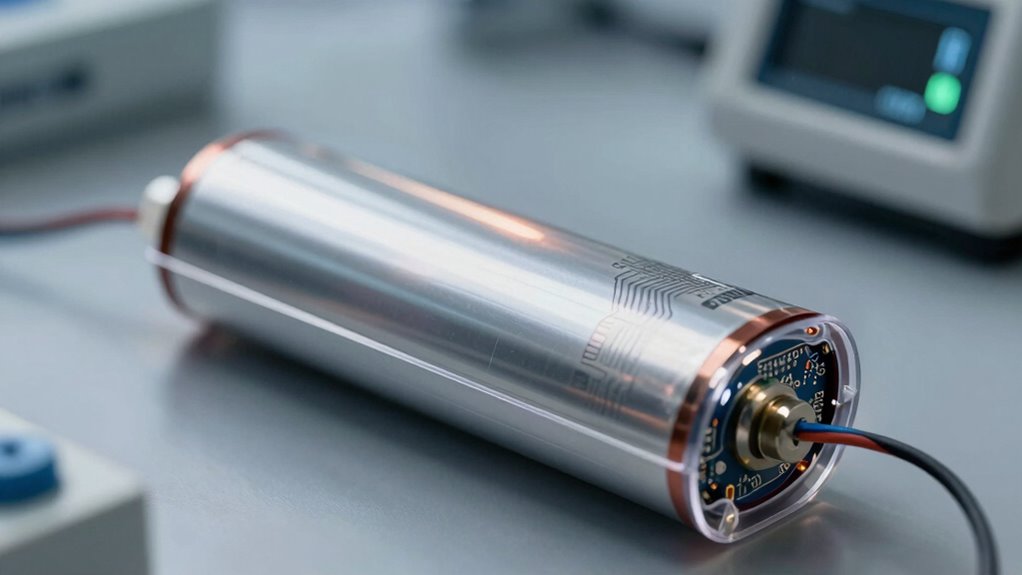

Your limited progress in innovation is mainly due to battery technology challenges. Current batteries face safety issues, are costly, and have inefficient recycling methods, which hinder widespread use. Environmental concerns, like hazardous materials and waste management, also slow down advancements. Improvements in design, materials, and recycling practices could open new possibilities, but they require significant technological breakthroughs. Keep exploring to discover how future innovations might overcome these hurdles and transform energy storage.

Get the latest gadgets delivered free with Prime
- Fast, free delivery on millions of items
- Prime Video, Amazon Music and more included
- Member-only deals all year
Key Takeaways
- Recycling challenges and limited infrastructure hinder large-scale adoption of advanced battery technologies.
- Hazardous materials in batteries complicate safe disposal and restrict innovation in sustainable designs.
- Current recycling processes are inefficient and costly, limiting the development of environmentally friendly batteries.
- Technological breakthroughs are needed to create batteries that are easier to recycle and less environmentally damaging.
- Dependence on raw material extraction persists due to inadequate recycling methods, restricting innovation in battery design.
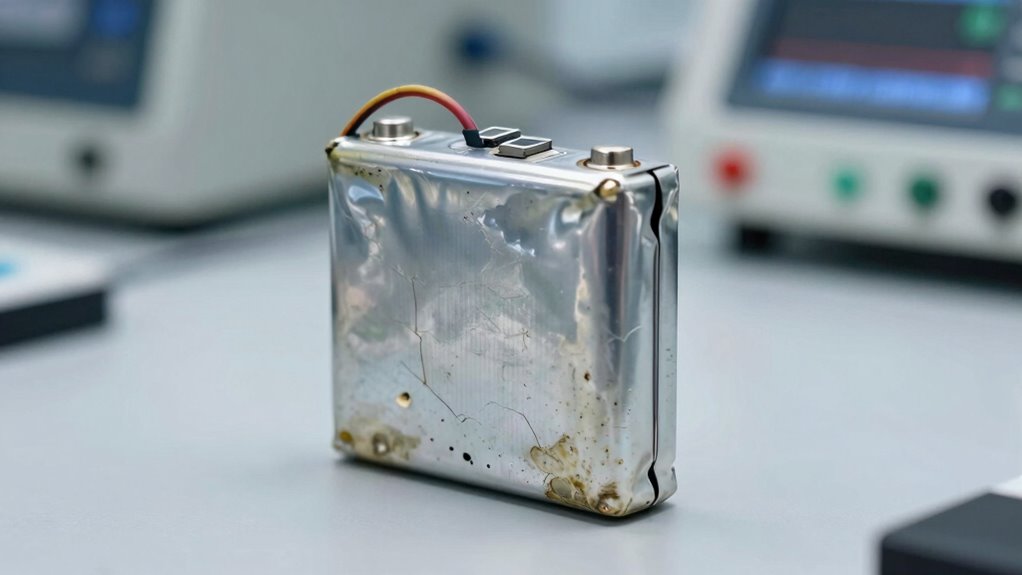
Beyond lifespan issues, recycling challenges further complicate the picture. When batteries reach the end of their usable life, properly recycling them becomes critical but complicated. Today’s recycling methods are often inefficient, expensive, and not widely available. Many batteries contain hazardous materials, such as lithium, cobalt, and nickel, which require careful handling to prevent environmental damage. If not properly recycled, these materials can contaminate soil and water, posing serious health risks. Unfortunately, the current infrastructure doesn’t support large-scale recycling, leaving a significant amount of battery waste to accumulate. This inefficiency hampers the sustainability goals of clean energy initiatives and limits the environmental benefits of battery-powered technologies. Additionally, the battery recycling process is still evolving, and breakthroughs are needed to make it more effective and widespread. Improving recycling technologies could significantly reduce the dependency on mining new raw materials and mitigate environmental impacts. Developing more sustainable battery designs can also help address these issues by making batteries easier to recycle and reuse. Innovations in recycling infrastructure are essential to handle increasing battery waste efficiently and sustainably. Advancements in battery composition could further simplify the recycling process and reduce hazardous waste.
As an affiliate, we earn on qualifying purchases.
Frequently Asked Questions
How Long Will Current Battery Technologies Remain the Standard?
Current battery technologies, like lithium-ion, will likely remain the standard for the next 5 to 10 years. You’ll see gradual improvements in electrode materials, which can boost energy density, but breakthroughs are slow. As a result, these limitations keep innovation in sectors like electric vehicles and renewable energy storage constrained. Until new materials or designs emerge, existing batteries will dominate, balancing performance, cost, and safety.
What Are the Environmental Impacts of Battery Disposal?
You should be aware that battery disposal impacts the environment through e-waste management and recycling challenges. When batteries aren’t properly recycled, toxic materials like heavy metals leach into soil and water, harming ecosystems and human health. Recycling challenges, such as complex chemical compositions and lack of infrastructure, make it difficult to recover valuable materials. This emphasizes the need for improved e-waste management practices to reduce environmental harm.
Can Alternative Energy Storage Methods Replace Batteries Entirely?
You might wonder if alternative energy storage methods could fully replace batteries. The answer isn’t straightforward. Solid state batteries promise enhanced safety and energy density, while supercapacitors offer rapid charging and discharging. Yet, each faces hurdles before they can replace traditional batteries entirely. As technology advances, you’ll see a future where these options complement, rather than replace, batteries — revolutionizing energy storage in ways you’ve yet to imagine.
How Do Battery Costs Affect Consumer Pricing?
Battery costs directly impact your consumer pricing because higher manufacturing costs lead to more expensive batteries. These costs are tied to battery lifespan and the complexity of manufacturing, which can prevent prices from dropping. When battery lifespan improves, manufacturers can justify higher prices, or pass savings to you. Conversely, if manufacturing costs stay high, you’ll likely face higher prices for devices and vehicles relying on advanced batteries.
What Breakthroughs Are on the Horizon for Battery Innovation?
You’ll see breakthroughs like solid-state batteries, offering increased safety and energy density, and lithium-sulfur batteries, which promise lighter weight and lower costs. These innovations aim to improve charging speed, lifespan, and overall performance. As researchers refine these technologies, expect more durable, efficient batteries that could revolutionize electric vehicles and portable devices, making innovation more accessible and affordable in the near future.
As an affiliate, we earn on qualifying purchases.
Conclusion
Imagine trying to build a spaceship with a fragile fuel tank—that’s what relying on outdated battery tech feels like for innovators. Despite advances, batteries still hold back electric vehicles, renewable energy storage, and portable devices. Until we crack the code on longer-lasting, safer, and more efficient batteries, progress will remain tethered. Just like upgrading the fuel tank releases a spaceship’s full potential, breakthrough battery tech will propel us into a future of limitless innovation.
hazardous material battery disposal
As an affiliate, we earn on qualifying purchases.
As an affiliate, we earn on qualifying purchases.
As an affiliate, we earn on qualifying purchases.
Fall Picks
fall essentials
As an affiliate, we earn on qualifying purchases.