

You care more about ecosystems than individual devices because ecosystems offer seamless integration, making your smart home easier to control and more reliable. Instead of juggling multiple brands and apps, you get a unified experience that’s intuitive and secure. Ecosystems also adapt as new devices come out, keeping your tech future-proof and hassle-free. If you want to discover how this connectivity boosts your daily life, keep exploring the benefits of smart ecosystems.
Key Takeaways
- Users value seamless integration and unified control across devices, enhancing overall experience and convenience.
- Ecosystems prevent device compatibility issues, enabling smooth communication regardless of brand or platform.
- Centralized management simplifies device updates, security, and troubleshooting, saving time and effort.
- Scalability allows easy addition of new devices, future-proofing the smart environment.
- Cohesive ecosystems reduce fragmentation, providing more reliable, intuitive, and long-term user satisfaction.
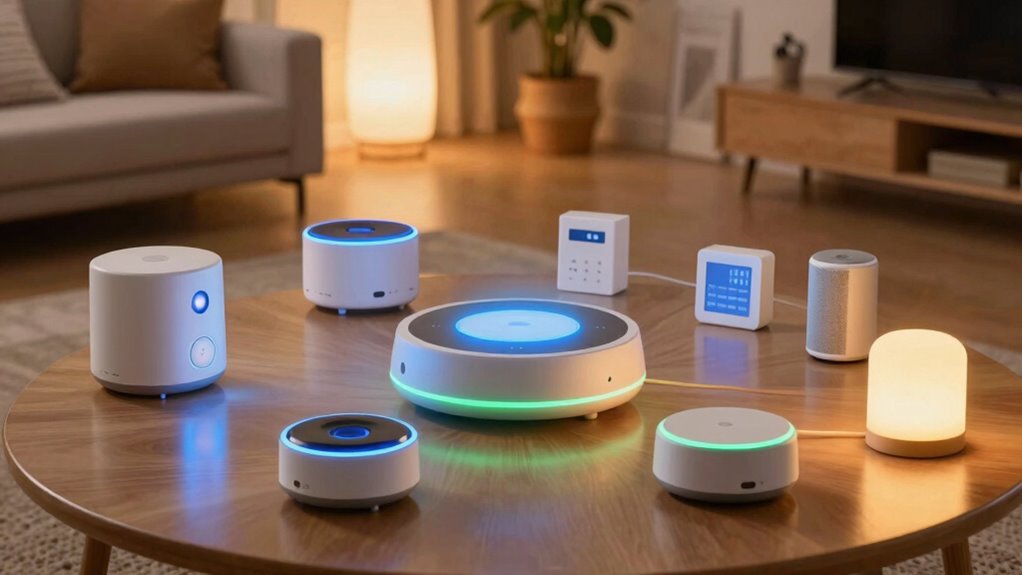
Have you ever wondered whether focusing on ecosystems or devices matters more in today’s tech landscape? It’s a question many users ask as they navigate the world of gadgets, apps, and smart home integration. More than ever, people realize that their experience isn’t just about owning a single device but about how well everything works together. That’s where ecosystems shine, offering a seamless environment where devices communicate effortlessly and functions are unified. Instead of juggling multiple brands or apps, you can enjoy a cohesive experience that feels intuitive and reliable.
When you prioritize ecosystems, cross platform compatibility becomes essential. You want your smart home devices, smartphones, tablets, and computers to connect smoothly regardless of operating system or manufacturer. This compatibility means you’re not locked into a single brand or platform, giving you the freedom to choose the best devices for your needs. For example, a smart speaker that integrates with your existing smart home system allows you to control lights, thermostats, and security cameras without switching apps or ecosystems. The focus shifts from individual device features to how those devices work together as part of a broader network.
Smart home integration exemplifies why ecosystems matter. If your smart devices are part of a well-designed ecosystem, you don’t need to manually switch between apps or troubleshoot compatibility issues. Instead, you can control everything through a centralized hub or voice assistant, making daily routines smoother. This integration saves you time and frustration, especially when managing multiple devices from different brands. It also enhances security and updates, as ecosystems often provide centralized management and consistent firmware updates, ensuring your devices stay current and protected. Additionally, interoperability is a crucial factor that enables these seamless connections and simplifies user experiences. Moreover, designing for broad compatibility ensures your setup remains adaptable to future technological advancements. As the smart device market continues to evolve, having an ecosystem in place helps you stay ahead and easily incorporate new innovations. Recognizing the role of standardization in fostering device interoperability can further support a robust ecosystem.
People prefer ecosystems because they offer scalability and future-proofing. As you add new devices, they automatically become part of the existing system if the ecosystem supports cross platform compatibility. This flexibility means you can upgrade or expand your setup without starting from scratch. Plus, ecosystems tend to foster better user experiences, with streamlined interfaces and unified control, making tech less of a hassle.
In essence, more users care about ecosystems because they deliver a more reliable, flexible, and integrated experience. Focusing solely on individual devices might give you cool features, but it often leads to fragmented setups and compatibility headaches. By investing in an ecosystem, you guarantee your devices work harmoniously, making your tech environment smarter, easier to manage, and more enjoyable in the long run.
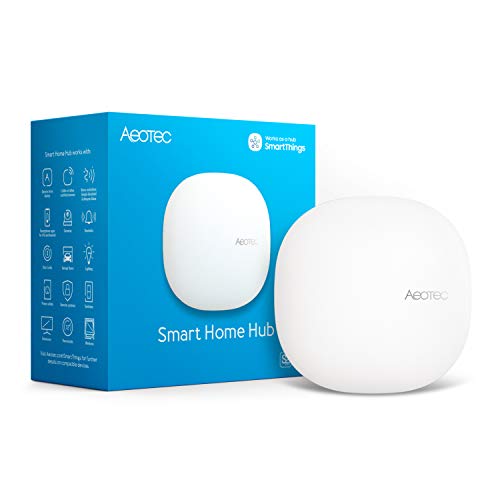
Aeotec Smart Home Hub, Works as a SmartThings Hub, Z-Wave, Zigbee, Matter Gateway, Compatible with Alexa, Google Assistant, WiFi
Connect & control your smart home — Easily link thousands of compatible devices from leading brands to create…
As an affiliate, we earn on qualifying purchases.
As an affiliate, we earn on qualifying purchases.
Frequently Asked Questions
How Do Ecosystems Impact User Privacy and Data Security?
Ecosystems impact your privacy and data security by centralizing data, making it vital to check their privacy policies. When companies implement data encryption, your information stays protected across interconnected devices. However, if privacy policies aren’t clear or thorough, your data could be vulnerable. You should stay informed about how your data is used and guarantee encryption practices are robust, so your privacy remains secure within the ecosystem.
Can Ecosystems Evolve Without Replacing Existing Devices?
Yes, ecosystems can evolve without substituting your existing devices. Device interoperability plays a key role, allowing new features or services to integrate smoothly with your current setup. Ecosystem adaptability ensures updates enhance functionality without needing a full device overhaul. By focusing on interoperability and adaptability, manufacturers can improve the ecosystem continuously, giving you a seamless experience while preserving your investment in existing devices.
What Role Do Third-Party Developers Play in Ecosystems?
Third-party developers play a pivotal role in ecosystems by creating seamless integrations that enhance functionality and user experience. They contribute through third-party integrations, expanding device capabilities beyond original features. Developer incentives motivate innovation, encouraging developers to build useful apps and tools that keep users engaged. This collaboration fosters a richer, more resilient ecosystem, making it more attractive for users like you who want versatile, interconnected devices that work together effortlessly.
How Do Ecosystems Influence Device Resale Value?
Ecosystems boost your device resale value by emphasizing seamless device integration and user convenience. When your devices work effortlessly together, they become more attractive to buyers, who see added value in compatibility and ease of use. This interconnectedness signals a well-supported ecosystem, making your device more desirable. As a result, you can command higher resale prices because buyers appreciate the ongoing convenience and integrated experience your devices offer.
Are Ecosystems More Sustainable Than Standalone Devices?
Think of ecosystems as a well-oiled machine, often more sustainable than standalone devices. While they promote interoperability, challenges like ecosystem fragmentation can cause hiccups, making users hesitant. You benefit from seamless connectivity and reduced waste, but only if the ecosystem remains unified. When maintained properly, ecosystems can be a greener choice, supporting longevity and reducing electronic waste, unlike isolated devices that might quickly become obsolete.
voice controlled smart home system
As an affiliate, we earn on qualifying purchases.
As an affiliate, we earn on qualifying purchases.
Conclusion
Remember, a chain is only as strong as its weakest link. When you focus on ecosystems rather than individual devices, you create a seamless experience that supports your entire digital life. It’s not just about having the latest gadget; it’s about how everything works together effortlessly. By investing in ecosystems, you future-proof your tech and enjoy greater convenience, security, and flexibility. In the end, a well-connected ecosystem is worth more than the sum of its parts.
cross platform smart device controller
As an affiliate, we earn on qualifying purchases.
As an affiliate, we earn on qualifying purchases.
unified smart home app
As an affiliate, we earn on qualifying purchases.
As an affiliate, we earn on qualifying purchases.