Simple apps usually last longer because they focus on core functions with straightforward, intuitive design—making them easier for you to navigate and trust. With fewer features, development and maintenance become less costly and less prone to bugs. They also consume fewer resources, work well on various devices, and adapt easily to changes. By emphasizing reliability and security, simple apps build loyalty over time. Keep exploring to discover how simplicity can be your key to long-term success.

Get the latest gadgets delivered free with Prime
- Fast, free delivery on millions of items
- Prime Video, Amazon Music and more included
- Member-only deals all year
Key Takeaways
- Simplicity reduces complexity, lowering bugs and security vulnerabilities, which extends app longevity.
- Easy-to-use interfaces foster user trust and loyalty, promoting long-term retention.
- Less resource consumption ensures compatibility across devices and consistent performance over time.
- Focused features allow for targeted updates, minimizing disruptions and maintenance challenges.
- Straightforward codebases simplify troubleshooting and adaptation to technological changes.
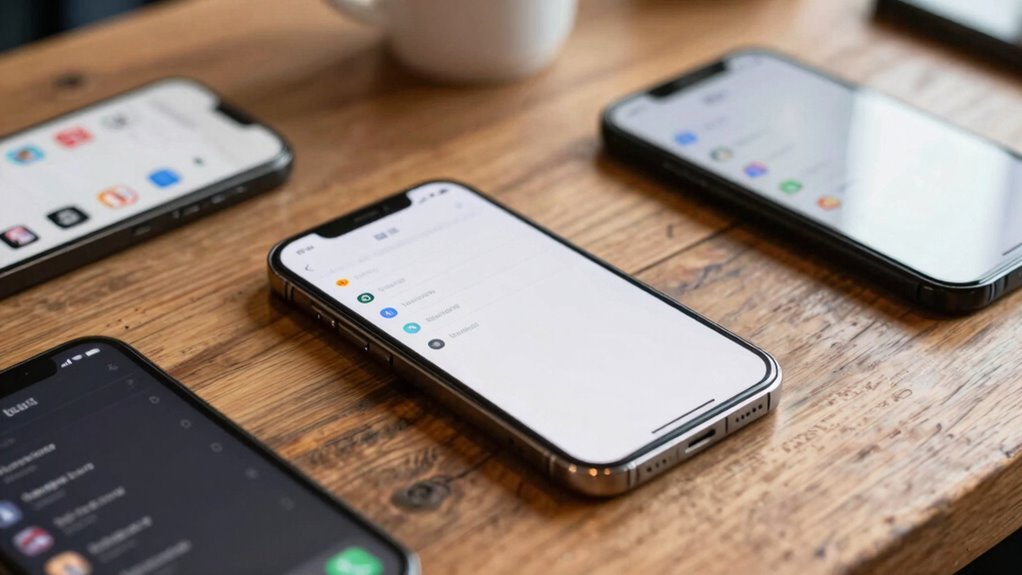
While flashy features often grab attention, simple apps can outlast their more complex counterparts by offering essential functions with ease and reliability. When you choose a straightforward app, you’re likely to enjoy a better user experience because it focuses on what matters most—doing its job well without unnecessary clutter. These apps tend to be intuitive, making it easier for you to navigate and accomplish tasks quickly. They eliminate the frustration that often comes with complicated menus or confusing interfaces, allowing you to stay productive without wasting time learning how to use the app.
One reason simple apps last longer is their development simplicity. Developers can create and maintain them more efficiently, which means updates and improvements happen faster and with fewer bugs. When an app is less complex, there’s less code to manage, reducing the chances of errors and security vulnerabilities. This streamlined approach not only saves time but also lowers costs, enabling developers to focus on refining core features rather than fixing endless bugs or adding unnecessary bells and whistles. As a result, the app stays reliable over time, providing consistent performance that keeps users satisfied.
You also benefit when an app is simple because it requires fewer resources to run. Whether you’re using it on a basic smartphone or a low-spec device, a minimalistic app is more likely to perform smoothly. It consumes less battery, loads faster, and has fewer compatibility issues, making it a versatile choice for a broad audience. This accessibility helps build a loyal user base that sticks around because they trust the app to work whenever they need it. Additionally, simplicity in design often enhances user trust because it signals transparency and safety. Moreover, simple apps tend to be more scalable, allowing them to adapt more easily to future updates or changes in technology.
Moreover, simple apps tend to evolve more naturally. Since their core functions are clear and limited, developers can focus on making those features better rather than constantly adding new, unrelated features. This targeted development results in a more polished product that genuinely meets user needs. Over time, users appreciate the consistency and reliability that come with simplicity, which often leads to higher retention and more positive reviews.
Another key advantage is that simple apps are often more secure, because their limited features and straightforward code base reduce the attack surface for potential vulnerabilities. In the end, the appeal of simple apps lies in their ability to deliver what’s essential without overcomplicating things. They prioritize user experience and development efficiency, making them easier to use and maintain. While feature-packed apps might seem impressive initially, their complexity can lead to instability and frustration. Simplicity, on the other hand, wins in the long run because it’s easier to trust, easier to use, and easier to keep current—qualities that ensure longevity in a fast-changing digital world.
As an affiliate, we earn on qualifying purchases.
Frequently Asked Questions
Can Simple Apps Still Be Innovative?
Yes, simple apps can definitely be innovative. By focusing on minimal design, you create a clean, intuitive interface that stands out. Innovation isn’t just about features; it’s about solving problems elegantly. When you prioritize user satisfaction, you build trust and loyalty. Simple apps that streamline tasks or enhance user experience prove that innovation can thrive with less clutter, making your app memorable and effective in a crowded market.
How Do Simple Apps Generate Revenue Effectively?
Simple apps generate revenue effectively through clever monetization strategies that focus on user engagement. While they may lack flashy features, they excel at creating seamless, addictive experiences, encouraging users to spend more time and money. You can implement ads, in-app purchases, or subscriptions without overwhelming users. The key is balancing simplicity with value, ensuring users stay engaged and willing to pay, which sustains long-term revenue.
Do Simple Apps Face More Competition?
Yes, simple apps often face more competition because the market saturation for straightforward solutions is high. However, your branding strategies can set you apart, making your app memorable despite the crowded space. By focusing on clear messaging and user trust, you can stand out amidst competitors. Simplicity helps you adapt quickly and maintain relevance, giving your app a better chance to survive longer, even in a saturated market.
What User Demographics Prefer Simple Apps?
You’ll find that simple apps appeal most to older adults, busy professionals, and those seeking quick, straightforward solutions. They prefer apps with high user engagement and easy navigation, aligning with their demographic preferences for efficiency and clarity. These users appreciate minimalism, avoiding clutter, and want an experience that gets to the point. Simple apps fit their needs perfectly, making them more likely to stick around longer than complex, feature-heavy alternatives.
How Do Simple Apps Handle Scalability Challenges?
You handle scalability challenges by leveraging cloud integration and modular architecture. Cloud integration allows you to easily scale resources up or down based on demand, ensuring your app remains responsive. Modular architecture helps you add or update features without overhauling the entire system, making growth smoother. These strategies keep your simple app efficient and adaptable, enabling you to manage increasing user loads without sacrificing performance or stability.
As an affiliate, we earn on qualifying purchases.
Conclusion
You find that simple apps stay relevant because they stay intuitive, stay accessible, and stay focused. They don’t clutter your space or overwhelm your mind. Instead, they serve one purpose well, adapt easily, and grow with you. In the end, simplicity isn’t just about less—it’s about more: more clarity, more trust, more longevity. So, embrace the straightforward, and let it guide you toward apps that truly stand the test of time.
As an affiliate, we earn on qualifying purchases.
As an affiliate, we earn on qualifying purchases.
Halloween Picks
halloween
As an affiliate, we earn on qualifying purchases.