
Living constantly connected can quietly increase your stress without you realizing it. Frequent notifications, endless scrolling, and blurred boundaries make you feel overwhelmed, anxious, and mentally drained. You might not notice how time slips away or how your focus worsens. This hidden strain can lead to burnout and emotional fatigue. If you’re curious about how to regain control and reduce this silent stress, there’s more you can do to protect your well-being.

Get the latest gadgets delivered free with Prime
- Fast, free delivery on millions of items
- Prime Video, Amazon Music and more included
- Member-only deals all year
Key Takeaways
- Constant notifications and messages create a cycle of urgency, leading to mental exhaustion and difficulty focusing.
- Endless social media feeds promote comparison and low self-esteem, increasing emotional fatigue.
- Excessive screen time blurs boundaries between work and personal life, causing stress and burnout.
- Digital overload prevents necessary mental breaks, impairing relaxation and overall well-being.
- Lack of boundaries around device use fosters dependency, heightening anxiety and diminishing real-world interactions.
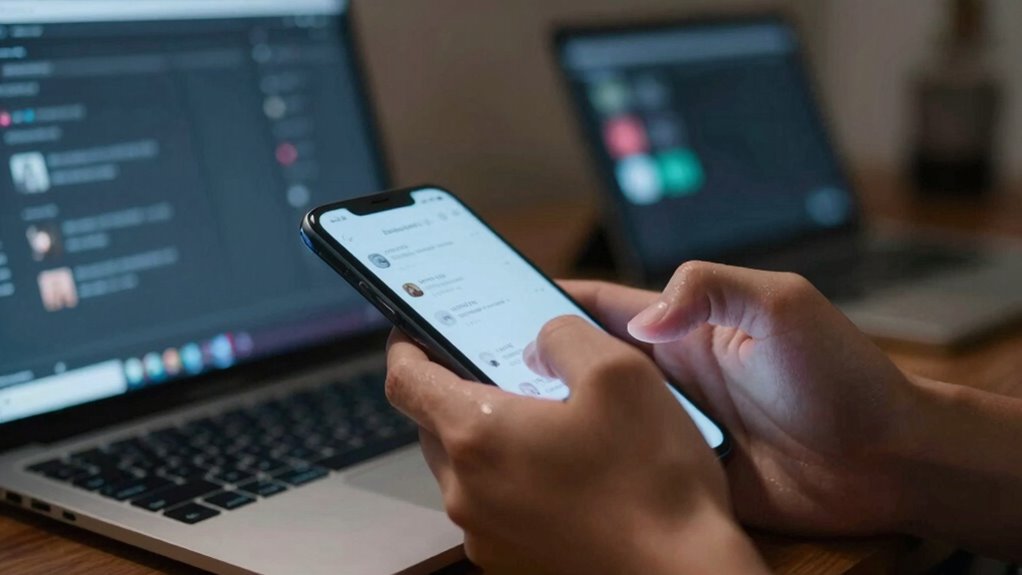
In today’s digital age, being constantly connected can feel like both a convenience and a curse. While instant communication and endless information seem to make life easier, they also introduce hidden stressors that can wear you down over time. One of the biggest challenges you face is digital overload. Every ping, notification, and message demands your attention, pulling you in multiple directions at once. It’s easy to get caught in a cycle where you’re always checking your devices, thinking it’s necessary to stay current. But this constant stream of information can leave you feeling overwhelmed, anxious, and mentally drained. Your brain never gets a break from processing, making it difficult to focus or relax.
Alongside digital overload, social media fatigue creeps in. You might start off scrolling out of curiosity or for entertainment, but soon, it morphs into a source of stress. Endless feeds filled with curated images, news updates, and opinions can make you feel inadequate or anxious about your own life. You compare yourself to others, and that comparison often leads to feelings of inadequacy or envy. The pressure to keep up with what everyone else is doing, posting, or saying can be exhausting. As your feed updates faster than you can process, you may find yourself stuck in a cycle of mindless scrolling, which only amplifies your fatigue.
This persistent exposure to screens and social media can also distort your sense of time. You look up and realize hours have passed, yet you haven’t accomplished what you set out to do. The constant connectivity often blurs the lines between work and personal life, making it harder to disconnect and recharge. Many people struggle with the guilt of not responding immediately or missing out on conversations, which fuels your stress levels further. Over time, this can lead to burnout, affecting your mental and physical health. Incorporating techniques like sound healing science or mindfulness practices can help reset your mental state and reduce stress. Additionally, understanding the impact of digital habits on mental health can motivate you to establish healthier boundaries. Recognizing the importance of dog breeds that thrive in calm environments can serve as a reminder to prioritize peace and balance in your life.
You might not even notice how much stress is building until you’re overwhelmed or irritable. The key is recognizing these patterns and setting boundaries. Limiting screen time, taking regular breaks from social media, and practicing mindfulness can help counteract the effects of digital overload and social media fatigue. Creating a healthy digital routine that includes designated offline periods can significantly improve your mental well-being. When you consciously slow down and prioritize real-world interactions, you give yourself a chance to breathe and regain control over your mental space. It’s also helpful to create boundaries around device use in your daily routine to protect your mental well-being. Remember, being connected doesn’t mean you have to be constantly available or tuned in — your well-being depends on it.
Products Worth Considering

Bose QuietComfort Wireless Noise-Cancelling Headphones, Twilight Blue

Bose QuietComfort Headphones (2nd Gen), Wireless Over-Ear Noise-Cancelling Headphones, Eucalyptus Green

Sony WH-1000XM4 Wireless Noise-Canceling Headphones, Silver
As an affiliate, we earn on qualifying purchases.
Frequently Asked Questions
How Does Constant Connectivity Affect Sleep Quality?
Constant connectivity disrupts your sleep by causing sleep disruption, making it harder to fall asleep and stay asleep. Your devices emit blue light, which hampers melatonin production, essential for restful habits. As a result, your sleep quality declines, leaving you tired and less refreshed. To improve sleep, set boundaries with screens before bed, and create a calming routine that promotes restful habits, helping your body unwind and prepare for restorative sleep.
Can Digital Detoxes Effectively Reduce Stress Levels?
Yes, digital detoxes can effectively reduce stress levels. By practicing mindful technology and setting clear digital boundaries, you give yourself space to disconnect and recharge mentally. During a detox, you’ll likely notice decreased anxiety and improved focus, helping you feel more relaxed. Regularly unplugging allows you to regain control over your digital habits, fostering healthier interactions with technology and reducing the hidden stress caused by constant connectivity.
What Are Hidden Health Risks of Persistent Online Presence?
Did you know that 60% of digital users feel overwhelmed by their online presence? Persistent online activity can lead to hidden health risks like digital burnout, which drains your mental energy, and privacy concerns, risking your personal information. Staying constantly connected increases stress levels, affects sleep quality, and heightens anxiety. To protect your well-being, set boundaries, limit screen time, and be mindful of your digital footprint.
How Does Social Media Contribute to Feelings of Anxiety?
Social media fuels your anxiety through FOMO feelings and comparison culture. When you see others’ highlight reels, you might feel left out or inadequate, intensifying FOMO. Comparing your life to curated posts can lead to self-doubt and stress. These platforms create a cycle where you’re constantly seeking validation, making you anxious about missing out or not measuring up. Recognizing this can help you manage your online habits better.
Are There Specific Age Groups More Vulnerable to Digital Stress?
You might be surprised, but younger age groups often face more digital stress, making them more vulnerable to age-related anxiety. Their constant online presence can chip away at resilience, leaving them anxious and overwhelmed. Older generations tend to develop stronger coping mechanisms over time. Recognizing this gap is essential, so you can foster generational resilience and protect mental health across all ages in our hyper-connected world.
Conclusion
Remember, in this endless digital dance, your well-being is the melody that keeps everything in harmony. Don’t let the constant buzz drown out your peace; instead, reclaim your time and space. Like a lighthouse amid stormy seas, prioritize moments of disconnect to nourish your soul. Because, in the quiet between notifications, you find the strength to truly live—beyond the screen, beyond the stress. Your peace isn’t just a pause; it’s your power.