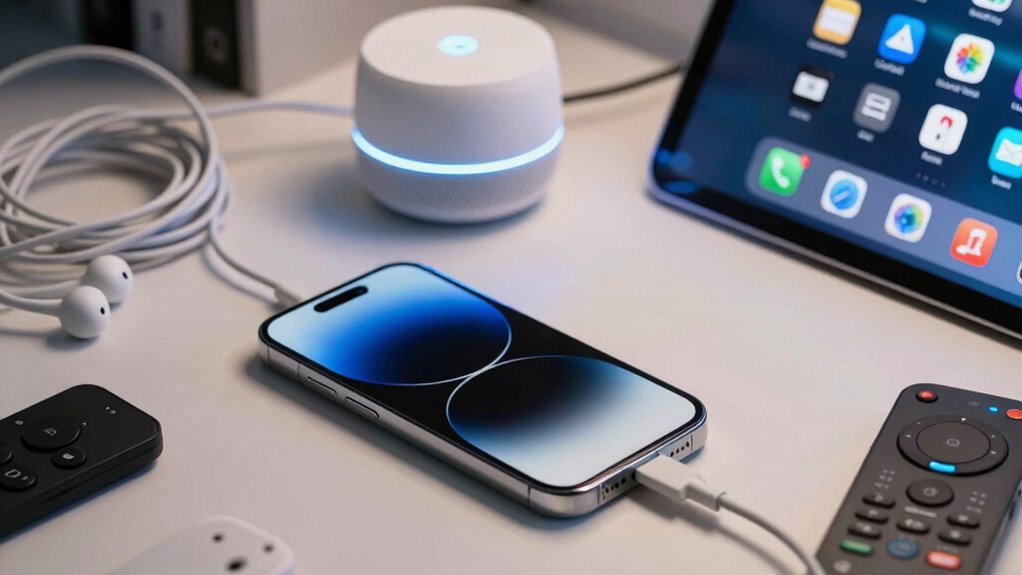

Modern convenience often comes with more complexity because adding new features and interconnected devices creates layered systems that can overwhelm you. As technology evolves, user interfaces become busier, requiring you to manage multiple apps, updates, and settings. This interconnectedness can also introduce security risks and compatibility issues. To keep up, you need to balance ease of use with technical challenges. If you want to understand how this complexity affects your daily life, there’s more to discover ahead.

Get the latest gadgets delivered free — and shop member deals
- Fast, free delivery on millions of items
- Access to Prime Big Deal Days deals on October 6–7
- Prime Video, Amazon Music and more included
Key Takeaways
- Adding new features and integrations increases system layers, making user experiences more complex despite initial convenience promises.
- Developers prioritize multiple factors like security and aesthetics, which can clutter interfaces and hinder intuitive use.
- Continuous innovation introduces new technologies that require users to learn and adapt to more sophisticated systems.
- Greater device interconnectivity creates technical vulnerabilities and inconsistent experiences across different platforms.
- Enhanced connectivity raises privacy and security concerns, demanding users to balance convenience with safeguarding personal data.

In our pursuit of convenience, we often find ourselves entangled in a web of complexity that wasn’t present in simpler times. Today’s devices and services promise quick solutions, but behind that ease lies a tangled web of technology integration. As companies add new features, connect devices, and optimize for various platforms, the systems become more layered and intricate. You might notice that what was once a straightforward task—like turning on a light or ordering dinner—now involves multiple apps, voice commands, or smart home hubs. This complexity isn’t accidental; it’s a result of efforts to enhance functionality and create seamless experiences, yet it can often backfire by making simple actions seem complicated.
User experience design plays a critical role in this evolution. Developers aim to make products more intuitive, but the reality is that they’re juggling many competing priorities—adding features, ensuring security, supporting compatibility, and maintaining aesthetics. As a result, user interfaces can become cluttered or confusing, especially if they’re trying to cater to a broad audience. The goal is to make things easier, but sometimes, the more features you add, the harder it becomes to navigate. You may find yourself scrolling through menus or trying to remember which app controls which device, all in the name of convenience. This disconnect between design intent and actual user experience fuels frustration rather than ease.
Furthermore, the drive for constant innovation pushes companies to continuously upgrade their offerings. They integrate new technologies—like AI, IoT, or biometric authentication—into familiar products. While these advancements aim to streamline your life, they often require learning new interfaces or troubleshooting unforeseen glitches. The very convenience you seek becomes a double-edged sword, as you’re forced to stay updated on how to manage these sophisticated systems. You might feel overwhelmed by the sheer number of options, settings, and notifications that come with these smarter devices. Additionally, the increasing reliance on technology integration in everyday objects can lead to vulnerabilities and unforeseen technical issues. The pursuit of compatibility across devices, while beneficial, can sometimes create inconsistent experiences.
Finally, as systems become more interconnected, the complexity can extend to privacy and security, requiring users to balance convenience with safeguarding personal data.
Frequently Asked Questions
How Does Technology Impact Daily Decision-Making?
Technology impacts your daily decision-making by providing automated interfaces and instant access to information, making choices quicker and easier. You rely on apps and smart devices to guide your routines, often trusting algorithms to suggest options or streamline tasks. While this convenience saves time, it can also lead to overdependence, reducing your ability to make independent decisions. Ultimately, technology shapes your choices, balancing efficiency with the risk of diminished personal judgment.
Are There Environmental Costs to Convenience?
Convenience is like a double-edged sword—you get quick results, but often at a hidden environmental cost. Your choices can increase your environmental footprint, contributing to pollution and resource depletion. While new technologies make life easier, they also bring sustainability challenges, such as energy consumption and waste. By being mindful, you can reduce your impact, choosing options that support a healthier planet and promote long-term sustainability.
Can Simplicity Be Restored in Modern Systems?
Yes, you can restore simplicity in modern systems by embracing minimalist design principles, which strip away unnecessary features and focus on essential functions. This approach empowers you as a user, making systems more intuitive and easier to navigate. By prioritizing user experience and reducing complexity, you regain control, making technology serve your needs better without overwhelming you. Minimalist design and user empowerment go hand-in-hand to simplify modern systems effectively.
What Are the Psychological Effects of Convenience?
Convenience can make you feel more relaxed initially, but it often leads to mental overload as your brain relies heavily on quick solutions. This dependency risks diminishing your problem-solving skills and resilience. Over time, you might feel more anxious or impatient when faced with challenges that require effort. While convenience saves time, it can also weaken your mental agility, making you less prepared for situations where quick access or simple answers aren’t available.
How Do Companies Balance Convenience With Security?
You might be surprised to know that 81% of consumers worry about their data security online. Companies balance convenience with security by implementing layered protections like encryption and multi-factor authentication, making access easier for users while safeguarding sensitive information. They also prioritize user privacy, often updating policies to meet regulations, ensuring that convenience doesn’t compromise data security, and building trust with their customers.
Conclusion
So, as you enjoy the sleek comfort of modern life, remember it’s a double-edged sword. The convenience you love often whispers secrets of added complexity, turning simple tasks into puzzles of technology and choice. It’s like trading a feather for a thunderstorm—powerful yet overwhelming. Embrace the chaos, because in this whirlwind of innovation, you’re steering a world that’s constantly evolving, making life both easier and infinitely more intricate than ever before.
Fall Picks
fall essentials
As an affiliate, we earn on qualifying purchases.