
Autonomous technology excites you because it promises safer roads, more efficiency, and innovative solutions that could transform industries and daily life. However, it also sparks fear due to ethical dilemmas, regulatory challenges, and worries about privacy or job losses. Concerns over unpredictable system behavior and moral choices create uncertainty. If you want to understand how these hopes and fears shape our future, there’s more to explore below.

Get the latest gadgets delivered free — and shop member deals
- Fast, free delivery on millions of items
- Access to Prime Big Deal Days deals on October 6–7
- Prime Video, Amazon Music and more included
Key Takeaways
- Autonomous technology promises safer, more efficient transportation, fueling excitement about its potential benefits.
- Ethical dilemmas and unpredictable system behaviors generate fear over safety and moral decision-making.
- Rapid innovation outpaces regulation, causing concern about safety, privacy, and oversight.
- Risks of job loss, misuse, and societal disruption heighten public apprehension.
- Balancing technological progress with responsible regulation is essential for societal trust and positive impact.
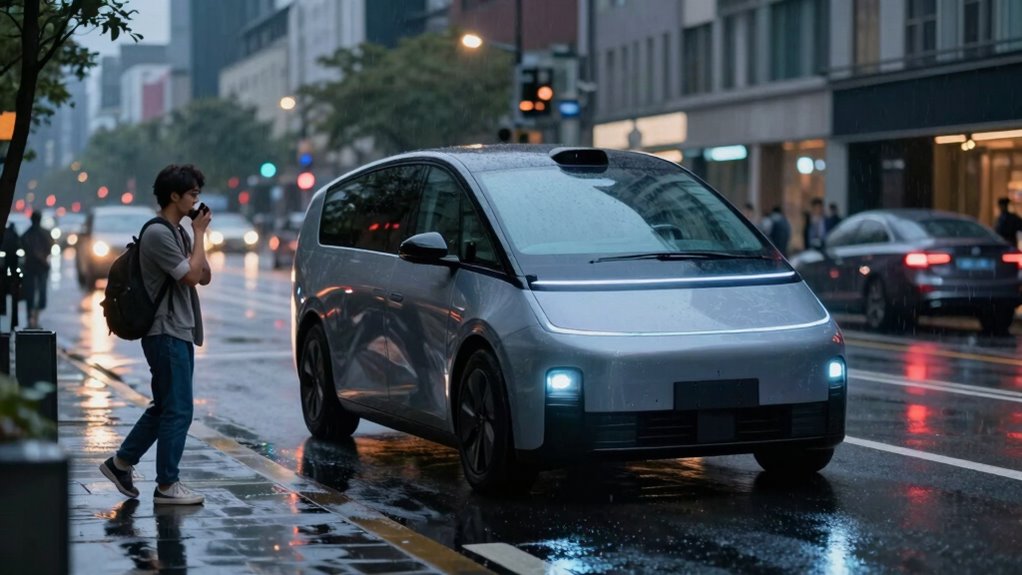
Autonomous technology has rapidly transformed the way we live and work, sparking both excitement and fear. On one hand, it promises incredible advancements—safer roads, more efficient industries, and innovative solutions to age-old problems. On the other, it raises pressing questions about ethics and regulation. You might marvel at self-driving cars that could reduce accidents caused by human error, but you also worry about who’s responsible if something goes wrong. These ethical implications are at the core of the debate, as autonomous systems make decisions that can impact lives. For instance, in a split-second, an autonomous vehicle might have to choose between risking passenger safety or pedestrian safety, forcing us to confront tough moral dilemmas. These situations make it clear that technology alone isn’t enough; we need a clear framework to guide its use.
Autonomous systems raise ethical dilemmas, demanding clear frameworks to guide decision-making and ensure responsible use.
Regulatory challenges deepen the concerns. As these technologies evolve rapidly, lawmakers often struggle to keep pace, creating a gap between innovation and oversight. You may wonder who sets the standards for safety, privacy, and accountability. Without all-encompassing regulations, autonomous systems could be deployed prematurely, risking harm or misuse. This uncertainty fuels fears that companies might prioritize profit over safety, or that governments might lack the mechanisms to enforce responsible deployment. Developing effective regulations isn’t simple, either. It requires balancing innovation with public protection, which can slow down progress but is necessary to prevent unintended consequences. Additionally, ethical considerations play a crucial role in shaping policies and public trust in these systems. Building public trust is essential for widespread acceptance and successful integration of autonomous systems into society. Recognizing the importance of ethical frameworks is vital for guiding responsible development and ensuring societal values are upheld. A comprehensive approach to regulatory frameworks will be key to addressing these complex issues.
The excitement surrounding autonomous technology is fueled by its potential to revolutionize industries and improve lives. Imagine a future where transportation is safer and more accessible, where logistics are streamlined, and where autonomous systems assist in healthcare or disaster management. These innovations could save lives and reduce costs, making everyday activities more efficient. Yet, the fear remains that without proper oversight, these advancements could lead to job losses, privacy breaches, or even autonomous systems acting unpredictably. You might worry about the societal impact if regulations are lax or inconsistent across regions. This tension between innovation and caution is at the heart of why autonomous technology creates both excitement and fear. As the technology advances, it becomes increasingly important to address regulatory challenges to ensure responsible development.
Ultimately, your perception of autonomous technology hinges on how society navigates these ethical and regulatory challenges. While the promise of progress is compelling, you understand that responsible development and thoughtful regulation are essential to ensuring that these powerful tools serve everyone’s best interests. The future of autonomous technology depends on striking the right balance—embracing innovation while safeguarding ethical standards and establishing clear, effective regulations.
Frequently Asked Questions
How Does Autonomous Technology Impact Employment Across Industries?
Autonomous technology impacts employment by causing job displacement in certain sectors, especially those with repetitive tasks. You might see fewer jobs for manual laborers or drivers, but new opportunities arise requiring skill adaptation. You’ll need to learn new skills for emerging roles in tech and management. While some jobs fade, others evolve, so staying flexible and continuously upgrading your skills helps you navigate this changing landscape.
What Are the Long-Term Safety Concerns With Autonomous Systems?
Predictability problems and system stability stand at the forefront of long-term safety concerns with autonomous systems. You might worry about unpredictable behaviors or failures that could cause catastrophic crashes or crises. As these systems evolve, ensuring their reliability becomes essential. You need to trust that autonomous technology consistently performs correctly, even in complex conditions, to prevent potential disasters and protect lives, now and in the future.
How Are Ethical Dilemmas Addressed in Autonomous Decision-Making?
You’re likely wondering how ethical dilemmas are handled in autonomous decision-making. Developers incorporate moral considerations by programming ethical frameworks into systems, guiding their responses in complex situations. They also face accountability challenges, as assigning responsibility for autonomous actions can be tricky. To address this, companies often establish clear protocols and oversight, ensuring that autonomous systems operate ethically, and that accountability remains transparent when dilemmas arise.
What Regulations Govern the Development of Autonomous Technology?
You should know that regulations governing autonomous technology are primarily shaped by regulatory frameworks and safety standards set by governments and industry bodies. These rules guarantee that developers prioritize safety, ethical considerations, and reliability. You must stay updated on these regulations, as they evolve with technological advancements. By adhering to them, you help foster trust and encourage responsible innovation in autonomous systems, balancing excitement with necessary caution.
How Does Autonomous Tech Affect Privacy and Data Security?
Imagine a future where autonomous tech’s like your smart car or home assistant become your digital twin. You might feel like a modern-day cyberpunk, but data privacy is at stake. Autonomous technology collects vast amounts of data, making you vulnerable to security breaches. You need to stay vigilant, use strong security measures, and understand how your data’s used, to protect yourself from potential privacy violations.
Conclusion
As you stand at the crossroads of innovation, the future of autonomous technology unfolds like a vast, uncharted landscape—full of dazzling possibilities yet shadowed by uncertainty. Imagine a world where cars glide effortlessly and machines make life easier, but also where the unknown lurks behind every corner. Embrace the excitement, but stay vigilant. This brave new world beckons you to navigate carefully, balancing hope with caution, as the journey into autonomous tech continues to unfold before your eyes.
Fall Picks
fall essentials
As an affiliate, we earn on qualifying purchases.