
TL;DR

Get the latest gadgets delivered free with Prime
- Fast, free delivery on millions of items
- Prime Video, Amazon Music and more included
- Member-only deals all year
SpaceXAI plans to use Nvidia Vera CPUs for AI workloads on Earth and in space, including a Vera Rubin NVL72 system aboard a satellite. Deployment timelines and technical details are not yet disclosed.
SpaceXAI has revealed plans to deploy standalone Nvidia Vera CPUs for Grok’s agentic AI workloads on Earth, and an optimized Vera Rubin NVL72 system in orbit with a Starmind satellite. This marks a significant step in integrating AI hardware into space infrastructure, although specific deployment dates and technical configurations remain undisclosed.
The company announced that it intends to use Nvidia Vera CPUs as dedicated processors for Grok’s agentic workloads, which involve multi-step task execution, tool coordination, and space-based AI hardware. These CPUs are expected to operate independently of Nvidia accelerators, potentially offering more tailored CPU support for complex AI operations. Additionally, SpaceXAI plans to adapt the Vera Rubin NVL72 system for space use, targeting deployment aboard a Starmind satellite. However, no technical specifications, performance data, or testing results have been shared, and it is unclear whether the hardware has been tested or is operational in space.
While the ground-based Vera CPUs aim to enhance Grok’s processing capabilities, the orbital system’s purpose appears to be experimental, possibly evaluating how AI hardware performs under space conditions such as radiation, power constraints, and thermal management. The announcement does not specify whether the NVL72 configuration will be a full rack or a modified design suitable for satellite integration. No launch schedule or hardware milestones have been announced, emphasizing that these plans are still in the conceptual or early development phase.
Implications for Space-Based AI and Ground Infrastructure
This development signals a potential shift toward integrating AI hardware directly into space infrastructure, which could enable faster processing, reduced latency, and more autonomous spacecraft operations. The use of Vera CPUs for agentic workloads suggests a move toward more sophisticated onboard AI systems capable of multi-step reasoning and tool management, vital for future space missions. If successful, deploying AI hardware in orbit could reduce reliance on ground stations, improve real-time decision-making, and open new avenues for scientific research and satellite autonomy. However, without operational data or testing results, the practical benefits and challenges remain uncertain.
As an affiliate, we earn on qualifying purchases.
Background on Nvidia Vera and SpaceXAI’s AI Expansion
Nvidia’s Vera CPU and Rubin accelerator architecture are designed for high-performance AI and data processing, with Vera intended as a general-purpose CPU for AI workloads and Rubin as a specialized accelerator. SpaceXAI’s interest in these architectures aligns with its broader goal of advancing AI capabilities for both terrestrial and space applications. Prior to this announcement, SpaceXAI has been exploring AI for autonomous vehicles, satellite management, and space mission support, but specific efforts involving Nvidia hardware in space have not been publicly detailed.
The move to incorporate Vera CPUs and adapt the NVL72 system for orbital use reflects ongoing industry trends toward more integrated, hardware-based AI solutions in space. Historically, space hardware has prioritized radiation shielding, power efficiency, and thermal regulation, all of which pose engineering challenges for deploying high-performance AI systems. This announcement indicates that SpaceXAI is actively investigating these issues, although concrete testing or deployment milestones have yet to be disclosed.
“Our plans to deploy Nvidia Vera CPUs for Grok workloads and an orbital Vera Rubin system represent a significant step toward autonomous, space-based AI infrastructure.”
— a SpaceXAI spokesperson
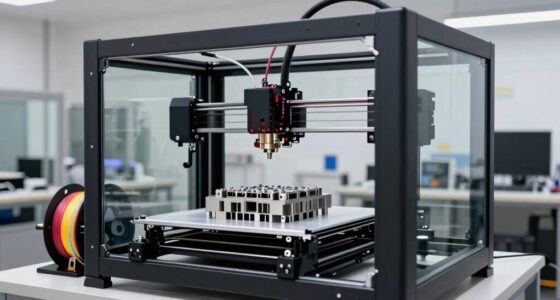
space-grade Nvidia Vera Rubin NVL72 system
As an affiliate, we earn on qualifying purchases.
As an affiliate, we earn on qualifying purchases.
Unconfirmed Details and Technical Challenges
Specific information about the hardware configurations, such as the number of Vera CPUs, their performance in space conditions, power consumption, or thermal management strategies, has not been disclosed. It is also unclear whether the systems are in testing, development, or fully operational stages. The lack of technical data, benchmarks, or mission timelines means that the actual readiness and potential success of these deployments remain uncertain.
As an affiliate, we earn on qualifying purchases.
Next Steps: Testing, Specifications, and Deployment Plans
Future developments will likely include detailed technical specifications for the Vera CPUs and NVL72 system, testing results from ground or space environments, and a clear deployment schedule. SpaceXAI may also publish updates on the progress of the Starmind satellite mission, including launch windows and orbital objectives. Monitoring these milestones will be essential to assess the viability and impact of integrating Nvidia hardware into space infrastructure.
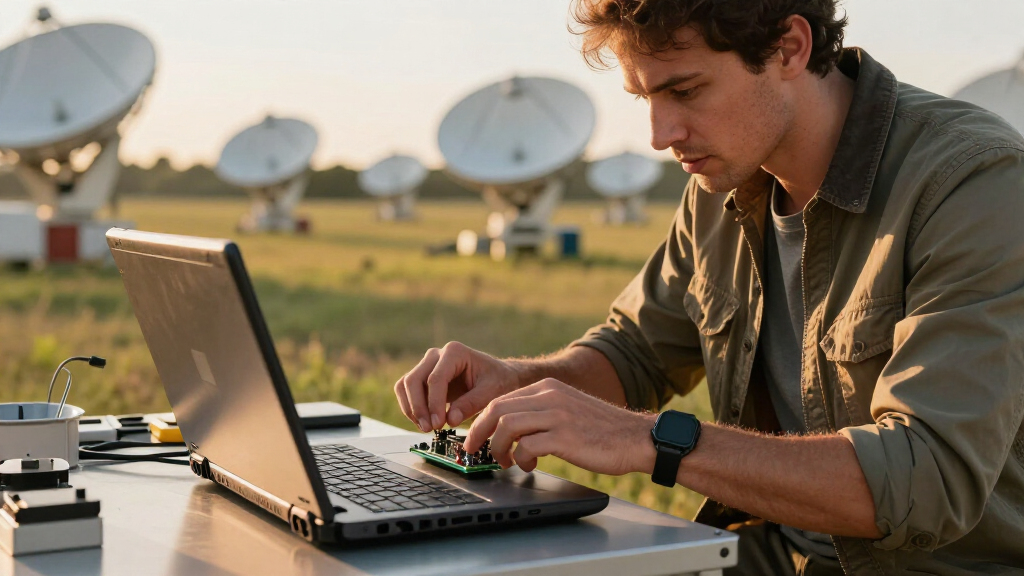
high-performance CPU for space applications
As an affiliate, we earn on qualifying purchases.
As an affiliate, we earn on qualifying purchases.
Key Questions
Are the Nvidia Vera CPUs already in use for Grok workloads?
No, SpaceXAI has announced plans to deploy Vera CPUs for Grok, but no operational deployment or testing results have been disclosed yet.
What is the Vera Rubin NVL72 system intended for in space?
The NVL72 system is planned to operate aboard a Starmind satellite, potentially serving as an orbital AI computing platform, though specific design details and testing outcomes are not yet available.
When will the hardware be deployed or tested in space?
SpaceXAI has not announced a schedule or timeline for deployment or testing, indicating that the project is still in the planning or early development stage.
What challenges might arise in deploying AI hardware in space?
Key challenges include managing power and thermal constraints, radiation shielding, hardware reliability, and communication latency. These factors are critical for ensuring AI systems operate effectively in orbit.
How could space-based AI hardware benefit future missions?
Onboard processing could enable faster decision-making, reduce dependence on ground stations, and support more autonomous spacecraft operations, potentially transforming space exploration and satellite management.
Source: ThorstenMeyerAI.com
Fall Picks
fall essentials
As an affiliate, we earn on qualifying purchases.