TL;DR
Listen free for 30 days with Audible
Thousands of audiobooks and originals — cancel anytime.
Start your free trialAs an affiliate, we earn on qualifying purchases.
Meta plans to unveil its next-generation mixed reality headset, Project Phoenix, at Connect 2026. The event will also feature a live demonstration of a hologram-like video call using advanced avatars. The developments could reshape Meta’s XR and metaverse ambitions.
Meta is set to unveil its next-generation mixed reality headset, Project Phoenix, along with a hologram-like video call feature during its Connect 2026 developer conference next week. The event, scheduled for September 23-24, will also include live demonstrations of these innovations, which aim to advance Meta’s XR and avatar technologies. The announcement signals a significant step in Meta’s hardware and communication ambitions, with potential implications for the metaverse and virtual interaction standards.
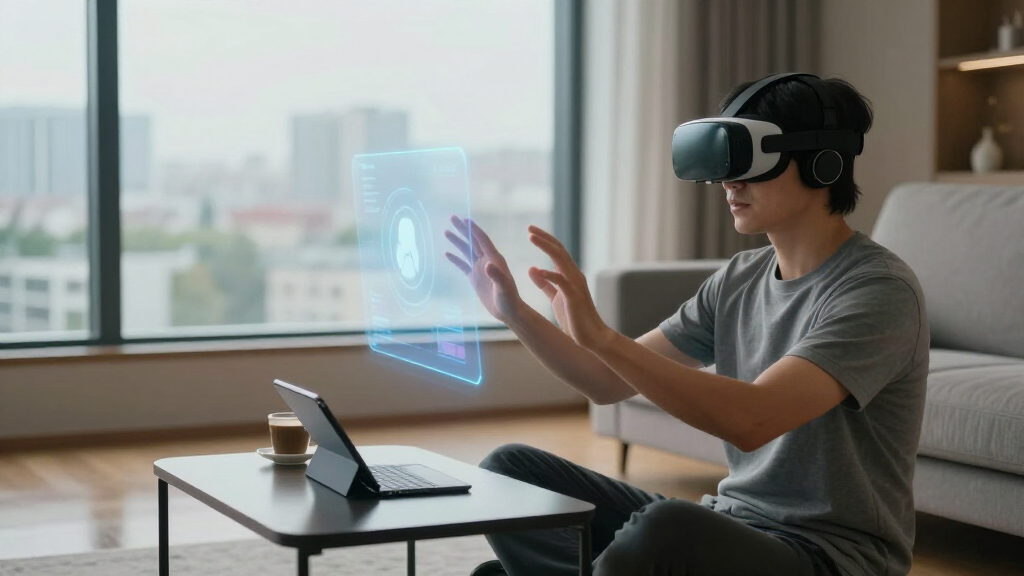
Images of Meta’s upcoming Project Phoenix headset have already leaked ahead of the conference, suggesting a slim, lightweight design that connects to a pocket-sized compute puck. This design aims to improve user comfort by reducing head-mounted weight, aligning with Meta’s shift toward more portable XR devices. The headset is expected to feature advanced mixed reality capabilities, blending digital and physical environments seamlessly.
Alongside the hardware, Meta is reportedly preparing a major demo of its “hologram-like” video call technology, utilizing an enhanced version of its Codec Avatars, which have been under development since 2015. These avatars are designed to produce photorealistic representations of users, potentially allowing for highly immersive and realistic virtual interactions. During the keynote, Meta CEO Mark Zuckerberg and CTO Andrew Bosworth are expected to demonstrate this avatar call experience live, although it remains unclear whether this will be a full commercial launch or a research preview.
Codec Avatars aim to rival Apple’s highly regarded Personas avatars, which are considered some of the most accurate and immersive digital representations. Historically, Meta’s avatars have been more cartoonish, primarily serving its metaverse ambitions, but recent developments suggest a move toward more lifelike, photorealistic avatars that could redefine virtual presence and communication.
While the headset’s official features and release timeline are still under wraps, the event is expected to mark a pivotal moment in Meta’s XR journey, emphasizing portability, realism, and advanced avatar technology. The company’s shift away from a sole focus on the metaverse toward AI and wearable devices is reflected in these innovations, signaling a broader strategy to integrate immersive tech into everyday communication.
Meta Reportedly Unveiling Next-gen MR Headset with Hologram-like Call Experience
Project Phoenix, a slim mixed reality headset tethered to a pocket-sized compute puck, is expected to headline Meta’s Connect 2026 developer conference — alongside a live demo of photorealistic “hologram-like” video calls powered by advanced Codec Avatars.
What Connect 2026 Is Expected to Deliver
Project Phoenix Headset
A slim, lightweight mixed reality headset that pairs with a pocket-sized compute puck, reducing head-mounted weight and improving comfort. Designed to blend digital and physical environments seamlessly.
Hologram-like Video Calls
A major live demo of “hologram-like” calling using an enhanced version of Codec Avatars — photorealistic representations of users designed for highly immersive virtual interaction.
From Metaverse to Everyday XR
The unveiling reflects Meta’s shift toward portability, realism, and AI-driven wearables — integrating immersive tech into everyday communication rather than niche metaverse platforms.
Meta’s XR & Avatar Development Trajectory
While Meta’s avatars were historically more cartoonish, recent developments signal a decisive move toward photorealistic digital humans designed to rival Apple’s highly regarded Personas.
Meta Codec Avatars vs. Apple Personas
| Attribute | Meta Codec Avatars | Apple Personas |
|---|---|---|
| Visual style | ~ Moving to photorealism | ✓ Widely praised realism |
| Development history | Research since 2015 | Shipped with Vision Pro |
| Live public demo at Connect | ✓ Expected | ✗ N/A |
| Commercial availability | ~ Unconfirmed | ✓ Available |
| Primary ambition | Immersive hologram-like calls | Spatial video presence |
The Road After Connect
Live Unveiling
Project Phoenix and hologram-like call demo at Connect 2026, Sept 23–24.
Details Emerge
Specs, pricing, availability, and scope of avatar realism expected post-event.
Developer Tools
Software updates and SDKs may enable third-party avatar-based interactions.
Market Release
Beta previews and broader rollout possibly within the next year.
It remains unclear whether the hologram-like call demo will be a fully functional commercial feature or a research prototype — and whether Codec Avatars get a broader rollout announcement or remain a limited demonstration during Connect.
What We Still Don’t Know
Will the headset be purchasable at Connect?
Not confirmed. The event may serve primarily as a preview or prototype demonstration rather than a commercial launch.
How realistic will hologram-like calls be?
Reports point to an advanced Codec Avatars version built for photorealism — actual quality will be clear only after the live demo.
When might consumers get access?
No dates announced. Further details are expected after Connect, with market availability possible within the next year.
Will this replace current video calls?
Uncertain. Hologram-like calls may prove an enhancement to existing platforms rather than a direct replacement.
Potential Impact on Virtual Communication Standards
The unveiling of Project Phoenix and hologram-like calls could significantly influence how users interact virtually, moving toward more realistic and immersive experiences. If the live demo demonstrates a convincing, photorealistic avatar call, it could set new benchmarks for virtual presence, challenging existing solutions from competitors like Apple. This development might accelerate the adoption of advanced avatars in social, business, and entertainment contexts, shaping future standards for virtual communication.
Furthermore, Meta’s focus on portable, lightweight hardware could make mixed reality more accessible and comfortable for everyday use, broadening the device’s appeal beyond niche markets. The combination of hardware innovation and realistic avatar technology positions Meta as a key player in the evolving XR landscape, with potential ripple effects across the industry.
As an affiliate, we earn on qualifying purchases.
Meta’s XR and Avatar Development Timeline
Meta has been working on advanced avatar technology since 2015, initially producing cartoonish representations for its metaverse platforms. Over recent years, the company has shifted focus toward more photorealistic avatars, aiming to enhance realism and user engagement. The Codec Avatars project has been a core part of this effort, with ongoing research into capturing and rendering highly detailed digital human likenesses.
The company’s hardware efforts have also evolved, moving from bulky VR headsets to lighter, portable mixed reality devices. The leaked images of Project Phoenix suggest a design that emphasizes comfort and mobility, aligning with Meta’s broader strategy to expand XR adoption. The upcoming Connect conference is seen as a critical milestone for showcasing these innovations, which have been in development for several years.
Previous Meta announcements have included prototypes and research demos, but the upcoming event is expected to feature the first significant public demonstration of these technologies in a near-final form, marking a transition from research to consumer-ready products.
As an affiliate, we earn on qualifying purchases.
Unconfirmed Details and Possible Variations
It remains unclear whether the live demo of the hologram-like call will be a fully functional commercial feature or a research prototype. The exact specifications, release timeline for Project Phoenix, and the scope of avatar realism are also still uncertain. Additionally, it is not confirmed whether Meta will announce a broader rollout of Codec Avatars or keep it as a limited demonstration during Connect.
Details about the final design, pricing, and availability of the headset are still under wraps, and it is uncertain whether the device will be released in the near term or shown as a concept for future development.
As an affiliate, we earn on qualifying purchases.
Next Steps After the Connect Unveiling
Following the event, Meta is expected to provide more detailed information about the commercial availability of Project Phoenix and the hologram call feature. The company may also release software updates or developer tools to support third-party development of avatar-based interactions.
Industry observers will closely watch Meta’s subsequent product launches and software updates to gauge how quickly these innovations move from demonstration to consumer products. Further demos, developer previews, or beta releases could follow in the months after Connect, with broader market release possibly within the next year.
As an affiliate, we earn on qualifying purchases.
Key Questions
Will Meta’s new headset be available for purchase at Connect?
It is not yet confirmed whether Meta will launch Project Phoenix commercially during Connect or if the event will serve primarily as a preview or prototype demonstration.
How realistic will the hologram-like video calls be?
According to reports, the calls will leverage an advanced version of Codec Avatars designed for photorealism, but the actual quality and usability will be clear only after the live demo.
When might the headset and features be available to consumers?
Specific release dates are not yet announced; further details are expected after the Connect event, with a possibility of market availability within the next year.
Will this technology replace current video calls?
While promising, it remains uncertain whether the hologram-like calls will be a direct replacement or an enhancement to existing video communication platforms.
What are Codec Avatars, and how advanced are they?
Codec Avatars aim to produce highly realistic digital representations of users, with ongoing research to improve their photorealism and expressiveness. Their full capabilities will be clearer after the demo.
Source: Road to VR
Fall yard work Picks
leaf blowers
As an affiliate, we earn on qualifying purchases.