
Nanotech in medicine is revolutionizing healthcare by enabling targeted drug delivery, early diagnostics, and tissue regeneration. Tiny nanoparticles improve imaging, fight drug resistance, and help develop personalized treatments. They also support faster healing and reduce transplant rejection. As advancements continue, nanotech’s impact on medical devices and therapies grows even more promising. To discover how these innovations are shaping the future of health, explore the details further.

Get the latest gadgets delivered free — and shop member deals
- Fast, free delivery on millions of items
- Access to Prime Big Deal Days deals on October 6–7
- Prime Video, Amazon Music and more included
Key Takeaways
- Nanotech enables targeted drug delivery, improving treatment efficacy and reducing side effects in diseases like cancer.
- Nanoparticles enhance medical imaging, allowing earlier and more accurate disease detection through advanced contrast agents.
- Nanomaterials support regenerative medicine by promoting tissue growth and improving scaffold integration for faster healing.
- Nanotech-powered sensors and devices enable real-time health monitoring and point-of-care diagnostics.
- Regulatory and manufacturing challenges must be addressed to ensure safe, scalable, and ethical implementation of nanomedicine.
targeted drug delivery nanoparticles
As an affiliate, we earn on qualifying purchases.
As an affiliate, we earn on qualifying purchases.
The Expanding Market of Nanomedicine and Its Future Prospects
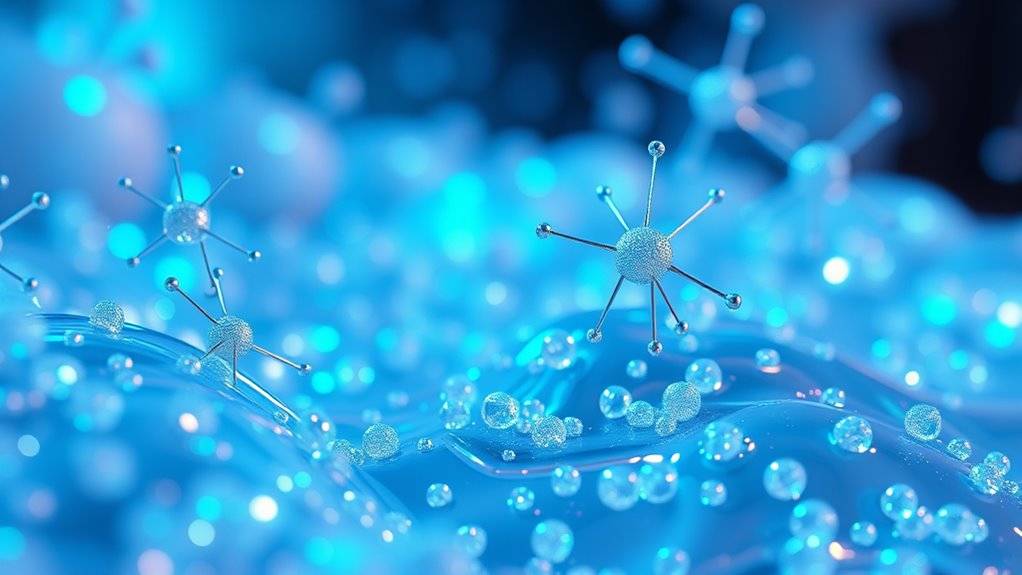
The nanomedicine market is experiencing rapid growth and shows immense potential for the future. You can expect it to hit around $350 billion by 2025, expanding at a compound annual growth rate of over 12%. This surge is mainly driven by advances in cancer treatments, diagnostics, and regenerative medicine. By 2035, estimates suggest the market could reach a staggering $767 billion, reflecting ongoing innovations and increasing healthcare demands. The rapid development of nanotechnology in medical devices and drug delivery is fueling this growth, with over 50 nanoparticle-based drugs already approved and many more in clinical trials. As nanomedicine continues to evolve, it’s poised to transform healthcare, offering more precise, effective, and personalized treatments worldwide. Sustainable and secure solutions are increasingly being integrated into nanotechnology applications to ensure safe and environmentally friendly medical innovations.
nanoparticle medical imaging contrast agents
As an affiliate, we earn on qualifying purchases.
As an affiliate, we earn on qualifying purchases.
How Nanoparticles Are Revolutionizing Drug Delivery

How are nanoparticles transforming drug delivery? They enable you to target medications directly to diseased cells, increasing effectiveness and minimizing side effects. Liposomes, dendrimers, and micelles act as carriers, releasing drugs precisely where needed. This targeted approach improves outcomes, especially in cancer treatments, boosting success rates by around 45%. Nanoparticles also help overcome drug resistance and control release rates, making therapies more efficient. Because of their small size, they can cross biological barriers like the blood-brain barrier, delivering drugs to hard-to-reach areas. Plus, their customizable surface properties allow for attaching specific molecules, guiding therapies to specific tissues. Additionally, understanding the odor characteristics of substances like fentanyl can aid in detection and safety. Recent advances in nanotechnology are further enhancing the precision and safety of drug delivery systems. Overall, nanoparticles are revolutionizing drug delivery by making treatments safer, more precise, and more effective, notably enhancing patient outcomes across various medical fields.
nanotech tissue regeneration scaffolds
As an affiliate, we earn on qualifying purchases.
As an affiliate, we earn on qualifying purchases.
Cutting-Edge Diagnostics Powered by Nanoscale Technologies
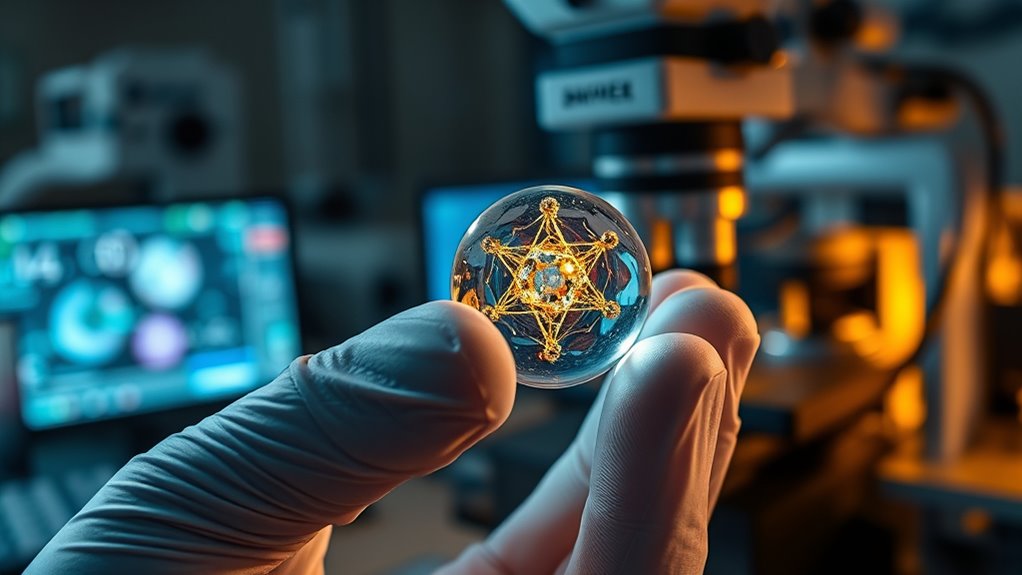
Nanoscale technologies are revolutionizing diagnostics by enabling rapid, highly sensitive detection of biomarkers and pathogens at the point of care. You can now quickly identify diseases thanks to nano biosensors, microfluidic lab-on-chip devices, and nanoparticle test kits. These tools provide real-time results, often within minutes, making early diagnosis more accessible and accurate. Nanoparticles like quantum dots and iron oxide improve imaging agents, enhancing detection sensitivity and specificity. The market for nanoscale molecular diagnostics is expected to grow considerably, reflecting their increasing adoption. With these innovations, you benefit from quicker, more reliable diagnoses, which lead to timely treatment decisions. This shift not only improves patient outcomes but also reduces healthcare costs by streamlining testing processes and minimizing the need for invasive procedures. Advances in nanotechnology are also enabling the development of portable diagnostic devices that can be used in remote or resource-limited settings, expanding accessibility to essential health services.
nanoparticle biosensors for diagnostics
As an affiliate, we earn on qualifying purchases.
As an affiliate, we earn on qualifying purchases.
Enhancing Imaging Techniques With Tiny but Powerful Nanoparticles

Have you ever wondered how tiny particles can dramatically improve medical imaging? Nanoparticles boost imaging techniques in several ways:
- They enhance contrast in MRI scans with iron oxide nanoparticles, making tumors more visible.
- Quantum dots provide highly sensitive fluorescence imaging, revealing early-stage disease markers.
- Nano biosensors enable rapid, real-time detection of pathogens or biomarkers at the point of care.
- Microfluidic devices with nanoparticles improve resolution and reduce imaging time during diagnostics.
- Expert voice actors are often employed to narrate educational videos about nanotechnology, making complex concepts more accessible to audiences.
These advancements allow for earlier detection, more precise localization, and better monitoring of diseases. By using nanoparticles, you get sharper images, clearer insights, and faster diagnoses. This tiny tech is transforming medical imaging, giving healthcare professionals powerful tools to catch illnesses sooner and plan effective treatments.
Advances in Regenerative Medicine and Tissue Engineering
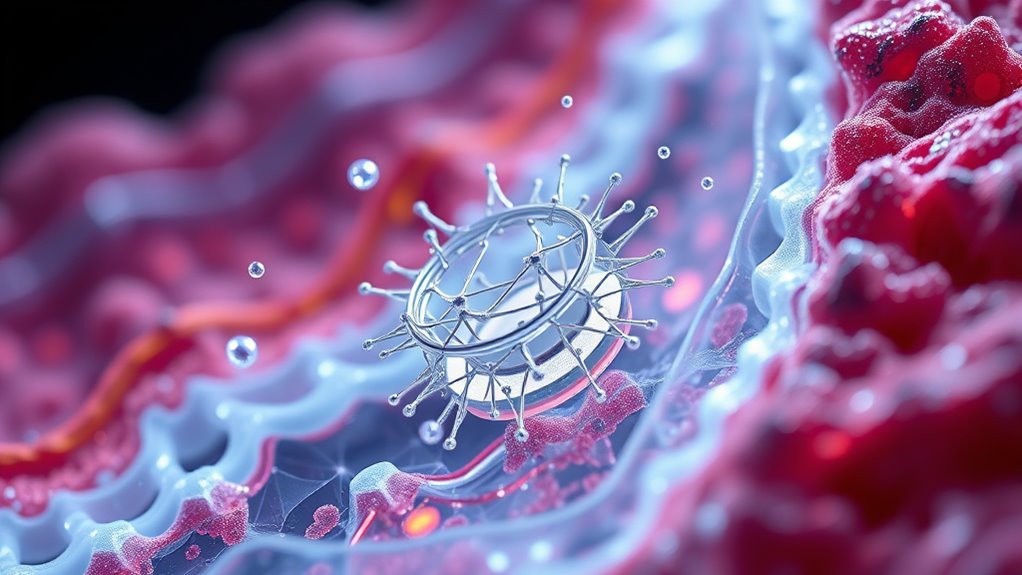
Nanomaterials are transforming regenerative medicine by boosting cell growth and improving scaffold design. These advances enable faster tissue regeneration and more successful organ replacements. As a result, you’ll see greater success in creating functional tissues and reducing transplant rejection rates. Additionally, environmental regulations can influence the development and application of nanotechnologies in medical treatments. Understanding biocompatibility is crucial to ensuring the safety and effectiveness of these innovative therapies. Incorporating hydrotherapy techniques may further enhance tissue healing processes and patient outcomes. Furthermore, research into vetted technologies ensures that these nanomaterials meet safety standards and achieve optimal performance in medical applications. Recognizing the importance of regulatory frameworks helps guide responsible development and deployment of nanotechnologies in healthcare.
Nanomaterials Enhance Cell Growth
Advances in regenerative medicine and tissue engineering have been considerably boosted by the development of nanomaterials that promote cell growth. These tiny materials improve how cells attach, proliferate, and differentiate within scaffolds, accelerating tissue formation. Here’s how nanomaterials make a difference:
- They mimic the natural extracellular matrix, providing a more realistic environment for cells.
- Nanostructured surfaces enhance cell adhesion and signaling.
- They deliver growth factors directly to target cells, boosting regeneration.
- Nanoscaffolds facilitate faster integration with host tissues, reducing healing times.
- Incorporating Free Floating nanomaterials allows for more flexible and adaptable scaffold designs, further improving regenerative outcomes. Additionally, the design of nanomaterials often considers biocompatibility to ensure safe and effective integration within the body.
Improved Organ Regeneration Techniques
Recent breakthroughs in regenerative medicine are transforming how you approach organ repair and replacement. Nanomaterials now improve scaffold design, enabling faster tissue growth and better integration. Nanoscaffolds mimic natural tissue structures, promoting cell adhesion and differentiation. This technology reduces rejection rates by around 50%, increasing transplant success. Stem cell nanotherapy, supported by nanostructured scaffolds, shows over 80% success in clinical applications. These advances accelerate regeneration, making organ creation more feasible. Here’s a quick comparison:
| Technique | Impact |
|---|---|
| Nanoscaffolds | Faster tissue growth, better integration |
| Stem cell nanotherapy | Higher success rates in organ regeneration |
| Nanomaterials in scaffolds | Improved cell adhesion and differentiation |
Moreover, understanding piercing care and hygiene is essential for preventing infections during tissue regeneration procedures. Proper hygienic practices can significantly reduce complications and promote successful healing. Additionally, ongoing research into nanotechnologies continues to unlock new possibilities for more effective and personalized regenerative treatments. Advanced fabrication methods are also being developed to further enhance scaffold precision and functionality.
The Role of Nanotech in Developing Next-Generation Medical Devices
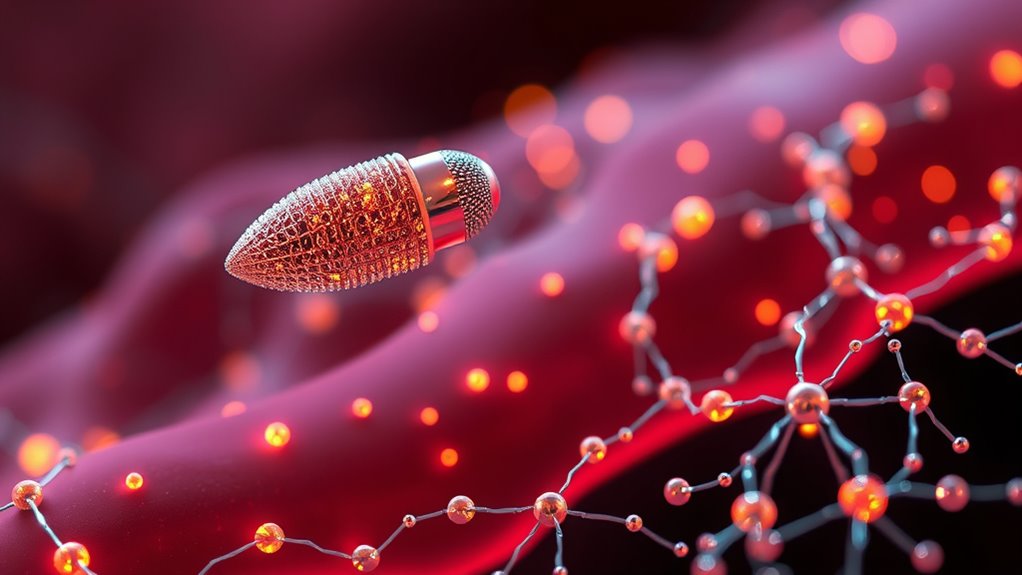
Nanotechnology is revolutionizing the development of next-generation medical devices by enabling unprecedented levels of miniaturization, precision, and functionality. You’ll see this in:
- Nanosensors, which monitor essential signs and detect diseases in real-time, improving early diagnosis.
- Implantable devices that are smaller, more durable, and biocompatible, offering better long-term performance.
- Wearable tech with enhanced sensitivity, providing continuous health data without discomfort.
- Microfluidic systems that perform complex lab tests on a chip, reducing time and cost for diagnostics.
These innovations make devices more portable, accurate, and efficient. As nanotech advances, you’ll benefit from smarter, less invasive tools that transform patient care, diagnostics, and treatment outcomes with exceptional precision. Materials range from ceramic to recycled products, supporting sustainable and versatile device development.
Clinical Trials and Emerging Therapies in Nanomedicine
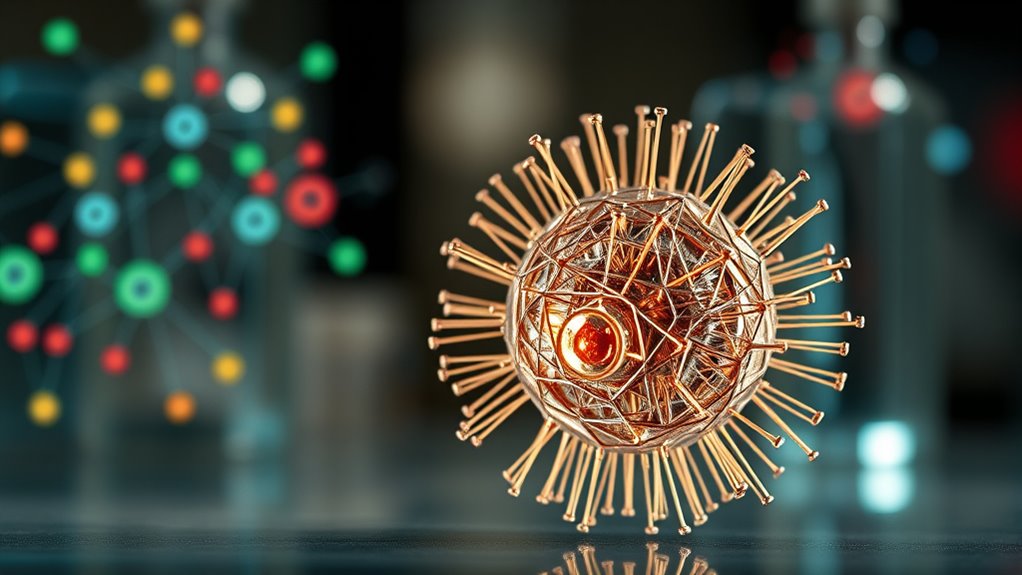
You should know that over 2,000 clinical trials worldwide are testing nanomedicine therapies across cancer, infectious diseases, and regenerative medicine. Many innovative treatments are showing promising results, with some already approved for clinical use. As research advances, these emerging therapies are poised to transform personalized medicine and improve patient outcomes markedly. Additionally, ongoing studies focus on safety and efficacy, ensuring that these tiny technologies can be effectively integrated into standard healthcare practices. Moreover, ongoing research emphasizes the importance of regulatory approval processes to facilitate the safe deployment of nanomedicine innovations. Continued advancements in medical device integration are also critical to ensure seamless application of nanotech-based treatments within existing healthcare frameworks.
Ongoing Clinical Trials
Over 2,000 clinical trials worldwide are currently exploring nanomedicine’s potential across various medical fields, including cancer, infectious diseases, and regenerative medicine. These trials aim to validate innovative therapies and improve patient outcomes. Here are some key areas of focus:
- Testing targeted nanoparticle drug delivery systems to enhance treatment precision.
- Evaluating nanomaterial-based imaging agents for earlier disease detection.
- Investigating nanoscaffolds and stem cell therapies for tissue regeneration.
- Assessing nanosensors for real-time, continuous health monitoring.
These ongoing trials are critical to translating nanotech innovations into approved treatments. They help determine safety, efficacy, and ideal use cases, bringing tiny tech closer to mainstream medicine and transforming how you receive care.
Innovative Treatment Approaches
Are emerging therapies in nanomedicine poised to revolutionize patient care? Absolutely. Clinical trials are testing innovative nanotech-based treatments that target diseases more precisely and effectively. You’ll see nanoparticles delivering drugs directly to cancer cells, markedly reducing side effects and boosting success rates. Researchers are exploring nanoscaffolds to support tissue regeneration, promising faster healing and better integration. In diagnostics, nano-biosensors and microfluidic devices enable rapid, point-of-care detection of biomarkers and pathogens. Personalized nanotherapies are on the rise, tailoring treatments to individual patient profiles. These advances are supported by thousands of ongoing trials worldwide, highlighting the potential for safer, more effective therapies. As nanomedicine continues to evolve, it’s set to transform how you prevent, diagnose, and treat health conditions, especially through precise targeting methods. Additionally, innovations in nanoparticle design are enhancing the stability and functionality of these therapeutic agents.
Customizing Treatments With Personalized Nanotechnology Approaches
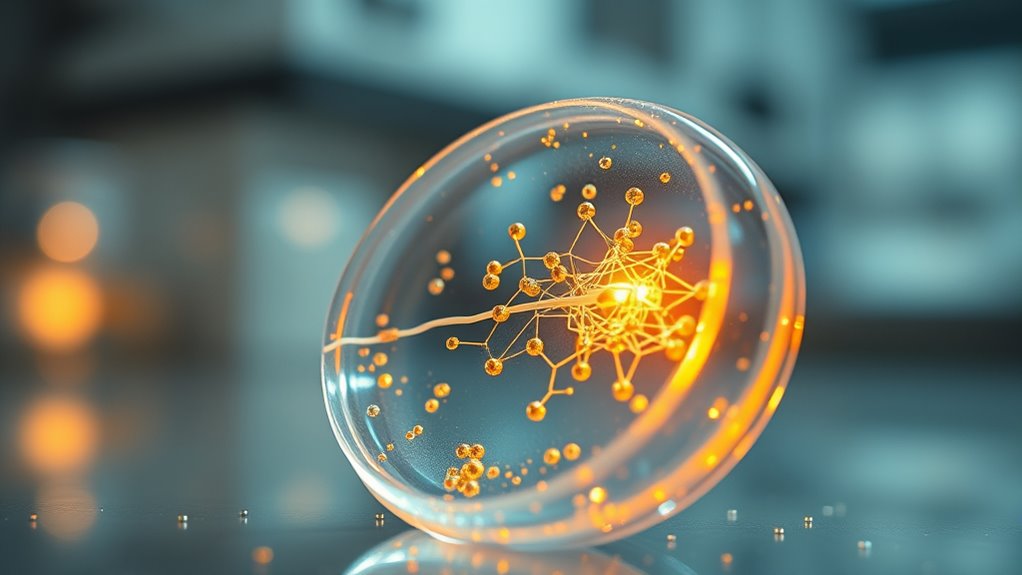
Personalized nanotechnology approaches are transforming medicine by tailoring treatments to individual patient profiles. You can now benefit from therapies customized to your unique genetic makeup, disease markers, and lifestyle factors. Here’s how this innovation is making a difference:
Personalized nanotech is revolutionizing medicine through tailored treatments based on your unique genetic and health profile.
- Targeted drug delivery systems precisely direct medication to diseased cells, minimizing side effects.
- Nanoparticle-based diagnostics identify biomarkers unique to your condition, enabling earlier detection.
- Adaptive nanomaterials adjust treatment intensity based on your real-time response.
- Precision imaging agents improve accuracy in diagnosing and monitoring your health status. Safety protocols in nanomedicine are essential to ensure these advanced solutions are safe, effective, and based on expert recommendations.
The Impact of Nanotech on Organ Transplantation and Rejection Rates
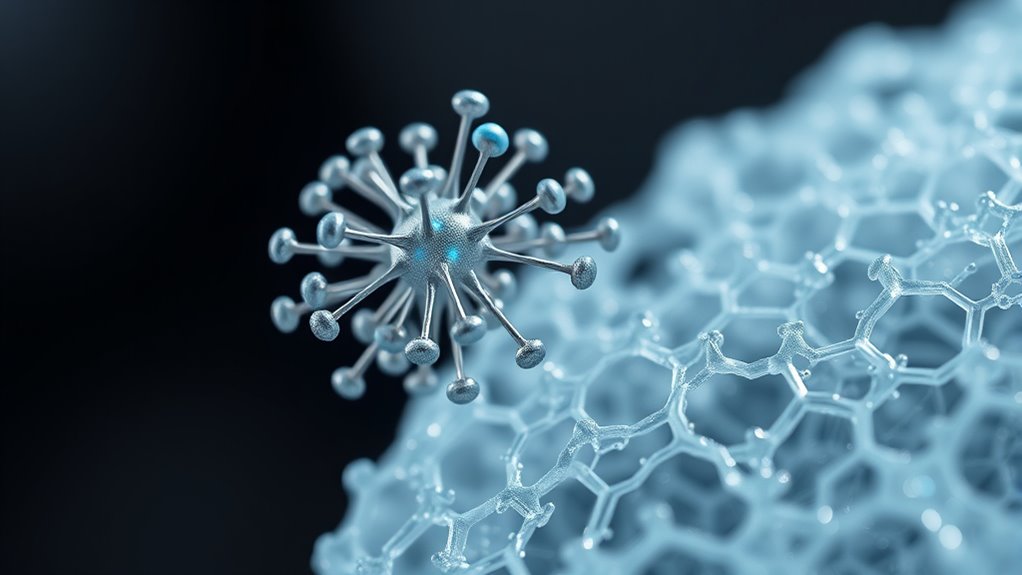
Nanotechnology is revolutionizing organ transplantation by substantially reducing rejection rates and improving patient outcomes. Nanotech-based coatings and scaffolds enable better integration of transplanted organs with recipients’ tissues, decreasing immune responses. Nanoparticles deliver targeted immunosuppressants directly to the transplant site, minimizing side effects. Additionally, nanosensors monitor graft health in real time, allowing early detection of rejection.
| Innovation | Benefit | Impact |
|---|---|---|
| Nanocoatings | Reduce immune attack | Less rejection |
| Targeted delivery | Minimize medication side effects | Safer treatments |
| Nanosensors | Early rejection detection | Improved survival |
| Nanoscaffolds | Enhance tissue integration | Better graft longevity |
| Immunomodulation | Regulate immune response | Fewer complications |
Future Trends: Innovations and Challenges in Medical Nanotechnology

Advancements in medical nanotechnology are driving rapid innovation, but they also present significant challenges that researchers and industry leaders must address. To stay ahead, you should focus on:
Medical nanotech advances fuel innovation but require addressing safety, manufacturing, regulatory, and ethical challenges.
- Developing safer, biocompatible nanomaterials to prevent toxicity and immune reactions.
- Overcoming manufacturing hurdles for large-scale, cost-effective production.
- Steering through complex regulatory pathways for approval and market entry.
- Ensuring data security and privacy as nanotech-enabled diagnostics and devices become more integrated into healthcare.
These trends point toward personalized treatments, smarter diagnostics, and regenerative solutions. Yet, balancing innovation with safety, affordability, and ethical considerations remains crucial. Your efforts will shape the future landscape of nanomedicine, tap into its full potential while tackling emerging hurdles.
Frequently Asked Questions
What Are the Potential Long-Term Safety Concerns of Nanomaterials in Medicine?
You should be aware that long-term safety concerns of nanomaterials in medicine include potential toxicity, immune reactions, and environmental impacts. These tiny particles might accumulate in organs, causing unforeseen health issues over time. Additionally, their interactions with biological systems are not fully understood, which could lead to adverse effects. Ongoing research aims to address these risks, but caution remains essential before widespread adoption of nanomedicine.
How Do Regulatory Agencies Evaluate Nanomedicine Products for Approval?
Regulatory agencies evaluate nanomedicine products by thoroughly reviewing their safety, efficacy, and manufacturing processes. You’ll see them examining detailed data from preclinical and clinical trials, focusing on how nanomaterials interact with the body, potential toxicity, and long-term effects. They also assess quality control measures, labeling, and risk management plans to guarantee products meet strict standards before approval, prioritizing patient safety and effective treatment outcomes.
What Ethical Issues Arise From Using Nanotechnology in Human Treatments?
Imagine if Leonardo da Vinci had access to nanotech—ethical concerns would still be paramount. When you use nanotechnology in treatments, you face issues like long-term safety, unintended side effects, and privacy risks from data collection. You must also consider equitable access, avoiding disparities, and ensuring informed consent. Balancing innovation with morality is essential to prevent misuse and protect patient rights as nanomedicine advances.
How Cost-Effective Are Nanomedicine Therapies Compared to Traditional Methods?
You’ll find nanomedicine therapies to be more cost-effective in the long run because they often improve treatment efficacy, reduce side effects, and enable earlier diagnosis. These benefits can lower overall healthcare costs by decreasing hospital stays and the need for multiple treatments. While initial development and setup may be expensive, the potential for targeted, personalized treatments makes nanomedicine a financially smart choice over traditional methods.
What Challenges Exist in Scaling up Nanotech Production for Widespread Clinical Use?
Scaling specific nanotech production presents significant, systemic struggles. You’ll face fabrication flaws, costly calibrations, and complex contamination control challenges. Consistent, scalable synthesis demands careful control, which can be costly and complicated. Supply chain struggles, strict standards, and regulatory rigor further slow down seamless, scalable synthesis. You must navigate nuanced nuances, ensuring nanomaterials meet meticulous market mandates, all while managing the massive, multifaceted machinery of manufacturing for widespread clinical acceptance.
Conclusion
So, as you marvel at these tiny tech marvels transforming medicine, remember—it’s only a matter of time before nanobots are fixing your every ailment before you even feel sick. Who needs doctors when you’ve got microscopic machines ready to diagnose, treat, and maybe even upgrade your body? Just don’t forget to thank the tiny revolution, because clearly, bigger isn’t always better—except when it comes to the size of your health problems.
Fall Picks
fall essentials
As an affiliate, we earn on qualifying purchases.