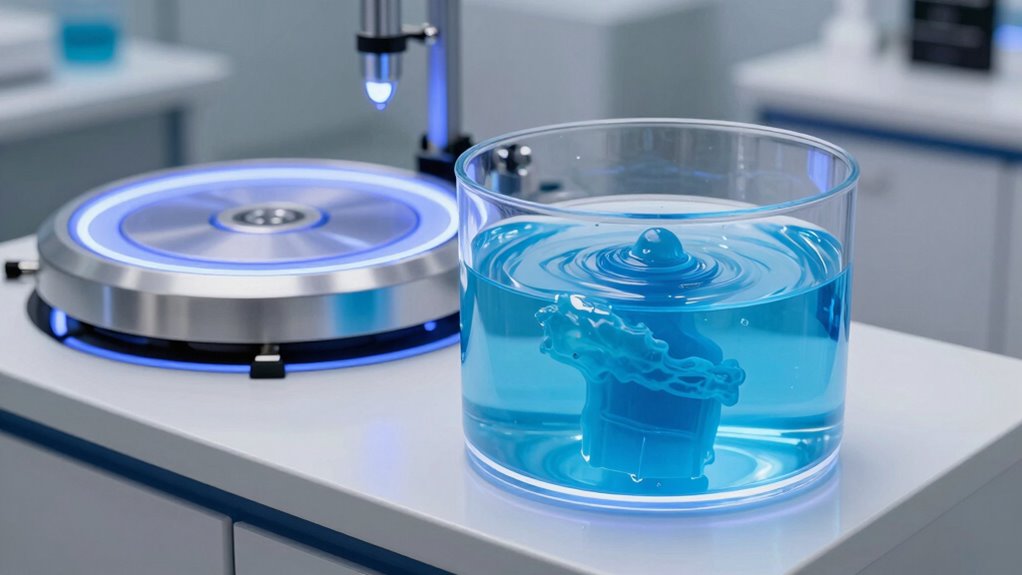

Wash-and-cure stations are essential for resin users because they streamline post-processing, saving you time and effort. They automate cleaning, curing, and even out curing results, leading to better-quality prints with stronger, more durable surfaces. Plus, these stations keep your workspace safer by containing harmful chemicals and reducing exposure. If you want to discover how these tools can improve your printing process and achieve professional results, there’s more to explore ahead.

Get the latest gadgets delivered free — and shop member deals
- Fast, free delivery on millions of items
- Access to Prime Big Deal Days deals on October 6–7
- Prime Video, Amazon Music and more included
Key Takeaways
- They automate cleaning and curing, saving time and reducing manual effort for resin prints.
- Contain residual resin and uncured materials, enhancing safety and minimizing chemical exposure.
- Ensure consistent, high-quality curing results, improving print finish and durability.
- Protect users and workspace by preventing spills and chemical hazards during post-processing.
- Increase productivity and print longevity, making resin printing more efficient and professional.
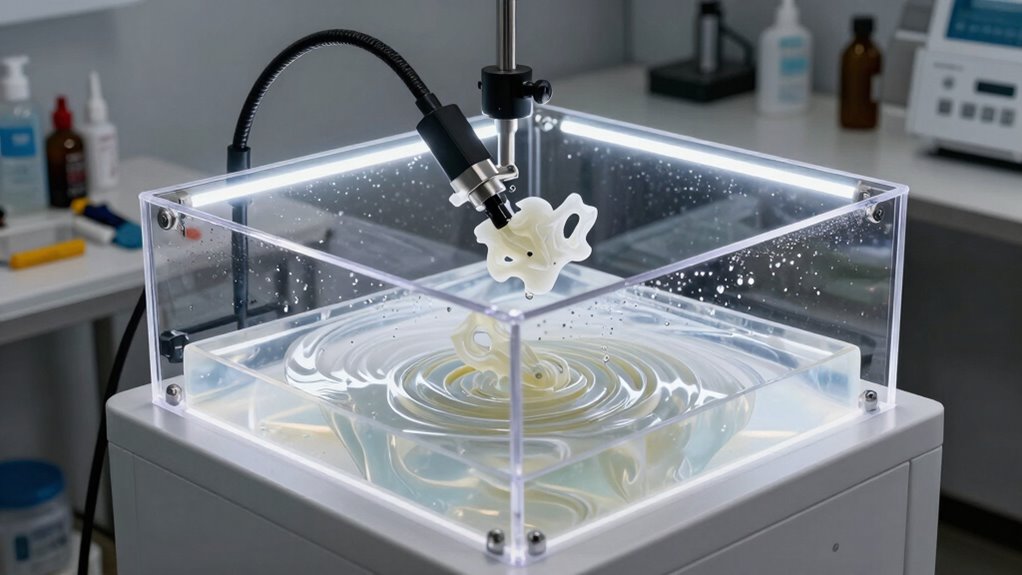
If you’re serious about resin printing, investing in a wash-and-cure station can profoundly improve your workflow and the quality of your prints. These stations streamline the cleaning and curing process, ensuring your prints are safe to handle and look their best. Resin safety is a top priority, as leftover resin and uncured prints can pose health risks. A dedicated wash station minimizes exposure to harmful chemicals by containing the cleaning process within a controlled environment. It also helps you avoid messy spills and accidental skin contact, which is crucial when dealing with toxic or skin-irritating resins. When used properly, a wash-and-cure station reduces the need for direct handling of uncured resin, keeping you safer during post-processing.
Curing techniques are equally enhanced by these stations. Proper curing isn’t just about making your print solid but also about achieving the right finish, color accuracy, and durability. A wash-and-cure station automates and standardizes this process, leading to more consistent results. After washing your print to remove residual resin, a dedicated curing chamber uses UV light or LED arrays to fully harden the surface. This ensures that your objects are not only visually refined but also mechanically stronger. Many stations feature adjustable timers and light intensity settings, so you can fine-tune curing techniques depending on the resin type and print size. Proper curing also reduces tackiness and prevents deformities caused by under-cured resin, which can compromise print longevity. Additionally, proper curing techniques are essential for achieving maximum strength and color fidelity in your prints. Incorporating a controlled curing environment within your workflow can further improve the consistency and quality of your results. Utilizing a dedicated curing chamber can also help prevent contamination and ensure a cleaner post-processing process. It’s also important to note that consistent curing methods play a vital role in maintaining the overall resin safety of your workspace. Using a wash-and-cure station also minimizes the risk of chemical exposure, providing a safer environment for resin handling.
Using a wash-and-cure station also saves you time and effort. Instead of manually scrubbing prints or trying to cure them under a makeshift light source, these devices automate the process, resulting in cleaner, more precise results. You can set the station to run while you attend to other tasks, making your workflow more efficient. Additionally, these stations often come with features like rotating platforms or reflective interior surfaces, which promote even cleaning and curing. This uniformity ensures every part of your print receives adequate resin safety measures and consistent curing, enhancing overall quality.
Ultimately, a wash-and-cure station isn’t just a luxury — it’s a necessity if you want professional-looking, safe, and durable resin prints. It simplifies post-processing, improves resin safety by containing chemicals, and guarantees optimal curing techniques for superior results. With one of these stations, you’re not only protecting yourself from potential hazards but also investing in the longevity and aesthetic quality of your prints. When you adopt a proper post-processing setup, you’ll notice your resin projects become more refined, safer to handle, and quicker to finish.
As an affiliate, we earn on qualifying purchases.
Frequently Asked Questions
How Often Should I Clean My Wash Station?
You should clean your wash station after every resin print to maintain proper resin storage and prevent residue buildup. Regular cleaning ensures safe handling, reduces cross-contamination, and keeps your station functioning properly. For more thorough maintenance, deep clean weekly or bi-weekly, especially if you notice cloudiness or dried resin. Consistent cleaning frequency helps prolong your equipment’s life and keeps your prints high quality.
Can Wash-And-Cure Stations Handle Different Resin Types?
Ever wonder if your wash-and-cure station can handle different resin types? The good news is, many stations are designed for resin compatibility and cleaning compatibility across various resin formulations. However, always check the manufacturer’s guidelines to guarantee your station suits specific resin types, especially when switching between resin brands. Proper cleaning compatibility is key to preventing cross-contamination and maintaining ideal performance for all your resin projects.
Are There Safety Concerns With UV Curing?
Yes, there are safety concerns with UV curing. UV exposure can harm your skin and eyes, so you should always wear protective gear like gloves and goggles. Additionally, chemical safety is vital; guarantee proper ventilation and handle resins and cleaning solutions carefully to prevent inhaling fumes or skin contact. Following manufacturer instructions and safety guidelines helps minimize risks during the curing process.
What’s the Ideal Wash Cycle Duration?
You might wonder how long your wash cycle should be to guarantee perfect resin compatibility and wash cycle efficiency. The ideal duration often falls between 5 to 10 minutes, depending on your resin type and build size. Rushing it can leave residue, while overdoing it wastes time. Pay attention to manufacturer recommendations, but generally, a thorough 8-minute cycle strikes the right balance for clean, safe, and high-quality prints.
Do Wash Stations Require Special Ventilation?
Yes, wash stations require special ventilation. They often emit fumes and odors from resin solvents, so proper air filtration is essential to keep your workspace safe. Many stations include built-in odor control systems and exhaust fans to vent fumes outside. Ensuring effective ventilation not only protects your health but also maintains a clean environment, preventing resin odors from lingering and improving overall safety during your resin curing process.
UV curing station for resin prints
As an affiliate, we earn on qualifying purchases.
As an affiliate, we earn on qualifying purchases.
Conclusion
Now, picture your workspace transformed into a sleek, organized haven where each resin piece emerges pristine and perfectly cured. With a wash-and-cure station, you’re not just cleaning and hardening your prints—you’re creating a seamless flow from chaos to clarity. Imagine the satisfying click of your finished project, shining under a gentle light, ready to showcase your craftsmanship. Investing in this station turns your resin hobby into a smooth, enjoyable process—making every print a masterpiece.
As an affiliate, we earn on qualifying purchases.
As an affiliate, we earn on qualifying purchases.
Fall Picks
fall essentials
As an affiliate, we earn on qualifying purchases.