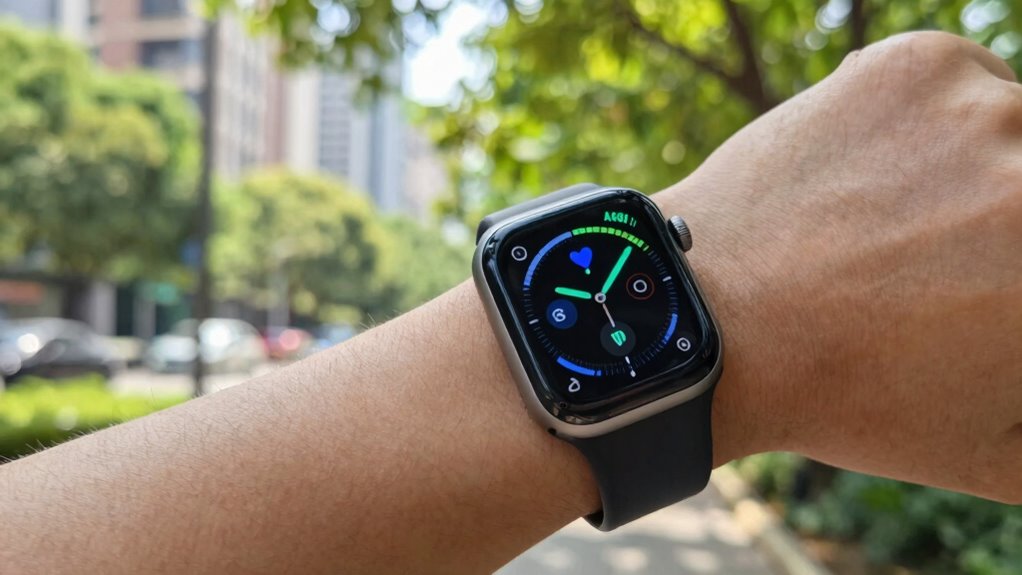

Wearable health tech can transform your daily health management by providing instant access to essential signs, activity, and sleep data. It helps you identify health issues early and encourages proactive choices, making prevention easier. As these devices integrate smoothly into your routine, they motivate ongoing engagement. However, to fully benefit, you need to understand how your data is protected. Stay with us to discover how these innovations are shaping your health future and what you should consider before adopting them.

Get the latest gadgets delivered free with Prime
- Fast, free delivery on millions of items
- Prime Video, Amazon Music and more included
- Member-only deals all year
Key Takeaways
- Wearable health tech enables continuous, real-time monitoring of vital signs for proactive health management.
- It promotes early detection and prevention of health issues, reducing reliance on reactive healthcare.
- Devices support personalized insights, empowering users to make informed lifestyle and health decisions.
- Strong data privacy and security practices are essential to protect sensitive health information.
- Collective data from wearables advances medical research and enhances the development of targeted treatments.

Wearable health technology has revolutionized the way you monitor and manage your well-being. With devices like smartwatches and fitness trackers, you now have instant access to essential health data that was once limited to clinical settings. These tools empower you to take a proactive approach to your health, tracking everything from heart rate and activity levels to sleep quality. As you integrate these devices into your daily routine, you’re likely to notice improvements in your lifestyle and a better understanding of your body’s needs. However, as you adopt this technology, it’s important to consider data privacy. You entrust sensitive health information to these devices and their associated apps, which often store and transmit data over the internet. Ensuring your data remains secure is critical, and you should be aware of the privacy policies of the device manufacturers and app developers. Look for transparent practices and strong encryption standards to protect your information from unauthorized access. This awareness is part of responsible technology adoption, helping you benefit from innovations while safeguarding your personal details.
The promise of wearable health tech extends beyond individual health management. It fosters a shift toward preventive care, where early detection of potential issues becomes more feasible. For example, continuous heart rate monitoring can alert you to irregularities before symptoms appear, prompting you to seek medical advice promptly. This proactive approach can reduce the burden on healthcare systems and potentially save lives. As more people adopt these devices, the collective data can contribute to broader health insights, paving the way for personalized medicine and improved treatments. Your participation in this data-driven ecosystem helps advance medical research, but it also underscores the importance of maintaining strict data privacy standards to protect you from misuse or breaches. Additionally, understanding data security standards is essential for ensuring your health information remains protected amid this technological evolution. Developing awareness about hormesis and how subtle stressors can promote resilience can further enhance your overall wellness journey. Recognizing the role of natural pools in sustainable backyard design can also inspire healthier, eco-friendly environments. Furthermore, staying informed about biosensors and their capabilities can help you better evaluate which devices are most suitable for your needs.
Ultimately, the real promise of wearable health tech lies in its ability to motivate and empower you. When you see tangible results—like improved sleep, increased activity, or better stress management—you’re more likely to stay committed to your health goals. The seamless integration of these devices into your lifestyle makes health tracking less intrusive and more engaging. As technology adoption continues to grow, so does the potential for innovations that make health management even easier and more accurate. Keeping informed about technology-driven health advancements can help you make better decisions about adopting new devices and features. Still, it is important to stay informed about how your data is used and to choose devices that prioritize your privacy. With the right balance of technology adoption and data security, wearable health tech can truly transform how you understand and improve your health every day.
As an affiliate, we earn on qualifying purchases.
Frequently Asked Questions
How Accurate Are Wearable Health Devices Compared to Medical Exams?
Wearable health devices offer useful data, but their accuracy varies depending on device calibration and the type of measurement. While some devices provide reasonably reliable data for heart rate and activity levels, they may not match the precision of medical exams. You should use wearable devices as helpful tools for tracking trends, but always confirm critical health information with professional medical tests for the most accurate results.
What Are the Privacy Concerns With Wearable Health Data?
You should be aware that privacy concerns with wearable health data mainly revolve around data security and user consent. If your device or app doesn’t have strong security measures, your sensitive health information could be vulnerable to hacking or unauthorized access. Also, if you don’t fully understand or agree to how your data is shared or used, you risk compromising your privacy. Always review privacy policies and guarantee your data is protected.
Can Wearable Tech Prevent Serious Health Issues?
You might be surprised, but wearable tech can actually help prevent serious health issues. As you chase fitness motivation, your device’s customization features can alert you to irregular heartbeats or drops in activity, catching concerns early. That coincidence of tech and health becomes a powerful tool, encouraging you to stay proactive. By monitoring essential signs consistently, you’re more likely to catch problems before they escalate, potentially saving your life.
How Long Does Battery Life Typically Last?
Battery life on wearable health tech typically lasts from one to several days, depending on your device and usage. To extend battery life, you can optimize power consumption by adjusting settings like screen brightness, disabling unnecessary notifications, and enabling battery saver modes. Regularly updating your device’s software can also improve battery performance. Being mindful of these factors helps guarantee your wearable stays powered when you need it most.
Are Wearable Devices Suitable for Children or Elderly?
Wearable devices can be suitable for children and the elderly, with safety and usability being key concerns. Studies show that over 80% of parents consider child safety a top priority when choosing wearables. For seniors, devices with simple interfaces and emergency features enhance usability. By focusing on these aspects, you can guarantee that wearables support health monitoring, promote independence, and keep loved ones safe, regardless of age.
As an affiliate, we earn on qualifying purchases.
Conclusion
So, seize the spectacular potential of wearable health tech. With wearable wonders working wisely, you can monitor, manage, and master your health with more motivation and mindfulness. By embracing these breakthroughs, you’ll boost your body’s balance, beat barriers, and become your best beacon of well-being. Remember, the real promise lies in your proactive participation — because when you wear wellness wisely, you wield the power to positively transform your health journey.
As an affiliate, we earn on qualifying purchases.
personal health monitoring device
As an affiliate, we earn on qualifying purchases.
As an affiliate, we earn on qualifying purchases.
Halloween Picks
halloween
As an affiliate, we earn on qualifying purchases.