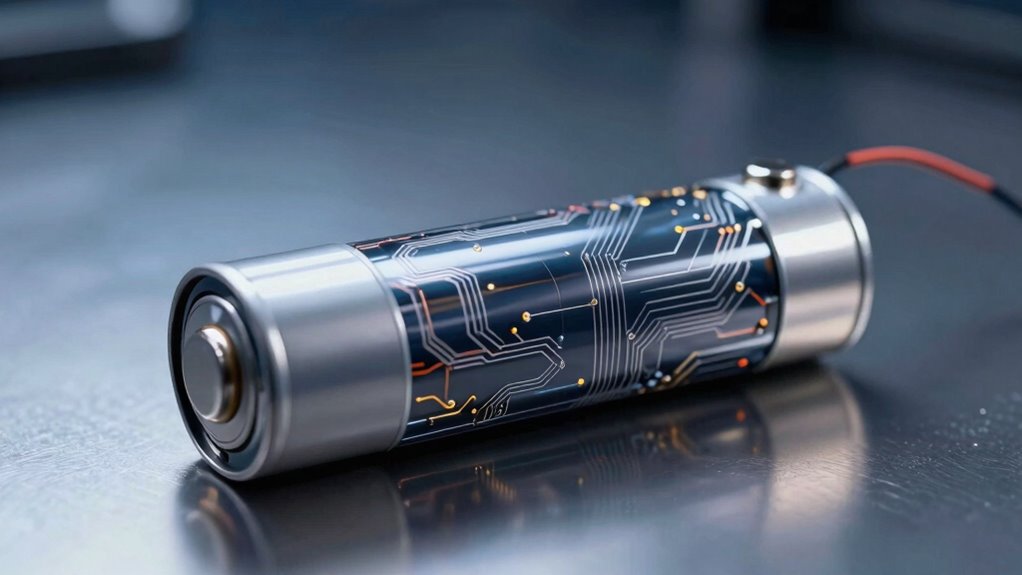

Your innovation is limited by current battery technology because it struggles with energy density, making devices heavier and charging slower. This impacts industries like electric vehicles and portable electronics, forcing compromises in design and performance. Scarcity of materials like lithium and cobalt, along with inefficient recycling, further hampers progress. To break through these barriers, advancements in chemistry and recycling are essential. Keep exploring to discover how future breakthroughs could unleash your full potential.

Get the latest gadgets delivered free — and shop member deals
- Fast, free delivery on millions of items
- Access to Prime Big Deal Days deals on October 6–7
- Prime Video, Amazon Music and more included
Key Takeaways
- Limited energy density restricts device size, driving range, and charging speed, hindering innovation in electric vehicles and portable electronics.
- Complex materials and resource scarcity increase costs and complicate recycling, slowing sustainable battery development.
- Current battery chemistries and designs cannot meet the demands for higher performance, constraining technological progress.
- Inefficient recycling processes and environmental concerns limit raw material availability, affecting future battery innovation.
- Overcoming performance and sustainability hurdles requires breakthroughs in chemistry and scalable recycling technologies.
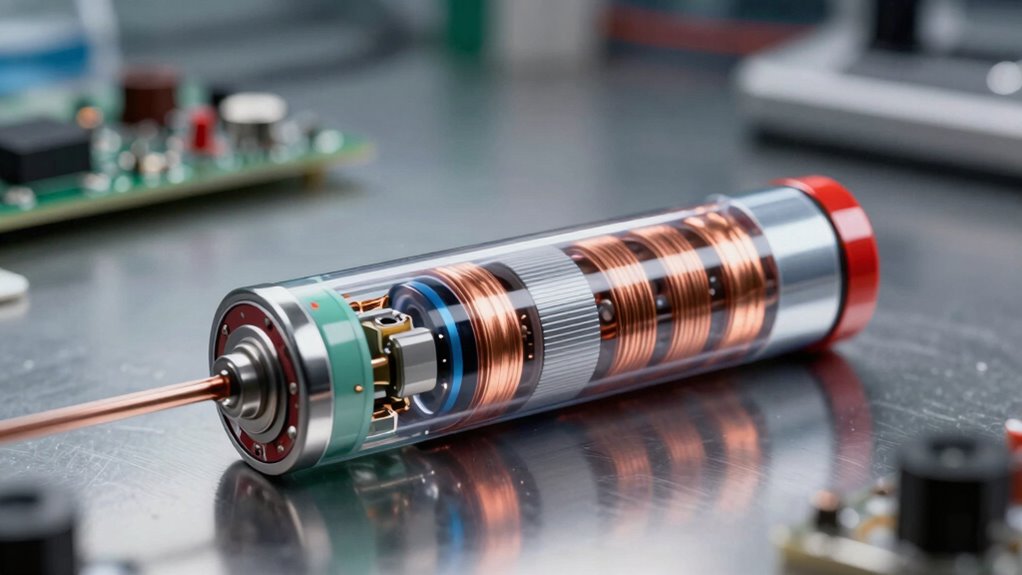
Have battery technology limits been holding back innovation across industries? It’s a question that resonates more than ever as we seek faster, more efficient ways to power our world. At the core of this challenge is energy density, which determines how much energy a battery can store relative to its size and weight. Despite advancements, current batteries still lag behind what’s needed for seamless adoption in sectors like electric vehicles, renewable energy storage, and portable electronics. Limited energy density means longer charging times, shorter driving ranges, and bigger, heavier batteries, which hinder the development of lighter, more efficient products. You might notice that electric cars still can’t match the convenience of gasoline-powered vehicles, partly because batteries don’t pack enough energy into a compact form. This restriction stifles innovation because it forces industries to compromise on design, cost, or performance. Additionally, the complex materials involved in battery manufacturing, such as lithium, cobalt, and nickel, complicate recycling efforts and contribute to resource scarcity. Recycling challenges further complicate the picture. As battery use surges, so does waste, but recycling technology hasn’t kept pace. Many batteries contain complex materials like lithium, cobalt, and nickel, which are essential for performance but difficult and costly to recover efficiently. When recycling isn’t optimized, it creates a double-edged sword: not only do we face environmental concerns over disposal, but we also limit the availability of critical raw materials needed for future battery production. This scarcity drives up costs and slows down the pace of innovation. You might find that manufacturers are hesitant to push the boundaries of battery design when faced with unreliable recycling streams and fluctuating raw material supplies. The challenge isn’t just about creating better batteries but also establishing sustainable, scalable recycling processes that can support a growing market. Developing advanced recycling technology is crucial for addressing these resource limitations and making battery reuse more feasible. Innovation in battery chemistry is also essential to overcoming these limitations and unlocking new performance capabilities. Furthermore, ongoing research into alternative materials and sustainable supply chains holds promise for alleviating resource constraints and supporting long-term growth. All these factors combine to create a bottleneck in technological progress. You can see it in how electric vehicles often fall short in range compared to traditional cars, or how portable electronics are limited by battery size and weight. Until breakthroughs improve energy density and make recycling more efficient, industries will continue to be constrained. The desire for lighter, longer-lasting, and more environmentally friendly batteries remains strong, but current technological limits serve as a barrier. Overcoming these hurdles requires innovation not just in chemistry but also in manufacturing and recycling processes. Until then, the full potential of industries reliant on battery technology will stay just out of reach, holding back the next wave of transformative innovations.
Frequently Asked Questions
What Are the Latest Advancements in Battery Recycling Methods?
You’ll find that recent advancements in battery recycling focus on improving material recovery through innovative processes like hydrometallurgy and direct recycling. These methods support the circular economy by efficiently reclaiming valuable materials, reducing waste, and lowering environmental impact. You can expect to see more scalable and sustainable solutions that enable you to reuse battery components, making the entire lifecycle more eco-friendly and helping to overcome current limitations in battery technology.
How Do Battery Costs Impact Global Renewable Energy Adoption?
You notice how battery costs can make or break renewable energy projects. As prices decrease through cost reduction efforts, adoption accelerates because more people can afford solar and wind storage solutions. A streamlined supply chain also plays an essential role, ensuring batteries are available when needed. When costs drop and supply chains improve, you’re more likely to see widespread renewable energy use, transforming the global energy landscape.
What Are the Environmental Impacts of Battery Manufacturing?
Battery manufacturing can cause environmental pollution through the release of toxic chemicals and heavy metals. You might not realize that resource depletion also occurs, as mining raw materials like lithium, cobalt, and nickel strains ecosystems and depletes finite resources. These environmental impacts pose challenges for sustainable development, urging industries to develop greener methods and improve recycling to minimize pollution and conserve essential resources.
How Long Will Current Battery Technologies Remain Viable?
Current battery technologies will likely remain viable for several more years, typically around 5 to 10, depending on advancements and market demands. You should consider that battery lifespan varies, often lasting 8 to 15 years, but technological obsolescence can accelerate if newer, more efficient options emerge. Staying updated on innovations helps you anticipate when to upgrade, ensuring you benefit from improved performance and sustainability.
What Role Do Governments Play in Advancing Battery Innovation?
Governments act as the wind beneath innovation’s wings, fueling progress with funding and regulatory policies. You benefit when they invest in research, making batteries more efficient and eco-friendly. By setting standards and offering grants, they remove barriers and spark creativity. Their support transforms the landscape, turning raw ideas into powerful solutions. Without such backing, your journey toward advanced, sustainable energy storage would stall, like a boat stranded on a still lake.
Conclusion
You might be surprised to learn that, despite rapid advancements, over 70% of electric vehicle owners cite limited battery range as their top concern. This statistic underscores how current battery tech still hampers innovation, holding back wider adoption of clean energy solutions. Until breakthroughs occur, you’ll continue to face these constraints, making it clear that improving battery technology isn’t just a goal—it’s essential for revealing the full potential of sustainable progress.
Halloween Picks
halloween
As an affiliate, we earn on qualifying purchases.