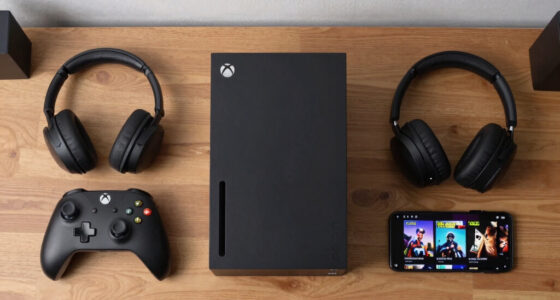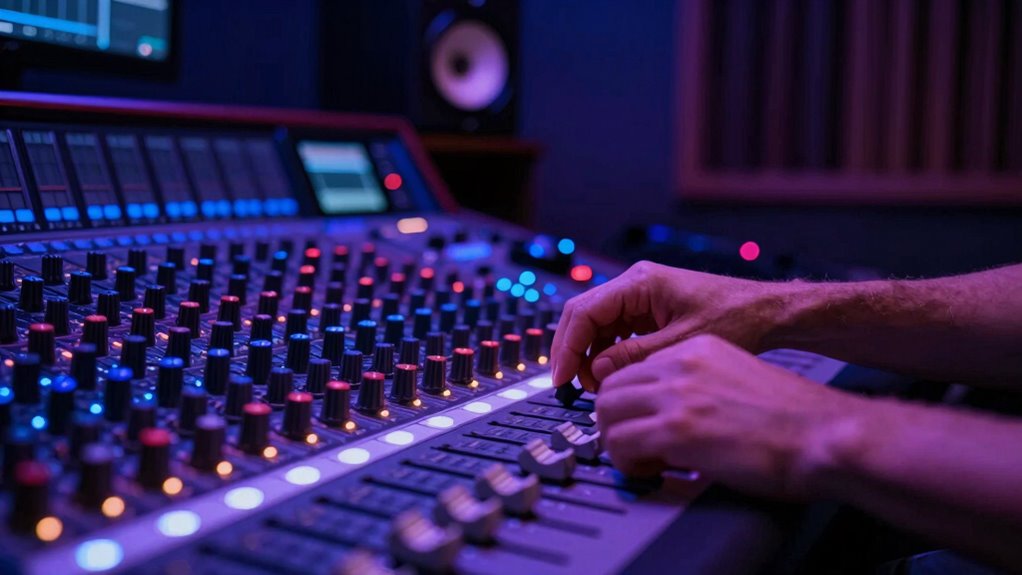

Good audio plays a hidden yet powerful role in shaping your emotional and immersive experience in games and movies. It guides your feelings, heightens suspense, and deepens realism without you even noticing. Expert sound design and engineering seamlessly layer sounds, creating a cohesive environment that enhances storytelling and intensifies moments. When done well, audio subtly influences your perception, making everything feel more authentic and impactful. Keep exploring to discover how these behind-the-scenes elements elevate your experience even further.
Open a free Amazon Business account
Business pricing, bulk buying and tax-exempt orders.
As an affiliate, we earn on qualifying purchases.
Key Takeaways
- Good audio guides emotional responses and heightens immersion without overtly drawing attention.
- Sound design creates realistic environments and authentic details that deepen storytelling.
- Technical audio engineering ensures clarity, balance, and seamless integration of sound elements.
- Innovative sound techniques and trends enhance the overall sensory experience in games and movies.
- Subtle audio cues influence perception, intensify tension, and evoke empathy, enriching narrative impact.
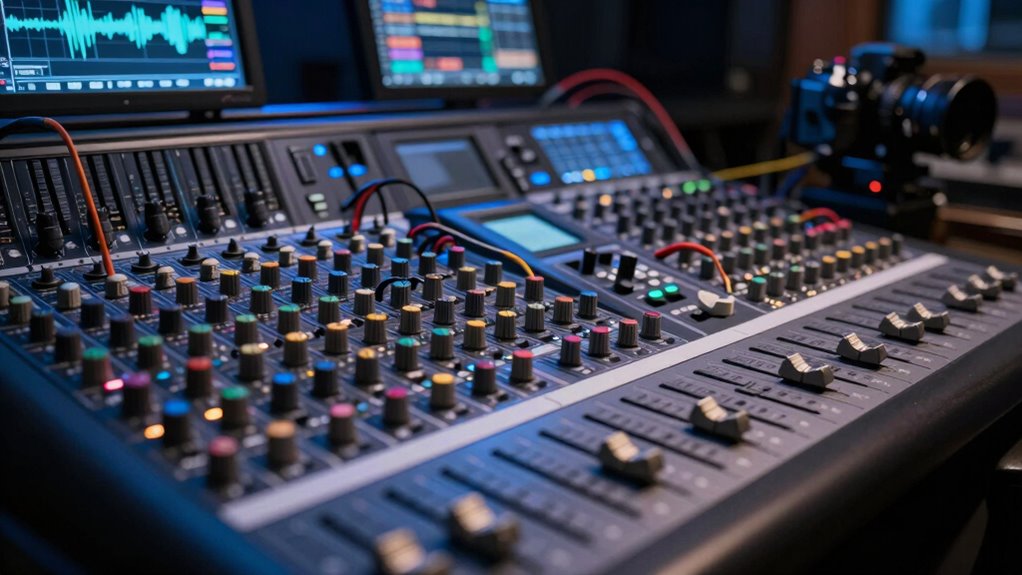
Have you ever noticed how a powerful soundtrack or realistic sound effects can completely draw you into a game or movie? It’s like the audio becomes a silent conductor, guiding your emotions and heightening every moment. This is where sound design and audio engineering come into play, working behind the scenes to craft an immersive experience. Good audio isn’t just about having loud sounds or catchy music; it’s about creating a cohesive environment where every sound serves a purpose. When done well, it influences your perception, making scenes feel more intense, suspenseful, or heartfelt without you even realizing it.
Powerful soundtracks and realistic effects subtly shape your emotions and immersion in games and movies.
Sound design is the art of shaping how sounds are created, manipulated, and integrated into a scene. It’s about making sure each audio element complements the visuals and storytelling. Whether it’s the distant hum of a spaceship or the subtle footsteps of a character sneaking around, every detail matters. As you watch or play, you might not consciously notice how these sounds are crafted, but they add layers of realism and emotional depth. Good sound design ensures that each sound fits perfectly within the environment, whether it’s the clang of a sword or the whisper of wind, making the world feel authentic and alive. Additionally, understanding the importance of sound layering can enhance the overall immersive quality of the audio. Proper audio mixing techniques further ensure that all elements blend seamlessly, creating a more convincing soundscape. Recognizing how hive health impacts a healthy environment can be a useful analogy for understanding how different layers of sound work together to support the overall experience.
Furthermore, staying updated on market trends in audio technology can inspire innovative approaches to sound design and engineering, elevating the quality of the final product.
Audio engineering, on the other hand, focuses on the technical side—recording, mixing, and mastering sounds to achieve clarity and balance. You might think of it as the process that polishes raw sounds into a seamless audio experience. Skilled audio engineers adjust levels, add effects, and synchronize sounds precisely with visuals. When done correctly, it feels effortless; you simply get lost in the story without distraction. Good audio engineering ensures that dialogue is clear, sound effects aren’t overpowering, and music enhances rather than distracts. It’s about creating a cohesive soundscape that supports the narrative rather than overshadowing it.
Together, sound design and audio engineering shape the auditory landscape that surrounds you in games and movies. They work as a team to evoke emotions, set moods, and guide your focus. When these elements are executed with precision, they transform a simple story into an unforgettable experience. Your subconscious picks up on these cues, heightening tension or evoking empathy, all without you realizing how much sound influences your perception. In the end, good audio isn’t just an accessory; it’s a crucial part of storytelling that makes every moment feel more real, more immersive, and more impactful.
high-quality gaming headset with surround sound
As an affiliate, we earn on qualifying purchases.
As an affiliate, we earn on qualifying purchases.
Frequently Asked Questions
How Does Good Audio Influence Player Emotions During Gameplay?
Good audio deeply influences your emotions during gameplay by creating emotional resonance, making scenes more immersive and intense. It can evoke feelings similar to sound therapy, helping you relax, tense up, or feel excitement. Through strategic sound design, audio guides your emotional response, heightening tension or relief. This emotional connection keeps you engaged, making the experience memorable and ensuring that your feelings align perfectly with the unfolding story or gameplay moments.
What Are the Latest Technologies Used in Immersive Sound Design?
Ever wonder how immersive your sound experience can get? Modern technologies like 3D audio and binaural recording create lifelike soundscapes, placing you right in the action. These advancements allow sound designers to craft spatial audio that reacts to your movements, heightening realism. By leveraging these tools, you’re enveloped in a world where every whisper and explosion feels startlingly authentic, making your experience more intense and emotionally engaging.
How Do Sound Designers Create Realistic Environmental Sounds?
Sound designers create realistic environmental sounds by using ambient layering to build a rich, immersive atmosphere. They record or synthesize various sound textures and blend them seamlessly. Spectral analysis helps them identify and manipulate specific frequencies, ensuring each sound element fits naturally within the scene. This meticulous process results in authentic environmental audio, enhancing the viewer’s or player’s sense of presence and making the environment feel alive and believable.
What Challenges Do Audio Engineers Face in Synchronizing Sound With Visuals?
You face the challenge of aligning voices perfectly with on-screen actions, like a conductor syncing music to an orchestra. You meticulously work on voice alignment, ensuring dialogue matches actors’ lip movements and gestures. Noise reduction helps clear background distractions, but balancing clarity without losing ambiance is tough. You juggle these elements, weaving sound and visuals into a seamless tapestry, creating an immersive experience that feels both natural and mesmerizing.
How Does Audio Quality Impact Viewer Retention in Movies?
You’ll find that high-quality audio markedly boosts viewer retention by creating immersive experiences. Sound symbolism helps evoke emotions, making scenes more memorable, while audio branding reinforces the movie’s identity. When sound is clear and well-designed, you stay engaged longer, as the audio cues guide your attention and reinforce storytelling. Poor audio quality can break immersion, causing you to lose interest quickly. Good audio truly keeps you hooked from start to finish.
studio monitor speakers for audio engineering
As an affiliate, we earn on qualifying purchases.
As an affiliate, we earn on qualifying purchases.
Conclusion
Think of good audio as the unseen wind guiding your ship through foggy waters. It shapes your journey, whispers secrets, and heightens every emotion without stealing the spotlight. Without it, your adventure feels hollow, like sailing blindfolded. When sound works seamlessly, it’s as if you’re gliding on clear skies, effortlessly immersed in the story. Remember, the true magic lies in what you don’t see—because sometimes, the quietest voices make the loudest impact.
sound design headphones for movies and games
As an affiliate, we earn on qualifying purchases.
As an affiliate, we earn on qualifying purchases.
audio mixing and mastering software
As an affiliate, we earn on qualifying purchases.
As an affiliate, we earn on qualifying purchases.
NFL season / tailgating Picks
team gear
As an affiliate, we earn on qualifying purchases.