
Gaming hardware gets expensive fast because of rapid advancements in technology, like better VR headsets and powerful graphics cards, which drive up costs. Supply chain disruptions and shortages, especially of components like chips, make high-end hardware harder to find and more expensive. Manufacturers also charge premium prices due to ongoing innovation and limited availability. If you want to understand why prices stay high and what to expect, keep exploring these factors in more detail.

Get the latest gadgets delivered free with Prime
- Fast, free delivery on millions of items
- Prime Video, Amazon Music and more included
- Member-only deals all year
Key Takeaways
- Rapid technological advancements increase hardware capabilities, raising production costs and retail prices.
- Global chip shortages limit supply, driving up prices of graphics cards and other components.
- High demand from gamers and VR enthusiasts sustains elevated prices and scarcity.
- Supply chain disruptions hinder component availability, further inflating hardware costs.
- Continuous innovation and scarcity create a “perfect storm,” making gaming hardware increasingly expensive quickly.
In recent years, gaming hardware prices have skyrocketed, making it harder for enthusiasts to keep up with the latest technology. One of the biggest reasons for this surge is the rapid pace of VR headset advancements. Virtual reality has become more immersive and accessible, pushing manufacturers to develop more sophisticated hardware. As a result, new VR headsets often come with cutting-edge features like higher resolutions, faster refresh rates, and improved tracking systems. These innovations drive up costs, and because demand for the latest VR tech is high, prices stay inflated. You might find that upgrading to a new VR headset now costs significantly more than just a few years ago, even as the technology improves your experience.
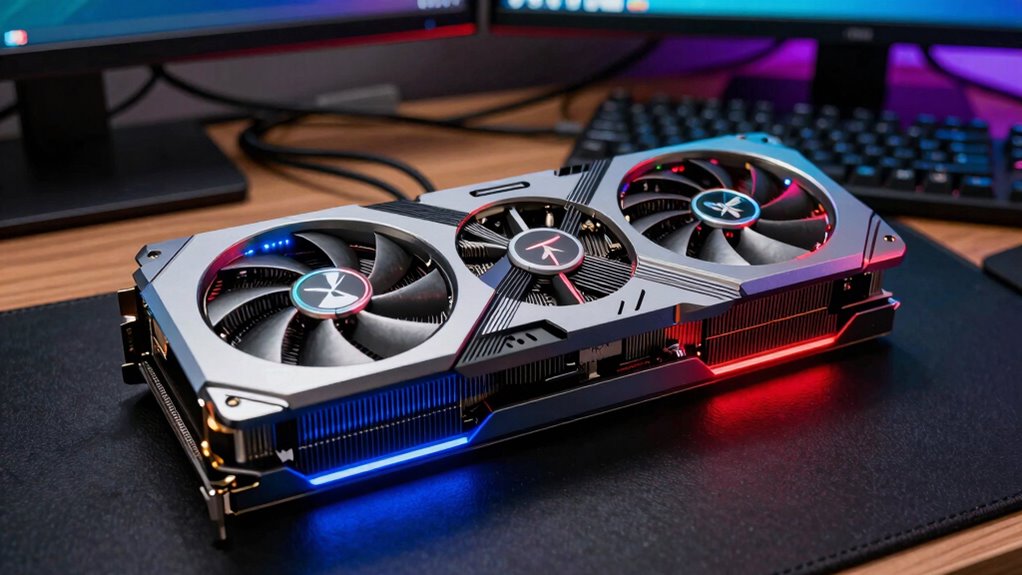
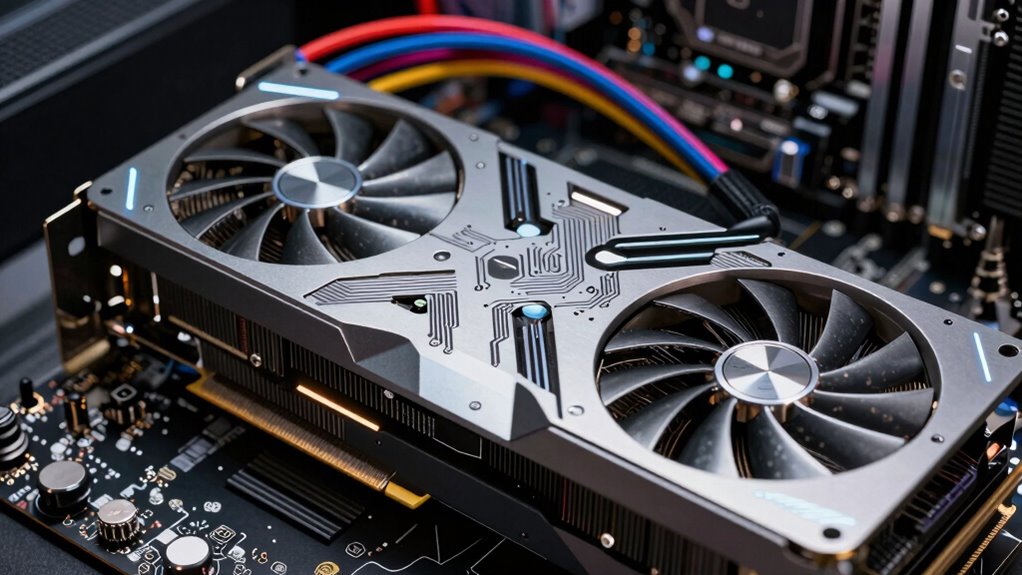
At the same time, graphics card shortages have played a major role in driving up hardware prices. The global chip shortage, caused by supply chain disruptions and increased demand, has limited the availability of high-end graphics cards. This scarcity makes it difficult to find cards at retail prices, and when they are available, they often sell for double or triple their original MSRP. As a gamer, you’ve probably noticed that the cost of upgrading your GPU has skyrocketed. High demand from cryptocurrency miners and stock shortages have only worsened the situation, forcing many to pay premium prices or settle for outdated hardware.
The combination of these factors creates a perfect storm that pushes gaming hardware prices higher and higher. When new VR headsets hit the market with better displays and more features, their prices reflect the investment needed to develop such advanced technology. Meanwhile, graphics card shortages mean that manufacturers and retailers can charge more, knowing gamers are eager to upgrade despite the costs. These trends make it clear that the pace of innovation, while exciting, comes with a hefty price tag. You’re paying not just for better graphics or a more immersive VR experience but also for the supply chain issues and market dynamics that keep prices elevated. Additionally, supply chain disruptions have significantly contributed to the scarcity and high prices of components.
In essence, the ongoing advancements and supply shortages are intertwined drivers of rising costs. As technology continues to evolve rapidly, and supply struggles persist, expect gaming hardware prices to stay high. If you’re looking to upgrade, it’s wise to stay patient and keep an eye on market trends, as these factors will influence how much you’ll need to spend in the near future. Ultimately, the combination of innovation and scarcity explains why gaming hardware gets expensive so fast.
Products Worth Considering

LG UltraGear 27-Inch QHD OLED Gaming Monitor, 240Hz, 0.03ms, G-SYNC Compatible, FreeSync Premium Pro, HDMI 2.1

Samsung 27-Inch Odyssey QD-OLED G8 4K 240Hz Gaming Monitor

LG 34GX90SA-W 34-inch Ultragear WQHD OLED Curved Gaming Monitor
As an affiliate, we earn on qualifying purchases.
Frequently Asked Questions
How Do Currency Fluctuations Affect Gaming Hardware Prices?
Currency fluctuations directly impact gaming hardware prices because exchange rates change unpredictably due to currency volatility. When your local currency weakens against the currency used for manufacturing and importing, prices rise because importing costs increase. Conversely, if your currency strengthens, prices may drop. This constant fluctuation causes manufacturers and retailers to adjust prices frequently, making gaming hardware more expensive or cheaper depending on the current exchange rate and currency volatility.
Are There Specific Brands That Consistently Increase in Price?
Think of certain brands as tide changers that swell prices over time. You’ll notice brands like NVIDIA and AMD often see consistent price hikes due to high demand and limited supply. Brand loyalty keeps you buying their latest, but it can also mean paying more for product longevity and cutting-edge features. Staying informed helps you spot when prices rise, so you can decide whether to wait or buy now.
How Do Tariffs Impact Gaming Hardware Costs Globally?
Tariffs increase gaming hardware costs globally by adding import taxes that manufacturers and retailers must pay. When trade agreements change or tariffs rise, these extra costs get passed onto you, making consoles and components more expensive. Countries with strict import taxes face higher prices, while trade agreements can sometimes lower costs. So, tariffs directly impact the price you pay for gaming hardware across different regions.
What Role Does Component Scarcity Play in Pricing?
You’re caught in a storm of component scarcity, where supply chain disruptions and manufacturing delays tighten the supply like a vice. This scarcity acts like a drought, drying up the flow of essential parts. As demand stays high, prices skyrocket because manufacturers scramble to source limited components. Your gaming dreams are held hostage by this scarcity, making hardware more expensive as the world’s supply chain struggles to keep pace with enthusiastic gamers.
Do Retailers Mark up Prices During New Product Launches?
Yes, retailers often mark up prices during new product launches. They understand that launch day premiums attract enthusiastic buyers willing to pay more for the latest hardware. Retailer pricing can be inflated initially, especially when demand is high and stock is limited. As a result, you might notice higher prices right at launch, but they typically stabilize over time as supply increases and demand levels off.
Conclusion
So, next time you’re eyeing that shiny new gaming rig, remember—gaming hardware prices can skyrocket faster than a rocket to the moon! Supply chain issues, chip shortages, and constant tech upgrades fuel the frenzy, making it feel like you’re chasing a moving target. Keep your wallet ready and your gaming dreams alive, because if you blink, you might miss out on the latest gear that’s more elusive than a mythical creature. Stay sharp and game on!