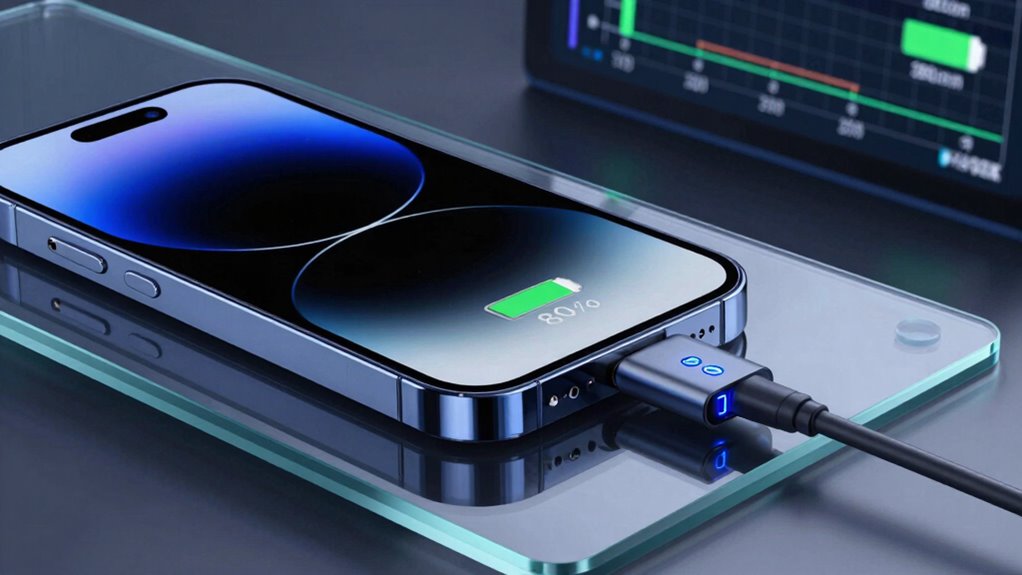

Fast charging can speed up your battery’s chemical breakdown and generate heat, which accelerates wear and reduces its overall capacity over time. While safety features help limit damage, frequent quick charges still contribute to long-term degradation. Managing temperature and avoiding full drain can help prolong your battery’s life. If you keep mindful about when and how you use fast charging, you’ll get the most out of your device. Stay with us to learn more about protecting your battery.

Get the latest gadgets delivered free — and shop member deals
- Fast, free delivery on millions of items
- Access to Prime Big Deal Days deals on October 6–7
- Prime Video, Amazon Music and more included
Key Takeaways
- Fast charging accelerates battery chemical wear and heat buildup, leading to faster capacity decline over time.
- Proper temperature management during charging is essential to prevent thermal damage and preserve battery longevity.
- Using moderate or slower charging speeds helps reduce stress and prolong overall battery health.
- Repeated fast charging without moderation can significantly reduce a battery’s lifespan and capacity.
- Balanced charging practices, including avoiding full drains, extend battery reliability and device lifespan.
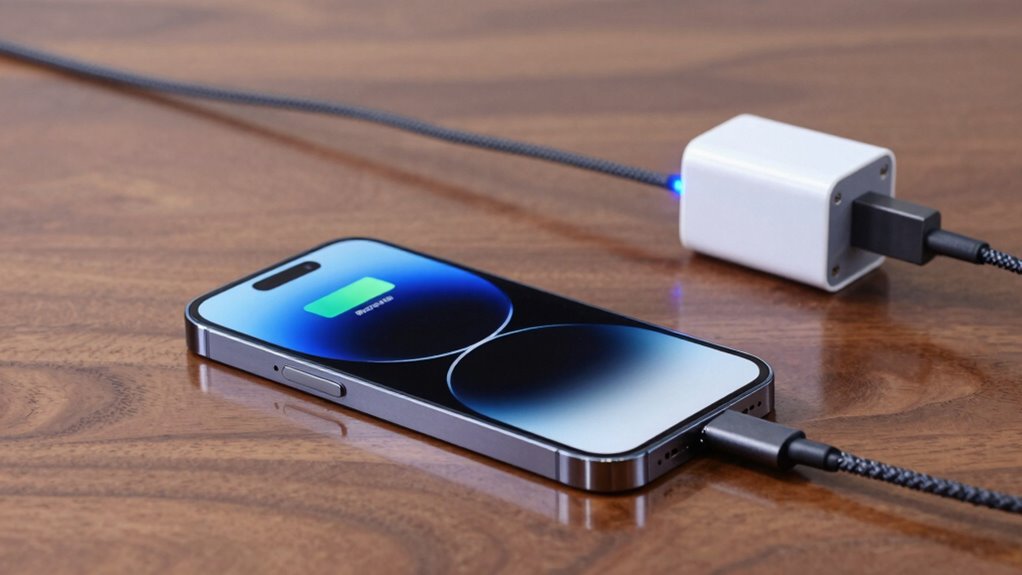
Fast charging has become a popular feature, promising to power up your device quickly and get you back to using it sooner. It’s a convenience many of us rely on, especially when we’re in a rush or forget to charge overnight. But as you embrace faster charging speeds, it’s worth understanding how this impacts your device’s long-term battery health. The key concern revolves around charging speed and its influence on battery degradation over time. While quick charges save you time, they can also accelerate the wear and tear inside your battery, leading to a gradual decline in overall capacity.
Fast charging offers convenience but can accelerate battery wear and reduce long-term capacity. Use it wisely.
Battery degradation occurs when the chemical components inside the battery break down after repeated charge cycles. Fast charging pushes higher currents into your battery faster than regular charging, which can increase heat levels. Heat is one of the main enemies of battery health, as it speeds up chemical reactions that cause the battery to wear out. When you frequently opt for high-speed charging, you might notice that your device’s battery capacity diminishes faster than expected, meaning it won’t hold a charge as long as it used to.
You may think that a few rapid charges here and there won’t make much difference, but over months and years, the impact adds up. Manufacturers often include safety measures to mitigate damage from fast charging, such as limiting current flow or reducing charging speed once the battery reaches a certain percentage. However, these protective features aren’t foolproof. Consistently using the fastest charging modes can still lead to increased heat and stress on the battery, contributing to faster degradation. Additionally, newer fast charging standards aim to improve this balance by better controlling power delivery to extend battery lifespan. Understanding battery chemistry can help you appreciate how different technologies impact longevity.
It’s also helpful to recognize that temperature management during charging plays a crucial role in preserving battery health, as overheating can significantly accelerate degradation. Proper thermal regulation in charging systems is essential to prevent excess heat buildup, which can otherwise damage the battery. It’s important to remember that not all fast charging technologies are equally harsh. Some newer standards are designed to balance charging speed with battery longevity by controlling power delivery more precisely. If you’re concerned about long-term health, sticking to moderate charging speeds when possible can help extend your battery’s lifespan. Also, avoid letting your battery drain completely or stay at 0% for long periods, as deep discharges and high charge levels can also hasten degradation. Using the right charging habits that prioritize moderate speeds and avoiding extreme states of charge can further help preserve your device’s battery health over time.
In the end, while fast charging offers undeniable convenience, it’s wise to use it judiciously. You don’t need to avoid it altogether, but being mindful about when and how often you use rapid charging can make a significant difference in preserving your device’s battery health over time. Balancing charging speed with good battery habits will ensure your device remains reliable and efficient for years to come.
As an affiliate, we earn on qualifying purchases.
Frequently Asked Questions
Does Fast Charging Damage Specific Types of Batteries More Than Others?
Fast charging can damage certain battery chemistries more than others, especially if they’re not designed for high charging speeds. Lithium-ion batteries, common in smartphones and laptops, generally handle fast charging well, but older or specialized chemistries might degrade faster with rapid charging. Your device’s battery chemistry determines how well it tolerates fast charging, so always check manufacturer recommendations to avoid long-term damage.
Can Software Updates Improve Battery Health During Fast Charging?
Yes, software updates can improve battery health during fast charging. These updates often include refined charging algorithms that enhance charging speeds and reduce stress on your battery, preventing overcharging and overheating. They also enhance battery calibration, ensuring accurate power readings. By keeping your device’s software current, you help maintain peak battery performance and longevity, even with frequent fast charging, making your device more reliable and extending its lifespan.
How Does Ambient Temperature Influence Fast Charging Effects?
Ambient temperature considerably impacts fast charging because thermal management becomes essential. When temperatures are too high or too low, battery health can suffer. Temperature sensors help monitor these conditions, allowing your device to adjust charging speed accordingly. If the environment is too hot, the device may slow down charging to prevent damage. Conversely, cooler temperatures generally support safer, more efficient fast charging, preserving your battery’s longevity.
Are There Brands That Optimize Fast Charging for Better Longevity?
Some brands, like Samsung and Apple, truly push the envelope with battery calibration and charging speed optimization, making your battery last longer even with fast charging. They design their devices to reduce heat and stress during rapid charging, which can substantially improve long-term health. While no brand is perfect, choosing devices with smart charging features helps protect your battery’s longevity, turning fast charging from a potential enemy into a helpful tool.
What Are the Best Practices for Maintaining Battery Health During Fast Charging?
To sustain battery health during fast charging, you should practice proper charging cycle management by avoiding frequent full charges and instead topping up when needed. Additionally, perform regular battery calibration by fully charging and discharging your device periodically to guarantee accurate battery readings. Keep your device in a cool environment, and avoid using it heavily while charging. These steps help preserve battery longevity and optimize performance over time.
thermal management charging device
As an affiliate, we earn on qualifying purchases.
As an affiliate, we earn on qualifying purchases.
Conclusion
Think of your battery like a delicate garden. Fast charging is like a sudden storm — it might give you quick results, but over time, it can damage your plants. To keep your garden thriving, you need gentle watering and patience. Similarly, slow charging nurtures your battery’s health, ensuring it blooms long-term. Embrace the steady, mindful approach, and your device’s battery will flourish, offering reliable performance day after day.
As an affiliate, we earn on qualifying purchases.
battery health monitoring device
As an affiliate, we earn on qualifying purchases.
As an affiliate, we earn on qualifying purchases.
Fall Picks
fall essentials
As an affiliate, we earn on qualifying purchases.