A phone feels faster when its hardware and software work seamlessly together, delivering quick responses, smooth animations, and efficient power use. Optimized resource management reduces background processes that slow things down, while a responsive UI minimizes delays in touch and animation. Good software efficiency guarantees sustained performance, and simple, well-designed interfaces improve perceived speed. If you keep exploring, you’ll uncover even more ways to boost your phone’s responsiveness and overall feel.

Get the latest gadgets delivered free with Prime
- Fast, free delivery on millions of items
- Prime Video, Amazon Music and more included
- Member-only deals all year
Key Takeaways
- Efficient resource and battery management reduce background tasks, maintaining system responsiveness.
- Optimized user interface design ensures quick, smooth interactions and minimal lag.
- Software that fully utilizes hardware capabilities sustains consistent, high performance.
- Seamless animations and rapid feedback enhance perceived speed and responsiveness.
- Effective background process management prevents system slowdown and preserves fluidity.
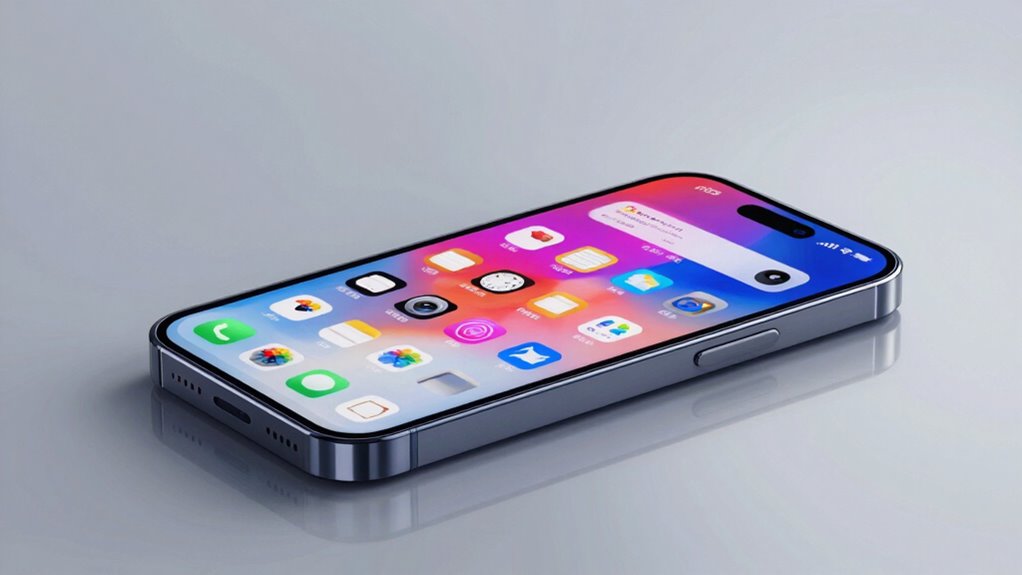
When you pick up two phones with similar specs, one often feels faster and more responsive than the other, even if their technical details are close. This difference largely comes down to how the device manages its resources and how smooth the user experience is designed to be. For instance, battery optimization plays a big role. Phones that efficiently manage power consumption tend to keep background processes in check, reducing lag caused by unnecessary tasks running simultaneously. When a phone conserves energy effectively, it prevents the system from slowing down due to overworked components, making interactions feel quicker. On the flip side, a device that isn’t optimized for battery life might experience background app refreshes or throttled performance, which can make it feel sluggish even with similar hardware.
Another critical factor is user interface design. A clean, intuitive interface responds more swiftly to your inputs because it’s built to minimize delays. Good UI design streamlines animations, progression, and touch responses, making every tap and swipe feel seamless. When a phone’s interface is cluttered or poorly optimized, it can introduce lag or stutter, even if the device has powerful internals. Think about how smooth animations and quick feedback make your interactions feel more natural and immediate. A well-designed interface also prioritizes essential functions, reducing unnecessary processes that might bog down the system. This focus on simplicity not only improves responsiveness but also enhances your overall perception of speed. Additionally, software efficiency plays a crucial role in ensuring that hardware capabilities are fully utilized without unnecessary strain. Ensuring that the device maintains consistent performance optimization helps preserve the feeling of speed over time, regardless of usage. Moreover, well-implemented resource management strategies contribute significantly to maintaining a responsive user experience. Furthermore, sound design can influence perceived speed by providing auditory cues that reinforce quick responses.
smartphone performance optimization tools
As an affiliate, we earn on qualifying purchases.
As an affiliate, we earn on qualifying purchases.
Frequently Asked Questions
Does Software Optimization Impact Perceived Phone Speed?
Yes, software optimization impacts perceived phone speed. When your phone receives regular software updates, they often include bug fixes and performance improvements that make apps run smoother. Better app performance reduces lag and delays, so your device feels faster. Optimized software efficiently manages resources, processes tasks quickly, and minimizes background activity, giving you a seamless experience. Keeping your software updated is key to maintaining a faster, more responsive phone.
How Does Screen Refresh Rate Affect User Experience?
Higher screen refresh rates enhance display smoothness, making animations and scrolling feel more fluid. This directly affects your frame rate perception, giving you a more responsive and seamless experience. When the refresh rate is higher, your phone updates images more frequently, reducing motion blur and lag. As a result, interactions feel quicker and more natural, improving overall user experience and making your device seem faster even if internal specs are similar.
Can Background Apps Slow Down Phone Responsiveness?
Background apps can slow down your phone like traffic jams on a busy highway. They consume resources, causing battery drain and affecting responsiveness. When you run multiple apps, your device struggles to keep everything flowing smoothly, leading to lag and sluggishness. Closing unnecessary apps frees up RAM and processing power, making your phone feel quicker. So, limiting background multitasking helps maintain a snappy, responsive experience.
What Role Does Storage Type Play in Speed Perception?
Storage type considerably impacts your phone’s speed perception. Using faster storage, like UFS or SSD, with higher read/write speeds, allows apps and data to load quickly, making your phone feel more responsive. Larger storage capacity helps prevent slowdowns caused by clutter or limited space. When your phone uses slower storage types, it takes longer to access data, which can make everything seem sluggish, even if the hardware is otherwise capable.
Do User Habits Influence How Fast a Phone Feels?
Your user habits definitely influence how fast your phone feels. When you frequently multitask or have many apps running in the background, your device may slow down, making it seem less responsive. Effective app management—closing unused apps and limiting background activity—can improve speed. By staying organized and avoiding unnecessary multitasking, you help your phone operate smoothly, ensuring a faster, more responsive experience.
battery management apps for Android
As an affiliate, we earn on qualifying purchases.
As an affiliate, we earn on qualifying purchases.
Conclusion
So, now you know what makes one phone feel faster than another. It’s not just about raw specs; it’s how those features come together, like a well-oiled machine. When you choose a device with a smooth interface, quick processing, and optimized software, you’re setting yourself up for a seamless experience. Remember, the devil is in the details, so don’t overlook the little things that can make your phone feel snappy and responsive — it’s all in the fine print.
As an affiliate, we earn on qualifying purchases.
As an affiliate, we earn on qualifying purchases.
Halloween Picks
halloween
As an affiliate, we earn on qualifying purchases.