
📊 Full opportunity report: What’s Next For AI In Education? More U.S. Districts Embrace ChatGPT on ThorstenMeyerAI.com — validation score, market gap, and execution plan.
TL;DR
OpenAI is broadening access to its ChatGPT for Teachers workspace across additional U.S. school districts. The move aims to embed AI tools into daily teaching routines, potentially transforming lesson planning and grading. Details on specific districts and long-term impacts remain unclear.
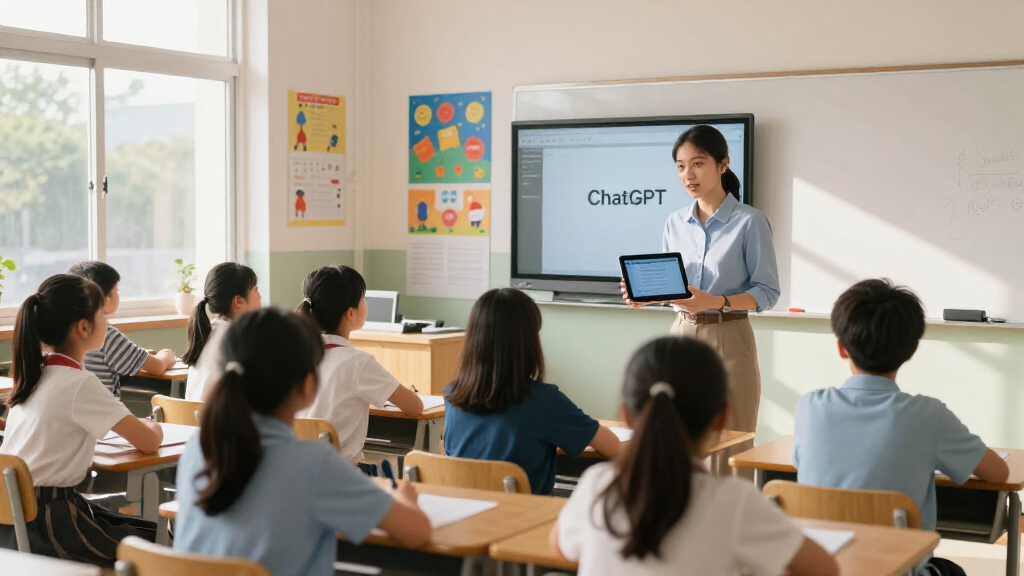
OpenAI has announced the expansion of ChatGPT for Teachers to more school districts across the United States, marking a significant increase in AI adoption in K-12 education. For more details, see the original analysis. The move aims to embed AI tools directly into teachers’ workflows, offering free, specialized resources designed to support lesson planning, grading, and student feedback. This initiative is part of a broader trend covered in the original analysis. This development signals a shift from pilot programs to broader district-level deployment, with the potential to influence daily classroom practices nationwide.
OpenAI’s ChatGPT for Teachers is a dedicated AI workspace tailored for educators, providing access to advanced AI models and features specifically designed for classroom tasks. The platform allows teachers to draft lesson plans, create quizzes, adapt reading levels, and give feedback on student writing, all within a shared, managed environment that districts can provision for their staff. Learn more about how AI is transforming education in this detailed report. According to OpenAI, the expansion is driven by increasing demand from teachers already using these tools to save time on administrative and preparatory work, enabling more focus on instruction.
The announcement indicates that OpenAI is moving beyond early pilots and partnerships toward district-wide adoption. However, specific details—such as which districts are involved, the number of teachers affected, and the timeline for full rollout—remain undisclosed. The company emphasizes that the tools are designed for teacher use, with active policy debates ongoing about AI’s role in student-facing activities, which the platform explicitly separates from student use.
Impact of AI Integration on Classroom Workflows
The expansion of ChatGPT for Teachers signifies a potential transformation in how educators manage their workload. By automating tasks like lesson planning, grading, and content differentiation, AI tools could reduce teachers’ administrative burden, allowing more time for direct student engagement. For districts, this raises questions about cost, data privacy, and equity, especially as reliance on a single vendor’s platform increases. The move also intensifies competition among AI providers vying for a foothold in education, positioning OpenAI as a leading choice for teacher-focused AI solutions.
AI-powered lesson planning software for teachers
As an affiliate, we earn on qualifying purchases.
As an affiliate, we earn on qualifying purchases.
Background on AI Adoption in Education
Since the launch of ChatGPT in late 2022, schools and districts have grappled with integrating AI into classrooms amid concerns about academic integrity and equitable access. Early reactions included outright bans and restrictions, but over time, many districts have begun exploring structured adoption, especially for teacher use. OpenAI’s initial efforts focused on providing resources and workspaces aimed at helping teachers incorporate AI into lesson planning and feedback, emphasizing tasks with lower risks of misuse by students. The current expansion reflects a broader acceptance of AI tools as part of the educational infrastructure, even as debates about long-term impacts continue.
student grading tools with AI integration
As an affiliate, we earn on qualifying purchases.
As an affiliate, we earn on qualifying purchases.
Unconfirmed Details About Deployment and Impact
Specifics about which districts are included, the number of teachers impacted, and the exact timeline for full deployment are not yet publicly available. It remains unclear how OpenAI will address data privacy concerns at the district level, whether the free access is permanent or temporary, and how the effectiveness of these tools will be measured in terms of improving teaching quality or student outcomes. Additionally, the long-term effects of AI-assisted instruction are still under study, with limited peer-reviewed research available.
As an affiliate, we earn on qualifying purchases.
Next Steps and Monitoring Adoption Trends
Expect individual districts to announce their own adoption decisions and provide feedback on implementation experiences. OpenAI likely will release further details on usage statistics, privacy policies, and feature updates as the rollout progresses. Researchers and educators will continue to observe how AI tools influence teaching practices and student learning, with potential for policy adjustments based on emerging evidence. The coming months will reveal whether AI integration becomes a standard part of classroom workflows or remains a supplementary resource.
As an affiliate, we earn on qualifying purchases.
Key Questions
Which districts are participating in the ChatGPT for Teachers expansion?
OpenAI has not publicly disclosed specific districts involved in the current expansion, so details remain unknown.
Will student data be protected when using ChatGPT for Teachers?
The privacy policies for district deployments are not yet fully detailed; this remains an area to watch as adoption progresses.
How will the effectiveness of AI tools in teaching be evaluated?
There is no confirmed methodology yet; ongoing research and district feedback will shape understanding of impact.
Is the free access to ChatGPT for Teachers permanent?
It is currently unclear whether the free access will be ongoing or limited to certain periods or conditions.
What are the main concerns about AI in education?
Key concerns include data privacy, academic integrity, equitable access, and the long-term effects on teaching and learning outcomes.
Source: ThorstenMeyerAI.com