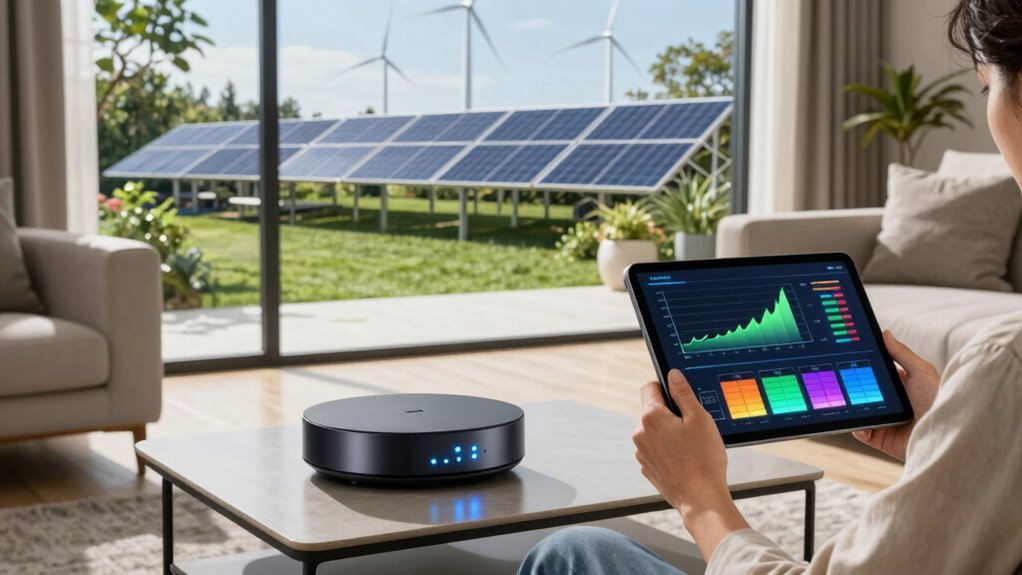

Energy independence became a consumer tech topic as advances in solar panels, smart appliances, and energy storage make it easier for you to generate, store, and manage your own power. Affordable, efficient systems now adapt to your habits and local weather, reducing reliance on the grid. With real-time monitoring and app controls, you can actively participate in energy management. If you want to see how these innovations are shaping your future, keep exploring what’s next.

Get the latest gadgets delivered free with Prime
- Fast, free delivery on millions of items
- Prime Video, Amazon Music and more included
- Member-only deals all year
Key Takeaways
- Advancements in affordable, efficient solar panels enabled consumers to generate their own renewable energy.
- Smart appliances and energy management systems automate and optimize energy use, promoting independence.
- Integration of energy storage solutions allows consumers to rely on stored power during low-generation periods.
- Real-time monitoring and control via apps facilitate active management of household energy systems.
- Growing awareness of environmental and cost benefits drove consumer interest in self-sufficient energy solutions.
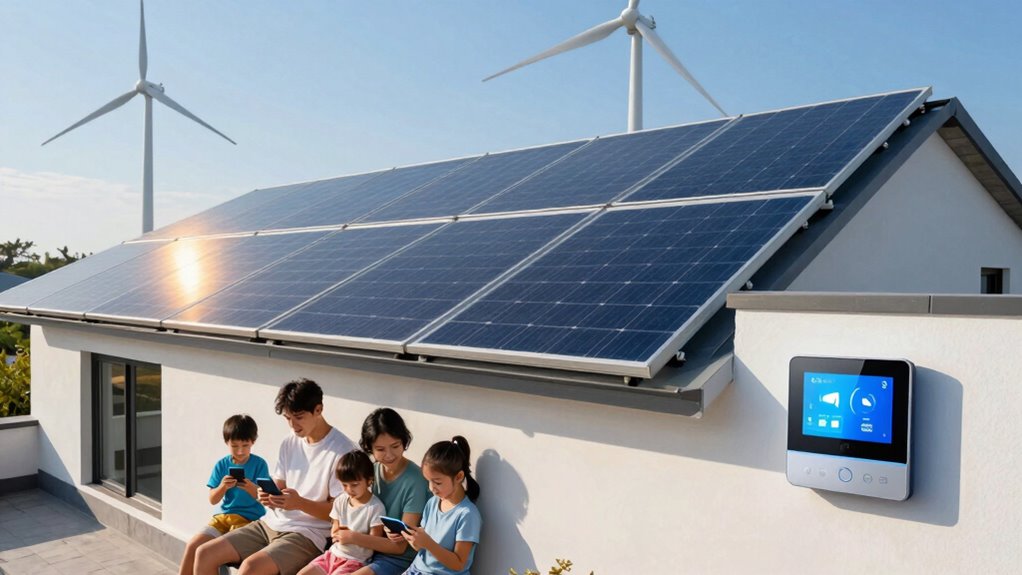
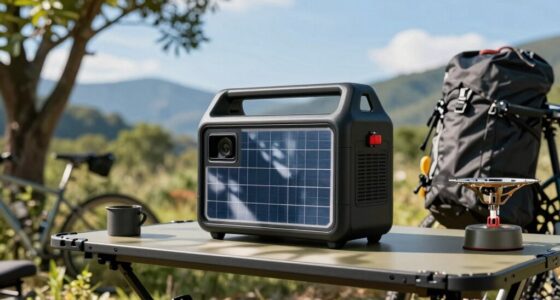
Have you ever wondered how close we are to achieving energy independence through consumer technology? It’s a question that’s become more relevant as advancements in solar technology and smart appliances continue to evolve. Today, you can harness the power of the sun right from your home, reducing reliance on traditional energy grids. Solar panels have become more affordable and efficient, making it easier for you to generate your own electricity. This shift isn’t just about saving money; it’s about taking control of your energy consumption and contributing to a sustainable future. The idea of energy independence starts with individuals like you adopting these new technologies, transforming your house into a mini power plant. As awareness about biodiversity and the importance of conserving natural resources grows, embracing renewable energy sources also supports broader environmental goals.
Harness solar power at home and take control of your energy future today.
Smart appliances are playing a vital role in this progression. They’re designed to optimize energy use, automatically adjusting their operation based on your habits and the availability of renewable energy. For example, smart thermostats learn your schedule and weather patterns, reducing energy waste when you’re not home or during off-peak hours. Similarly, smart washing machines and refrigerators can delay their cycles to times when solar energy production is at its peak, ensuring you use cleaner, cheaper electricity. These devices don’t just make your home more convenient—they make it smarter and more efficient, directly supporting your efforts to become energy independent. Additionally, integrating energy storage solutions can help you store excess solar power for use during cloudy days or nighttime, further enhancing your self-sufficiency. Understanding energy management systems can help you better coordinate and optimize your entire energy setup. Incorporating renewable energy sources into your home infrastructure can significantly accelerate your journey toward energy independence. As technology advances, the integration of smart grid capabilities can further enhance your ability to manage and distribute energy efficiently.
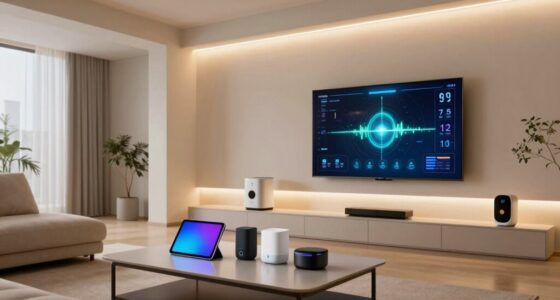
What’s remarkable is how seamlessly these technologies integrate into your daily life. With a simple app or voice command, you can monitor and control your energy consumption in real time. You can see how much energy your solar panels generate and adjust your appliance usage accordingly. This level of control helps you reduce your reliance on the grid, especially during peak demand times when electricity is more expensive and less sustainable. As these smart systems become more sophisticated, they’re not just passive tools—they actively help you maximize your use of renewable energy, pushing you closer to true energy independence.
The combination of solar technology and smart appliances signifies a shift in how we think about energy. Instead of being passive consumers, you become an active participant, managing your energy sources and usage with greater precision. This movement is driven by the desire for greater self-sufficiency, cost savings, and environmental responsibility. As these technologies continue to improve and become more accessible, your ability to achieve energy independence isn’t just a distant dream—it’s an increasingly attainable reality. The future of consumer tech is one where energy independence is within your reach, powered by innovations you can implement today.
As an affiliate, we earn on qualifying purchases.
Frequently Asked Questions
How Do Consumer Gadgets Contribute to National Energy Independence?
Consumer gadgets contribute to national energy independence by reducing energy consumption through smart tech integration. You can optimize your home’s energy use with smart thermostats, lights, and appliances, lowering reliance on grid power. These devices help you monitor and manage energy more efficiently, promoting conservation. When widespread, this tech-driven approach decreases overall energy demand, supporting energy independence by lessening the need for imported fuels and fostering a more sustainable, self-sufficient energy system.
What Are the Latest Innovations in Home Energy Storage?
Imagine storing enough energy to power a small city—new home energy storage innovations make this possible. The latest systems boast incredible battery durability, lasting decades without losing capacity. They seamlessly integrate with solar panels, maximizing renewable energy use. These advancements allow you to store excess solar power efficiently, ensuring energy independence even during outages. This tech revolution transforms your home into a resilient, eco-friendly energy hub, pushing the boundaries of what’s achievable in personal energy management.
How Affordable Is Adopting Energy-Independent Tech for Average Consumers?
Adopting energy-independent tech is becoming more affordable, but affordability challenges remain. You’ll need to do a cost analysis to weigh initial investment versus long-term savings. Prices for solar panels and home batteries are dropping, making it more accessible, but upfront costs can still be a barrier. While government incentives help, many consumers find the overall investment manageable with proper planning, gradually leading to energy independence and lower utility bills.
What Policies Support Consumer Energy Independence Initiatives?
Energy policies often support consumer energy independence by offering incentives like tax credits, rebates, and grants for installing solar panels or home batteries. These policies aim to reduce reliance on traditional energy sources and empower you to generate your own power. By taking advantage of consumer incentives, you can lower upfront costs and make adopting renewable tech more affordable, helping you achieve greater energy independence and savings.
How Do Renewable Energy Devices Impact Energy Independence Goals?
Renewable energy devices substantially boost your energy independence goals by enabling solar integration, which allows you to generate your own power. They also enhance grid resilience, making your energy supply more reliable during outages. By investing in solar panels and storage solutions, you reduce reliance on fossil fuels, cut costs, and contribute to a sustainable future. These devices empower you to take control of your energy, promoting independence and resilience.
As an affiliate, we earn on qualifying purchases.
Conclusion
As you watch your solar panels soak up the sun’s energy and your smart devices seamlessly power on, it’s clear energy independence isn’t just buzz—it’s a new dawn. Think of your home as a lighthouse, guiding you toward self-sufficiency amidst a storm of shifting energy markets. With every battery charged and every device optimized, you’re not just consuming tech—you’re shaping a future where your independence shines bright, illuminating a path for others to follow.
As an affiliate, we earn on qualifying purchases.
smart thermostats for energy savings
As an affiliate, we earn on qualifying purchases.
As an affiliate, we earn on qualifying purchases.
Halloween Picks
halloween
As an affiliate, we earn on qualifying purchases.