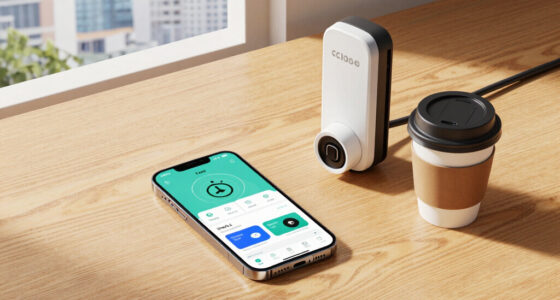

With natural disasters and frequent power outages increasing, having a home battery backup is more important than ever. It guarantees your household stays safe and functional during grid failures by providing reliable, on-demand energy. You can protect your devices, foods, and security systems without disruption, even when the power’s out for hours or days. Investing in a backup system helps you maintain control and resilience in an unpredictable environment—discover how it can transform your home’s energy security.

Get the latest gadgets delivered free with Prime
- Fast, free delivery on millions of items
- Prime Video, Amazon Music and more included
- Member-only deals all year
Key Takeaways
- Increasing climate-related disasters make reliable backup power essential for safety and household functionality.
- Home battery systems ensure continuous power for critical devices during frequent grid outages.
- Energy storage reduces dependence on the grid, enhancing energy independence and cost savings.
- Proper maintenance and monitoring maximize system lifespan and reliability during emergencies.
- Supporting remote work and security needs highlights the growing importance of resilient home energy solutions.
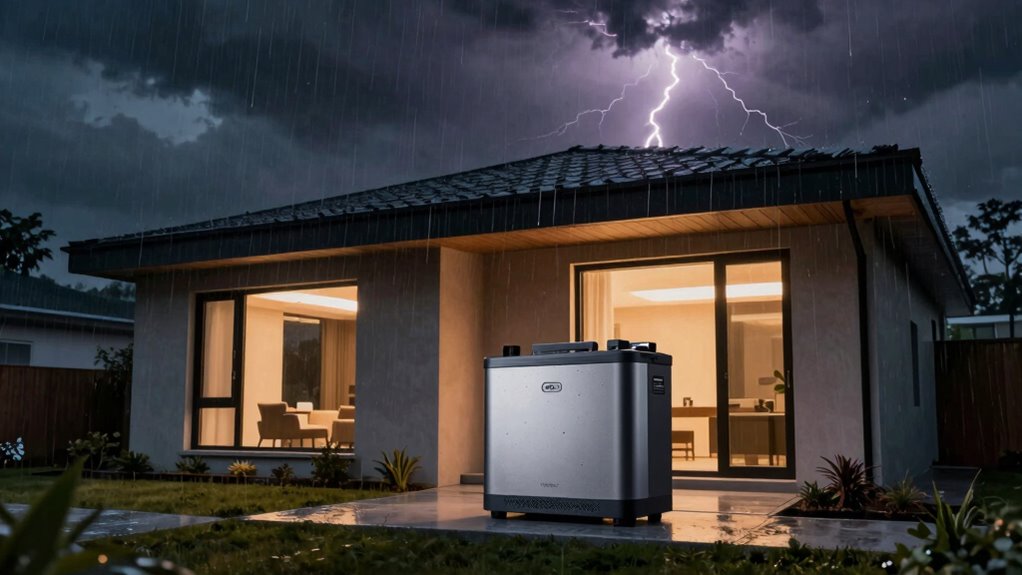
Have you ever experienced a sudden power outage and wished you had a reliable backup? In today’s world, where your daily routines rely heavily on electricity, losing power isn’t just an inconvenience—it can disrupt your entire day, and in some cases, even threaten your safety. That’s where home battery backup systems come into play. They aren’t just a luxury anymore; they’re becoming an essential part of modern living. These systems leverage energy storage technology to provide a steady supply of power when the grid fails, ensuring you stay connected and safe. With a home battery backup, you gain control over your power resilience, reducing your dependence on the unpredictable utility grid. Proper weatherproof tool storage can also help protect your backup systems from the elements, ensuring reliable operation during storms and adverse weather conditions.
Energy storage is at the core of these systems, allowing you to store excess energy generated by solar panels or directly from the grid during off-peak hours. When the power goes out, this stored energy becomes your lifeline. You can keep the lights on, your appliances running, and your communication devices charged, which is especially critical during emergencies. This ability to store and deploy energy on demand makes home battery backups a smart investment, giving you peace of mind that your home remains functional regardless of external disruptions. Incorporating power quality monitoring can help optimize the performance and longevity of your backup system by ensuring it operates within safe parameters. Additionally, advancements in energy storage technology continue to improve the efficiency and capacity of these systems, making them more accessible to homeowners. Staying informed about system maintenance is crucial to ensure your backup system functions reliably when needed. Ensuring that your system is compliant with security scanning and governance standards can further protect your investment from cyber threats and unauthorized access. As climate change increases the frequency and severity of storms and other natural disasters, the importance of reliable energy storage becomes even more evident. You need a system that can adapt to these unpredictable conditions and keep your household powered.
Energy storage ensures your home stays powered during outages, especially vital during storms and natural disasters.
Power resilience isn’t just about surviving outages; it’s about maintaining your quality of life. A home battery backup can support essential devices, ensuring your home remains operational even when the grid is down. This resilience helps protect your food from spoiling, keeps your security systems active, and allows you to work remotely without interruption. Furthermore, as energy prices fluctuate, having stored energy means you can optimize your consumption, using stored power during peak rate periods and saving money. The ability to manage your energy consumption actively aligns with a sustainable lifestyle and can reduce your carbon footprint.
In today’s uncertain world, investing in a home battery backup isn’t just a practical choice—it’s a proactive step toward energy independence. You’re not just reacting to outages; you’re preparing for them, ensuring your home’s power resilience is built to last. With the right system, you’ll find yourself better equipped to handle power disruptions, safeguard your household, and even save money in the long run. In an era of increasing unpredictability, having a reliable backup system is more than smart—it’s essential.
As an affiliate, we earn on qualifying purchases.
Frequently Asked Questions
How Long Can a Typical Home Battery Backup Power My Home?
A typical home battery backup can power your home for about 4 to 12 hours, depending on your energy use and the battery’s capacity. Battery lifespan usually ranges from 5 to 15 years, with regular maintenance reducing performance drops. You’ll want to monitor and maintain your system to guarantee it delivers reliable backup power when needed, maximizing both its lifespan and efficiency.
Are Home Battery Backups Safe for All Household Appliances?
Home battery backups are generally safe for most household appliances, but you should check appliance compatibility to avoid issues. Safety considerations include ensuring the system is installed correctly and maintained properly. Some sensitive electronics may require specialized inverters or surge protection. Always consult a professional to assess your appliances and the backup system’s specifications, ensuring everything operates safely and efficiently during power outages.
What Is the Average Cost of Installing a Home Battery Backup System?
Installing a home battery backup system costs around $10,000 to $15,000, like budgeting for a new car. You’ll need to take into account cost considerations such as battery size and system features. Installation challenges, like wiring and permits, can vary depending on your home’s setup. It’s wise to get multiple quotes and consult professionals to guarantee a smooth process. Investing now can save you headaches and power outages later.
How Does Weather Impact the Performance of Home Battery Backups?
Weather affects your home battery backup’s performance by influencing weather resilience and causing power fluctuation. Extreme temperatures, like heat or cold, can diminish battery efficiency and lifespan. Storms or heavy rain may lead to power fluctuations, making your backup less dependable when you need it most. To guarantee peak performance, choose batteries designed for your climate and consider weather-resistant options that sustain resilience during adverse conditions.
Can a Home Battery Backup Be Integrated With Solar Panels?
Yes, a home battery backup can be integrated with solar panels, enhancing your energy storage and grid independence. By connecting your solar system to a battery backup, you store excess energy generated during the day for use during outages or at night. This integration allows you to reduce reliance on the grid, maximize renewable energy use, and guarantee a continuous power supply, especially during severe weather or grid disruptions.
As an affiliate, we earn on qualifying purchases.
Conclusion
Considering the increasing frequency of outages and the unpredictable nature of weather, investing in a home battery backup isn’t just smart—it’s essential. While some might see it as an unnecessary luxury, studies suggest that homes with reliable backup systems recover faster and sustain less damage. Embracing this technology isn’t just about convenience; it’s about resilience. As climate patterns shift, having a dependable power source could be the difference between vulnerability and security for your family.
As an affiliate, we earn on qualifying purchases.
As an affiliate, we earn on qualifying purchases.
Halloween Picks
halloween
As an affiliate, we earn on qualifying purchases.