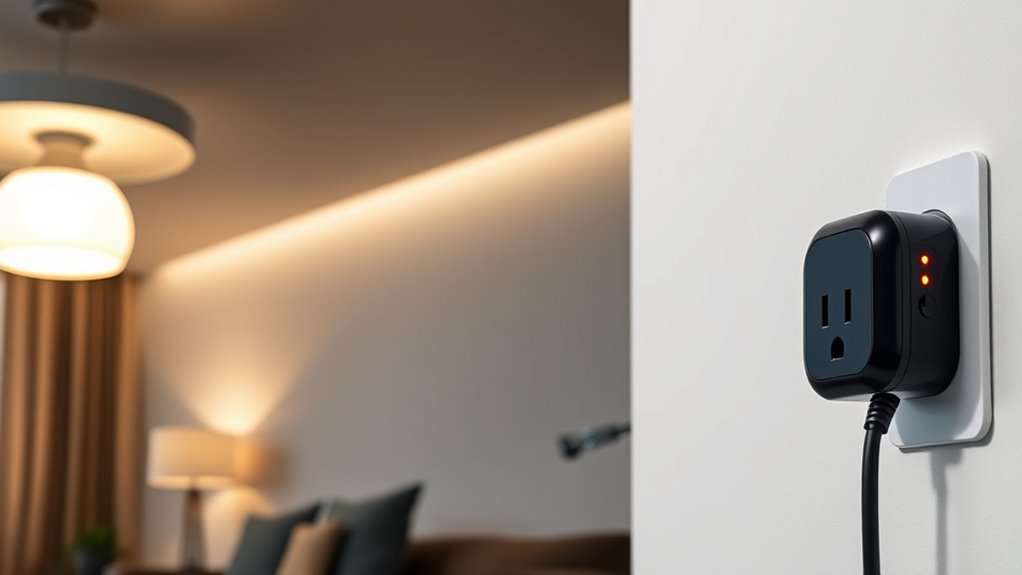

If you want to upgrade your lighting first, smart bulbs are a great choice for customizing brightness and adding color. They’re ideal if your fixtures are compatible and you want more control over your ambiance. Smart plugs, however, are more versatile and affordable for controlling various appliances. Think about your immediate needs and existing devices. To discover which option suits your home best, explore further insights to make the right decision.
Key Takeaways
- Prioritize smart bulbs for better lighting customization in frequently used rooms like living or bedrooms.
- Choose smart plugs first if you want to control multiple appliances or existing fixtures without replacing bulbs.
- Consider your budget; smart plugs are generally more affordable and versatile for expanding smart home control.
- Assess device compatibility with your current smart home ecosystem to ensure seamless integration and ease of use.
- Install smart bulbs if you desire advanced lighting features; opt for smart plugs for broader device automation and energy management.
Understanding the Core Functions of Smart Bulbs and Smart Plugs
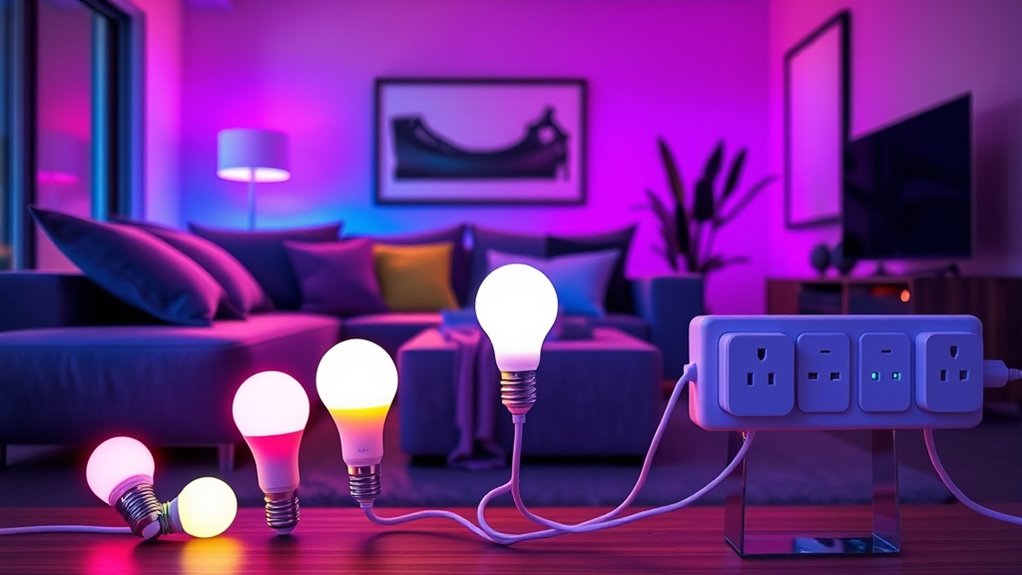
Smart bulbs and smart plugs are both popular tools for home automation, but they serve different purposes based on their core functions. Smart bulbs replace traditional light bulbs, allowing you to control brightness, color, and schedules through an app or voice commands. They’re designed specifically for lighting fixtures, making your space more customizable and convenient. Smart plugs, on the other hand, plug into existing outlets and turn any device into a smart device. They enable you to control appliances, lamps, or electronics remotely, set timers, and monitor energy use. While smart bulbs focus on transforming your lighting experience, smart plugs expand your control to other devices. Understanding these core functions helps you decide which device aligns best with your automation goals. Additionally, smart bulbs often feature color accuracy, which enhances visual quality, while smart plugs primarily improve convenience and energy management. Incorporating compatibility with smart home ecosystems can further enhance your automation setup by ensuring seamless integration across devices.
Evaluating Your Home’s Lighting Needs and Existing Devices
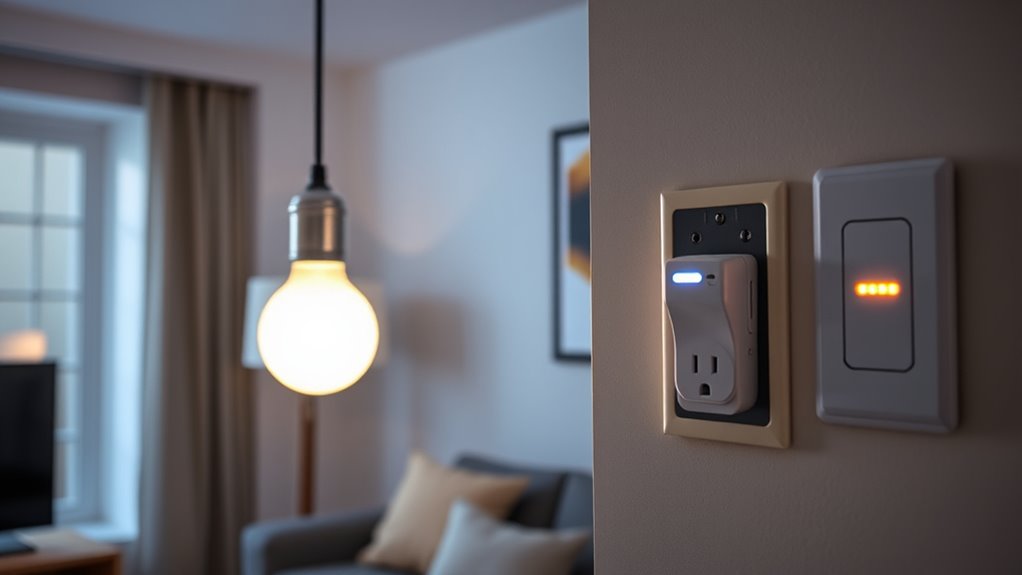
To choose the right automation devices, you need to assess your home’s lighting setup and the devices you already have. Start by noting which rooms need smarter lighting and how you typically use them. Do you want dimming capabilities, color options, or just on/off control? Consider whether existing fixtures are compatible with smart bulbs or if you need smart plugs to control lamps or other appliances. Evaluate your current devices—if you already have smart switches, adding bulbs might be redundant. Think about your daily routines and how automation could improve them. This assessment helps you identify gaps and prioritize what to upgrade first, ensuring your investment enhances convenience without unnecessary overlaps.
Cost Considerations and Budget Planning for Smart Devices
When planning your smart device upgrades, you need to consider initial costs and how much you’ll save on energy over time. Smart bulbs and plugs vary in price, so finding budget-friendly options can make a big difference. Balancing upfront expenses with long-term savings helps you get the most value from your investment.
Initial Device Costs
Initial device costs play a crucial role in planning your smart home setup, as they determine how much you’ll need to invest upfront. Smart bulbs typically cost between $10 and $30 each, depending on features like color changing or dimming capabilities. On the other hand, smart plugs are usually more affordable, ranging from $15 to $25 per device, allowing you to automate multiple appliances easily. If you’re on a tight budget, starting with smart plugs might be more cost-effective, especially if you want to control various devices without replacing existing bulbs. Keep in mind that investing in higher-quality devices can save money long-term by offering better reliability and features. Your choice should balance initial costs with your desired level of automation and convenience. Cost considerations are essential for effective budget planning in smart home setups. Additionally, considering the emerging trends in smart technology can help you choose devices that are compatible with future upgrades and innovations. Being aware of device longevity and upgrade cycles can also influence your purchasing decisions to ensure your setup remains effective over time. Moreover, understanding compatibility and interoperability can help create a more seamless smart home experience as technology evolves. It’s also worth noting that energy efficiency and power consumption should be considered when selecting smart devices to optimize long-term savings and sustainability.
Long-term Energy Savings
Long-term energy savings can substantially offset your upfront investment in smart devices, making them a smart financial choice over time. Smart bulbs and plugs help reduce energy waste by automatically turning off when they’re not in use or adjusting brightness and power based on your habits. For instance, smart bulbs can dim or turn off during daylight hours, lowering electricity bills. Smart plugs allow you to control energy consumption of appliances remotely, preventing phantom loads. Over months and years, these efficiencies add up, leading to significant savings. When planning your budget, consider how much energy you can save annually with these devices. Although the initial cost might seem high, the ongoing reduction in your utility bills can make smart devices a cost-effective investment in the long run. Additionally, understanding energy-saving features can help maximize your savings and make more informed purchasing decisions. Exploring home automation benefits can further enhance your energy efficiency and overall savings. Recognizing the role of smart technology in energy management can also help you optimize your device usage for maximum savings. Incorporating energy monitoring tools can provide real-time insights into your consumption patterns, enabling smarter adjustments and greater savings. Moreover, utilizing energy-efficient hardware can further boost your overall energy conservation efforts.
Budget-Friendly Options
While smart devices can save you money over time, their upfront costs are an important factor to contemplate. Smart bulbs tend to be more affordable than smart plugs, making them a good starting point if you’re on a tight budget. You can often find quality options for under $20 each, especially during sales. Smart plugs are generally slightly more expensive but offer versatile control over multiple devices. To plan your budget, consider how many devices you need and prioritize based on your most-used appliances or lighting. Look for compatible brands and models that fit your price range. Remember, investing in fewer, high-quality devices initially can help you save money in the long run, avoiding unnecessary upgrades. Additionally, cost considerations can help you make informed decisions aligned with your financial planning for smart device investments, ensuring you get the best value for your money.
Compatibility and Ecosystem Integration
Your choice of smart devices depends heavily on ecosystem compatibility, so it’s important to take into account if they work seamlessly with your existing smart home setup. Device interoperability can be tricky, especially when brands use different protocols or standards. Exploring platform integration options ensures your smart bulbs or plugs will communicate effectively within your chosen ecosystem. Additionally, understanding smart device standards can help you make more informed decisions when expanding your smart home system. Being aware of connectivity protocols can further assist in selecting devices that will work reliably together. Familiarizing yourself with performance characteristics can also help you choose devices that meet your needs for responsiveness and stability. Moreover, understanding interoperability guidelines can facilitate smoother integration and reduce compatibility issues across devices.
Ecosystem Compatibility Factors
When choosing between smart bulbs and smart plugs, understanding their ecosystem compatibility is essential. You need to take into account whether they work seamlessly with your existing smart home devices and platforms. If you already use Alexa, Google Assistant, or Apple HomeKit, check whether the smart device supports that ecosystem. Compatibility ensures you can control everything from one app or voice command without extra hassle. Some brands design their products to integrate smoothly with specific ecosystems, while others are more universal. Choosing devices aligned with your current setup minimizes setup issues and maximizes convenience. Also, consider if the ecosystem updates regularly and supports new devices, ensuring your smart home stays current. Prioritizing compatibility helps you avoid frustration and makes your smart home experience more cohesive. Additionally, understanding ecosystem compatibility factors such as protocol standards and cross-platform support can prevent connectivity issues down the line.
Device Interoperability Challenges
Compatibility and ecosystem integration can pose significant hurdles when setting up smart bulbs and smart plugs. You might find that certain devices only work with specific platforms, limiting your options. For example, a smart bulb compatible with Alexa may not work seamlessly with Google Assistant or Apple HomeKit, forcing you to choose a single ecosystem. Similarly, smart plugs from different brands may not communicate well with each other, creating fragmentation. This lack of interoperability can lead to frustration, requiring additional hubs or apps to manage devices. When devices don’t play nicely together, you might experience delays, connectivity issues, or incomplete automation. To avoid these problems, it’s essential to research device compatibility thoroughly before making your purchase, ensuring they can work together within your preferred ecosystem. Vetted device compatibility is crucial to prevent frustration and ensure a seamless smart home experience. Additionally, understanding the interoperability standards can help you select devices that are more likely to work smoothly together across different ecosystems. Being aware of industry standards can further guide you in choosing devices that are designed for broader compatibility, reducing setup headaches.
Platform Integration Options
Choosing the right platform integration for your smart bulbs and plugs can substantially influence how smoothly your devices work together. If you prefer a unified ecosystem, consider devices compatible with popular platforms like Google Home, Amazon Alexa, or Apple HomeKit. These ecosystems support seamless control and automation, making it easier to manage multiple devices from a single app or voice command. Some brands are ecosystem-agnostic, offering compatibility with various platforms, giving you more flexibility. Before purchasing, check whether your preferred platform supports the specific features you want—like scheduling or routines. Compatibility ensures your smart devices communicate effectively, reducing setup frustrations. Additionally, understanding protocol standards can help you select devices that work reliably across different platforms. The choice of communication protocols influences device interoperability and network stability within your smart home. Ultimately, choosing devices that align with your existing or preferred ecosystem simplifies control and enhances your smart home experience.
Ease of Installation and User Experience
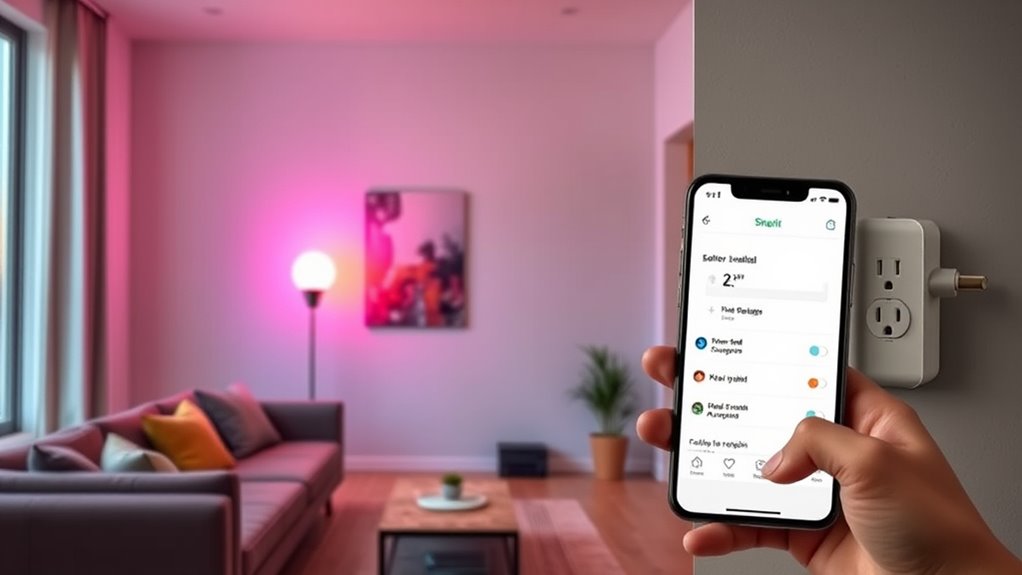
Installing smart bulbs and smart plugs typically involves straightforward steps, but their user experiences differ slightly. Smart bulbs require you to replace existing bulbs and configure them via an app, which can be quick but might need some initial setup. Smart plugs simply plug into an outlet, then connect devices with minimal effort. Using them is usually intuitive, but the control interfaces and app responsiveness vary.
Here’s a quick comparison:
| Aspect | Smart Bulbs | Smart Plugs |
|---|---|---|
| Installation Difficulty | Slightly more involved | Very simple |
| Setup Time | Moderate | Short |
| App Navigation | User-friendly but varies | Usually straightforward |
| Physical Setup | Replace bulbs, screw into socket | Plug into outlet, connect device |
| User Experience | Color/brightness controls, dimming | On/off control, scheduling |
Energy Efficiency and Cost Savings Potential
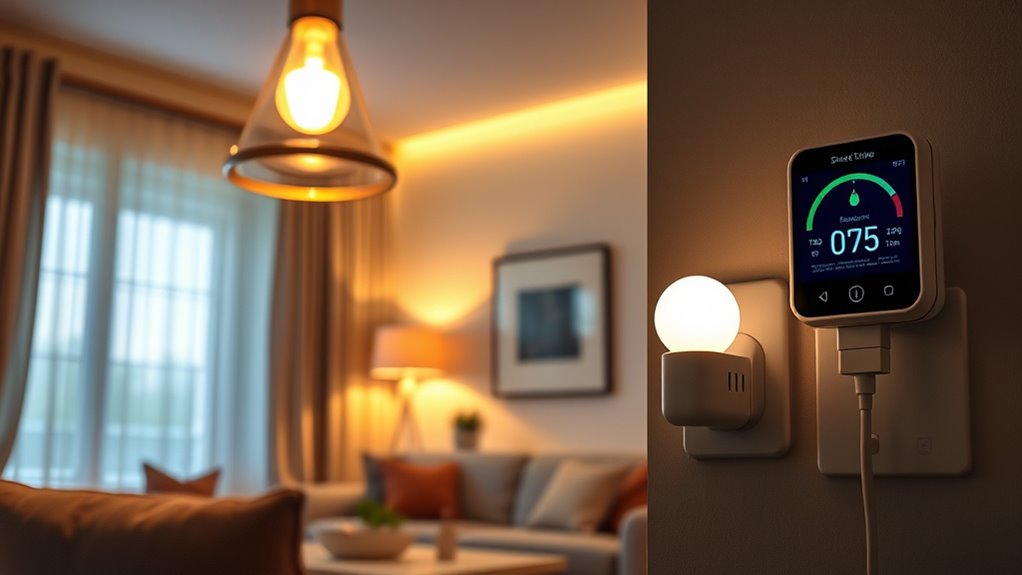
Both smart bulbs and smart plugs offer notable energy efficiency and cost-saving benefits, but their potential varies based on usage. Smart bulbs are energy-efficient because they use LED technology and allow you to control individual lights, reducing unnecessary power consumption. For example, scheduling lights to turn off automatically when not needed cuts energy waste. Smart plugs help save by controlling entire appliances or devices, preventing standby power draw—often called phantom load—that can add up over time. They also enable you to turn devices off remotely, avoiding accidental energy use. While smart bulbs are ideal for reducing lighting costs, smart plugs are better for managing energy use of larger appliances. Combining both can maximize savings, but your focus should align with your specific habits and the devices you use most frequently.
Making the Right Choice Based on Lifestyle and Priorities
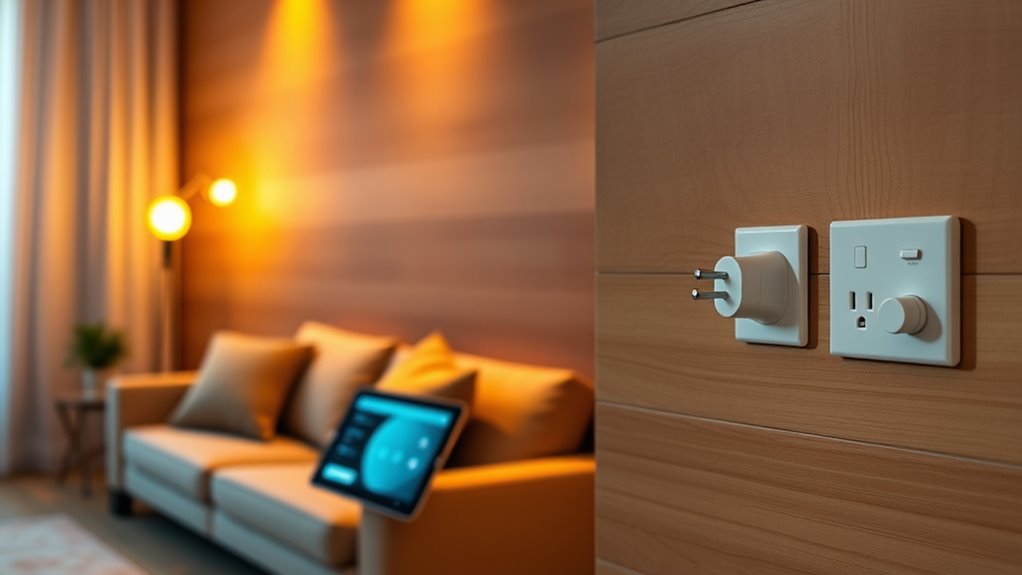
Your lifestyle and priorities play a crucial role in determining whether smart bulbs or smart plugs are the better fit for your home. If you love customizing your lighting ambiance and want to set different moods, smart bulbs are ideal. They offer adjustable colors and brightness to enhance your space. On the other hand, if you prefer automating appliances or outlets without changing existing fixtures, smart plugs are more practical. They’re perfect for controlling lamps, fans, or electronics remotely. Consider how you use your devices daily: do you want to improve lighting aesthetics or simply make your appliances smarter? Your daily routines and the level of control you desire should guide your choice, ensuring your smart home aligns seamlessly with your lifestyle and priorities.
Frequently Asked Questions
Can Smart Bulbs or Plugs Be Used Outdoors Securely?
Yes, smart bulbs and plugs can be used outdoors securely if they’re designed for outdoor use. Look for products with an IP65 or higher rating, which indicates water and dust resistance. You should also make certain they’re installed in protected areas, away from direct rain or heavy moisture. Always follow the manufacturer’s instructions for installation and safety to prevent any electrical issues or damage.
Do Smart Bulbs or Plugs Require Wi-Fi or Hub Connectivity?
Think of your smart devices as dancers needing the right stage. Both smart bulbs and plugs usually require Wi-Fi to connect and function smoothly. Some smart bulbs might need a hub if they operate on Zigbee or Z-Wave protocols, but most rely on Wi-Fi. Smart plugs generally connect directly to your Wi-Fi network. So, check your device’s requirements before making a move to guarantee your smart home dances in harmony.
Are Smart Bulbs or Plugs More Suitable for Energy Conservation?
Smart plugs are generally more suitable for energy conservation because they turn off devices entirely when not in use, preventing phantom loads. Smart bulbs save energy by adjusting brightness and turning off automatically, but they still consume some power even when off. To maximize savings, opt for smart plugs for appliances and electronics, and use smart bulbs for lighting control and ambiance. Both help reduce energy, but plugs have the edge for efficiency.
How Long Do Smart Bulbs Typically Last Before Replacing?
Think of your smart bulb as a loyal companion on a long journey. Typically, it lasts about 15,000 to 25,000 hours, which translates to roughly 10 to 15 years with regular use. You’ll know it’s time to replace it when it starts flickering or dims unexpectedly. By caring for it, you guarantee your home stays bright and connected, and your smart ecosystem continues to shine brightly.
Can Smart Plugs Control Non-Smart Devices Effectively?
Yes, smart plugs can control non-smart devices effectively. You simply plug your device into the smart plug, then use an app or voice control to turn it on or off remotely. This setup works well for lamps, fans, or appliances without built-in smart capabilities. Keep in mind, smart plugs are limited to controlling power, so they can’t adjust settings like brightness or color that smart bulbs offer.
Conclusion
Choosing between smart bulbs and smart plugs is like picking the right tool from a toolbox—you want what fits your needs best. Think about your lighting habits, budget, and how each device integrates with your smart home. By understanding your priorities, you’ll make a choice that’s as smooth as silk. Whichever you pick first, you’ll shine brighter and save energy, making your home smarter and more efficient every day.