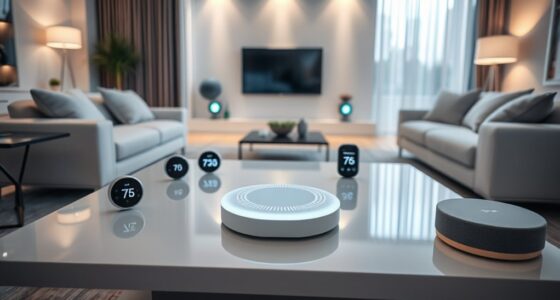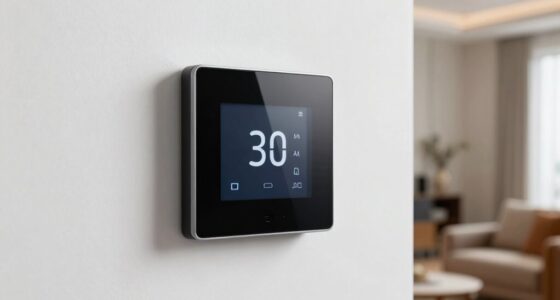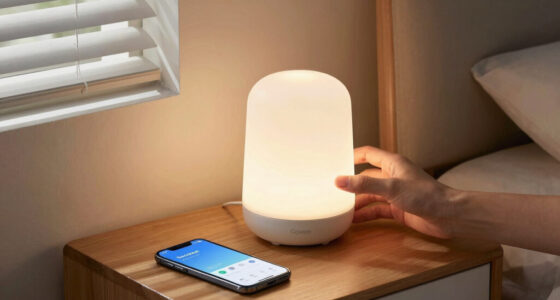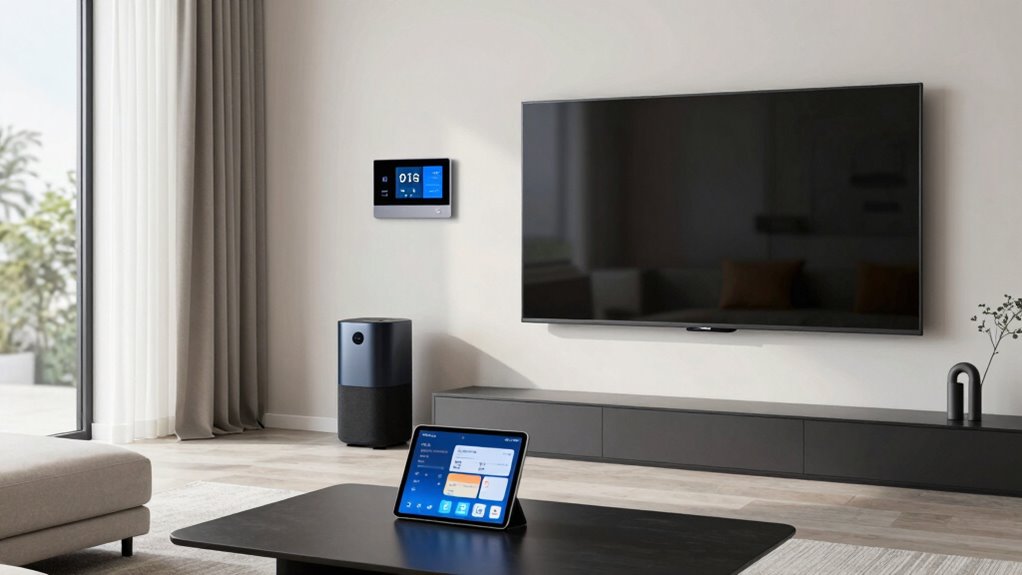

Many believe smart homes are fragile, expensive, or only for tech experts, but that’s not true. Voice control systems aren’t perfect and can misunderstand you, yet they improve over time. Privacy concerns are often exaggerated; smart devices have security measures you can manage. Affordable options are available for most budgets, and secure practices help prevent hacking. If you want to uncover the truth behind these myths and discover what’s real, keep exploring the facts behind smart home technology.

Get the latest gadgets delivered free with Prime
- Fast, free delivery on millions of items
- Prime Video, Amazon Music and more included
- Member-only deals all year
Key Takeaways
- Many believe voice control systems are unreliable and prone to errors, but proper setup improves accuracy.
- Privacy concerns are often overstated; with proper security measures, smart home data remains protected.
- Misconception persists that smart homes are only for the wealthy or tech-savvy, but affordable, user-friendly devices are widely accessible.
- The fear that smart homes are vulnerable to hacking is exaggerated; regular updates and strong passwords mitigate risks.
- People think smart home technology is futuristic and impractical, though it’s increasingly affordable and easy to use today.
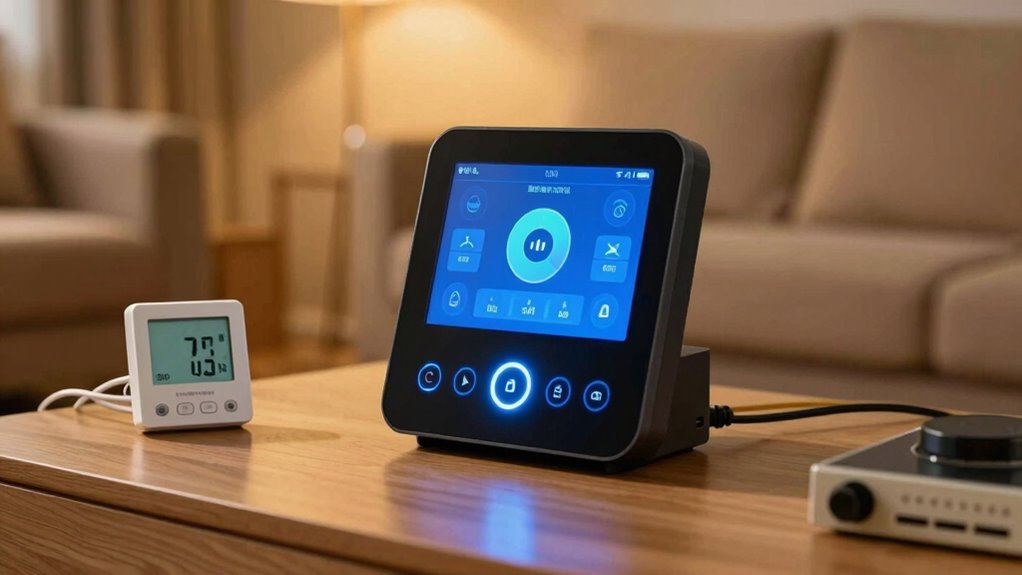
Smart homes are often portrayed as futuristic and foolproof, but many misconceptions about their capabilities and limitations persist. One common misunderstanding is that voice control systems are flawless and always responsive. While voice commands like “turn on the lights” or “play music” are convenient, they’re not perfect. Background noise, accents, or unclear phrasing can cause miscommunication, leading to frustration. You might assume that voice control is an infallible feature, but in reality, it can sometimes misunderstand you or activate unintentionally. This can be particularly problematic if your smart home reacts to every loud sound or ambiguous phrase, which can disrupt your daily routine.
Another widespread misconception revolves around privacy concerns. Many people believe that having a smart home automatically exposes them to constant surveillance or data breaches. While it’s true that smart devices collect data to improve functionality, manufacturers implement security measures to protect your information. Still, you should be aware of the potential risks and take steps to secure your network, such as using strong passwords and updating firmware regularly. It’s a mistake to think that privacy issues are inevitable or unstoppable; instead, you can control how much data your devices share and choose reputable brands with transparent privacy policies.
People also often assume that smart homes are only for tech enthusiasts or wealthy homeowners. This isn’t true. Today’s smart home technology is more accessible and affordable than ever. You can start small, adding a smart plug or light bulb, and expand gradually. Many devices are designed for easy installation and user-friendly interfaces, making it simple for almost anyone to integrate smart technology into their home. The misconception that it’s only for the elite prevents many from experiencing the convenience and energy savings that smart homes offer. Furthermore, advances in emerging trends in digital publishing have increased awareness and education around these technologies, making them more approachable for everyday users.
Additionally, some believe that smart homes are inherently insecure or prone to hacking. While any connected device can be vulnerable if not properly secured, following best practices substantially reduces this risk. Regularly updating your devices, changing default passwords, and using secure Wi-Fi networks make your smart home much safer. It’s a misconception that a smart home is an open door for cybercriminals; with proper precautions, you can enjoy the benefits without exposing yourself to unnecessary risks.
As an affiliate, we earn on qualifying purchases.
Frequently Asked Questions
Are Smart Homes More Energy-Efficient Than Traditional Homes?
Yes, smart homes are generally more energy-efficient than traditional homes. You can optimize energy savings by using smart thermostats, which adjust temperatures automatically, and smart lighting that turns off when not in use. These devices enhance appliance efficiency and reduce waste. By integrating energy-saving technology, you’ll notice lower utility bills and a smaller environmental footprint, making your smart home both eco-friendly and cost-effective.
Can Smart Home Devices Be Hacked Easily?
Smart home devices can be hacked if you’re not careful, mainly due to device vulnerabilities and hacking risks. If you don’t secure your network with strong passwords, regular updates, and two-factor authentication, hackers might exploit these vulnerabilities. While smart devices offer convenience, staying vigilant with security measures is essential to protect your personal data and prevent unauthorized access. Proper security practices considerably reduce your hacking risks.
Do Smart Homes Require High Internet Speeds?
Smart homes don’t require ultra-high internet speeds, but Wi-Fi stability is essential. If your connection is slow or unstable, devices may lag or disconnect, affecting performance. Network congestion can also impact your smart home’s responsiveness, especially if multiple devices are streaming or downloading simultaneously. To keep everything running smoothly, make certain a reliable Wi-Fi connection, limit unnecessary bandwidth use, and consider upgrading your router for better coverage and stability.
Are Smart Home Products Affordable for Everyone?
Smart home products aren’t a one-size-fits-all suit; their costs vary like a rainbow’s colors, making affordability a real concern for many. While some gadgets come with a hefty price tag, others are budget-friendly, fitting comfortably into your financial puzzle. Smart home costs can be manageable if you pick what suits your needs and wallet. Don’t let affordability concerns block your path to a smarter, more connected living space.
How Secure Is My Personal Data in a Smart Home?
Your personal data’s security in a smart home depends on the devices and practices you choose. Data encryption helps protect your information during transmission, reducing hacking risks. Also, review privacy policies to understand how your data is used and stored. By selecting devices with strong security measures and staying informed about privacy practices, you can better safeguard your personal data in your smart home environment.
As an affiliate, we earn on qualifying purchases.
Conclusion
Don’t let these myths act like walls blocking your smart home dreams. With a little knowledge, you’ll see they’re more like shadows—easy to dispel when you understand the facts. Embrace the tech, and your home becomes a symphony of convenience and innovation, not a maze of misconceptions. So, step confidently into the future; your smart home is waiting to turn your everyday life into a seamless, effortless dance.
As an affiliate, we earn on qualifying purchases.
As an affiliate, we earn on qualifying purchases.
Fall Picks
fall essentials
As an affiliate, we earn on qualifying purchases.