
Many buyers hesitate to choose smart locks because they worry about security flaws, technical problems, and costs. They fear hacking risks, connectivity issues, or device failures that could lock them out or compromise their home. Installation can also be tricky, especially if you’re not tech-savvy, and ongoing maintenance adds to the concern. If you keep exploring, you’ll discover how to navigate these challenges and make an informed decision.

Get the latest gadgets delivered free — and shop member deals
- Fast, free delivery on millions of items
- Access to Prime Big Deal Days deals on October 6–7
- Prime Video, Amazon Music and more included
Key Takeaways
- Concerns over security vulnerabilities that could allow hacking or unauthorized access.
- Installation complexity and compatibility issues may discourage non-technical users.
- Reliability worries, such as device failure or battery depletion, threaten consistent home security.
- Dependence on stable internet and power sources increases the risk of lockouts or malfunctions.
- High costs and doubts about long-term durability create hesitation among potential buyers.
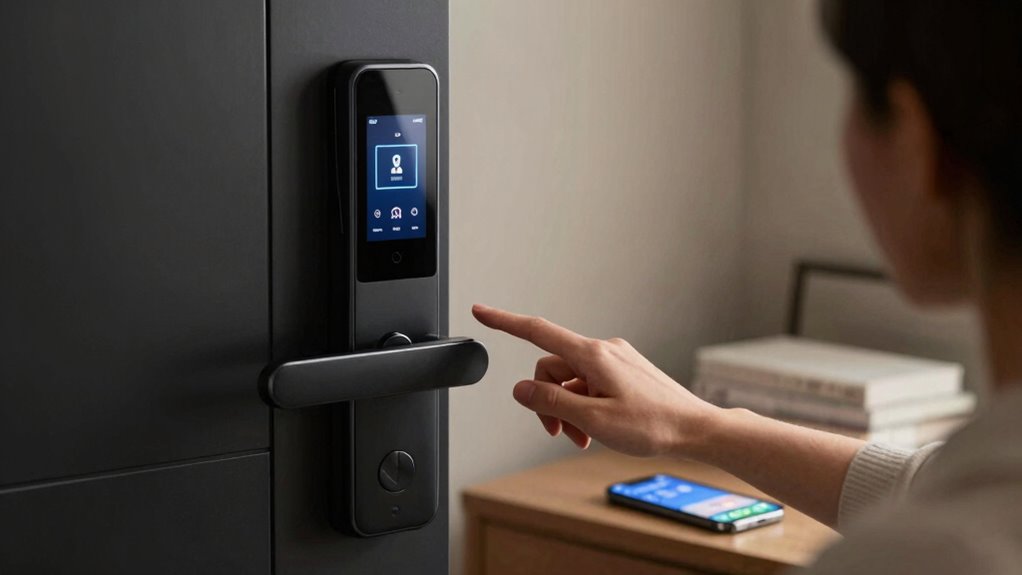
Are smart locks really worth the investment, or is buyer hesitation justified? Many people like you are weighing the benefits of convenience against potential risks, and it’s understandable to feel cautious. One of the primary concerns is security vulnerabilities. Unlike traditional locks, which rely solely on physical keys, smart locks connect to your Wi-Fi or Bluetooth, opening them up to hacking attempts or remote breaches. You might worry about cybercriminals finding ways to disable your lock or unseal your door without your permission. These fears aren’t unfounded, especially considering news stories about security flaws in some smart lock models. While manufacturers regularly release updates to patch vulnerabilities, the risk still exists, making you question whether the convenience outweighs the potential danger. Additionally, some users are concerned about security flaws, which can be exploited if the device isn’t properly secured or updated.
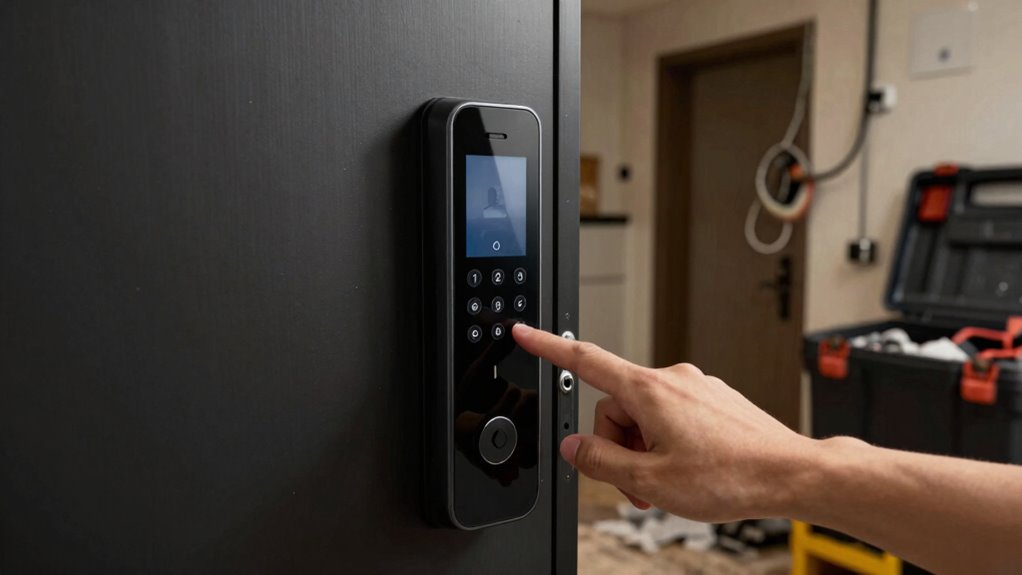
Another reason for hesitation is installation challenges. Smart locks often seem straightforward at first glance, but in reality, they can be tricky to set up correctly. You might encounter compatibility issues with your existing door or face difficulties connecting the device to your home Wi-Fi network. If you’re not particularly tech-savvy, the process can feel overwhelming, leading to frustration or the fear of damaging your door or lock mechanism during installation. Even if you manage to install it successfully, ensuring the lock functions reliably over time requires proper setup, which adds to your apprehension. You might also worry about whether the lock will work seamlessly with your smart home ecosystem or voice assistants, complicating the setup process further. Some users also worry about reliability concerns that could impact their home security.
Beyond these technical concerns, you might also think about the reliability of smart locks. Electronic components can fail, batteries can die unexpectedly, and if your Wi-Fi drops, you could find yourself locked out or unable to open your door remotely. This potential for inconvenience adds another layer of hesitation, especially if you live in an area with unstable internet connections or if you’ve experienced similar issues with other smart devices. Together, these factors—security vulnerabilities, installation challenges, and reliability worries—create a natural skepticism around investing in smart locks. It’s not just about the cost; it’s about feeling confident that your home’s security won’t be compromised and that you won’t be left stranded due to technical problems. So, while the idea of a high-tech lock is appealing, these concerns make many buyers pause and think twice before making the leap.
As an affiliate, we earn on qualifying purchases.
Frequently Asked Questions
Are Smart Locks More Secure Than Traditional Locks?
Smart locks can be more secure than traditional locks because they often feature encrypted user access and remote monitoring, but you need to take into account user privacy and physical durability. If the lock’s security system is compromised or if it’s not built to withstand weather or tampering, your home’s safety could be at risk. So, choose a smart lock with strong encryption and durable construction to maximize security and protect your privacy.
How Do Smart Locks Handle Power Outages?
Imagine your smart lock as a brave knight guarding your castle, even when power’s out. When a power outage hits, most smart locks rely on battery life to keep functioning. Many come with backup power options like external batteries or mechanical keys, ensuring you can always get in. So, you won’t be left stranded, because these locks are designed to stay secure, no matter the power situation.
Can Smart Locks Be Hacked or Remotely Accessed?
Smart locks can be hacked or remotely accessed, which raises cybersecurity concerns and privacy risks. While manufacturers implement encryption and security protocols, vulnerabilities still exist, especially if your Wi-Fi network isn’t secure. To protect yourself, regularly update your lock’s firmware, use strong passwords, and enable two-factor authentication. Staying vigilant helps minimize risks, ensuring your smart lock remains a safe and convenient security solution without exposing you to potential cyber threats.
Are Smart Locks Compatible With Existing Home Security Systems?
Yes, smart locks can be compatible with your existing home security system, but it depends on the brand and model. You might need to address potential installation complexity, especially if integrating with older systems. Keep in mind, user privacy is essential, so choose a lock with strong encryption and secure app access. Compatibility varies, so check your current system’s specifications and consult professional installation if needed.
What Are the Long-Term Maintenance Costs of Smart Locks?
The long-term maintenance costs of smart locks are generally low, but you should consider keypad durability and battery replacement. You might need to replace batteries every few months, depending on usage, which is inexpensive but adds up over time. The keypad is usually durable, but if it wears out or gets damaged, replacement costs could be higher. Overall, smart locks are affordable to maintain, especially if you stay on top of battery changes.
As an affiliate, we earn on qualifying purchases.
Conclusion
Think of smart locks like a new app on your phone—you’re excited to try it, but a little wary of bugs or glitches. Remember, nearly 60% of homeowners hesitate before making the switch, fearing security breaches. Just like installing a new app, it’s normal to feel cautious. But with proper research and trusted brands, you can open convenience without opening your worries. Embrace the future, and soon, your home will be smarter—and safer—than ever.
As an affiliate, we earn on qualifying purchases.
As an affiliate, we earn on qualifying purchases.
Fall Picks
fall essentials
As an affiliate, we earn on qualifying purchases.