
Smart locks can make you nervous because they carry risks of hacking, unauthorized access, and data breaches. Weak passwords, outdated firmware, and insecure connections can all be exploited by cybercriminals, putting your home and loved ones at risk. Plus, sensitive information like access logs can be stolen, compromising your privacy. Understanding these vulnerabilities might make you cautious, but knowing how to protect yourself can help you feel more secure with smart lock technology.

Get the latest gadgets delivered free with Prime
- Fast, free delivery on millions of items
- Prime Video, Amazon Music and more included
- Member-only deals all year
Key Takeaways
- Concerns about hackers gaining unauthorized control and disabling security features.
- Fear of data breaches exposing private access logs and personal information.
- Worries over vulnerabilities in Wi-Fi or Bluetooth connections that could be exploited remotely.
- Anxiety about outdated firmware increasing the risk of cyberattacks.
- Overall apprehension about losing privacy, safety, and control over home security.
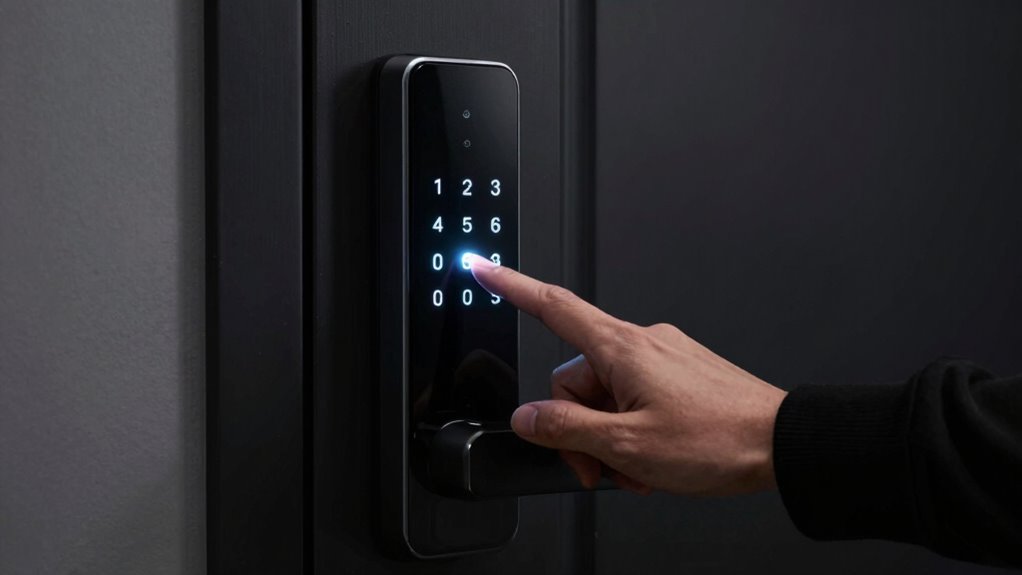
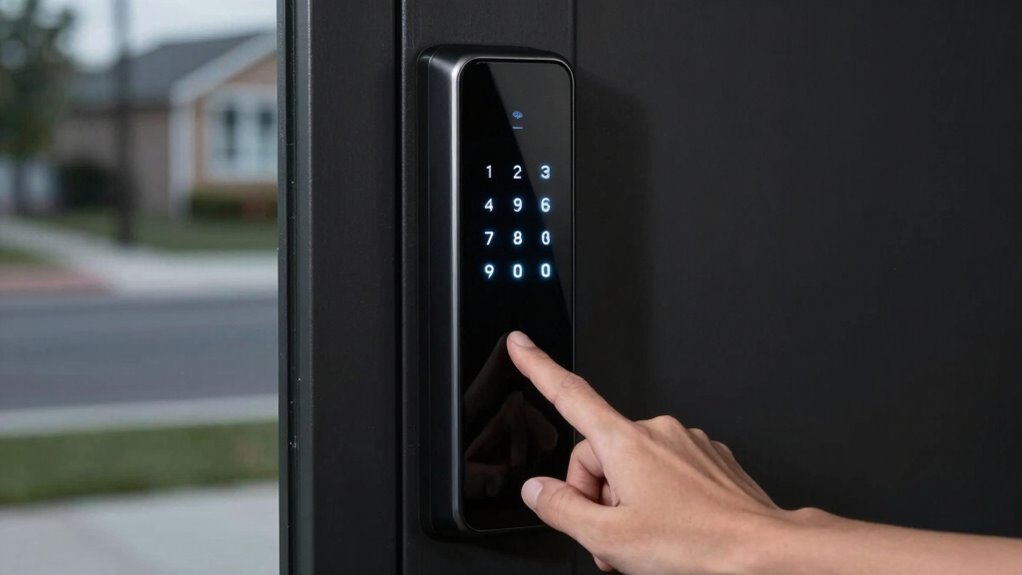
Smart locks have become a popular way to enhance home security and convenience, but they also raise significant privacy concerns. While they promise easy access and control, the thought of unauthorized access can make you uneasy. If a hacker gains control of your smart lock, they can disengage your door without your permission, putting your home and loved ones at risk. This fear of unauthorized access isn’t unfounded, especially as cybercriminals become more sophisticated. They might exploit vulnerabilities in the lock’s software or hacking loopholes to break in, which can be incredibly unsettling. Knowing that a simple software flaw or weak password could jeopardize your safety keeps many people wary of relying solely on these devices.
Beyond unauthorized access, data breaches are another major worry. Smart locks generate and store sensitive information, such as access logs, user codes, and personal details. If this data isn’t properly protected, it can be stolen or leaked in a data breach. Imagine your private access history falling into the wrong hands, revealing when you’re home or away — a breach of your privacy that can lead to theft or worse. These data breaches aren’t just hypothetical; they happen more often than you’d like, especially if the manufacturer’s security measures are weak or poorly maintained. The idea that your home’s security data could be compromised adds an extra layer of concern. Additionally, the use of vetted security protocols and regular updates can help mitigate these risks, but many users overlook the importance of these measures. Improving cybersecurity can significantly reduce the likelihood of such breaches. Being aware of potential vulnerabilities can help you take proactive steps to safeguard your data and devices.
You might also worry about the possibility of someone hacking into your smart lock remotely. Many smart locks connect to Wi-Fi or Bluetooth, which, if not properly secured, can be a gateway for cyberattacks. Insecure connections or outdated firmware can leave your lock vulnerable to remote hacking attempts. Once compromised, an attacker could disarm your door at any time, turning your smart lock into a dangerous vulnerability rather than a security asset. This constant threat of remote intrusion amplifies your anxiety about using smart locks, especially if you’re not tech-savvy or unsure about the security protocols involved. Proper security measures, such as encryption and two-factor authentication, play a crucial role in preventing unauthorized access. Additionally, regularly updating your device’s firmware and changing default passwords are simple yet effective ways to enhance your digital security.
Ultimately, your nervousness about smart locks stems from the potential consequences of security breaches. Unauthorized access and data breaches threaten your safety and privacy, making you question whether the convenience of smart locks outweighs the risks. While many manufacturers work hard to improve their security, the reality is that every connected device has some level of vulnerability. Until these concerns are fully addressed, you’re right to feel cautious and vigilant about how much trust you place in these digital security devices.
As an affiliate, we earn on qualifying purchases.
Frequently Asked Questions
Can Smart Locks Be Hacked Remotely?
Yes, smart locks can be hacked remotely if cybersecurity threats aren’t properly managed. Hackers exploit vulnerabilities in Wi-Fi or Bluetooth connections, risking your privacy concerns. To stay safe, guarantee your lock’s firmware updates regularly, use strong, unique passwords, and enable two-factor authentication when available. Staying aware of cybersecurity threats helps protect your home, giving you peace of mind about remote access and your privacy.
What Happens if the Lock’s Software Is Outdated?
Imagine your smart lock as a gatekeeper with a weathered shield. If the software’s outdated, security vulnerabilities can creep in, leaving your home exposed like a fortress with cracks. Without timely software updates, hackers might find easier ways to bypass your lock’s defenses. To keep the gate locked tight, regularly update the software, ensuring your digital guard remains vigilant and resilient against potential threats.
Are Smart Locks More Vulnerable Than Traditional Locks?
Smart locks can be more vulnerable than traditional locks because of their reliance on digital systems. While they enhance user convenience, they also open up potential risks to physical security if hackers find ways to breach the software. However, with proper security measures like strong passwords and regular updates, you can mitigate these vulnerabilities. Still, it’s essential to weigh the convenience against the possible risks to your overall safety.
How Are User Access Logs Stored and Protected?
User access logs are stored securely on the manufacturer’s servers, like a vault guarding valuable secrets. They use data encryption to protect your information from prying eyes, ensuring user privacy remains intact. Access logs are often monitored and protected through strict security measures, so your activity stays confidential. Rest assured, reputable brands prioritize your data’s safety, making sure your digital footprint is shielded from potential threats.
Can Smart Locks Be Bypassed Without a Key?
Yes, smart locks can sometimes be bypassed without a key, especially if physical security isn’t strong or if vulnerabilities exist. Hackers or intruders might exploit software weaknesses, use relay attacks, or find ways to disable the lock’s electronic features. This risk affects your user privacy, making it essential to choose reliable brands and verify your smart lock’s firmware is updated regularly to prevent unauthorized access.
smart lock hacking protection devices
As an affiliate, we earn on qualifying purchases.
As an affiliate, we earn on qualifying purchases.
Conclusion
So, as you consider smart locks, remember the balance between convenience and caution. They promise ease, but also pose risks; they offer control, but also invite vulnerabilities. Your security depends on awareness, your peace of mind on vigilance. Embrace the future with confidence, but stay cautious. Because in the end, smart locks are about more than technology—they’re about protecting your home, your privacy, and your peace of mind. Stay informed, stay secure.
Wi-Fi smart lock with encryption
As an affiliate, we earn on qualifying purchases.
As an affiliate, we earn on qualifying purchases.
As an affiliate, we earn on qualifying purchases.
Columbus Day / Indigenous Peoples' Day Picks
long weekend sales
As an affiliate, we earn on qualifying purchases.