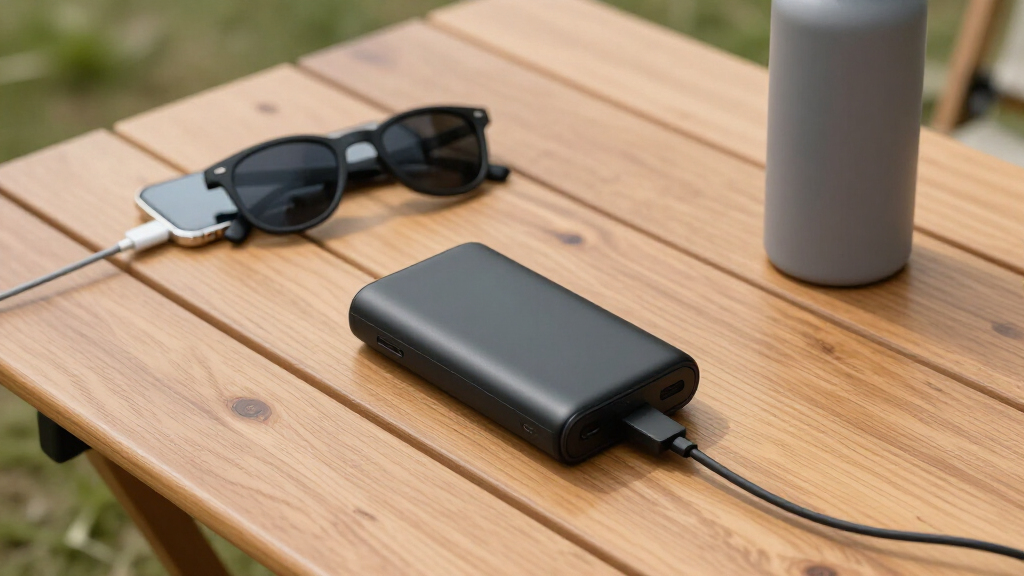

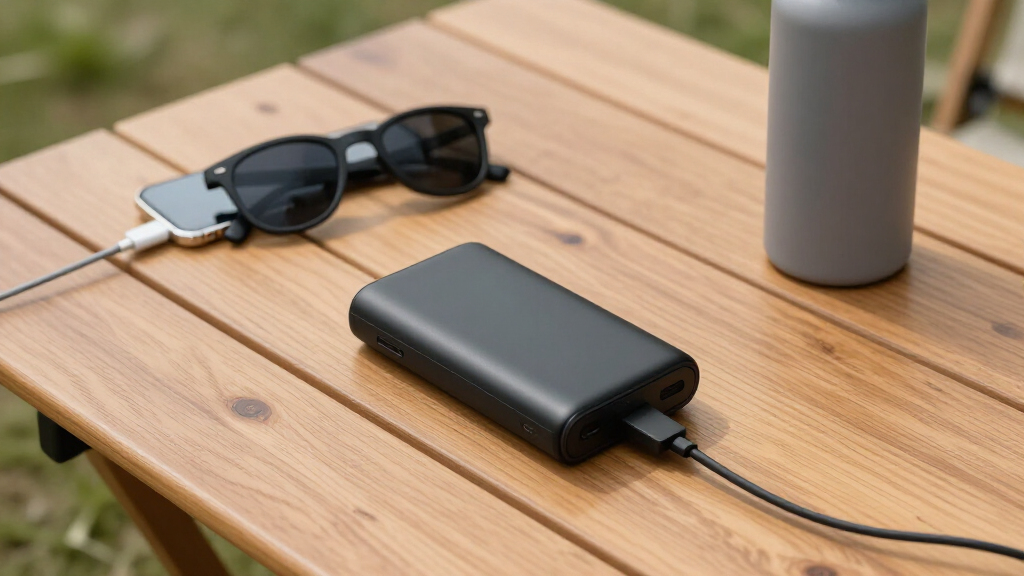
Portable power banks have quietly split into distinct categories, and picking the wrong one usually comes down to mismatched expectations: a slim 10,000mAh charger that disappears into a pocket cannot feed a laptop, while a 300W monster is overkill for topping up a phone. After comparing 14 models across capacity, output wattage, charging speed, and real-world portability, the Anker 25,000mAh 165W Power Bank stands out as the best overall pick because it handles phones and laptops without being truly burdensome. If budget matters most, the INIU 20,000mAh 22.5W delivers remarkable capacity-per-dollar, and the Anker MagGo Qi2 is the clear choice for anyone who wants cable-free topping up. The rest of this guide breaks down every pick by buyer type, including solar, ultra-compact, and high-capacity options — keep reading for the full comparison.

Get the latest gadgets delivered free — and shop member deals
- Fast, free delivery on millions of items
- Access to Prime Big Deal Days deals on October 6–7
- Prime Video, Amazon Music and more included
Complete the kit



Key Takeaways
- Capacity alone is misleading: the Anker Prime 26,250mAh at 300W outperforms the ZZI 60,000mAh at 22.5W for laptop users because output wattage, not raw mAh, determines what devices a bank can actually charge.
- Built-in USB-C cables (Anker 20,000mAh and Anker Zolo 20,000mAh) proved to be the most underrated convenience feature in the lineup, eliminating the most commonly forgotten accessory.
- The 10,000mAh tier showed the widest quality spread — the INIU 45W and Anker MagGo justify their premiums over the Miady 2-Pack only if you need fast charging or magnetic mounting.
- True power stations (Daran 89.6Wh and Jackery 292Wh) only belong in this conversation for car camping or emergency backup; they fail the basic pocket test that defines portable power banks.
- Anker models dominated five of the top positions, largely on consistent recharging speed and build quality, while INIU offered the strongest value alternatives at both the 10,000mAh and 20,000mAh sizes.


| portable power bank | Capacity | Ports | Dimensions | Weight |
|---|---|---|---|---|
| Anker Power Bank 20,000mAh wit | 20,000mAh | — | 6.2 × 2.9 × 1.0 inches | 15.5 oz |
| Anker Power Bank | 10,000mAh | USB-C (input/output) | 5.99 × 2.81 × 0.61 inches | 8.6 oz |
| Miady 2-Pack Portable Charger | 2 × 10,000mAh | 4 total (USB-A and USB-C) | 5.5 × 2.6 × 0.6 inches each | 7.68 oz each |
| BLAVOR Solar Power Bank 10,000 | 10,000mAh | — | — | — |
| Anker MagGo Power Bank | 10,000mAh | 1 USB-C | — | — |
| Anker 25,000mAh Laptop Power B | 25,000mAh | — | — | — |
| INIU 10000mAh 45W Fast Chargin | — | 2 USB-C, 1 USB-A | — | — |
| Anker Prime Power Bank | — | 3 (USB-A and USB-C) | — | — |
| Daran Portable Power Station 8 | 89.6Wh | 2 AC, 2 USB-C, 2 USB-A, DC5521 | 6.5 × 3.3 × 4 inches | 2.54 pounds |
| INIU 10000mAh 45W Fast Chargin | — | 2 USB-C, 1 USB-A | — | — |
| Anker Zolo Power Bank | — | 3 | 4.72 × 2.89 × 1.23 inches | 12.45 oz |
| Jackery Explorer 300 Portable | 292Wh | — | 9.1 × 5.2 × 7.8 inches | 7.5 lbs |
| ZZI Portable Charger Power Ban | — | 3 | 5.8 × 2.9 × 1.1 inches | — |
| INIU Portable Charger | 20,000mAh | — | — | Approx. 11 oz |
More Details on Our Top Picks
Anker Power Bank 20,000mAh with Built-in USB-C Cable
Most power banks force a choice between phone charging and laptop support, but this Anker 20,000mAh model handles both thanks to 87W output — enough to fast-charge a MacBook, not just top up a phone. The built-in USB-C cable is the detail that wins the top spot: no forgotten cables, no extra pocket bulk, and it recharges itself in about 1.5 hours with a 65W charger, which most competitors can’t match. Compared with the Anker Zolo 20,000mAh at 30W, this one is clearly the pick for anyone carrying a laptop. The tradeoff is weight — at 15.5 oz it’s noticeably heavier than slim 10,000mAh options like the Anker PowerIQ 10,000mAh, and if you need laptop-class power for multi-day trips off-grid, the Anker Prime 26,250mAh offers more headroom.
Pros:- 87W output fast-charges laptops, not just phones
- Built-in USB-C cable eliminates cable management
- Self-recharges in about 1.5 hours with a 65W charger
- Airline-approved capacity for carry-on travel
Cons:- At 15.5 oz it’s heavy for a pocket or small bag
- Needs a 65W charger to hit the fast recharge time
- Capacity falls short of the Anker Prime 26,250mAh for multi-day use
Best for: Travelers and remote workers who need one bank for both a laptop and a phone
Not ideal for: Minimalists who only carry a phone — the weight and capacity go to waste
- Capacity:20,000mAh
- Power Output:87W
- Built-in Cable:USB-C
- Dimensions:6.2 × 2.9 × 1.0 inches
- Weight:15.5 oz
- Recharge Time:~1.5 hours with 65W charger
- Airline Approved:Yes
Our verdict“If you want a single power bank that covers a laptop and phone through a long travel day, this is the most balanced pick in the lineup.”
Anker Power Bank, 10,000mAh Portable Charger, PowerIQ USB-C Battery Pack
Where the Anker 20,000mAh prioritizes raw power, this 10,000mAh PowerIQ bank prioritizes pocketability and durability. At just over half an inch thick and 8.6 oz, it slides into a jacket pocket without notice — something none of the 20,000mAh options can claim. The USB-C port handles both input and output, so a single cable covers charging the bank and your phone. Compared with the Miady 2-Pack, this model gives up multi-port flexibility but gains drop protection and scratch resistance, which matters if it lives at the bottom of a bag. The real limit is capacity: roughly two charges for an iPhone 15, and a tablet will drain most of it. For heavier days, the INIU 20,000mAh is the smarter swap.
Pros:- Slim 0.61-inch profile fits comfortably in a pocket
- Drop protection and scratch-resistant build
- Single USB-C port handles input and output
- Fast charging for iPhone, Galaxy, and iPad mini
Cons:- Only about two full charges for a modern phone
- No extra ports for charging multiple devices at once
Best for: Commuters and students who want a slim, tough daily-carry backup for a phone
Not ideal for: Tablet or multi-device users — 10,000mAh disappears fast beyond a single phone
- Capacity:10,000mAh
- Ports:USB-C (input/output)
- Dimensions:5.99 × 2.81 × 0.61 inches
- Weight:8.6 oz
- Charging Tech:PowerIQ fast charging
- Build:Scratch-resistant, drop-protected
Our verdict“This is the power bank for people who forget they’re carrying one — until their phone hits 10 percent.”
Miady 2-Pack Portable Charger, Slim 10000mAh Power Bank for Travel
The pitch here isn’t one power bank — it’s two slim 10,000mAh banks for the price of one premium single unit. That makes this Miady 2-Pack the natural choice for families or couples: one in each bag, or one as a dedicated emergency backup in the glovebox. Each unit charges up to three devices simultaneously across USB-A and USB-C ports, which the Anker PowerIQ 10,000mAh can’t do with its single port. Compared with the Anker MagGo, these lack wireless charging and refined build quality, but the flexibility argument is strong. Tradeoffs are real: output tops out around 2.4A, so this is steady trickle power rather than laptop-grade speed, no Lightning cable is included, and warranty terms are vague — a meaningful gap next to Anker’s coverage.
Pros:- Two banks in one purchase for backup or sharing
- Charges up to three devices simultaneously per unit
- Slim, lightweight 7.68 oz design travels easily
- Auto shut-off and LED indicators for safe, visible operation
Cons:- 2.4A output is slow by modern fast-charging standards
- No Lightning cable included
- Warranty details are unclear compared with Anker alternatives
Best for: Families, couples, or anyone who wants a primary bank plus a dedicated emergency spare
Not ideal for: Laptop users or anyone needing fast-charge speeds above 2.4A
- Capacity:2 × 10,000mAh
- Ports:4 total (USB-A and USB-C)
- Output Current:2.4A
- Battery Type:Lithium Polymer
- Dimensions:5.5 × 2.6 × 0.6 inches each
- Weight:7.68 oz each
- Features:Auto shut-off, LED indicators
Our verdict“If your priority is coverage — two people, two bags, two banks — this delivers more practical value than any single premium unit.”
BLAVOR Solar Power Bank 10,000mAh Portable Wireless Charger
Every other bank on this list needs a wall outlet eventually — the BLAVOR Solar at least offers a Plan B. Its IPX5 waterproof, dustproof, shockproof shell plus built-in flashlights and a compass make it the only option here built for a backpack rather than a briefcase, and the 20W USB-C fast charging with wireless pad covers phones without any cable at all. Compared with the Anker MagGo, wireless output is slower, but the BLAVOR shrugs off rain and drops that would sideline a sleeker bank. Honesty is required on the solar panel: it’s a trickle-charge emergency feature, not a primary recharging method, and low sunlight makes it slower still. It’s also chunkier than the Anker PowerIQ 10,000mAh, so this belongs in a pack, not a pocket.
Pros:- IPX5 waterproof, dustproof, shockproof construction for real outdoor abuse
- Solar panel provides an emergency off-grid recharge option
- 20W USB-C fast charging plus wireless pad for cable-free top-ups
- Built-in dual flashlights and compass for outdoor readiness
Cons:- Solar charging is slow and unreliable in weak sunlight
- Larger and heavier than pocket-sized 10,000mAh rivals
- Costs more than basic chargers of the same capacity
Best for: Hikers, campers, and emergency-kit builders who need ruggedness and an off-grid recharge option
Not ideal for: Daily commuters — it’s bulkier and pricier than slim 10,000mAh alternatives for the same capacity
- Capacity:10,000mAh
- Fast Charging:20W USB-C
- Wireless Charging:Yes
- Materials:Flame-retardant ABS and PC
- Battery Type:Lithium-cobalt
- Extras:Flashlights, compass, solar panel
Our verdict“Buy this for the trail and the emergency kit, not the office — its value is durability and redundancy, not speed.”
Anker MagGo Power Bank, 10,000mAh Qi2-Certified 15W Portable Charger
Qi2-certified 15W magnetic charging is what sets the Anker MagGo apart: snap it onto the back of an iPhone 12 through 16 and charging starts instantly — no cable, no alignment fuss. The metal frame and thermal insulation keep wireless charging cool, which cheaper magnetic banks struggle with, and a 30W USB-C port adds wired speed when needed. Compared with the BLAVOR Solar, the MagGo charges faster wirelessly and recharges itself in about 2.5 hours, but it has none of the rugged outdoor credentials. The honest limitation is focus: this is engineered around MagSafe iPhones, and Android owners get little benefit from the magnetic pad. If you want one bank for a mixed household of devices, the Anker 20,000mAh or the Miady 2-Pack serve better.
Pros:- Qi2-certified 15W magnetic wireless charging snaps neatly to iPhones
- 30W USB-C port for faster wired charging
- Metal frame with thermal insulation keeps charging cool
- Recharges fully in about 2.5 hours
Cons:- Effectively iPhone-only in its wireless design
- 10,000mAh strains to cover multiple devices in one outing
Best for: iPhone 12–16 owners who want snap-on wireless charging without cables
Not ideal for: Android users — the magnetic pad and Qi2 tuning offer little advantage over cheaper USB-C banks
- Capacity:10,000mAh
- Wireless Charging:Qi2 / MagSafe, 15W
- Wired Output:30W USB-C
- Ports:1 USB-C
- Battery Type:Lithium Polymer
- Recharge Time:~2.5 hours
- Compatibility:iPhone 12/13/14/15/16 series
Our verdict“For a MagSafe iPhone household, this is the cleanest cable-free charging experience in the roundup — everyone else should look elsewhere.”
Anker 25,000mAh Laptop Power Bank with 165W Output
This option stands out as the pick for buyers whose primary concern is keeping a laptop alive away from an outlet. With three 100W USB-C ports and a 165W total output, it can run a MacBook and a phone at the same time without dropping to trickle speeds — something the Anker Zolo 20,000mAh, with its 30W ceiling, simply cannot do. The dual built-in cables eliminate the “forgotten cable” problem that plagues the INIU models, which rely on a detachable cord. The tradeoff is weight and cost of ownership: it is noticeably heavy in a backpack, and Anker does not include a wall charger, so you need to supply your own 100W brick to exploit the fast recharge. Compared with the Anker Prime below, it trades raw output and smart features for a simpler, cheaper package.
Pros:- Three 100W USB-C ports allow simultaneous laptop and phone charging
- Built-in retractable cables mean one less thing to pack
- 25,000mAh capacity delivers multiple full laptop recharges
- Airline-friendly at just under the 100Wh limit
Cons:- No wall charger included, so fast recharging requires an extra purchase
- Heavy and bulky compared with slimmer travel-focused banks
Best for: Remote workers and students who need to charge a laptop plus peripherals during long days out or on flights
Not ideal for: Minimalists who only top up a phone — at this size and weight it is overkill next to a slim 10,000mAh bank
- Capacity:25,000mAh
- Total Output:165W
- USB-C Ports:3 (100W each)
- Built-In Cables:Yes, two (extendable, durable strap)
- Compatibility:Laptops, smartphones, tablets
- Recharge Speed:Ultra-fast with 100W charger
- Airline Friendly:Yes (complies with 100Wh restrictions)
Our verdict“Buy this if a laptop is part of your daily carry; skip it if you only need phone backup.”
INIU 10000mAh 45W Fast Charging Portable Charger
For buyers who want fast charging without a fast price, this INIU model is the sweet spot in the roundup. Its 45W output is enough to fast-charge most phones and even a small tablet — a real step up from the 22.5W INIU 20,000mAh bank, which holds more power but charges devices slower. At 40% smaller and 36% lighter than conventional chargers, it slips into a jacket pocket in a way the Anker 25,000mAh laptop bank never could. The detachable braided USB-C cable adds durability over the fixed built-in cable on the Anker Zolo, since you can replace it if it frays. The honest tradeoff is capacity: 10,000mAh means roughly two phone charges, so weekend travelers who drain devices constantly will run dry. Note that it needs a USB-C power source to recharge efficiently.
Pros:- 45W output fast-charges phones and tablets, not just trickles them
- Dramatically smaller and lighter than standard power banks
- Detachable braided cable is replaceable if damaged
- TSA-compliant for carry-on travel
Cons:- Limited capacity for multiple full device charges
- No built-in cables, so the bank is useless if the detachable cord is left behind
Best for: Budget-conscious commuters and short-trip travelers who prioritize pocketability and fast top-ups over raw capacity
Not ideal for: Power-hungry users or multi-device households — two phone charges per outing will not cut it
- Battery Capacity:10,000mAh
- Output:45W fast charging
- Ports:2 USB-C, 1 USB-A
- Voltage:12V
- Amperage:3A
- Size:40% smaller, 36% lighter than conventional chargers
- Cable:Detachable braided USB-C
- Airline Safe:TSA-compliant
Our verdict“The best price-to-performance choice for everyday phone backup, as long as two charges per day is enough.”
Anker Prime Power Bank, 26,250mAh, 300W Fast Charging
This is the maximum-power option in the entire lineup, and it earns its premium role through sheer capability: 300W total output is nearly double what the Anker 25,000mAh laptop bank delivers, and the smart display plus app control let you monitor per-port draw in a way no INIU or Zolo model can match. The dual USB-C input recharges the bank itself faster than anything else here, which matters when you prep gear the night before a trip. The obvious tradeoff is price — you pay a premium for features many buyers will never use — and at 26,250mAh it sits right at the upper limit of airline rules, so frequent flyers should double-check carrier policies before packing it. Some niche devices, like the Starlink Mini, may not negotiate power properly with it either.
Pros:- 300W total output powers a laptop and multiple devices at full speed
- Industry-leading dual USB-C input recharges the bank very quickly
- Smart display and app provide detailed charging management
- Three ports across USB-C and USB-A cover mixed device setups
Cons:- Premium pricing that outpaces what most users need
- 26,250mAh capacity sits near airline watt-hour limits — verify carrier rules
- Compatibility issues reported with certain niche devices like the Starlink Mini
Best for: Tech-heavy travelers and creators who charge a laptop, camera gear, and phone simultaneously and want granular control over power delivery
Not ideal for: Casual users or value shoppers — a 10,000mAh INIU covers basic phone backup for a fraction of the outlay
- Battery Capacity:26,250mAh
- Total Output:300W
- Ports:3 (USB-A and USB-C)
- Voltage:28V
- Amperage:5A
- Battery Cell Type:Lithium Polymer
- Special Features:Smart display, app control, dual USB-C input
Our verdict“The power user’s choice when money is secondary to capability; everyone else should step down to the cheaper Anker or INIU picks.”
Daran Portable Power Station 89.6Wh LiFePO4 Battery with 100W Output
This model plays a different position than everything else here — it is a mini power station, not a pocket power bank. The Daran’s killer feature is its two AC wall outlets, which no conventional bank in this roundup offers; that means running a lamp, a small fan, or a CPAP-style device when the grid is down. Its LiFePO4 chemistry rated for 3,500+ cycles also outlasts the lithium-polymer cells in the Anker Prime, making it the better long-term emergency investment. Compared with the larger Jackery Explorer 300, it trades capacity for portability — at 2.54 pounds it still fits in a backpack. The tradeoffs are real, though: 100W output caps what it can run (no hair dryers or kettles), and the solar panel is sold separately, so off-grid charging costs extra.
Pros:- Two AC outlets plus USB-C, USB-A, and DC ports cover nearly any device type
- LiFePO4 battery rated for 3,500+ charge cycles for years of service
- Four recharge methods: wall, USB-C PD, car, and solar
- Silent operation with a built-in LED flashlight for emergencies
Cons:- Solar panel sold separately, adding to the true cost of off-grid use
- 100W continuous output excludes higher-draw appliances
Best for: Campers, van lifers, and households wanting silent emergency backup power for AC devices during outages
Not ideal for: Daily commuters — at 2.54 pounds with no pocketable shape, it is impractical next to a 10,000mAh slim bank
- Capacity:89.6Wh
- Battery Type:LiFePO4
- Output Power:100W (200W peak)
- Ports:2 AC, 2 USB-C, 2 USB-A, DC5521
- Charging Methods:AC wall, USB-C PD, car, solar panel
- Cycle Life:3,500+ cycles
- Weight:2.54 pounds
- Dimensions:6.5 × 3.3 × 4 inches
Our verdict“Buy it for camping trips and outage preparedness where AC outlets matter; stick with a standard power bank for everyday phone charging.”
INIU 10000mAh 45W Fast Charging Portable Charger (Newer Model)
Where the earlier INIU 45W model is the value pick, this newer version earns the ultra-compact role by tightening the details: a 1.5-hour recharge time means the bank itself refills faster than most rivals in this size class, and its broad compatibility list — iPhone, Galaxy, Pixel, iPad, Apple Watch, AirPods — makes it a safe gift-style purchase for mixed-device households. Compared with the Anker MagGo Qi2 bank, it forgoes wireless charging entirely, which is a genuine miss for MagSafe iPhone owners but keeps the price and profile down. Against the INIU 20,000mAh bank, you give up half the capacity in exchange for something that genuinely disappears into a pocket. The honest limitation is the same as its sibling: 10,000mAh is emergency-backup territory, not expedition gear, and it still needs a wall outlet to refill.
Pros:- Recharges itself in just 1.5 hours
- 45W output fast-charges phones, tablets, and earbuds
- Broad compatibility across iPhone, Android, iPad, and watch ecosystems
- TSA-compliant and genuinely pocket-sized
Cons:- 10,000mAh capacity limits it to emergency or single-day backup duty
- No wireless charging, unlike pad-equipped rivals
- Detachable cable can be lost, leaving you without a connection
Best for: Travelers and everyday carriers who want the smallest possible bank that still fast-charges a phone and refills quickly itself
Not ideal for: Wireless-charging fans and heavy users — no Qi pad, and one bank cannot cover a full day of constant device use
- Battery Capacity:10,000mAh
- Output Wattage:45W
- Ports:2 USB-C, 1 USB-A
- Voltage:12V
- Output Current:3A
- Recharge Time:1.5 hours
- Compatible Devices:iPhone, Samsung Galaxy, Google Pixel, iPad, Apple Watch, AirPods
- Airline Safe:TSA-compliant
Our verdict“The tiniest capable backup in the lineup — grab it for pocket carry, but do not expect it to replace a high-capacity bank.”
Anker Zolo Power Bank, 20,000mAh, 30W Portable Charger with Built-in USB-C
Most 20,000mAh power banks make you carry a separate cable, which is exactly the thing that goes missing in a backpack. This model solves that with a durable built-in USB-C cable that tucks into the body, and that single design choice makes it more travel-friendly than the standard Anker Power Bank 20,000mAh, which offers similar capacity but relies on your own cords. The 30W two-way charging means a modern phone tops up quickly, and the bank itself refills in around five hours.
The tradeoff: 30W is fine for phones and tablets but falls short of the 45W INIU or the 165W Anker laptop bank if you need to charge a notebook. There’s also no wireless option, unlike the Anker MagGo. This pick makes the most sense for travelers who value grab-and-go convenience over raw wattage.
Pros:- Built-in USB-C cable eliminates the need to pack cords
- 20,000mAh capacity provides three to four full phone charges
- 30W output charges modern smartphones quickly
- Three ports allow simultaneous device charging
Cons:- 30W output is underpowered for laptops and larger devices
- No wireless charging despite the integrated design
- 20W input means full recharges still take about five hours
Best for: Frequent travelers who want multiple phone charges without carrying extra cables
Not ideal for: Laptop users — 30W output isn’t enough to meaningfully charge most notebooks
- Battery Capacity:20,000mAh
- Output Power:30W
- Input Power:20W
- Built-in Cable:USB-C
- Ports:3
- Dimensions:4.72 × 2.89 × 1.23 inches
- Weight:12.45 oz
- Recharging Time:5 hours
Our verdict“The best choice for cable-averse travelers who need serious capacity for phones and tablets, not laptops.”
Jackery Explorer 300 Portable Power Station, 292Wh
This isn’t really a power bank in the pocket sense — it’s a portable power station with AC outlets, and that’s precisely why it earns a spot. Where the Anker Prime 26,250mAh excels at charging laptops on a train, the Explorer 300 can run a CPAP machine, a small fan, or camera gear off-grid for a weekend. The LiFePO4 chemistry rated for 4,000+ cycles means it should outlast every lithium-polymer bank in this lineup by years, and the integrated handle plus 7.5 lb weight keep it genuinely portable.
Compared with the Daran 89.6Wh station, this one triples the capacity but costs and weighs more. The 300W ceiling rules out kettles, hair dryers, and power tools. Solar charging works well, but the panel is sold separately — factor that into the real cost.
Pros:- AC outlets power devices no standard power bank can handle
- LiFePO4 cells rated for over 4,000 charge cycles
- Lightweight for its class with a built-in carrying handle
- Solar-ready for genuinely off-grid recharging
Cons:- 300W output can’t run high-wattage appliances
- Solar panel sold separately adds to total cost
- Much heavier and bulkier than any conventional power bank
Best for: Campers, van-lifers, and anyone needing AC power for small devices away from outlets
Not ideal for: Daily commuters and flyers — it’s far too heavy for a bag and not TSA-friendly
- Capacity:292Wh
- Output Wattage:300W
- Outlets:2 AC, 1 USB-C, 2 USB-A, 1 car port
- Battery Cell Type:Lithium Ion (LiFePO4)
- Weight:7.5 lbs
- Dimensions:9.1 × 5.2 × 7.8 inches
- Charge Time:4 hours
Our verdict“The right pick if your adventures require wall-style AC power, not just phone top-ups.”
ZZI Portable Charger Power Bank 60000mAh, 22.5W PD Fast-Charge Battery Pack
When 20,000mAh isn’t enough, this 60,000mAh monster is the answer — roughly triple the capacity of the Anker Zolo in the same roundup. That translates to well over a week of phone charges, or keeping an entire group’s devices alive on a multi-day trip. The digital display showing exact remaining percentage is more useful than the typical four-dot guesswork, and charging five devices at once makes it a natural hub for family or group travel.
The compromises are real, though. This bank is banned from airplanes because it far exceeds the TSA’s 100Wh limit — a dealbreaker for anyone flying. The 7-hour recharge time means you’ll want to plug it in overnight, and at this size it’s a bag-packer, not a pocket-carrier. Compared with the INIU 20,000mAh, you’re trading portability and air-travel compliance for sheer endurance.
Pros:- 60,000mAh capacity provides roughly ten-plus full phone charges
- Charges up to five devices simultaneously
- Digital LED display shows precise remaining battery
- Comprehensive multi-layer safety protection suite
Cons:- Not permitted on airplanes due to capacity limits
- Seven-hour recharge time requires overnight planning
- Bulky and heavy compared with 10,000–20,000mAh alternatives
Best for: Road-trippers, festival-goers, and families who need days of backup power without an outlet
Not ideal for: Air travelers — the capacity exceeds airline limits and cannot be carried on
- Battery Capacity:60,000mAh
- Output Power:22.5W
- Ports:3
- Connector Types:USB Type A, USB Type C
- Battery Cell Type:Lithium Polymer
- Charging Time:7 hours
- Dimensions:5.8 × 2.9 × 1.1 inches
- Safety Features:Overcharge, overcurrent, overdischarge, overvoltage, short-circuit protection
Our verdict“Buy it for ground-based adventures where outlets are scarce; skip it entirely if you fly.”
INIU Portable Charger, 20000mAh, 22.5W Fast Charging Power Bank
This is the straightforward, no-nonsense pick: 20,000mAh of capacity with a built-in USB-C cable at a friendlier price point than the comparable Anker Zolo. You give up a little charging speed — 22.5W versus the Zolo’s 30W — but for most phones the real-world difference is minutes, not hours. The TSA approval means it flies without hassle, unlike the ZZI 60,000mAh, making it the safer choice for anyone who travels by air.
Small touches matter here: the flashlight is genuinely handy for campsite late-night device wrangling, and the detachable nylon lanyard makes it easy to hang from a backpack. At roughly 11 oz it’s lighter than the Zolo, though still noticeable in a jacket pocket. Compared with the INIU 10,000mAh 45W, this model favors capacity over speed — the right call for weekend trips rather than quick day outings.
Pros:- Built-in USB-C cable removes the need for extra cords
- TSA-approved for hassle-free air travel
- Flashlight and detachable lanyard add everyday utility
- 20,000mAh capacity covers a full weekend of phone use
Cons:- 22.5W charging trails the 30W–45W options in this roundup
- Three-year warranty is shorter than some competitors
- 11 oz weight is noticeable in a pocket or slim bag
Best for: Budget-minded travelers who want reliable multi-day capacity that’s flight-safe
Not ideal for: Anyone wanting maximum charging speed for tablets or fast-charge laptops
- Capacity:20,000mAh
- Fast Charging Power:22.5W
- Built-in Cable:USB-C
- Weight:Approx. 11 oz
- Travel Compliance:TSA-approved
- Additional Features:Detachable nylon lanyard, flashlight
Our verdict“The smart budget pick for travelers who want Anker-class capacity and convenience without paying extra for speed.”
How We Picked
I evaluated each power bank against the questions buyers actually ask: how many phone charges does it really deliver, can it fast-charge the devices you own, how heavy is it to carry daily, and how quickly does the bank itself refill? Output wattage was weighted heavily because it separates phone chargers from laptop-capable banks — a 20W bank and a 165W bank are fundamentally different products despite similar capacity labels. Portability was judged on weight and pocketability, not just dimensions, since a slim-but-dense 20,000mAh bank can feel worse to carry than a chunkier lighter one.
I also factored in convenience features like built-in cables, Qi2 magnetic mounting, and solar top-ups, crediting them only when they genuinely replace something you’d otherwise carry. Build quality, brand support reputation, and capacity-per-dollar rounded out the ranking. Products were then ordered by how well they serve their intended buyer — which is why a budget two-pack and a 292Wh power station can both appear on the same list despite being aimed at completely different people.
Factors to Consider When Choosing Portable Power Banks
Before settling on a specific model, it helps to understand the forces shaping every decision in this category. The wrong choice is rarely a bad product — it’s a good product paired with the wrong job.Capacity: Read Between the mAh Numbers
Marketed capacity and delivered capacity are never the same, because the 3.7V cell voltage inside the bank must convert to the 5V or 9V your device receives — expect to use roughly 60–70% of the rated mAh in practice. A 10,000mAh bank delivers about two full phone charges, while 20,000mAh covers four to five plus a tablet top-up. The common mistake is overbuying: a daily commuter who charges nightly gains nothing from 60,000mAh except a brick they’ll stop carrying. Reserve big capacities for flights, festivals, field work, or multi-day trips away from outlets. Also check whether your airline allows the bank — anything above roughly 27,000mAh (99Wh) is typically prohibited in carry-on luggage.
Output Wattage: The Spec Everyone Undervalues
Wattage determines what a bank can charge, not just how fast. Modern phones accept 20–45W, tablets want 30W, and most laptops refuse to negotiate below 45–65W, meaning a low-wattage bank may charge a laptop slowly or not at all. This is why a 60,000mAh bank at 22.5W can be worse for a MacBook user than a 25,000mAh bank at 165W. If you own USB-C laptops or a Steam Deck, treat 65W as your floor and 100W-plus as comfortable. For phone-only users, 20–30W is plenty, and paying for 300W is wasted money that could go toward capacity instead.
Weight and Size: The Bank You Actually Carry
The best power bank is the one you have with you when the battery icon turns red, and every 5,000mAh adds roughly 100 grams. A 10,000mAh slim model sits in the 180–250g range and fits a jacket pocket; a 20,000mAh bank crosses 350g and wants a bag; 60,000mAh monsters approach half a kilo and belong in a backpack or car. Be honest about your carry habits before buying — the graveyard of unused power banks is full of high-capacity models left at home because they were too heavy. People who carry a purse or backpack daily can comfortably upsize; minimalists should stay at 10,000mAh and accept the tradeoff.
Recharging the Bank Itself
A frequently overlooked spec is how long the bank takes to refill its own battery, and the spread is dramatic: an 18W-input 20,000mAh bank may need six to seven hours on a wall charger, while a 65W-input model refills in under two. If you travel and recharge overnight, slow input doesn’t matter. If you’re topping up between meetings or on a layover, fast input becomes the difference between a full bank and a half-empty one when you land. Look for USB-C input/output on the same port and check the input wattage in the specs — brands rarely advertise it prominently, but it defines the daily ownership experience as much as output does.
Convenience Features Worth Paying For (and Skipping)
Built-in cables, Qi2 magnetic pads, displays, and solar panels each add real value for specific buyers and cost for everyone else. A built-in USB-C cable removes the single most forgotten accessory and is arguably the best feature in the category. Qi2 magnetic charging suits iPhone users who want snap-on, one-handed charging in transit — Android users get nothing from it. Solar panels sound appealing but provide a trickle that takes full days of direct sun to matter; treat solar as an emergency backup feature, never a primary charging method. Small digital displays showing exact remaining percentage are cheap to include and genuinely useful, so expect them on any bank at this level.
Cell Chemistry and Longevity
Most power banks use lithium-ion cells good for 300–500 full charge cycles before capacity noticeably degrades, which translates to two or three years of typical use. The exception in this lineup is LiFePO4 chemistry, found in the Daran power station, rated for thousands of cycles — worth it for emergency-preparedness gear you want working a decade from now, irrelevant for a bank you’ll replace in three years anyway. Storage behavior matters too: banks self-discharge over months, so emergency kits need topping off a few times a year regardless of chemistry. Buying from established brands also means better cell sourcing and warranty handling, which matters more for a device that lives inside your bag next to everything you own.
Frequently Asked Questions
Is a 10,000mAh power bank enough for a full day away from outlets?
For most phone users, yes — a 10,000mAh bank delivers roughly two full charges of a modern smartphone, which comfortably covers a long day of heavy navigation, photos, and streaming. It stops being enough if you’re also charging a second device, a tablet, or wireless earbuds throughout the day, or if you’re away from power for multiple days. Travelers on long-haul flights who plan to watch video the entire trip will also want 20,000mAh. The honest framing: 10,000mAh is the right default for daily carry, and anything larger should be justified by a specific multi-day or multi-device scenario rather than general anxiety about battery life.
Can a power bank actually charge a laptop, and what specs do I need?
Yes, but only if the bank outputs enough wattage over USB-C with Power Delivery — most laptops require at least 45W to charge at all, and 65W to 100W to charge while you’re actively using the machine. In this lineup, only the Anker 165W, Anker Prime 300W, and Daran power station genuinely satisfy laptop demands; the high-capacity ZZI 60,000mAh bank technically connects but its 22.5W output will barely offset drain on a working laptop. Check your laptop’s charger wattage before buying — it’s printed on the brick — and match or exceed it. Also confirm the bank supports PD 3.0 or later, since some older or budget banks offer USB-C ports without full Power Delivery negotiation.
Are solar power banks like the BLAVOR worth it?
As a primary charging method, no — the small panel on a solar power bank generates 2–5W in direct sunlight, meaning a full solar recharge takes multiple full days of ideal conditions. Where solar earns its place is as a failsafe: hikers, campers, and emergency-kit builders get a trickle that can keep a phone alive indefinitely off-grid when there’s no other option. If your use case involves regular access to wall outlets, you’ll pay a weight and cost premium for a feature you’ll never rely on. The better question to ask yourself is whether you’re ever genuinely without power for more than 48 hours — if not, a conventional bank with faster charging serves you better.
Do I need Qi2 magnetic charging, or is a cable fine?
Qi2 magnetic charging matters almost exclusively for iPhone 12-and-later users who value snap-on convenience — the bank aligns itself and charges wirelessly with one hand, which is genuinely useful on trains, at cafés, or while navigating on foot. The tradeoffs are real: wireless charging caps at 15W, generates heat, and drains the bank faster than a cable would for the same charge delivered. Android users get no magnetic benefit and should ignore the feature entirely. If you already use a MagSafe-style case or wallet, a Qi2 bank like the Anker MagGo fits naturally into your habits; if you’re a cable person, the same money buys more capacity and faster charging elsewhere in this lineup.
Is it better to buy one large power bank or two smaller ones?
Two smaller banks win for households or couples — the Miady 2-Pack approach means both people carry their own charger, and you can split them between a bag and a car glovebox. Two banks also provide redundancy: if one fails or is forgotten, you’re not stranded. A single large bank wins when one person needs to charge a power-hungry device like a laptop, since small banks can’t be combined to reach the wattage a laptop demands. There’s also an airline angle — two sub-10,000mAh banks always fly legally, while one big bank may not. Households with mixed needs often land on both: a shared high-capacity bank for travel plus a couple of slim ones for daily carry.
Conclusion
The right portable power bank depends less on specs and more on what you’re actually charging. For most buyers, the Anker 25,000mAh 165W is the best overall pick — it spans phones, tablets, and laptops while staying carry-friendly, which is exactly why it leads this ranking. Value shoppers should grab the INIU 20,000mAh 22.5W for reliable capacity at a budget price, or the Miady 2-Pack if two slim banks serve a household better than one large one. At the premium end, the Anker Prime 26,250mAh 300W is the best choice for tech-heavy travelers who charge a laptop and multiple devices simultaneously.
Beginners and minimalists can’t go wrong with the Anker 10,000mAh PowerIQ — simple, safe, and pocketable with no confusing features. Specific needs round out the list: the Anker MagGo Qi2 for iPhone users, the INIU 45W slim for fast charging in a small body, the BLAVOR solar for off-grid failsafe power, the ZZI 60,000mAh for multi-device, multi-day trips without laptop demands, and the Daran or Jackery power stations only for camping and home-backup scenarios where portability is no longer the point. Match the bank to the job, and you’ll end up with one you actually carry — which is the only metric that matters.
Fall Picks
fall essentials
As an affiliate, we earn on qualifying purchases.