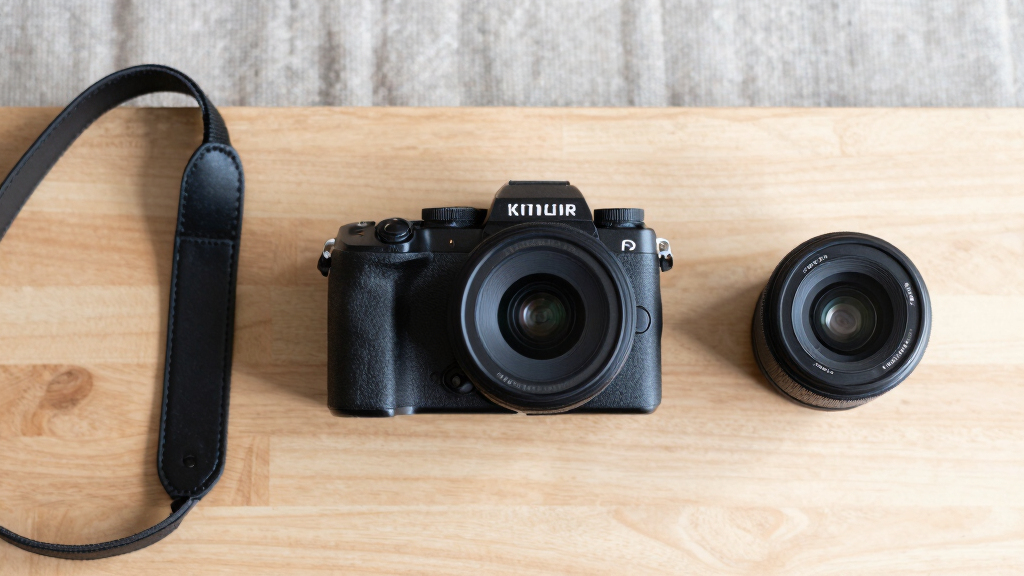

Choosing a full frame mirrorless camera in 2026 involves balancing image quality, versatility, and budget. The Canon EOS R6 Mark II stands out as the best overall for its excellent hybrid capabilities, while the Sony Alpha 7R V offers unmatched resolution for detail-heavy work. The Sony Alpha 7 V shines with fast autofocus and in-body stabilization for dynamic shooting. However, these options come with tradeoffs, such as higher costs or complexity for newcomers. Continue reading to see a detailed breakdown of each model and find the best fit for your needs.
Key Takeaways
- The top models balance resolution, autofocus speed, and video features, with no single camera dominating all categories.
- Price and size vary significantly, making some options better suited for travel or casual shooting, while others serve professional needs.
- In-body stabilization and AI autofocus are key features that improve handheld shooting in latest models.
- Higher resolution cameras tend to be more expensive and generate larger file sizes, impacting storage and workflow.
- Choosing between brands often comes down to lens ecosystem and specific feature preferences, rather than just sensor quality.


More Details on Our Top Picks
Canon EOS R6 Mark II Mirrorless Camera RF24-105mm F4-7.1 is STM Lens Kit, Full-Frame Hybrid Camera, 24.2 Megapixel CMOS Sensor, Photo and Video Capabilities, Black
The Canon EOS R6 Mark II stands out for its impressive balance of high-speed performance and versatile autofocus, making it ideal for hybrid shooters who need both stills and video. Its 24.2MP full-frame CMOS sensor and DIGIC X processor deliver excellent image quality with good low-light capabilities, although it trails behind the Sony A7R V in sheer resolution. The camera’s ability to shoot up to 12 fps with mechanical shutter and 40 fps electronically provides flexibility for action and wildlife photography. Its Dual Pixel CMOS AF II with eye, face, and animal detection ensures reliable subject tracking, comparable to Sony’s autofocus system but with slightly less coverage. A notable tradeoff is the limited maximum ISO compared to higher-end models, which may be a concern in very low light. This camera makes the most sense for advanced enthusiasts and hybrid shooters who want a reliable all-rounder without the premium price of flagship models.
Pros:- Fast burst shooting up to 12 fps with mechanical shutter and 40 fps electronic shutter
- Excellent Dual Pixel CMOS AF II with comprehensive subject detection
- Strong video capabilities including 4K at 60p and 10-bit recording
Cons:- Limited high ISO performance compared to high-resolution models
- Fewer resolution options than Sony’s 61MP sensor in the A7R V
Best for: Ambitious photographers and videographers seeking a balanced hybrid camera with fast autofocus and solid video features.
Not ideal for: Pure portrait or landscape photographers needing ultra-high resolution, since it lacks the 60+ MP sensors found in some competitors like the Sony A7R V.
- Megapixels:24.2 MP
- ISO Range:100-102400, expandable to 204800
- Continuous Shooting:12 fps (mech), 40 fps (electronic)
- Autofocus:Dual Pixel CMOS AF II, 100% coverage
- Video Resolution:4K UHD 60p
- Sensor Type:Full-frame CMOS
Bottom line: This camera suits hybrid shooters who prioritize speed, autofocus, and reliable video over maximum resolution.
Sony Alpha 7R V Full-Frame Mirrorless Camera Interchangeable Lens (Body Only)
The Sony Alpha 7R V is designed for those who demand the highest resolution and intricate detail, making it an outstanding choice for landscape, studio, or commercial work. Its 61MP back-illuminated CMOS sensor paired with the new AI-driven Real-time Recognition AF ensures pinpoint focus on subjects, even in challenging conditions, outperforming many competitors in autofocus precision. The 8x faster BIONZ XR processor enables rapid shooting up to 10 fps with continuous AF/AE tracking, which is ideal for capturing fast-moving subjects in high detail. Video features include impressive 8K at 24p and 4K at 60p, providing flexibility for filmmakers. The main tradeoff is the size and weight—it’s a hefty professional tool—and its high-resolution sensor means larger file sizes and longer processing times. This model makes the most sense for professional photographers who need maximum detail and advanced autofocus capabilities.
Pros:- Outstanding 61MP resolution with exceptional detail
- AI-based Real-time Recognition AF for precise subject tracking
- Supports 8K video and high-speed 4K at 60p for filmmakers
Cons:- Heavy and larger body, less portable for travel
- Files are large, requiring substantial storage and processing power
Best for: Professional photographers and serious enthusiasts prioritizing ultra-high resolution and sophisticated autofocus for detailed imagery.
Not ideal for: Travelers or casual shooters needing a compact, lightweight camera, as the Sony A7R V is relatively bulky and demanding in workflow.
- Megapixels:61.0 MP
- ISO Range:100-32000, expandable
- Autofocus:Real-time Recognition, 693 points
- Continuous Shooting:10 fps
- Video Resolution:8K 24p, 4K 60p
- Sensor Type:Full-frame back-illuminated CMOS
Bottom line: This camera is perfect for high-resolution professionals who need detailed images and advanced autofocus technology.
Sony Alpha 7 V Full-Frame Hybrid Mirrorless Camera: 30fps Blackout-Free Shooting, AI Autofocus, 5-Axis in-Body Stabilization (Body only)
The Sony Alpha 7 V offers a compelling mix of high-speed, blackout-free shooting at 30 fps and advanced AI autofocus, making it an excellent choice for sports, wildlife, or fast-paced videography. Its 33MP sensor, combined with the new BIONZ XR2 processor, delivers up to 16 stops of dynamic range, rivaling the Sony A7R V’s high resolution but with a more manageable file size and workflow. The in-body stabilization and fast autofocus with eye, face, and animal recognition ensure sharp, in-focus images even in challenging conditions. Video features like 4K at 120p and focus map make it versatile for creators. A key tradeoff is its slightly lower resolution compared to the 61MP Sony A7R V, which might limit cropping ability for large prints. It’s ideal for those needing quick, reliable performance without sacrificing image quality.
Pros:- Blackout-free 30 fps burst for fast action
- Advanced AI autofocus with subject tracking
- Excellent in-body 5-axis stabilization
Cons:- Lower resolution than 61MP models like the Sony A7R V
- Still relatively large, less portable for casual travel
Best for: Action, wildlife, and video creators who need rapid shooting and reliable autofocus in a compact body.
Not ideal for: Photographers requiring the highest resolution for large prints or detailed studio work, as it offers 33MP instead of 61MP.
- Megapixels:33.0 MP
- ISO Range:100-51200, expandable to 50-204800
- Autofocus:AI Real-time Recognition, Eye & Animal AF
- Continuous Shooting:30 fps
- Video Resolution:4K 120p
- Sensor Type:Full-frame CMOS
Bottom line: This camera excels for fast-paced shooting and high-quality video in a versatile, compact package.
Canon EOS R8 Mirrorless Camera Body, Full‑Frame CMOS Sensor, 24.2 Megapixels, 4K 60p Video, Dual Pixel Autofocus II, Lightweight Camera for Content Creation, Photography and Vlogging, Black
The Canon EOS R8 offers a compelling package for content creators, vloggers, and those new to full-frame mirrorless photography. Its 24.2MP sensor strikes a good balance, providing high-quality images suitable for social media and even print, while its lightweight design makes it highly portable. The Dual Pixel CMOS AF II with eye, face, and animal detection provides reliable autofocus, comparable to pricier models like the R6 II but with a more accessible price point. Its video capabilities include uncropped 4K at 60p, which is excellent for cinematic content, along with Canon Log 3 and HDR PQ options. The main limitation is its lower resolution compared to higher-end models, which might restrict large prints or extensive cropping. This camera is ideal for vloggers, travel photographers, and hobbyists who want a full-frame experience without the bulk or cost.
Pros:- Lightweight and portable design
- Reliable Dual Pixel CMOS AF II with subject detection
- Uncropped 4K 60p video with Canon Log 3
Cons:- Lower resolution than high-end models like Sony A7R V
- Limited in advanced customization options for professional workflows
Best for: Beginner and intermediate content creators, vloggers, and travelers seeking a lightweight full-frame camera with strong video features.
Not ideal for: Professional landscape or commercial photographers needing maximum resolution and advanced customization, as it offers only 24.2MP.
- Megapixels:24.2 MP
- ISO Range:100-51200
- Autofocus:Dual Pixel CMOS AF II
- Continuous Shooting:Under 15 fps
- Video Resolution:4K 60p
- Sensor Type:Full-frame CMOS
Bottom line: This camera is perfect for content creators who want a lightweight, reliable full-frame camera with excellent video features.
Sony Alpha 7 IV Full-Frame Mirrorless Interchangeable Lens Camera with 2026 28-70mm Zoom Lens Kit
The Sony Alpha 7 IV strikes a balance between resolution, speed, and video performance, making it a versatile choice for photographers who shoot everything from portraits to video projects. Its 33MP back-illuminated CMOS sensor and the next-gen BIONZ XR engine deliver sharp, detailed images with excellent color reproduction. Autofocus with Real-time Eye AF for humans, animals, and birds rivals the Sony A7R V in tracking precision but with a smaller file size and more manageable workflow. The included 28-70mm lens covers a broad focal range suitable for everyday photography, travel, and vlogging. Its in-body stabilization, 4K 60p video, and advanced features like Focus Map make it a flexible tool for hybrid creators. The main drawback is that it doesn’t match the ultra-high resolution of the Sony A7R V, which might be limiting for large prints or detailed studio work. Overall, it’s a highly capable, well-rounded camera for a broad range of users.
Pros:- Balanced 33MP sensor with excellent color and detail
- Real-time Eye AF for humans, animals, and birds
- In-body stabilization and 4K 60p video
Cons:- Resolutions lower than Sony’s 61MP models
- Limited lens selection in the kit compared to some competitors
Best for: Enthusiast photographers and videographers needing a reliable, all-in-one full-frame mirrorless camera with a versatile lens kit.
Not ideal for: High-resolution landscape or studio shooters who require detailed imagery beyond 33MP, or those needing specialized lenses and accessories.
- Megapixels:33.0 MP
- ISO Range:100-51200
- Autofocus:Real-time Eye AF
- Continuous Shooting:Up to 10 fps
- Video Resolution:4K 60p
- Sensor Type:Full-frame back-illuminated CMOS
Bottom line: This camera offers a superb all-round experience suitable for hybrid shooters who value versatility and reliable autofocus.
Canon EOS R6 Mark II Mirrorless Camera (Body Only), Full-Frame Camera, 24.2 Megapixel CMOS Sensor, Photo and Video Capabilities, Black
The Canon EOS R6 Mark II stands out for its impressive combination of speed, autofocus, and video capabilities, making it versatile enough for both professional photographers and videographers. Its 24.2 MP CMOS sensor ensures sharp images with excellent low-light performance, while the Dual Pixel CMOS AF with advanced face and eye detection rivals Sony’s autofocus system, providing fast and reliable tracking. Compared to the Sony a7 III, the R6 Mark II offers better subject tracking and higher burst speeds up to 40 fps, though it comes with a slightly higher price tag and a more complex menu system. The model’s in-body stabilization, robust build, and excellent connectivity options make it a top choice for dynamic shooting situations. However, its overheating during prolonged 4K recording can be a drawback for videographers planning long sessions. Overall, this camera suits serious enthusiasts seeking high performance across photo and video, but its complexity may challenge beginners.
Pros:- Exceptional autofocus with eye and face detection for humans and animals
- High-speed continuous shooting at up to 40 fps
- Strong in-body image stabilization for sharp handheld shots
- Robust build and weather sealing for challenging conditions
Cons:- Overheating issues during extended 4K video recording
- Complex menu system may overwhelm new users
- Higher price point compared to some competitors
Best for: Professional photographers and videographers who need a fast, reliable full-frame camera with excellent autofocus and video features.
Not ideal for: Beginners or casual shooters who prefer a simpler interface or are on a tighter budget, due to the camera’s advanced features and higher cost.
- Megapixels:24.2 MP
- Sensor Type:CMOS
- Autofocus:Dual Pixel CMOS AF
- Continuous Shooting:40 fps
- Video Capabilities:6K/4K up to 60 fps
- Viewfinder:0.5-inch OLED, 3.69M dots
Bottom line: Ideal for experienced creators needing a versatile, high-performance full-frame mirrorless camera with excellent autofocus and video capabilities.
Canon EOS RP Full-Frame Mirrorless Interchangeable Lens Camera + RF24-105mm Lens F4-7.1 is STM Lens Kit- Compact and Lightweight for Traveling and Vlogging, Black (3380C132)
The Canon EOS RP combines a compact design with full-frame quality, making it an excellent choice for travel, vlogging, and casual photography. Its 26.2 MP sensor offers good image quality, comparable to the Sony a7 III, but with a more approachable interface and lighter weight, ideal for those who want a powerful yet portable setup. The included RF24-105mm lens covers a versatile zoom range and features optical image stabilization, ensuring steady shots and smooth videos, perfect for content creators on the go. Its 4K video recording is solid, though it suffers from crop factors and limited autofocus in video mode compared to Sony’s more advanced AF system. The RP’s affordability and size make it accessible for enthusiasts looking to step into full-frame photography without being weighed down by gear, but it lacks some professional-level features like higher frame rates or better heat management for extended video shoots.
Pros:- Compact and lightweight design ideal for travel and vlogging
- Versatile RF24-105mm lens with optical stabilization
- Good image quality with 26.2 MP sensor
- User-friendly interface for enthusiasts and beginners
Cons:- 4K video suffers from crop factor and limited autofocus in some modes
- Lower burst rate and fewer advanced features compared to higher-end models like the R6 II
- Limited heat management for prolonged high-resolution video recording
Best for: Travelers, vloggers, and hobbyists seeking a lightweight, full-frame camera with a versatile zoom lens for everyday use.
Not ideal for: Professional videographers or those needing high frame-rate 4K video or advanced autofocus for fast-paced shooting, since it has limitations in these areas.
- Megapixels:26.2 MP
- Sensor Type:CMOS
- Lens Included:RF24-105mm F4-7.1 IS STM
- Video Resolution:4K UHD
- Size & Weight:Compact, lightweight
- Connectivity:Wi-Fi, Bluetooth
Bottom line: Perfect for casual shooters and content creators who prioritize portability and full-frame image quality over advanced video features.
Sony ILCE-7M3K/B a7 III 24.2MP Full Frame Mirrorless Camera w 28-70mm Lens
The Sony a7 III remains a favorite for its well-rounded performance, offering a 24.2 MP full-frame sensor that excels in both stills and video. Its 693-phase detection autofocus points provide broad coverage and fast tracking, rivaling Canon’s autofocus system but with more user-friendly customization options. The camera’s 10 fps burst shooting and 4K HDR video make it suitable for action, wildlife, and professional content creation. Compared to the Canon R6 II, the a7 III provides longer battery life and dual SD card slots, making it more versatile for extended shoots. However, it lacks some of the newer autofocus AI features and the higher burst speeds of the R6 II. Its slightly older design and interface may feel less modern, but it remains an excellent choice for those seeking reliable, high-quality imagery across genres. The Sony also excels for users who prefer a mature ecosystem of lenses and accessories.
Pros:- Excellent autofocus with broad coverage and tracking
- High-quality 24.2 MP sensor with great low-light performance
- Long battery life and dual SD card slots for extended shooting
- Strong 4K HDR video capabilities
Cons:- Lacks the latest AI autofocus features of newer models like the a7 V
- Older interface and menu system compared to Canon’s newer offerings
- Design feels somewhat dated and less modern
Best for: Photographers and videographers who want a dependable, versatile camera with excellent autofocus, especially for wildlife, events, and general content creation.
Not ideal for: Beginners or those seeking cutting-edge video features or the fastest burst speeds, since the a7 III offers a balanced but not cutting-edge performance in these areas.
- Megapixels:24.2 MP
- Sensor Type:Exmor R CMOS
- Autofocus Points:693
- Continuous Shooting:10 fps
- Video Resolution:4K UHD
- Viewfinder:0.78x EVF
Bottom line: A dependable, versatile choice for enthusiasts and professionals needing a solid all-around full-frame mirrorless camera.

How We Picked
Our evaluation focused on performance, usability, build quality, and value for money. We prioritized cameras with strong autofocus, good image stabilization, and versatility across photo and video. Durability and ergonomic design were also considered, especially for prolonged use. Cameras were ranked based on how well they balance features for different user levels, from enthusiasts to professionals, while avoiding models with overly complex interfaces or excessive costs that don’t match their feature set.Factors to Consider When Choosing Full Frame Mirrorless Camera
Selecting the right full frame mirrorless camera requires considering several key factors that influence your shooting experience and results. Beyond specifications, understanding how these elements impact usability and workflow is essential to making a smart investment. Here are the main considerations to keep in mind.Sensor Resolution and Image Quality
Higher resolution sensors capture more detail, which is crucial for large prints or extensive cropping. However, they also produce larger files and may require more powerful storage and processing power. Balance resolution with your typical output needs; for casual shooters or vloggers, 24-26MP is often sufficient, while professionals may prefer 30MP or higher for maximum detail. Keep in mind that higher resolution can also mean increased cost and complexity in post-processing.
Autofocus and Stabilization
Fast, accurate autofocus and in-body stabilization (IBIS) significantly enhance handheld shooting, especially in dynamic environments or video. AI-driven autofocus systems that track subjects intelligently save time and improve shot consistency. Models with robust stabilization can compensate for camera shake, enabling sharper images at slower shutter speeds. However, these features often come at a premium, so consider your typical shooting scenarios when prioritizing them.
Video Capabilities
If video is part of your workflow, look for models offering 4K or higher resolution, high frame rates, and professional features like log profiles. Not all full frame mirrorless cameras excel in video, and some may lack advanced stabilization or microphone inputs. Be aware that high-end video features often increase the camera’s price and complexity, which might be unnecessary for purely still photography users.
Size, Weight, and Ergonomics
Compact models offer portability, ideal for travel or vlogging, but may sacrifice grip comfort or button layout. Larger cameras tend to be more comfortable for extended use and offer better handling with larger lenses. Consider how you plan to carry and shoot with the camera—lighter models are easier to manage but might have fewer features or durability. Ergonomics also influence how quickly you can access controls during shoots.
Lens Ecosystem and Compatibility
A wide selection of native lenses allows greater creative flexibility and can save money in the long run. Brands like Sony and Canon have extensive lens lineups, but switching ecosystems can be costly. Evaluate your current gear, future expansion plans, and specific lens needs—such as wide-angle, telephoto, or macro—before committing. Compatibility with third-party lenses can also be a factor if you seek budget-friendly options.
Budget and Future-proofing
Investing in a camera that slightly exceeds your current needs can provide longevity and adaptability as your skills grow. Consider not just the initial purchase price but also the cost of lenses and accessories. Features like weather sealing and firmware update support can extend your camera’s usefulness. Avoid models with limited upgrade paths or outdated technology, especially if you plan to rely on the camera for professional work.
Frequently Asked Questions
Is a higher megapixel count always better for a full frame mirrorless camera?
Not necessarily. While higher megapixels allow for more detailed images and larger prints, they also produce larger files and may require more processing power. For most users, 24-26MP offers a good balance of detail and manageability. Higher resolution sensors are more beneficial for professionals who need maximum detail, such as landscape or commercial photographers, but for everyday shooting, a lower MP count can be more practical.
How important is in-body stabilization for everyday photography?
In-body stabilization (IBIS) can be a valuable feature for reducing camera shake, especially in low-light conditions or when shooting handheld video. It enables sharper images at slower shutter speeds without a tripod and improves overall flexibility during spontaneous shots. For casual or travel photographers, IBIS often translates into better results with minimal effort. However, if you primarily shoot with stabilized lenses or tripod-based setups, IBIS may be less critical.
Should I prioritize a camera with the latest autofocus technology?
Yes, especially if you shoot moving subjects such as sports, wildlife, or fast-paced events. Modern autofocus systems with AI tracking and eye detection ensure your subject stays in focus, saving time and reducing frustration. This feature becomes even more valuable in video, where keeping focus locked on a moving subject is crucial. However, the latest autofocus systems tend to come with a higher price tag, so weigh this against your specific needs.
Is it better to buy a camera with a larger lens selection now or wait for future releases?
Buying a camera with an established and extensive lens ecosystem provides immediate creative options and flexibility. While waiting for future models might promise newer features, it often delays access to proven lenses and accessories. If you need a reliable system now, prioritize brands with a broad native lens lineup. For those willing to wait, upcoming releases may offer technological improvements, but they also come with uncertainties about release timelines.
How do I decide between a compact full frame mirrorless and a larger, more feature-rich model?
The choice depends on your shooting style and priorities. Compact cameras are easier to carry and ideal for travel or vlogging, but may have fewer buttons, limited battery life, or reduced ergonomic comfort. Larger models often provide better handling, more controls, and advanced features suitable for professional work. Consider how much weight you’re willing to carry and whether you need premium features or portability for your typical photography scenarios.