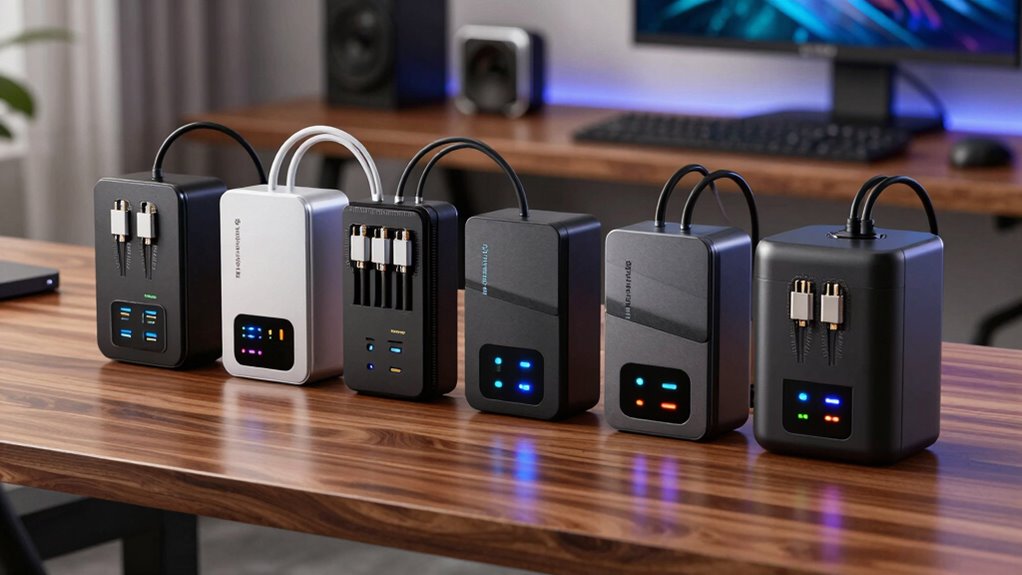

If you’re building a home lab network in 2026, selecting the right bundle can set the foundation for reliable storage, automation, and networking. The 2 Bay DIY NAS Kit offers flexibility for tech-savvy users wanting a customizable personal cloud. The ZimaBoard 2 1664 series stands out for its compact yet powerful design, great for continuous workloads. Meanwhile, the Netgear Home Network Starter Kit provides a straightforward WiFi solution for those prioritizing easy setup and coverage. Each option balances hardware capabilities with ease of use, but tradeoffs like storage limits or setup complexity influence which is best for you.

Get the latest gadgets delivered free with Prime
- Fast, free delivery on millions of items
- Prime Video, Amazon Music and more included
- Member-only deals all year
Complete the kit



Key Takeaways
- The DIY NAS kit delivers high customization but demands technical skill and component sourcing.
- ZimaBoard options excel in compact, versatile performance suited for automation and media projects.
- Networking bundles like Netgear‘s starter kit focus on plug-and-play simplicity but may lack advanced features.
- All options differ in expandability, storage capacity, and intended audience, so consider your technical comfort and project scope.
- Choosing the right bundle depends on whether your priority is performance, ease, or flexibility.
| 2 Bay DIY NAS Kit, x86 Home Server, Intel Quad-Core, 16GB RAM |  | Best for Customization and Power Users | Number of Bays: 2 | Processor: Intel Quad-Core | RAM: 16GB | VIEW ON AMAZON | See Our Full Breakdown |
| ZimaBoard 2 1664 x86 Home Server, N150, 16GB LPDDR5, PCIe 3.0×4 Expansion |  | Best for Compact, Continuous Workloads | Processor: N150 quad-core up to 3.6GHz | Memory: 16GB LPDDR5 | Storage: 64GB eMMC | VIEW ON AMAZON | See Our Full Breakdown |
| ZimaBoard 2 1664 Home Server Bundle |  | Best for Versatile Projects and Home Automation | Connectivity Technology: Ethernet | Hardware Platform: x86 | Number of Items: 1 | VIEW ON AMAZON | See Our Full Breakdown |
| Firewall Mini PC with Intel J1900, 4-Port i210 Router, 4GB RAM, 64GB SSD |  | Best for Network Security and Routing | Processor: Intel J1900 quad-core | Network Ports: 4×Intel i210 GbE | Memory: 4GB DDR3L | VIEW ON AMAZON | See Our Full Breakdown |
| Netgear Home Network Starter Kit |  | Best for Simple, Plug-and-Play WiFi Coverage | Coverage: 2000 sq. ft. | Concurrent Devices: 25 | WiFi: WiFi 6 (AX2700) | VIEW ON AMAZON | See Our Full Breakdown |
| home lab network bundle | Processor |
|---|---|
| 2 Bay DIY NAS Kit | Intel Quad-Core |
| ZimaBoard 2 1664 x86 Home Serv | N150 quad-core up to 3.6GHz |
| ZimaBoard 2 1664 Home Server B | — |
| Firewall Mini PC with Intel J1 | Intel J1900 quad-core |
| Netgear Home Network Starter K | — |
More Details on Our Top Picks
2 Bay DIY NAS Kit, x86 Home Server, Intel Quad-Core, 16GB RAM
This DIY NAS kit stands out for its powerful Intel quad-core processor and 16GB RAM, making it a strong choice for users who want to build a flexible, multi-OS home server. It supports 4K media streaming and offers PCIe expansion, giving room for future upgrades. Compared with other options, it provides more hardware flexibility but requires a higher level of technical know-how to assemble and configure, especially since it doesn’t come with storage drives. It’s ideal for those comfortable with DIY projects who want a tailored server experience.
Pros:- Flexible x86 architecture compatible with Linux, Docker, and CasaOS
- Supports 4K media streaming with Plex
- Includes PCIe expansion for upgrades
- Immediate setup with necessary components
Cons:- No hard drives or SSDs included
- Requires technical skill to assemble and configure
- Limited to 2 drive bays
Best for: Tech enthusiasts seeking a customizable, high-performance home server
Not ideal for: Beginners or anyone who prefers a ready-to-go network solution without assembly
- Number of Bays:2
- Processor:Intel Quad-Core
- RAM:16GB
- Expansion Slots:PCIe x4
- Supported OS:Linux, Docker, CasaOS
- Media Streaming:4K support
Our verdict“A versatile, high-performance DIY solution best suited for experienced users needing customization.”
ZimaBoard 2 1664 x86 Home Server, N150, 16GB LPDDR5, PCIe 3.0×4 Expansion
The ZimaBoard 2 1664 excels in offering a compact yet robust server capable of handling 24/7 workloads. Its quad-core processor up to 3.6GHz, 16GB LPDDR5 RAM, and PCIe 3.0 x4 expansion give it a performance edge for NAS, routing, or homelab tasks. It supports multiple OS options like ZimaOS, TrueNAS, and Ubuntu, providing flexibility for various setups. Compared to larger NAS solutions, it saves space without sacrificing core server capabilities, but it requires some technical knowledge to set up and optimize, especially with its limited storage of 64GB eMMC.
Pros:- Compact, server-grade design suitable for 24/7 use
- Supports multiple OS and virtualization
- High-speed PCIe expansion, dual SATA, dual 2.5GbE Ethernet
- Flexible, all-in-one hardware
Cons:- Setup and configuration require technical skills
- Limited internal storage with only 64GB eMMC
- No dedicated GPU for graphics-intensive tasks
Best for: Advanced users needing a space-efficient, reliable server for continuous tasks
Not ideal for: Beginners or users needing large storage capacity out of the box
- Processor:N150 quad-core up to 3.6GHz
- Memory:16GB LPDDR5
- Storage:64GB eMMC
- Expansion:PCIe 3.0 x4
- Networking:Dual 2.5GbE
- Storage Ports:Dual SATA
Our verdict“A space-saving, high-performance server ideal for advanced users with specific workload needs.”
ZimaBoard 2 1664 Home Server Bundle
This bundle provides a versatile x86-based mini server suitable for home automation, development, or media projects. It supports Linux, Docker, and virtualization, making it a flexible platform for experimenting or running small services. The included 4K HDMI cable simplifies setup as a media center or desktop replacement, but the limited detailed specs mean it’s less suited for high-end or storage-intensive applications. It’s best for hobbyists or those starting with a home automation hub or media projects, especially given its compact size and multi-use potential.
Pros:- Supports Linux, Docker, and virtualization
- Compact design ideal for home automation and media projects
- Includes 4K HDMI cable for immediate use
Cons:- Limited detailed specifications available
- Requires technical setup
- No internal storage or expansion details provided
Best for: Hobbyists and developers seeking a flexible, small-scale server for automation or media
Not ideal for: Power users needing extensive storage or high-performance computing
- Connectivity Technology:Ethernet
- Hardware Platform:x86
- Number of Items:1
Our verdict“A flexible, mini server ideal for hobbyists and small-scale automation or media projects.”
Firewall Mini PC with Intel J1900, 4-Port i210 Router, 4GB RAM, 64GB SSD
This compact, fanless mini PC is designed specifically for network management and security tasks. Its Intel J1900 quad-core processor, 4Gb RAM, and 64GB SSD make it suitable for running pfSense, OPNsense, or VyOS, offering robust firewall and routing capabilities. The four Intel i210 GbE ports enable multi-WAN configurations or network segmentation, making it a dependable choice for home or small office networks. However, the limited storage and RAM mean it’s not suitable for intensive applications beyond routing and firewall functions. It’s ideal for those who want a dedicated, reliable network device without fuss.
Pros:- Reliable, energy-efficient, fanless design
- Multiple GbE ports for advanced routing
- Compatible with popular firewall OSes
Cons:- Pre-installed pfSense requires user configuration
- Limited storage and RAM for other uses
- No included peripherals
Best for: Home or small office users needing dedicated network security
Not ideal for: Users looking for a multi-purpose server or extensive storage
- Processor:Intel J1900 quad-core
- Network Ports:4×Intel i210 GbE
- Memory:4GB DDR3L
- Storage:64GB mSATA SSD
Our verdict“A dependable, dedicated network device for home security and routing needs.”
Netgear Home Network Starter Kit
The Netgear Starter Kit provides a straightforward solution for establishing WiFi in a home or small office. Supporting WiFi 6 (AX2700), it covers up to 2,000 sq. ft. and supports up to 25 devices, making it suitable for typical household or light office use. Its plug-and-play setup requires no software, and multiple Ethernet and USB ports add wired flexibility. Compared to more complex networking setups, it simplifies connectivity but falls short if you need advanced features like mesh networking or extensive security controls. It’s a reliable choice for users prioritizing quick setup and reliable wireless coverage.
Pros:- Supports WiFi 6 for fast wireless speeds
- Easy setup with no software required
- Multiple Ethernet and USB ports
Cons:- Limited to 2,000 sq. ft. coverage
- Not compatible with DSL or certain providers like Verizon
- Lacks advanced security features
Best for: Home users seeking easy WiFi upgrade and basic networking
Not ideal for: Power users requiring advanced security, customization, or large coverage
- Coverage:2000 sq. ft.
- Concurrent Devices:25
- WiFi:WiFi 6 (AX2700)
- Ethernet Ports:4 Gigabit
- USB Ports:1 USB 3.0
Our verdict“A simple, effective WiFi solution for small homes or offices needing quick coverage.”

How We Picked
Our selection process focused on hardware versatility, expandability, and ease of setup, emphasizing products that serve different home lab needs. We evaluated technical specifications, such as processor power, RAM, expansion options, and pre-installed OS support, to determine which bundles are suitable for beginners, intermediate users, or advanced builders. We also considered the potential tradeoffs, including storage limitations, setup complexity, and compatibility, ensuring each pick provides a clear role for specific buyer profiles.
| home lab network bundle | Processor |
|---|---|
| 2 Bay DIY NAS Kit | Intel Quad-Core |
| ZimaBoard 2 1664 x86 Home Serv | N150 quad-core up to 3.6GHz |
| ZimaBoard 2 1664 Home Server B | — |
| Firewall Mini PC with Intel J1 | Intel J1900 quad-core |
| Netgear Home Network Starter K | — |
Factors to Consider When Choosing Home Lab Network Bundle
Selecting the right home lab network bundle in 2026 depends on your technical skills, intended use, and future expandability. Whether you’re after a high-powered DIY server, a compact automation hub, or a simple WiFi upgrade, understanding the core differences helps ensure you choose a setup that fits your needs and comfort level. Here, I break down the key factors to consider before making your decision.Performance and Hardware Power
The most important factor is what kind of workload you plan to run. If you want a flexible, multi-OS server or media streaming device, opt for a system with a powerful processor and ample RAM, like the DIY NAS kit or the ZimaBoard 2 1664. For dedicated routing or firewall functions, a smaller, energy-efficient device such as the Firewall Mini PC is better suited. Consider your future needs for expandability and hardware compatibility when evaluating CPU and memory specs.
Ease of Setup and Use
If you prefer a straightforward installation with minimal fuss, a networking starter kit like Netgear’s offers plug-and-play simplicity, ideal for quick deployment. Conversely, DIY or server-grade options require more technical knowledge but reward you with customization and flexibility. Think about whether you’re comfortable assembling hardware or configuring Linux-based OSes, as this influences your choice significantly.
Expandability and Storage
Future-proofing your home lab means checking how many drives or expansion options each product provides. The DIY NAS supports PCIe upgrades but limits to 2 bays, while the ZimaBoard offers PCIe expansion and dual SATA but with minimal internal storage. For large data needs, consider adding external storage or choosing a device with more internal bays or higher storage capacity. Budget your needs against the hardware’s capacity and upgrade options.
Networking and Connectivity
For network devices, look at Ethernet port counts, WiFi standards, and compatibility. The Netgear starter kit emphasizes WiFi 6 coverage and simple wired connections, making it ideal for general home use. For advanced routing, the Firewall Mini PC’s multiple GbE ports support multi-WAN configurations. Match your network design to your hardware’s connectivity features to avoid bottlenecks or compatibility issues.
Frequently Asked Questions
What should I consider when choosing between a DIY NAS and a prebuilt server?
When choosing between a DIY NAS and a prebuilt server, consider your comfort with hardware assembly and configuration. DIY options like the NAS kit offer more customization and potentially better performance but require technical skills and time investment. Prebuilt servers are easier to set up but may have limited upgrade options and less flexibility. Your choice depends on whether you prioritize control and performance or convenience and speed.
Is a compact server suitable for all home lab projects?
Compact servers like the ZimaBoard 2 1664 are excellent for space-constrained environments and specific tasks such as automation, media streaming, or light virtualization. However, they may lack the internal storage or processing power needed for data-heavy or high-performance projects. For more demanding workloads, larger or more expandable systems might be necessary, but for most hobbyist projects, a compact device can suffice.
How important is expandability in a home lab network bundle?
Expandability is crucial if you plan to grow your home lab over time. Devices with PCIe slots, SATA ports, or additional bays allow you to add drives, network cards, or other peripherals as your needs evolve. Non-expandable options might limit your future capabilities, leading to costly upgrades or replacements. Always assess your anticipated growth and choose hardware that can adapt accordingly.
Are network security appliances like the Firewall Mini PC worth considering?
For users concerned with network security, dedicated devices like the Firewall Mini PC offer reliable, dedicated performance for firewall and routing tasks. They are especially beneficial if you want to segment your network or use advanced security features. However, they are not designed for storage or general server tasks, so if your home lab requires more than security functions, consider combining them with other systems.
What level of technical knowledge do I need to set up these home lab bundles?
The level of technical knowledge varies widely. Plug-and-play options like the Netgear starter kit require minimal setup, suitable for beginners. More advanced systems such as the DIY NAS or ZimaBoard demand familiarity with Linux, hardware assembly, and network configuration. If you lack experience but want a home lab, consider starting with simpler setups and gradually exploring more complex configurations as your skills grow.
Conclusion
For beginners or those seeking quick deployment, the Netgear Home Network Starter Kit offers a straightforward WiFi upgrade. Tech-savvy users or hobbyists aiming for maximum customization should lean toward the DIY NAS kit or the ZimaBoard 2 1664, depending on whether they prioritize power or compactness. Professionals or advanced enthusiasts focused on network security will find the Firewall Mini PC a reliable choice. Your ideal home lab network bundle hinges on your technical comfort, project scope, and future expansion plans.