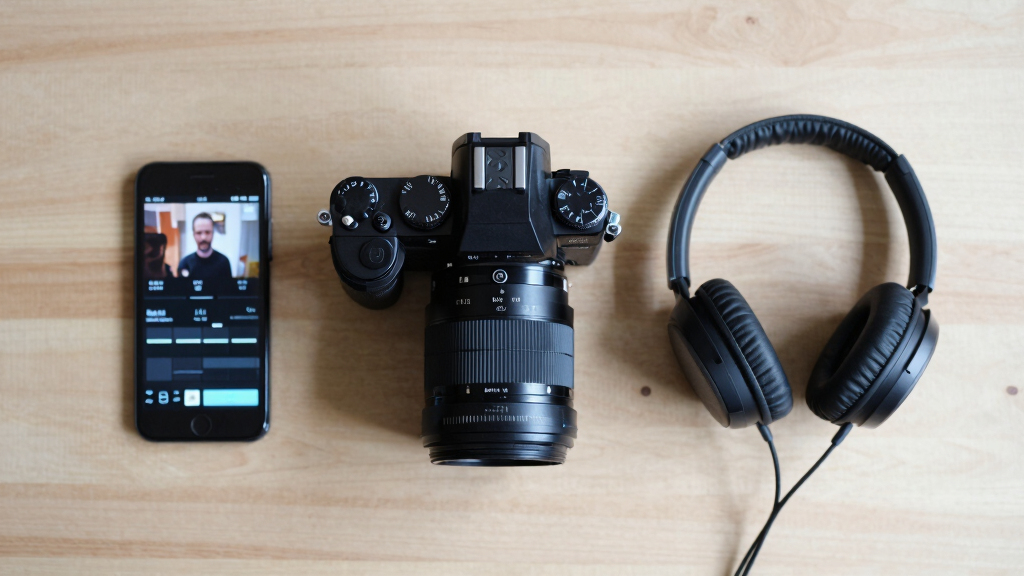

Choosing the right cinema camera in 2026 involves balancing image quality, usability, and budget. The Canon EOS C80 6K stands out as the best overall with its versatile full-frame sensor and professional features. Sony FX30 models excel for those seeking compact Super 35 options, while the Blackmagic Pocket Cinema Camera 6K Pro offers impressive value for independent filmmakers. The main tradeoffs involve balancing high-end features with ease of use and cost. Keep reading for a detailed breakdown of each option to find the best fit for your filmmaking style.

Get the latest gadgets delivered free with Prime
- Fast, free delivery on millions of items
- Prime Video, Amazon Music and more included
- Member-only deals all year
Complete the kit



Key Takeaways
- Full-frame sensors generally deliver better image quality but come at higher costs and larger sizes.
- Sony’s FX30 line offers a strong balance of performance and affordability for indie creators.
- Blackmagic cameras excel in value and color grading flexibility, appealing to budget-conscious professionals.
- Premium options like Canon EOS C80 and Nikon RED Z prioritize versatility and cinematic depth but are more expensive.
- Choosing a camera depends heavily on your specific production needs, from portability to sensor size.
| Canon EOS C80 6K Full-Frame Cinema Camera |  | Best Overall Cinema Camera | Sensor: 6K full-frame CMOS | ISO: 800, 3200, 12800 | Recording Formats: 6K 30P Cinema RAW Light, XF-AVC, XF-HEVC | VIEW LATEST PRICE | See Our Full Breakdown |
| Sony FX30 Super 35 Cinema Line Camera with E PZ 18-105mm f/4.0 G OSS Lens |  | Best Value for Compact Super 35 Cinema | Sensor: 26.1 MP APS-C | Video Resolution: 4K | Dynamic Range: 14+ stops | VIEW LATEST PRICE | See Our Full Breakdown |
| Sony Cinema Line FX30 Super 35 Cinema Camera (Gray) |  | Best Compact Super 35 Camera for Content Creators | Sensor: 20.1 MP APS-C (Super 35mm) | Video Resolution: 1080p, 4K, 6K oversampled | Dynamic Range: 14+ stops | VIEW LATEST PRICE | See Our Full Breakdown |
| Sony ILME-FX6 Cinema Line Full-Frame Camera with SEL24105G Lens |  | Best High-Performance Full-Frame Cinema Camera | Sensor: 10.2 MP full-frame back-illuminated CMOS | Max Sensitivity: ISO 409,600 | Dynamic Range: 15+ stops | VIEW LATEST PRICE | See Our Full Breakdown |
| Canon EOS C50 Cinema Camera Body |  | Best Compact Full-Frame for Versatile Filmmaking | Sensor: 7K full-frame CMOS | Photo Resolution: 32 MP | Video Resolution: Up to 7K/60P RAW, 4K/120P | VIEW LATEST PRICE | See Our Full Breakdown |
| Sony FX2 Full-Frame Cinema Camera Body Only (Gray) |  | Best for High-Quality Full-Frame Cinematography | Sensor: Full-frame Exmor R CMOS 33MP | Image Processor: BIONZ XR | Dynamic Range: 15+ stops (Log mode) | VIEW LATEST PRICE | See Our Full Breakdown |
| Nikon RED Z Cinema Camera with 24-50mm Zoom Lens |  | Best for 6K Resolution and Rich Color Science | Sensor: 6K full-frame | Color Science: RED | Dynamic Range: 15+ stops | VIEW LATEST PRICE | See Our Full Breakdown |
| Sony Alpha FX3 (ILME-FX3A) Full-Frame Cinema Line Camera, Black |  | Best for Compact Cinema with High Sensitivity | Sensor: Full-frame | Dynamic Range: 15+ stops | Max Video Resolution: 4K 120p | VIEW LATEST PRICE | See Our Full Breakdown |
| Blackmagic Design Pocket Cinema Camera 6K Pro |  | Best for 6K Resolution and Built-In ND Filters | Sensor: Super 35 | Resolution: 6144 x 3456 (6K) | Dynamic Range: 13 stops | VIEW LATEST PRICE | See Our Full Breakdown |
| Blackmagic Design Pocket Cinema Camera 4K |  | Best for Lightweight 4K Cinematography | Sensor: 4/3” CMOS | Resolution: 4096 x 2160 | Dynamic Range: 13 stops | VIEW LATEST PRICE | See Our Full Breakdown |
| Blackmagic Design Pocket Cinema Camera 4K Power Bundle (CINECAMPOCHDMFT4K) |  | Best Budget-Friendly Professional-Grade Camera | Sensor: 4/3-inch CMOS | Max Resolution: 4096 x 2160 (4K) | Frame Rates: Up to 4K 60fps, 1080p 120fps | VIEW LATEST PRICE | See Our Full Breakdown |
| Nikon RED Z Cinema | ZR Cinema Camera | 32-Bit Float Audio RED Color Science 6K Full-Frame Camera Body with 4″ DCI-P3 Monitor |  | Best for High-End Creative Flexibility | Sensor: Full-Frame 6K | Resolution: 6048 x 4032 | Dynamic Range: 15+ stops | VIEW LATEST PRICE | See Our Full Breakdown |
| Blackmagic Design Cinema Camera 6K, Full Frame Sensor, L Mount |  | Best for High-Resolution Cinematic Production | Sensor: Full-Frame 6K | Resolution: 6048 x 4032 | Dynamic Range: 13 stops | VIEW LATEST PRICE | See Our Full Breakdown |
| cinema camera | Sensor | Dynamic Range |
|---|---|---|
| Canon EOS C80 6K Full-Frame Ci | 6K full-frame CMOS | — |
| Sony FX30 Super 35 Cinema Line | 26.1 MP APS-C | 14+ stops |
| Sony Cinema Line FX30 Super 35 | 20.1 MP APS-C (Super 35mm) | 14+ stops |
| Sony ILME-FX6 Cinema Line Full | 10.2 MP full-frame back-illuminated CMOS | 15+ stops |
| Canon EOS C50 Cinema Camera Bo | 7K full-frame CMOS | — |
| Sony FX2 Full-Frame Cinema Cam | Full-frame Exmor R CMOS 33MP | 15+ stops (Log mode) |
| Nikon RED Z Cinema Camera with | 6K full-frame | 15+ stops |
| Sony Alpha FX3 | Full-frame | 15+ stops |
| Blackmagic Design Pocket Cinem | Super 35 | 13 stops |
| Blackmagic Design Pocket Cinem | 4/3” CMOS | 13 stops |
| Blackmagic Design Pocket Cinem | 4/3-inch CMOS | 13 stops |
| Nikon RED Z Cinema | ZR Cinema | Full-Frame 6K | 15+ stops |
| Blackmagic Design Cinema Camer | Full-Frame 6K | 13 stops |
More Details on Our Top Picks
Canon EOS C80 6K Full-Frame Cinema Camera
The Canon EOS C80 earns its place as the top choice for professionals seeking a versatile, high-resolution cinema camera. Its 6K full-frame CMOS sensor offers exceptional image detail, surpassing the 20.1 MP sensor of the Sony FX30, which is more suited for content creators on a budget. The C80’s dual pixel autofocus system provides reliable tracking, but its complex interface might challenge new users. Compared with the Sony FX6, it offers a more compact form factor and a broader range of recording formats, though at a higher price point. This camera is ideal for seasoned filmmakers who need high resolution, flexible connectivity, and professional-grade features.
Pros:- High-resolution 6K recording delivers true cinematic quality
- Advanced dual pixel autofocus ensures precise tracking
- Multiple recording formats including Cinema RAW Light for flexible workflows
- Rich connectivity options like Wi-Fi and Ethernet for remote control and data transfer
Cons:- High price may restrict access for smaller productions
- Complex interface can require extensive training or experience
Best for: Experienced filmmakers and production crews requiring high-resolution, versatile connectivity, and robust professional features.
Not ideal for: Beginners or hobbyists who may find the complex interface and high cost overwhelming, or those who need a lighter, more portable option.
- Sensor:6K full-frame CMOS
- ISO:800, 3200, 12800
- Recording Formats:6K 30P Cinema RAW Light, XF-AVC, XF-HEVC
- Autofocus:Dual Pixel CMOS AF II
- Interfaces:12G SDI, Wi-Fi, Ethernet
Our verdict“This camera suits experienced professionals who need high resolution and advanced features for cinematic productions.”
Sony FX30 Super 35 Cinema Line Camera with E PZ 18-105mm f/4.0 G OSS Lens
The Sony FX30 stands out as a compelling choice for filmmakers wanting a professional Super 35 camera that balances performance with affordability. Its 26.1 MP APS-C sensor captures 4K video with impressive dynamic range and S-Cinetone color science, providing a cinematic look straight out of the box. Compared to the Sony FX6, which offers a full-frame sensor and higher sensitivity, the FX30’s smaller sensor results in a more affordable, lighter package but with slightly less low-light capability. Its compact design and included zoom lens make it ideal for handheld or run-and-gun shooting, although the complex feature set may require some familiarization for newcomers. The lightweight build and cinematic color profile make it perfect for indie filmmakers and content creators on the move.
Pros:- High-resolution 26.1 MP sensor with excellent dynamic range
- Cinematic S-Cinetone color science for immediate film-like visuals
- Includes versatile E PZ 18-105mm f/4 lens ideal for run-and-gun shooting
- Lightweight and compact for handheld use
Cons:- Limited to APS-C sensor, reducing low-light performance compared to full-frame options
- Feature complexity may challenge newcomers
- Additional accessories needed for more advanced setups
Best for: Indie filmmakers and content creators seeking a portable, feature-rich cinema camera with a generous lens kit.
Not ideal for: Those needing full-frame sensor benefits or working primarily in low-light conditions, as the APS-C sensor limits maximum light sensitivity.
- Sensor:26.1 MP APS-C
- Video Resolution:4K
- Dynamic Range:14+ stops
- ISO Range:Flexible ISO, Cine EI, Dual Base ISO
- Dimensions:9.75 x 6 x 5.5 inches
Our verdict“This camera makes the most sense for creators prioritizing mobility, ease of use, and cinematic image quality on a budget.”
Sony Cinema Line FX30 Super 35 Cinema Camera (Gray)
The Sony FX30 in its gray variant offers a highly portable yet capable Super 35 cinema camera, especially suited for professional filmmakers who need mobility and quick setup. Its 20.1 MP APS-C sensor with 6K oversampling and S-Cinetone color science provides cinematic footage right out of the box, rivaling the image quality of larger, more expensive cameras like the FX6 but with fewer high-end features. While the compact form factor and active image stabilization make it ideal for handheld shooting, the absence of an electronic viewfinder and the limited sensor size mean it’s less suited for situations demanding maximum low-light performance or extensive accessories. Its price and feature set make it perfect for on-the-go productions or content creators who prioritize size without sacrificing image quality.
Pros:- Compact, lightweight design for portability
- Cinetone color science provides cinematic look without grading
- Dual base ISO and 14+ stops of dynamic range for versatile shooting
- Active stabilization enhances handheld footage
Cons:- Limited sensor size compared to full-frame rivals
- No electronic viewfinder, which may hinder precise framing
- Aperture limitations due to kit lens at 3.5mm
Best for: Professional content creators needing a lightweight, cinematic camera with advanced features for quick, on-the-move filming.
Not ideal for: Shooters requiring full-frame sensors or extensive external monitoring options, as the camera’s small size limits some professional workflows.
- Sensor:20.1 MP APS-C (Super 35mm)
- Video Resolution:1080p, 4K, 6K oversampled
- Dynamic Range:14+ stops
- ISO:Dual Base ISO
- Weight:1.4 pounds
Our verdict“This model is best for those needing a small, capable cinema camera with professional features for mobile filmmaking.”
Sony ILME-FX6 Cinema Line Full-Frame Camera with SEL24105G Lens
The Sony FX6 offers a compelling choice for professionals needing exceptional low-light performance and high dynamic range. Its 10.2 MP full-frame back-illuminated CMOS sensor rivals the Canon EOS C80 in image quality, but with superior sensitivity, reaching ISO 409,600. Its autofocus system with Eye-AF and 627 phase-detection points is more advanced than the autofocus on the Canon EOS C80, making it ideal for dynamic shoots. While the FX6’s 4K 120p recording and 15+ stops of dynamic range outperform the Sony FX30, it’s bulkier and more expensive, making it less suitable for handheld or run-and-gun scenarios. The integrated variable ND filter adds professional control, but the high weight and cost limit its accessibility for smaller productions.
Pros:- Exceptional low-light performance with ISO up to 409,600
- High dynamic range of 15+ stops for cinematic grading
- Fast Hybrid autofocus with Eye-AF and phase detection
- Built-in electronically controlled variable ND filter
Cons:- Heavy and less portable compared to smaller cameras
- High price point limits accessibility for small teams
Best for: High-end productions needing superb low-light capabilities, fast autofocus, and extensive dynamic range for cinematic excellence.
Not ideal for: Independent creators or those needing a lightweight, affordable option for handheld shooting, as the FX6 is relatively heavy and costly.
- Sensor:10.2 MP full-frame back-illuminated CMOS
- Max Sensitivity:ISO 409,600
- Dynamic Range:15+ stops
- Autofocus:Fast Hybrid AF, Eye-AF
- Video:4K 120p, 10-bit 4:2:2
Our verdict“This camera is tailored for high-end productions prioritizing low-light performance and cinematic flexibility.”
Canon EOS C50 Cinema Camera Body
The Canon EOS C50 combines a newly developed 7K full-frame CMOS sensor with a highly portable design, making it a strong contender for filmmakers who need high-quality footage in a compact package. Its open-gate 3:2 internal recording and Cinema RAW Light up to 7K/60P provide high-resolution options comparable to the Canon EOS C80 but with a smaller footprint. The inclusion of Dual Pixel CMOS AF II ensures reliable autofocus, while its built-in Frame.io Camera-to-Cloud integration streamlines remote workflows. Compared to larger full-frame models like the FX6, the C50 offers a lighter, more accessible tool for solo operators or small crews. However, its body-only design means additional investments in lenses and accessories, and it may be overwhelming for complete beginners due to its professional feature set.
Pros:- 7K full-frame sensor with open-gate 3:2 recording
- High frame rate recording up to 7K/60P in RAW
- Built-in Frame.io integration for remote workflows
- Detachable top handle with XLR inputs and zoom control
Cons:- Body-only design requires extra investment in lenses and accessories
- No built-in flash or viewfinder, limiting immediate framing options
- Complex features may challenge beginners
Best for: Professional videographers and solo operators seeking a compact, high-resolution full-frame camera with modern connectivity features.
Not ideal for: Amateurs or those requiring a camera with built-in audio inputs or extensive accessory options without additional investment, as the body is minimalistic.
- Sensor:7K full-frame CMOS
- Photo Resolution:32 MP
- Video Resolution:Up to 7K/60P RAW, 4K/120P
- Aspect Ratio:3:2
- Weight:1.8 pounds
Our verdict“Ideal for experienced filmmakers needing a compact, high-resolution full-frame camera with modern connectivity features.”
Sony FX2 Full-Frame Cinema Camera Body Only (Gray)
The Sony FX2 stands out for its full-frame 33MP sensor combined with the powerful BIONZ XR processor, delivering exceptional image detail and color fidelity. Its 15+ stops of dynamic range in Log mode surpass many competitors like the Blackmagic Pocket Cinema Camera 6K Pro, offering greater flexibility in post-production. The dual base ISO (800/4000) makes it versatile in low-light scenarios, but being body-only means you’ll need to invest in lenses separately, which can add to the overall cost. While it’s clearly aimed at professional filmmakers, its high-end price tag might not suit those on a tighter budget. Compared with the Sony FX3, the FX2 offers more sensor resolution and dynamic range, but the FX3’s compact design and built-in stabilization make it more portable for run-and-gun shooting.
Pros:- Full-frame 33MP sensor delivers high-resolution imagery
- 15+ stops of dynamic range in Log mode for greater post-production flexibility
- Dual base ISO (800/4000) enhances low-light performance
- Multiple Log modes support professional workflows
Cons:- Body only — additional lens purchase required, increasing total cost
- Likely high price point, making it less accessible for hobbyists or small productions
Best for: Professional filmmakers seeking maximum image quality and dynamic range in a modular setup.
Not ideal for: Enthusiasts or hobbyists who need an all-in-one, ready-to-shoot package without additional lens investment.
- Sensor:Full-frame Exmor R CMOS 33MP
- Image Processor:BIONZ XR
- Dynamic Range:15+ stops (Log mode)
- Dual Base ISO:800 / 4000
- Log Shooting Modes:Flexible ISO, Cine EI, Cine EI Quick
- Viewfinder:Angle-adjustable EVF
Our verdict“This camera is ideal for seasoned professionals prioritizing image quality and dynamic range over portability.”
Nikon RED Z Cinema Camera with 24-50mm Zoom Lens
The Nikon RED Z offers impressive 6K full-frame footage, appealing to those requiring high resolution and vibrant color reproduction thanks to RED’s renowned color science. Its 15+ stops of dynamic range rival cinema-standard cameras like the Sony FX3, but its large, versatile zoom lens simplifies on-set operation. At just 1.18 lbs, it’s surprisingly lightweight, though this may raise questions about durability in rugged conditions. The 4-inch DCI-P3 touchscreen provides quick access to settings, but mastering RED’s workflow can be complex for newcomers. Compared to the Blackmagic Pocket Cinema Camera 6K, the RED Z’s higher resolution and color fidelity make it more suitable for high-end productions, albeit with a steeper learning curve and potentially higher maintenance cost.
Pros:- 6K full-frame sensor delivers exceptional detail
- RED color science provides rich, cinematic colors
- Large swiveling touchscreen for quick adjustments
- Includes a versatile zoom lens for flexible framing
Cons:- Lightweight frame may compromise durability in rough environments
- Complex features require significant learning and setup time
Best for: Experienced filmmakers needing high-resolution, color-accurate footage in a lightweight package.
Not ideal for: Beginners or those seeking a rugged, all-around camera with minimal learning curve.
- Sensor:6K full-frame
- Color Science:RED
- Dynamic Range:15+ stops
- Monitor:4-inch DCI-P3 touchscreen
- Included Lens:NIKKOR Z 24-50mm f/4-6.3
- Weight:1.18 lbs
Our verdict“This camera suits professionals demanding high resolution and color fidelity, accepting the complexity and cost involved.”
Sony Alpha FX3 (ILME-FX3A) Full-Frame Cinema Line Camera, Black
The Sony FX3 combines a compact, lightweight design with impressive cinematic features, including a 4K sensor that captures 15+ stops of dynamic range and supports up to 4K 120p 10-bit 4:2:2 recording. Its active cooling fan allows uninterrupted recording at high frame rates, making it well-suited for run-and-gun scenarios or tight spaces where portability matters. The S-Cinetone color science, inspired by VENICE, ensures stunning skin tones and cinematic look straight out of the box. Compared to the larger Sony FX2, the FX3 sacrifices some resolution and interface options for portability but remains a high-caliber tool for solo shooters. Its steep learning curve and high price tag mean it’s best for experienced operators who value mobility and quality equally.
Pros:- Exceptional 15+ stops of dynamic range with high sensitivity
- Compact, cage-free design with built-in mounting points
- Uninterrupted 4K 60p recording thanks to active cooling
- Cinematic S-Cinetone color science for professional-grade images
Cons:- Premium price may be prohibitive for some users
- Steep learning curve for mastering advanced features
Best for: Filmmakers needing a portable, high-performance cinema camera for versatile shooting environments.
Not ideal for: Beginners or productions requiring extensive in-camera customization or built-in stabilization.
- Sensor:Full-frame
- Dynamic Range:15+ stops
- Max Video Resolution:4K 120p
- Bit Depth:10-bit 4:2:2
- Cooling:In-body cooling fan
- Color Science:S-Cinetone
Our verdict“This camera is best for experienced creators who need a portable, high-quality cinema camera with professional features.”
Blackmagic Design Pocket Cinema Camera 6K Pro
The Blackmagic Pocket Cinema Camera 6K Pro offers a compelling mix of high-resolution imagery with a Super 35 sensor, making it ideal for productions requiring detailed 6K footage. Its built-in 2/4/6 stop ND filters simplify exposure control, a feature often missing in smaller cinema cameras like the FX3. The camera supports internal recording in Blackmagic RAW and ProRes, providing flexibility in post-production, and its 5-inch HDR tilting LCD makes framing easier. While its EF lens mount offers broad compatibility, it limits options for users preferring mirrorless mounts. The larger size and weight compared to pocket-sized models could be a drawback for handheld shooting, and high-data rates demand substantial storage solutions. Overall, this camera balances professional features with a slightly bulkier form factor.
Pros:- High-quality 6K image with 13 stops of dynamic range
- Built-in ND filters for quick exposure adjustments
- Supports Blackmagic RAW and ProRes for versatile workflows
- Large, tilt-adjustable HDR display for easier framing
Cons:- EF lens mount may limit compatibility for mirrorless users
- Larger, heavier body reduces portability for handheld use
Best for: Professional shooters who need high-resolution, flexible recording options, and built-in ND filters for varied lighting conditions.
Not ideal for: Travel videographers or solo operators seeking a compact, lightweight camera for quick setups.
- Sensor:Super 35
- Resolution:6144 x 3456 (6K)
- Dynamic Range:13 stops
- ISO:Dual gain up to 25,600
- ND Filters:Built-in 2/4/6 stop
- Storage:SD/UHS-II, CFast 2.0, external SSD via USB-C
Our verdict“Ideal for professional productions demanding high resolution and built-in ND filters, accepting its size and storage needs.”
Blackmagic Design Pocket Cinema Camera 4K
The Blackmagic Pocket Cinema Camera 4K delivers professional 4K footage in a compact, lightweight body, making it an excellent choice for run-and-gun shooters or those new to cinema cameras. Its 4/3” sensor captures rich images with 13 stops of dynamic range and dual native ISO up to 25,600, ensuring decent low-light performance. Support for Blackmagic RAW and ProRes allows flexible post-processing, while the 5-inch LCD provides clear framing. However, the smaller sensor and limited battery life may pose challenges for extended shoots, and adapting lens mounts like EF or PL often requires additional accessories, increasing complexity and cost. Compared to the FX3, this model is more portable and budget-friendly but sacrifices some cinematic depth and low-light capability.
Pros:- High-quality 4K video with 13 stops of dynamic range
- Dual native ISO for better low-light performance
- Supports industry-standard formats like Blackmagic RAW and ProRes
- Lightweight and portable for quick setups
Cons:- Requires adapters for different lens mounts, increasing setup complexity
- Limited battery life in demanding conditions
Best for: Independent filmmakers and content creators seeking a lightweight, high-quality 4K camera with professional recording formats.
Not ideal for: Producers needing a larger sensor or extensive in-camera stabilization for complex productions.
- Sensor:4/3” CMOS
- Resolution:4096 x 2160
- Dynamic Range:13 stops
- Native ISO:Up to 25,600
- Recording Formats:Blackmagic RAW, ProRes
- Display:5” LCD
Our verdict“A solid choice for solo shooters and small crews prioritizing portability without sacrificing too much cinematic quality.”
Blackmagic Design Pocket Cinema Camera 4K Power Bundle (CINECAMPOCHDMFT4K)
This model stands out for providing a remarkable balance of professional features at a lower price point compared to higher-end options like the Blackmagic Design Cinema Camera 6K. Its 4/3-inch CMOS sensor delivers a 4K resolution with 13 stops of dynamic range, rivaling more expensive cameras in image quality. The dual native ISO up to 25,600 improves low-light performance, making it versatile for various shooting environments. Unlike the Blackmagic 6K, it records to SD cards and external SSDs, but the absence of included lens mount adapters means additional purchases are necessary. The bundled DaVinci Resolve Studio license and extra batteries add value, but high-speed storage cards are an extra cost. This pick makes the most sense for independent filmmakers or hobbyists who want professional results without a hefty investment.
Pros:- Professional 4K image quality with 13 stops of dynamic range
- Versatile recording options, including external SSD support
- Includes DaVinci Resolve Studio license and extra batteries
Cons:- Lens mount adapters for PL, C, or EF lenses are not included
- High-speed storage cards sold separately
Best for: Independent filmmakers or videographers on a budget looking for versatile, high-quality footage.
Not ideal for: Pro shooters needing native lens mount adapters or seamless integration with existing lens kits, since adapters are not included.
- Sensor:4/3-inch CMOS
- Max Resolution:4096 x 2160 (4K)
- Frame Rates:Up to 4K 60fps, 1080p 120fps
- Dynamic Range:13 stops
- ISO:Dual native ISO up to 25,600
- Storage:SD/UHS-II, CFast 2.0, external SSD via USB-C
- Display:5-inch LCD
- Connectivity:Full-size HDMI, USB-C, Bluetooth
Our verdict“This camera is ideal for budget-conscious creators who want professional-grade 4K footage with flexible recording options.”
Nikon RED Z Cinema | ZR Cinema Camera | 32-Bit Float Audio RED Color Science 6K Full-Frame Camera Body with 4″ DCI-P3 Monitor
The Nikon RED Z Cinema combines Nikon’s trusted engineering with RED’s renowned color science, making it a strong contender for high-end productions. Its 6K full-frame sensor offers extraordinary detail and cinematic depth, surpassing smaller-sensor cameras like the Blackmagic Pocket 4K. The large 4-inch DCI-P3 touchscreen provides excellent control and monitoring, especially useful on set. Notably, its 32-bit float audio recording supports external mics, offering superior sound flexibility. Compared to the Blackmagic 6K, it’s lighter at just 1.18 lbs, but its weight savings come at the cost of a higher price and potentially more complex setup. Its expansive lens mount and superior color science make it perfect for filmmakers seeking maximum creative control, though it’s less suited for handheld shooting due to its size and cost.
Pros:- 6K full-frame sensor delivers cinematic detail
- RED color science ensures rich, accurate colors
- 32-bit float audio with external mic support
Cons:- High cost and complex setup may be intimidating for amateurs
- Limited handheld usability due to weight and size
Best for: High-end filmmakers or commercial producers requiring maximum detail, color fidelity, and flexible audio recording.
Not ideal for: Documentarians or event videographers needing lightweight, handheld solutions, since it’s relatively expensive and more complex to operate.
- Sensor:Full-Frame 6K
- Resolution:6048 x 4032
- Dynamic Range:15+ stops
- Color Science:RED
- Monitor:4″ DCI-P3 touchscreen
- Audio:32-bit float with external mic support
Our verdict“This camera is best for professionals needing the highest resolution, color fidelity, and extensive control for cinematic projects.”
Blackmagic Design Cinema Camera 6K, Full Frame Sensor, L Mount
The Blackmagic Design Cinema Camera 6K offers a significant upgrade over smaller-sensor cameras with its full-frame 6K sensor, delivering stunning cinematic imagery with 13 stops of dynamic range. Its 6K resolution provides ample detail for large-format prints or cropping, making it suitable for high-end productions. Support for external SSDs and CFexpress Type B cards offers flexible recording choices, but these media are an added expense. The camera’s bright HDR LCD display simplifies monitoring, and including DaVinci Resolve Studio ensures seamless post-production. However, its weight and size make it less suitable for handheld shooting, and the price is higher relative to smaller-sensor options. This camera makes the most sense for filmmakers prioritizing resolution and image quality over portability.
Pros:- High-resolution 6K full-frame sensor for cinematic quality
- Multiple recording options, including external SSDs and CFexpress
- Bright HDR LCD display for easy monitoring
Cons:- Heavy and bulky for handheld use
- Requires external storage for high-res footage
- Premium price point
Best for: Professional filmmakers or production houses focused on high-resolution, cinematic-quality footage in controlled environments.
Not ideal for: Run-and-gun shooters or those needing a lightweight, portable setup, due to its bulk and weight.
- Sensor:Full-Frame 6K
- Resolution:6048 x 4032
- Dynamic Range:13 stops
- Recording Media:CFexpress Type B, external SSD
- Display:5-inch HDR LCD
- Lens Mount:Leica L
Our verdict“This camera excels for cinematic production emphasizing resolution and image fidelity, especially in studio or controlled settings.”
How We Picked
The cameras in this roundup were selected based on a combination of performance, usability, build quality, and value. We prioritized models that offer professional-grade video capabilities, reliable autofocus, and good low-light performance. Cost was a factor, but not at the expense of essential features for filmmaking. Each product was evaluated for versatility, ease of operation, and future-proofing—ensuring they can handle evolving production demands. The ranking reflects a balance of these criteria, aiming to guide both professionals and serious enthusiasts toward the best options for their budget and needs.Factors to Consider When Choosing Cinema Camera
When selecting a cinema camera, it’s vital to consider several key factors that impact your shooting experience, image quality, and long-term investment. Understanding these aspects can help prevent costly mistakes and ensure you choose a device that aligns with your production goals.Sensor Size and Image Quality
The sensor size determines the depth of field, low-light performance, and overall image quality. Full-frame sensors typically produce richer images and better background blur, but they also tend to be more expensive and bulkier. Super 35 sensors are more compact and often more affordable, making them suitable for handheld or documentary-style shooting. Consider your typical shooting environment and desired aesthetic when choosing sensor size.
Workflow and Compatibility
Ensuring your camera fits into your existing workflow is critical. Check the supported recording formats, media types, and whether the camera integrates with your editing software. Cameras with RAW or ProRes recording options provide greater flexibility in post-production. Compatibility with accessories like matte boxes, rigs, and external monitors also impacts ease of use and future expandability.
Portability and Ergonomics
Heavy or bulky cameras can hinder mobility, especially for run-and-gun shoots. Consider how much weight you’re willing to carry and whether you need a more compact system. Ergonomics, such as grip comfort and button layout, also influence daily usability. For handheld work or travel, lighter models like the Sony FX30 are advantageous, whereas studio setups might favor larger, more feature-rich options.
Budget and Future-Proofing
High-end cinema cameras often come with a hefty price tag but include features that remain relevant for years. Cheaper models might save money initially but could lack expandability or advanced codecs needed for professional post-production. Assess your current needs and consider whether investing more upfront might provide better longevity and flexibility as your skills or projects grow.
Lens Compatibility and Ecosystem
The lens mount and available lens selection significantly affect your creative options. Some brands, like Canon and Nikon, offer extensive lens ecosystems, while others may require adapters. Think about your preferred shooting style—whether you need wide-angle, telephoto, or cinema-specific lenses—and check if your chosen camera supports those options without extensive modifications.
Frequently Asked Questions
Should I prioritize full-frame sensors over Super 35 for my projects?
Full-frame sensors generally provide better image quality, shallower depth of field, and improved low-light performance, which makes them ideal for cinematic storytelling. However, they tend to be larger, heavier, and more expensive. If portability and budget are concerns, Super 35 models like the Sony FX30 still deliver excellent image quality suitable for most narrative projects. The choice depends on your specific shooting style and production environment.
Is it better to buy a camera with RAW recording capabilities?
RAW recording offers greater flexibility in post-production, allowing for better color grading and exposure adjustments. This is especially valuable for high-end cinematic work where image quality is paramount. However, RAW files are larger, requiring more storage and processing power. If your projects demand maximum image quality and you have the technical resources, opting for a camera with RAW support makes sense; otherwise, compressed codecs like ProRes may suffice.
How important is battery life for a cinema camera?
Battery life impacts how long you can shoot without interruption, which is critical on set or in remote locations. Higher-capacity batteries or models with efficient power management can extend shooting time, reducing the need for frequent changes. If your work involves long takes or outdoor shoots, prioritize cameras known for better endurance or consider additional power solutions like external batteries and V-mount setups.
Should I focus on a brand ecosystem or compatibility when choosing lenses?
Sticking to a single brand ecosystem simplifies lens compatibility and accessory integration, often providing more reliable autofocus and electronic control. However, adapters can expand your options if you already own lenses from other brands. Consider your current lens investments and future plans—if you want seamless operation, choosing a system with a broad, high-quality lens lineup is advisable. Compatibility issues are less common with major brands but worth verifying beforehand.
Is 6K resolution necessary for professional filmmaking?
While 6K offers increased detail and flexibility in post-production cropping or stabilization, it isn’t essential for all projects. Many filmmakers shoot in 4K for a balance of quality and manageable file sizes. If your work involves heavy post-processing or large-format delivery, 6K provides additional latitude. For standard cinematic work, 4K remains a practical choice, but investing in higher resolution can future-proof your content.
Conclusion
The best overall choice for most filmmakers in 2026 is the Canon EOS C80 6K, combining versatility and professional features. For those prioritizing value without sacrificing too much quality, the Blackmagic Pocket Cinema Camera 6K Pro stands out. Beginners or those on a tighter budget will find the Blackmagic Pocket Cinema Camera 4K an approachable yet capable option. If you need a compact, high-performance model, the Sony FX30 series offers a compelling mix of size, features, and affordability. Serious professionals seeking premium features should consider the Nikon RED Z Cinema or Canon EOS C80 for maximum cinematic control and expandability, aligning with their production demands.
As an affiliate, we earn on qualifying purchases.Fall Picks
fall essentials