

TL;DR
The White House has deleted roughly 6,000 web pages about energy conservation as a severe heatwave impacts the US. The timing coincides with political controversy over thermostat advice, prompting questions about transparency.
The White House has deleted approximately 6,000 web pages related to energy conservation amid a historic heatwave affecting the United States, raising concerns about transparency and information management during a crisis.
According to reports from The Verge, the deletions took place during a period when temperatures soared past 95 degrees Fahrenheit in many regions, including New York City, which experienced four consecutive days over 95 and two over 100. The pages removed include guidance on water conservation, insulation, and energy-saving practices, some of which supported the official advice for Americans to set thermostats between 75 and 78 degrees to reduce strain on the electrical grid.
The deletions are described as broad and indiscriminate, with the Internet Archive preserving copies of the pages that have been removed. The timing coincides with political backlash over a New York City mayor’s request for residents to set thermostats at 78 degrees, a common recommendation during heatwaves to prevent blackouts. Republican figures, including Ted Cruz and others, criticized the advice, framing it as socialism or an attack on women’s health, according to reports.
Experts note that extreme heat causes more deaths annually in the US than floods, tornadoes, and hurricanes combined, emphasizing the importance of public guidance on energy conservation during such events. The White House has not publicly explained the reasons for the deletions, and it remains unclear whether the removal was coordinated or accidental.
Implications for Public Transparency During Crises
The removal of thousands of energy conservation pages during a major heatwave raises concerns about government transparency and the management of public information during emergencies. Such deletions could undermine public trust and hinder efforts to promote safety and resource conservation when they are most needed. The timing suggests possible political motives, especially given the controversy over thermostat advice and the framing of conservation efforts by critics.
This incident highlights the importance of accessible, accurate information during climate-related crises, especially as extreme heat events become more frequent and severe due to climate change.

NonProgrammable Thermostat for Home, Digital Energy-Saving Thermostat,Single-Stage Systems, 1 Heat/1 Cool, Easy DIY Install,White Backlight
【Notice】Buyers should thoroughly examine the installation and wiring instructions depicted in the images before buying. It is recommended…
As an affiliate, we earn on qualifying purchases.
As an affiliate, we earn on qualifying purchases.
Background on Energy Guidance and Recent Political Debates
Historically, federal and state agencies have issued guidance encouraging energy conservation during heatwaves, including setting thermostats between 75 and 78 degrees. These recommendations aim to prevent blackouts and reduce strain on electrical grids, which are under increased stress during prolonged heat events.
The recent heatwave, with temperatures exceeding 100 degrees in some areas, has intensified the need for public cooperation. Meanwhile, political figures have politicized energy advice, with some Republicans framing conservation requests as socialist or harmful to certain groups, leading to heightened tensions over energy policy and public messaging.
The White House’s deletion of related web pages appears to be an unprecedented move, with no official explanation provided. The incident follows a pattern of information management concerns during political controversies, but details about the scope and motivation remain unclear.
“The broad and indiscriminate removal of energy conservation pages during a heatwave is concerning and could undermine public trust in government guidance.”
— an anonymous researcher
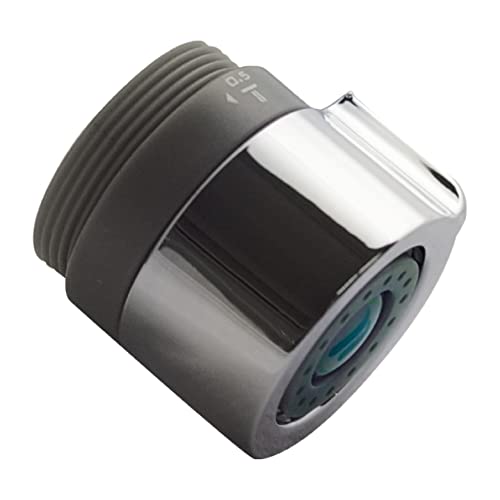
Niagara Conservation N3610CH Tri-Max 1-Spray 0.5-1.5 GPM 1.4-in. Pressure-Compensating Needle-Spray Faucet Aerator Chrome | Bathroom Sink and Kitchen Sink Aerator for Home Improvement
STEADY PRESSURE: Our Niagara Conservation sink faucet aerator provides high performance at most water pressures. You get a…
As an affiliate, we earn on qualifying purchases.
As an affiliate, we earn on qualifying purchases.
Unanswered Questions About Deletion Intent and Scope
It is not yet clear whether the deletions were coordinated by the White House intentionally or resulted from an administrative error. The specific reasons behind removing these particular pages, and whether other related content might be affected, remain unknown. Additionally, the potential impact on public safety messaging during the ongoing heatwave is still being assessed.
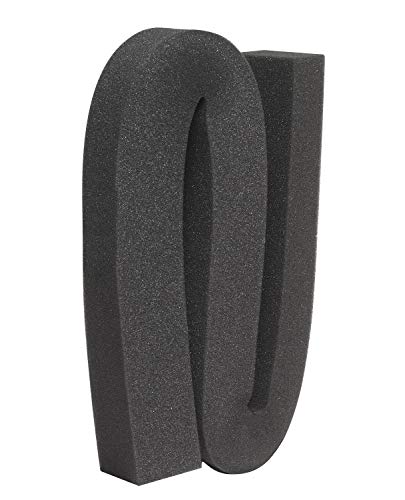
THERMWELL Frost King AC43H Air Conditioner Weatherseal Tape, 2-1/4 by 2-1/4 by 42-Inch
For Weather-Stripping Around Window Air Conditioners
As an affiliate, we earn on qualifying purchases.
As an affiliate, we earn on qualifying purchases.
Monitoring Government Transparency and Future Communications
Expect ongoing scrutiny from lawmakers, public interest groups, and the media regarding the scope and motives of the deletions. The White House may face calls for transparency and explanations about their decision-making process. Further investigations or statements are anticipated as the situation develops, especially if the deletions are found to have impacted public safety efforts.

Ohniyou Ceiling Fans with Lights, 52'' Low Profile Ceiling Fan with Light and Remote/APP Control, Modern Flush Mount Ceiling Fan for Indoor Bedroom Living Room, Dimmable, Quiet DC Motor, Black
Smart Ceiling Fans with APP & Remote Control: This modern ceiling fan with lights has all functions controllable…
As an affiliate, we earn on qualifying purchases.
As an affiliate, we earn on qualifying purchases.
Key Questions
The exact reasons remain unclear. Reports suggest the deletions occurred during a heatwave and may have been politically motivated, but no official explanation has been provided.
Could this deletion affect public safety during the heatwave?
Potentially. The removed pages included guidance on energy and water conservation, which are critical during extreme heat events to prevent blackouts and health risks. The impact depends on how widely the information was used and disseminated.
Is this a common practice for the government?
No, deleting thousands of web pages during a crisis is unusual and has raised concerns about transparency and information management. Typically, agencies aim to provide accessible public guidance during emergencies.
Will the government restore the deleted pages?
It is not yet known whether the pages will be restored. The Internet Archive has preserved copies, but official re-publication or clarification from the White House has not been announced.
What does this mean for future government communications?
This incident may lead to increased scrutiny of how government agencies handle information during crises, emphasizing the need for transparency and consistent messaging.
Source: The Verge






![Rob Pike – 'Concurrency Is Not Parallelism' [video]](https://wiredguide.com/wp-content/uploads/2026/07/rob-pike-concurrency-is-not-parallelism-video-featured-260x140.jpg)