If you find yourself constantly checking your phone, feeling anxious without it, or losing track of time, you might be dependent. Excessive use can cause sleep issues, eye strain, and stress, impacting your overall well-being. Recognizing these signs is the first step. To regain control, try setting screen time limits, turning off notifications, and establishing phone-free zones. Keep exploring for practical tips to help you manage your device use more effectively.

Get the latest gadgets delivered free — and shop member deals
- Fast, free delivery on millions of items
- Access to Prime Big Deal Days deals on October 6–7
- Prime Video, Amazon Music and more included
Key Takeaways
- Recognize signs like constant checking, anxiety when offline, and interference with daily activities to identify smartphone dependency.
- Excessive use can cause mental health issues, sleep disturbances, eye strain, and neck pain.
- Emotional effects include increased stress, irritability, loneliness, and depressive symptoms.
- Practical strategies involve setting screen time limits, turning off notifications, and establishing phone-free zones.
- Seek support and utilize digital wellness tools to monitor progress and maintain balanced device usage.
As an affiliate, we earn on qualifying purchases.
Recognizing the Behavioral Signs of Smartphone Dependency
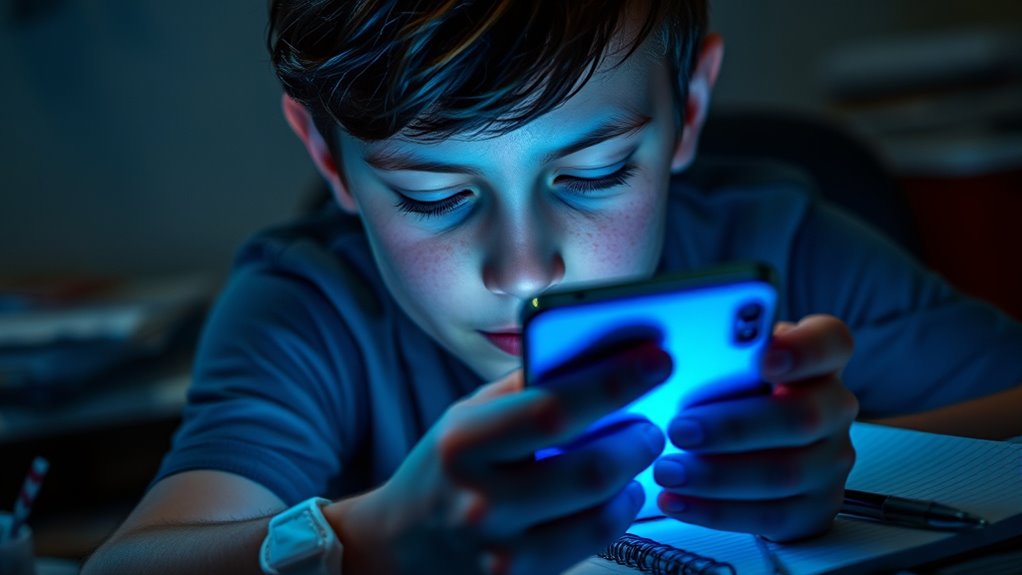
Recognizing the behavioral signs of smartphone dependency is essential to understanding when your habits may be problematic. If you find yourself checking your phone constantly, even during conversations or meals, it’s a clear warning sign. Do you feel anxious or irritable when you’re unable to access your device for a short time? That’s another red flag. You might also notice you’re spending more time scrolling or tapping than you intended, often losing track of time. When your phone begins to interfere with daily activities, work, or relationships, it’s time to reassess. Additionally, if you feel the urge to check your phone immediately after waking up or right before sleeping, these habits suggest a growing dependence. Recognizing these signs helps you take the first step toward regaining control. Creating calm and organized homes can help reduce overall stress and improve your habits around technology. Developing digital boundaries and setting specific times to disconnect can further support healthier usage patterns. Paying attention to signs of behavioral dependence is crucial for maintaining a balanced relationship with your device. Incorporating mindful technology use can also help you become more aware of your habits and reduce compulsive behaviors. Being aware of these addictive tendencies allows for earlier intervention and healthier habits.
As an affiliate, we earn on qualifying purchases.
Understanding the Emotional and Physical Consequences

Smartphone addiction doesn’t just affect your habits; it can also take a serious toll on your emotional and physical well-being. You may experience increased anxiety, irritability, or feelings of loneliness when disconnected. Physically, prolonged use can lead to sleep disturbances, eye strain, and neck pain. Here are some key consequences:
Excessive smartphone use harms your mental health and physical well-being, causing stress, sleep issues, and discomfort.
- Emotional distress, such as heightened stress levels and depressive symptoms, especially in young adults who spend over five hours daily on their phones. It is important to recognize how emotional health can be impacted by excessive smartphone use and take steps to manage it. Additionally, the interference with daily routines can exacerbate these emotional issues. Research suggests that the contrast ratio of screens can also influence mood and visual comfort, further affecting emotional well-being.
- Sleep issues, including insomnia and disrupted circadian rhythms, affecting overall health and alertness.
- Physical discomfort, like eye fatigue and neck strain, resulting from sustained screen time and poor posture.
- Additionally, excessive smartphone use can contribute to behavioral health issues, impacting overall mental wellness. Recognizing the importance of visual factors such as brightness and contrast ratio can help in understanding how screen quality affects eye strain and comfort during prolonged use.
As an affiliate, we earn on qualifying purchases.
Practical Strategies to Regain Control Over Smartphone Use

Taking proactive steps is essential to regain control over your smartphone habits and reduce dependency. Start by setting specific limits on daily screen time using built-in apps or third-party tools. Turn off non-essential notifications to minimize distractions and reduce the urge to check your phone constantly. Designate phone-free zones or times, such as during meals or an hour before bed, to foster healthier habits. Practice mindfulness by being aware of your usage patterns and questioning whether your phone use is necessary. Consider replacing screen time with alternative activities like exercise, reading, or hobbies. Regularly evaluate your progress, and don’t hesitate to seek support from friends, family, or professionals if you feel overwhelmed. Being aware of safe electrical practices and trusted resources and businesses can also help you find additional support and tools. Incorporating digital wellness strategies can further enhance your efforts to build a balanced relationship with your device. Additionally, understanding the importance of European cloud innovation and how it supports data security can motivate healthier digital habits. Exploring trusted digital tools can help you better monitor and control your screen time. Taking these steps helps you regain control and build a more balanced relationship with your device.
As an affiliate, we earn on qualifying purchases.
Frequently Asked Questions
How Can I Differentiate Between Normal and Addictive Smartphone Use?
You can tell if your smartphone use is addictive if you find yourself checking your phone excessively—like hundreds of times daily—or feeling anxious without it, especially when the battery is low or you’re away from it. If your usage interferes with your relationships, work, or sleep, or if you feel irritable or anxious when not using your device, these are signs you’re crossing into problematic, addictive behavior.
What Are Early Warning Signs of Smartphone Dependency?
If you’re constantly checking your phone, feeling anxious when not using it, or unable to cut back despite wanting to, these are early warning signs. You might also notice increased screen time, neglecting other activities, or feeling irritable when separated from your device. Pay attention to these cues; they suggest your smartphone use may be heading toward dependency, and addressing them early can help regain control.
Are There Specific Apps That Increase Addiction Risk?
Certain apps, like social media and gaming, increase your addiction risk, even as they promise connection or entertainment. You might find yourself scrolling endlessly or craving notifications, feeling anxious without them. While these apps are designed to be engaging, they often deepen dependency. Recognize the contrast—what feels like a harmless distraction can subtly take over your focus, making it harder to control your usage and find balance.
How Does Smartphone Addiction Impact Academic or Work Performance?
Smartphone addiction can seriously harm your academic or work performance. When you’re constantly checking your phone, you lose focus and waste valuable time. This distraction makes it harder to complete tasks efficiently, leading to lower grades or missed deadlines. Over time, your productivity drops, and your quality of work suffers. To stay on top, you need to set boundaries and limit your phone use during study or work hours.
When Should I Seek Professional Help for Smartphone Addiction?
You should seek professional help when your smartphone use begins to interfere with your daily life, work, or relationships. If you feel anxious or irritable without your phone, or if you’re unable to control your screen time despite wanting to, it’s a sign to get support. Don’t wait until it worsens—reach out to a mental health expert or counselor who can guide you through recovery strategies.
Conclusion
Taking control of your smartphone habits is like steering a ship through turbulent waters—you need awareness, effort, and patience. Recognize the signs, understand the effects, and apply practical strategies to regain balance. Remember, small changes can make a big difference, and you’re capable of reclaiming your time and well-being. Don’t let your device become a leash; instead, use it as a tool to enrich your life, not control it.
Fall Picks
fall essentials
As an affiliate, we earn on qualifying purchases.