
Yes, technology can help make you happier through meditation and mindfulness apps. These tools offer personalized practices, real-time feedback, and engaging features like gamification, making it easier to incorporate mindfulness into your daily life. They support reducing stress, improving sleep, and boosting emotional resilience, which can enhance your overall well-being. As technology advances, more innovative features are emerging to keep you motivated—discover how these apps can truly impact your happiness.

Get the latest gadgets delivered free with Prime
- Fast, free delivery on millions of items
- Prime Video, Amazon Music and more included
- Member-only deals all year
Key Takeaways
- Meditation and mindfulness apps provide accessible, personalized tools that help reduce stress, improve sleep, and boost emotional resilience.
- Features like progress tracking, gamification, and biofeedback increase user engagement and motivation over time.
- Evidence suggests regular use of these apps can lower blood pressure, decrease anxiety, and enhance overall mental well-being.
- Technological innovations such as virtual reality and biometric sensors are set to deepen personalization and effectiveness.
- Widespread adoption across diverse demographics demonstrates how digital tools can enhance happiness and emotional health.
As an affiliate, we earn on qualifying purchases.
The Rise of Digital Mindfulness Solutions
Have you noticed how digital mindfulness solutions have rapidly transformed mental health care? Today, millions turn to meditation apps for stress relief, anxiety management, and overall well-being. The global market was valued at $118.8 million in 2024 and is expected to reach $218.7 million by 2030, with revenue projected to hit $5.72 billion by 2025. This growth stems from increasing mental health awareness and widespread smartphone use. These apps now offer features like personalized meditation plans, progress tracking, real-time biofeedback, and integration with wearable devices. They’re accessible anywhere, fitting into busy schedules and reducing barriers to mental health support. As adoption grows across demographics and sectors, digital mindfulness solutions are reshaping how we approach mental wellness in daily life. Additionally, these apps often incorporate personalized guidance based on user feedback, making mental health support more tailored and effective. The emphasis on accessible mental health resources has made mindfulness practices more inclusive for diverse populations seeking support, and advances in technology-driven interventions continue to expand the reach and effectiveness of these tools. Moreover, the integration of data security ensures user privacy in these sensitive applications. Furthermore, the development of user-friendly interfaces has made these apps even more approachable for all age groups.
mindfulness meditation app for sleep
As an affiliate, we earn on qualifying purchases.
As an affiliate, we earn on qualifying purchases.
How Meditation Apps Are Shaping Mental Wellness
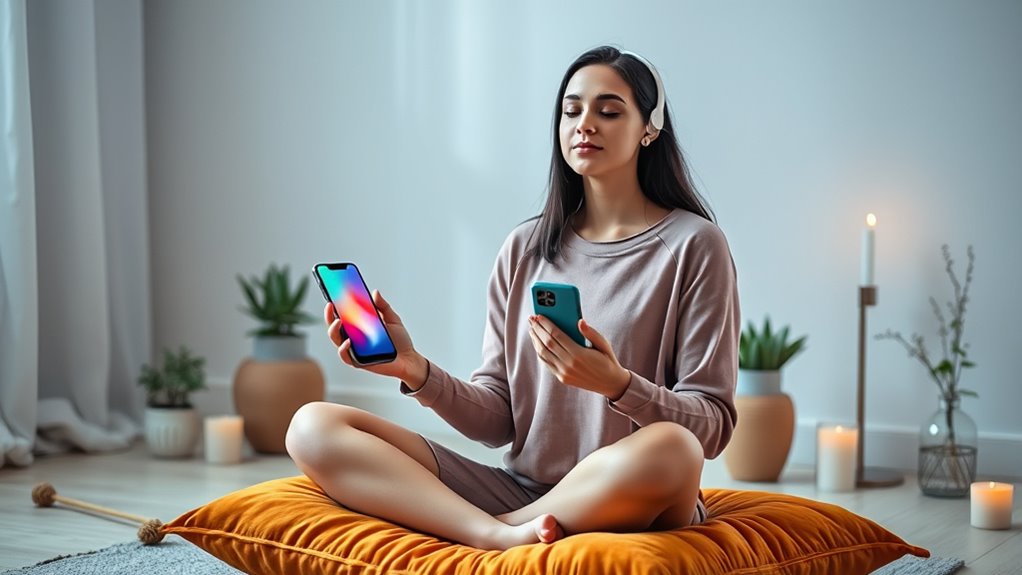
Meditation apps are actively transforming mental wellness by making mindfulness practices more accessible and personalized. You can now fit meditation into your busy schedule, customize sessions to your needs, and track your progress over time. This shift allows you to develop consistent habits that reduce stress, improve sleep, and enhance emotional resilience. Additionally, many apps incorporate home décor inspiration to create calming environments that support your practice. These features empower you to take control of your mental well-being, making mindfulness an achievable and ongoing part of your daily routine. Incorporating natural elements into your space can further enhance your meditation experience and deepen your sense of tranquility. Using ambient soundscapes within the apps can also amplify the calming effects during your practice. Integrating essential oils for relaxation can also amplify the calming effects during your practice. Embracing evidence-based practices ensures that your meditation journey is grounded in proven techniques that support long-term mental health benefits.
wearable device for stress tracking
As an affiliate, we earn on qualifying purchases.
As an affiliate, we earn on qualifying purchases.
Key Features Driving User Engagement
You can increase your engagement with meditation apps through features like personalization, which tailor sessions to your needs and preferences. Gamification elements, such as milestones and rewards, motivate you to stay consistent and make practice more enjoyable. These features work together to keep you motivated and committed to your mindfulness journey. Additionally, incorporating user safety considerations ensures that your use of these apps remains beneficial and secure over time. Understanding how smart technology integration with wellness practices can further enhance your overall experience and trust in digital mindfulness tools. Implementing evidence-based practices within these apps can also improve their effectiveness and credibility, especially when combined with data security measures to protect user information.
Personalization Enhances Experience
Personalization plays an essential role in boosting user engagement with meditation and mindfulness apps. When you tailor your experience, you’re more likely to stay committed and see benefits. These apps offer options to customize session lengths, focus areas, and experience levels, making practices more relevant. Data analytics track your progress and suggest adjustments, keeping your routine effective. Integration with wearables like Apple Watch provides real-time biofeedback, helping you understand your physiological responses. Personalization ensures your meditation journey fits your lifestyle, preferences, and goals.
- Adjust session durations based on your schedule
- Focus on specific issues like stress or sleep
- Receive tailored recommendations to improve progress
Gamification Boosts Motivation
Gamification techniques are transforming how you stay engaged with meditation and mindfulness apps by making the experience more interactive and rewarding. They turn routine sessions into game-like challenges, encouraging consistent practice. You might earn badges for completing milestones or release new features as you progress. Leaderboards foster friendly competition, motivating you to improve. Progress tracking visualizes your journey, reinforcing commitment. These features make meditation feel less like a chore and more like a fun, motivating activity. Incorporating user engagement strategies from successful software applications further enhances motivation and retention. Additionally, understanding the psychological effects of gamification can help developers tailor features that sustain long-term user interest. Recognizing the importance of behavioral motivation techniques, developers can better design features that promote sustained engagement. By analyzing how different user motivation techniques influence engagement, developers can design more effective and ethically responsible wellness apps. As the demand for AI Ethicist Jobs grows, understanding how motivational techniques influence user behavior becomes even more relevant for creating ethically sound and engaging wellness apps.
virtual reality meditation experience
As an affiliate, we earn on qualifying purchases.
As an affiliate, we earn on qualifying purchases.
Scientific Evidence Supporting Mindfulness Apps
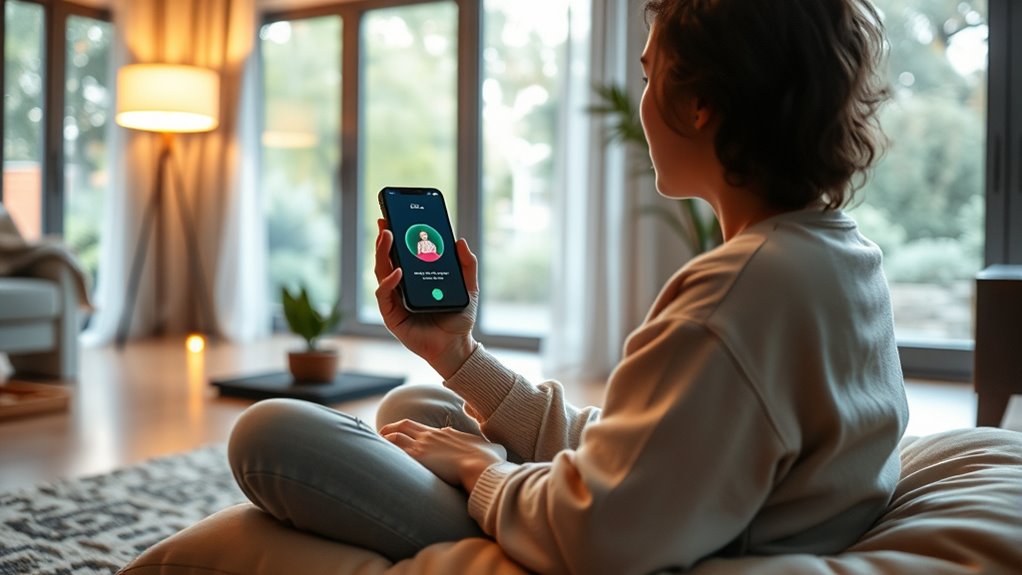
How solid is the scientific evidence supporting the effectiveness of mindfulness apps? Research shows promising results, but it varies based on study design and usage. Many studies indicate that just 10–21 minutes of app-based meditation, three times a week, can lower blood pressure, reduce stress biomarkers, and decrease negative thinking. Regular use has also been linked to improvements in sleep, anxiety, and depression symptoms. However, some findings depend on user engagement and duration of practice. To deepen your understanding, consider these points:
Research suggests mindfulness apps can improve health, but results depend on engagement and duration.
- Studies demonstrate measurable health benefits from consistent app use.
- Biofeedback and personalization enhance effectiveness.
- Long-term impacts and optimal usage patterns are still under investigation.
- Incorporating fiber-rich foods like chia seeds and avocados can further support overall mental and physical health, enhancing the benefits of mindfulness practices.
- Additionally, integrating power tools and equipment into your routine can provide stress relief and a sense of accomplishment, contributing indirectly to your happiness and well-being.
- Exploring family activities with technology can foster stronger bonds and promote shared mindfulness experiences at home.
- Emerging research suggests that combining mindfulness apps with behavioral change techniques may lead to more sustained mental health improvements.
- Moreover, understanding the Soul Sanctuaries concept can deepen your appreciation for holistic approaches to well-being.
Demographics and Global Adoption Patterns
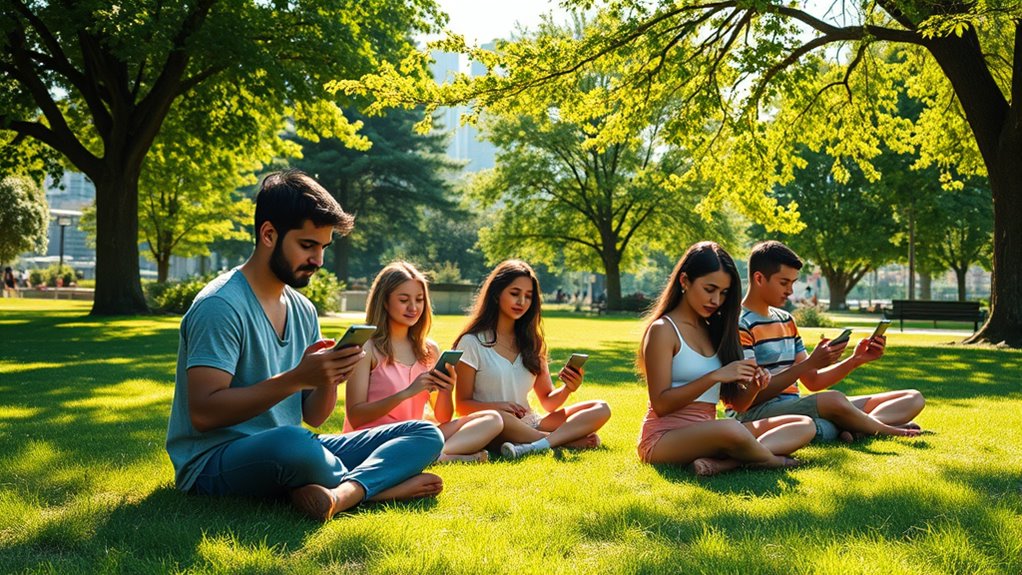
You’ll notice that meditation apps are used by diverse age groups and demographics worldwide. Younger users tend to adopt these tools quickly, but older adults are increasingly embracing them for health benefits. Understanding these global patterns helps you see how different populations engage with mindfulness technology.
Global User Demographics
The global user base for meditation and mindfulness apps spans diverse demographics, reflecting widespread interest across age groups, genders, and regions. You’ll find users from young adults seeking stress relief to seniors aiming to improve sleep. The apps resonate across cultural boundaries, with adoption increasing in both developed and developing countries. This broad appeal stems from the apps’ convenience and accessibility, fitting into busy lifestyles worldwide.
- Adoption rates are growing fastest in urban areas with high smartphone penetration.
- Women tend to use meditation apps more frequently than men.
- Users across income levels access free and premium features alike.
These patterns highlight how meditation technology bridges demographic gaps, making mindfulness practices attainable for everyone.
Adoption Across Age Groups
Are meditation apps truly gaining traction across all age groups worldwide? You’ll find that adoption spans from young adults to seniors, reflecting their broad appeal. Younger users often embrace these tools for stress relief, focus, and mental health support, driven by familiarity with smartphones and digital habits. Middle-aged adults use apps to manage work-related stress and improve sleep, while older adults turn to meditation for cognitive health and emotional well-being. Globally, regions with high smartphone penetration report higher usage across demographics. However, engagement levels vary: younger users tend to adopt apps more readily, while older populations may face barriers like unfamiliarity with technology. Despite differences, meditation apps are increasingly integrated into daily routines across age groups, highlighting their widespread acceptance and potential for universal mental health support.
Cross-Sector Applications of Meditation Technology
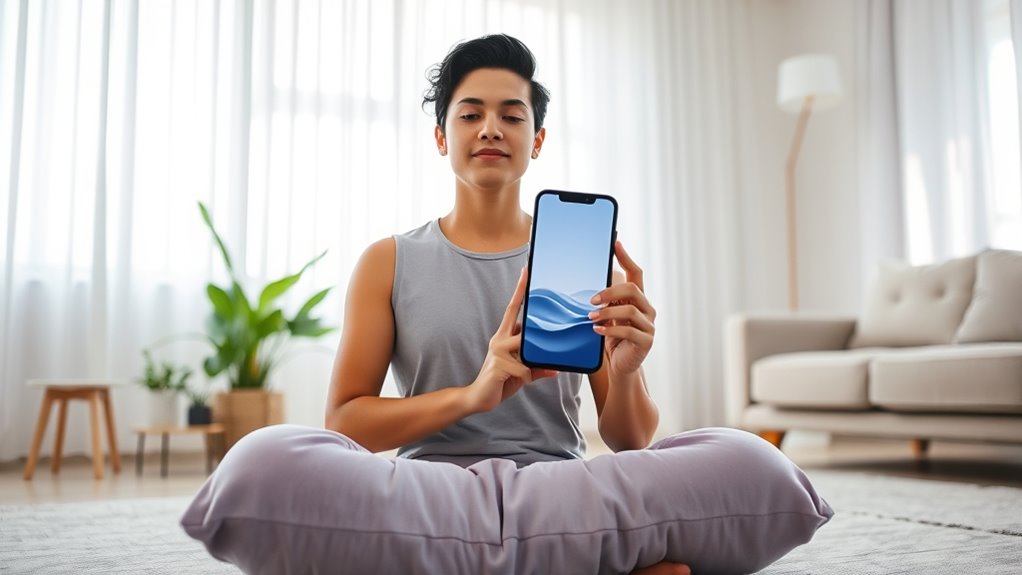
Cross-sector applications of meditation technology are transforming how organizations promote well-being and productivity across various fields. You can see this shift in workplaces, schools, and healthcare settings adopting apps to support mental health initiatives. These tools help reduce stress, improve focus, and foster resilience in diverse environments. For example:
- Employers integrate mindfulness apps into wellness programs to boost employee engagement.
- Schools use meditation apps to help students manage anxiety and enhance concentration.
- Healthcare providers incorporate these tools as supplementary treatments for mental health conditions.
Challenges in Maintaining User Commitment
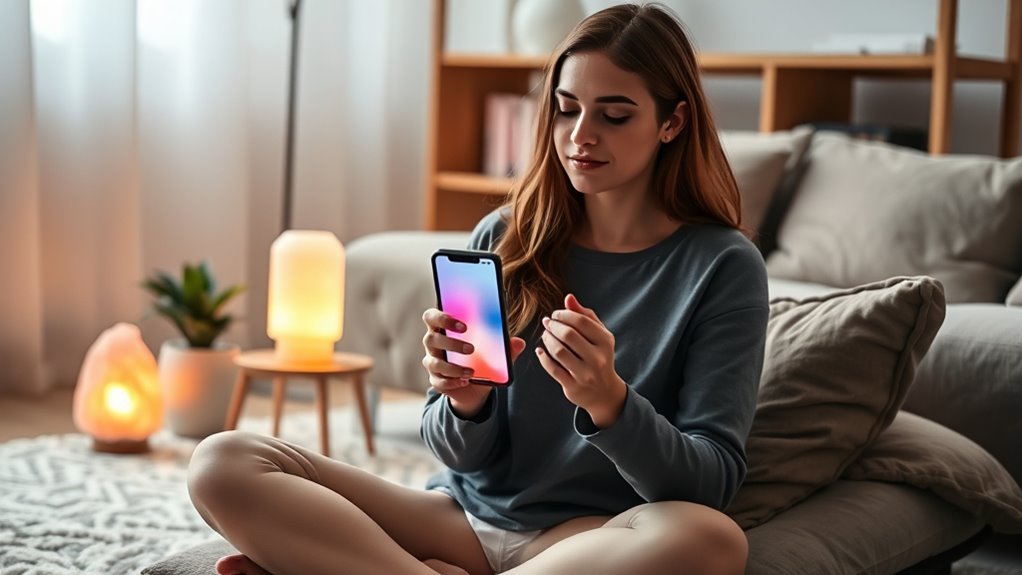
Maintaining user commitment remains one of the biggest hurdles for meditation and mindfulness apps. You might start strong, but over time, motivation can fade, making it hard to stick with regular practice. Many users find it challenging to carve out time daily or feel discouraged if they don’t see immediate results. Apps often struggle to keep engagement high, especially without personalized feedback or reminders. The novelty wears off, and users may lose interest or forget to use the app altogether. Additionally, competing priorities and life stressors can derail your consistency. Developers need to create features that foster habit formation, like gamification, social support, or tailored content, to help you stay committed. Without ongoing motivation, the initial benefits may never fully materialize.
Future Innovations in Meditation App Technology
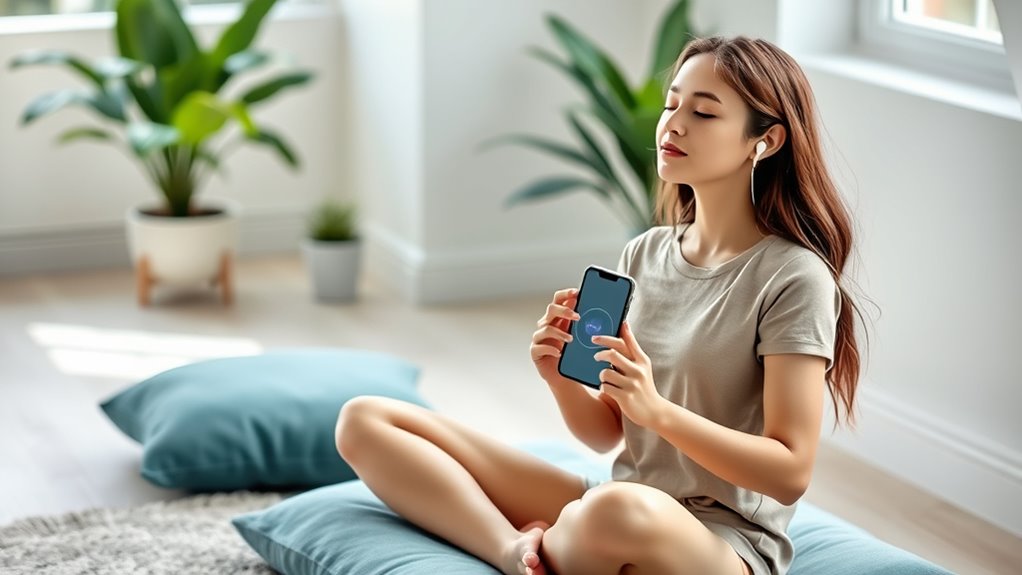
Future innovations in meditation app technology are poised to transform your experience by integrating advanced personalization, immersive environments, and seamless biometric feedback. You’ll soon benefit from tailored sessions that adapt in real-time to your mood and physiological signals, making your practice more effective. Imagine stepping into virtual serene landscapes or calming sounds that respond to your breathing and heart rate, creating an immersive experience that deepens your meditation. Additionally, biometric sensors embedded in wearables will provide instant feedback, helping you refine your technique and track progress effortlessly. These advancements will make meditation more engaging and accessible, encouraging consistent use and deeper mindfulness.
- Real-time adaptation to your emotional and physiological states
- Virtual reality environments for enhanced immersion
- Wearable tech integrated for instant biometric insights
Potential Impact on Overall Happiness and Well-Being
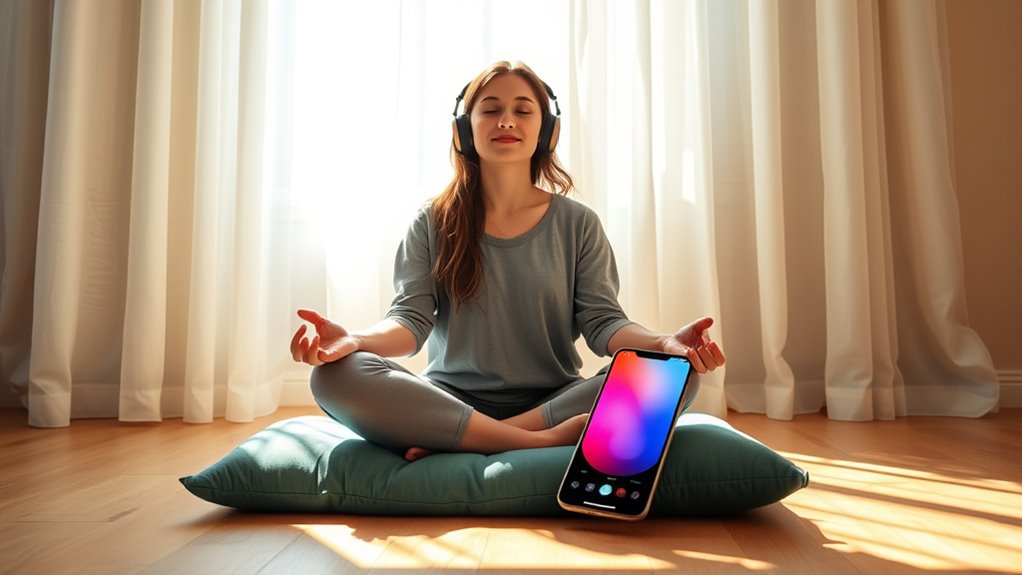
Using meditation and mindfulness apps can markedly boost your overall happiness and well-being by reducing stress, enhancing emotional resilience, and promoting a greater sense of calm. Regular practice helps you manage daily pressures more effectively, leading to improved mood and better mental health. By fostering mindfulness, these apps encourage you to stay present, which can decrease negative thinking and increase feelings of contentment. Scientific studies link consistent app use to reductions in anxiety, depression, and sleep disturbances, all key factors in overall happiness. Additionally, personalized features and real-time biofeedback help you track progress and stay motivated. As your emotional resilience grows, you’ll likely experience more positive interactions and an improved outlook on life, making mindfulness apps a valuable tool for your long-term well-being.
Frequently Asked Questions
How Do Meditation Apps Compare to Traditional Therapy for Mental Health?
Meditation apps can complement traditional therapy but usually don’t replace it. They offer convenient, accessible tools to reduce stress, improve sleep, and boost overall well-being, especially for mild issues. However, for complex mental health conditions like severe depression or anxiety, therapy provides personalized support and professional guidance that apps can’t fully replicate. Combining both approaches can give you a well-rounded, effective strategy for mental health management.
Are There Any Risks or Downsides to Using Mindfulness Apps Regularly?
Risks and downsides exist if you overuse or rely solely on mindfulness apps. You might develop dependency, feel frustrated if progress stalls, or experience increased anxiety if expectations aren’t met. Sometimes, apps can provide superficial solutions, ignoring deeper issues. Be cautious about privacy concerns with personal data, and remember that apps aren’t substitutes for professional help. Balance your practice, stay mindful of limits, and seek support when needed.
How Personalized Can Meditation Apps Get to Individual User Needs?
You can customize meditation apps extensively to fit your individual needs. They offer personalized plans based on your goals, experience level, and preferred focus areas. Features like daily reminders and progress tracking help you stay on track, while real-time biofeedback and wearable device integration provide tailored insights. This personalization guarantees your practice aligns with your lifestyle, making it easier to maintain consistency and maximize benefits.
What Are the Best Practices for Maintaining Long-Term Engagement?
To maintain long-term engagement, set realistic goals and celebrate small wins. Use apps with personalized features like reminders and progress tracking to stay motivated. Mix up your routines with different meditation styles and durations to prevent boredom. Incorporate social elements or community support within apps to boost accountability. Regularly revisit your reasons for practicing, and schedule consistent times to build a sustainable, enjoyable mindfulness habit.
Can Meditation Apps Effectively Address Severe Mental Health Conditions?
Meditation apps can help manage severe mental health conditions, but they shouldn’t replace professional treatment. You might find them useful as complementary tools to reduce anxiety, depression, or stress, especially with features like biofeedback and personalized plans. However, for serious issues, it’s essential to seek therapy or medication alongside app use. These apps support your overall well-being but aren’t standalone solutions for severe mental health challenges.
Conclusion
As you explore meditation apps, remember that over 60% of users report reduced stress and improved happiness. These tools can truly boost your well-being if you stay committed. While challenges like maintaining consistency exist, ongoing innovations promise even better experiences. Embrace the technology that’s helping millions find more calm and contentment daily—your mental health could benefit just as much. So, give it a try and see how digital mindfulness might make you happier.
Halloween Picks
halloween
As an affiliate, we earn on qualifying purchases.