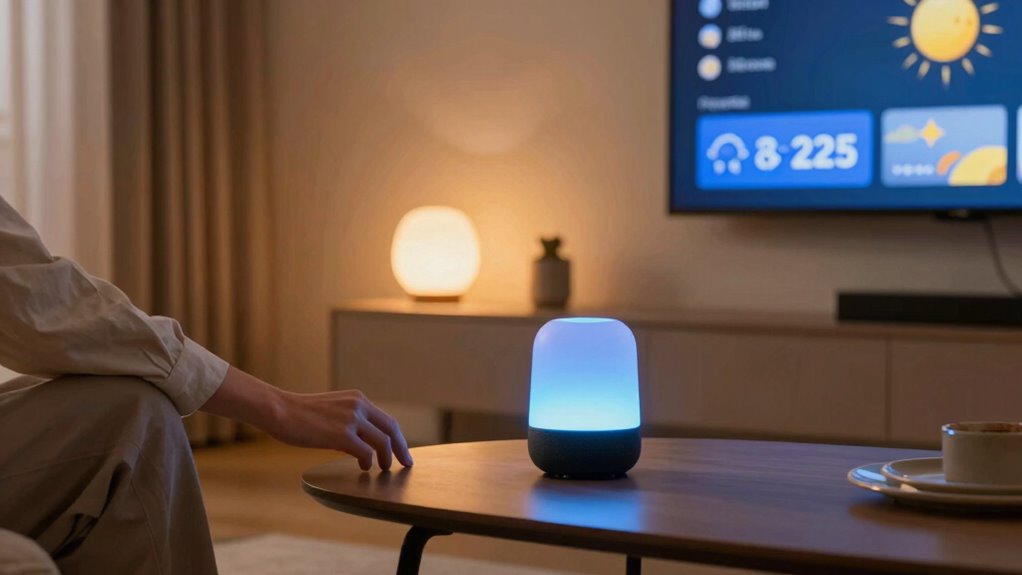

Smart devices have transformed your home by making control effortless through voice commands and seamless app integration. They learn your routines, saving energy and reducing costs, while offering instant, accurate responses that enhance your daily life. As expectations shift, you now rely on smarter, more responsive gadgets that adapt to your personal lifestyle and values. If you want to understand how these changes shape your home environment further, keep exploring the evolving landscape of smart technology.

Get the latest gadgets delivered free with Prime
- Fast, free delivery on millions of items
- Prime Video, Amazon Music and more included
- Member-only deals all year
Key Takeaways
- Voice recognition enables effortless control, reducing reliance on physical interfaces and streamlining user interactions.
- Smart devices adapt to user routines, offering personalized, automatic adjustments for enhanced convenience.
- Integration within smart ecosystems allows seamless management through single apps or voice commands.
- Energy-efficient features align device functionality with sustainability, meeting modern consumer values.
- Elevated expectations for accuracy, responsiveness, and interoperability drive smarter, more intuitive home environments.
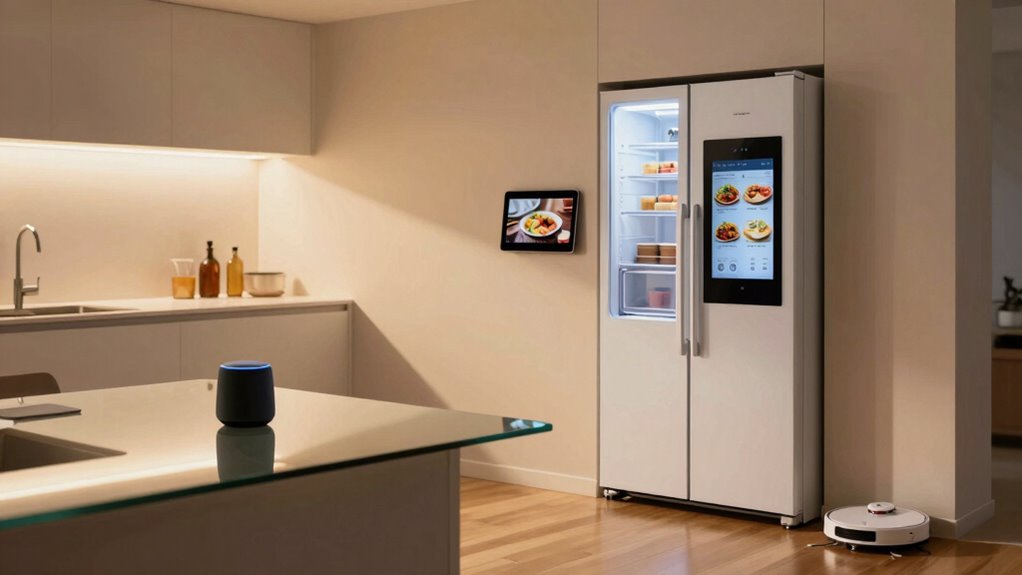
Smart devices have revolutionized everyday life by making tasks quicker and more more efficient. You no longer need to lift a finger to control your home environment or stay connected. With voice recognition technology, you can simply speak your commands, and your devices respond instantly. Whether it’s adjusting the thermostat, playing music, or setting reminders, voice recognition has become a seamless way to interact with technology. It eliminates the need for complicated menus or physical controls, making everything more accessible and intuitive. As a result, your daily routines feel smoother, and you spend less time steering through gadgets and more time focusing on what matters.
Voice recognition simplifies daily tasks, making home control effortless and intuitive.
Beyond convenience, smart devices have also raised the bar for energy efficiency. You might notice that your smart thermostat learns your schedule, reducing heating or cooling when you’re away or asleep. This not only saves you money but also reduces your environmental impact. Smart devices optimize energy consumption by analyzing patterns and adjusting settings automatically, so you’re not wasting resources. This shift toward energy efficiency changes your expectations — you no longer accept devices that consume power unnecessarily. Instead, you look for gadgets that help you live more sustainably without sacrificing comfort. Incorporating energy-saving features into your devices has become a standard expectation as technology advances. Additionally, the integration of sound therapy and other wellness-focused features is increasingly influencing consumer choices, encouraging healthier lifestyles.
Your expectations around convenience have evolved because of these innovations. Now, you anticipate that controlling your environment should be effortless, with minimal effort on your part. You expect voice recognition to be accurate and responsive, so commands are executed without delay or frustration. You also expect your devices to work harmoniously, creating a smart ecosystem where everything is interconnected. This interconnectedness means you can manage multiple devices through a single app or voice command, streamlining your routines and eliminating cluttered control panels. As your familiarity with smart home ecosystems grows, your standards for seamless integration and interoperability continue to rise. As a result, your home feels more like a smart, responsive space that adapts to your lifestyle rather than a collection of disconnected gadgets.
In addition, these advancements influence your broader expectations about technology. You start to see smart devices as essential tools for a modern, efficient life. You look for energy-saving features not just for saving money but because they reflect a commitment to sustainability. Voice recognition becomes a standard feature, not an added luxury, because it offers unmatched convenience. Moreover, the integration of smart technology into daily routines has shifted your standards and desires for future devices. You also become more aware of the importance of cybersecurity in protecting your connected devices from potential threats. Overall, your standards for what a device should do have shifted—you’re no longer satisfied with simple functionality. Instead, you want intelligent, energy-efficient solutions that enhance your daily routines and align with your values. This new perspective shapes how you choose and use technology every day, making your home smarter, more efficient, and more attuned to your needs.
Products Worth Considering

Jackery Explorer 1000 v2 Portable Power Station with 200W Solar Panel

LG UltraGear 25G590B-B 25-Inch Full HD 1000Hz Gaming Monitor

DJI Mic 3 (2 TX + 1 RX + Charging Case) Wireless Microphone
As an affiliate, we earn on qualifying purchases.
Frequently Asked Questions
How Do Smart Devices Impact Data Privacy?
Smart devices impact your data privacy by collecting personal information, which can lead to data breaches if not properly protected. Privacy concerns rise because these devices often store sensitive data, and hackers might exploit vulnerabilities. You need to stay vigilant, update your devices regularly, and understand privacy settings. By doing so, you reduce risks and keep your personal information secure, even as smart technology continues to evolve.
Are Smart Devices Accessible to All Users?
Ever wonder if smart devices are truly accessible to everyone? They’re designed for universal usability, but affordability barriers still exist. You might find some models too costly or complicated for certain users. While manufacturers aim to enhance accessibility, gaps remain. Are these devices inclusive enough? Improving affordability and user-friendly features can help bridge these gaps, making smart technology a reality for all, regardless of income or technical skills.
What Are the Environmental Effects of Smart Device Production?
Smart device production impacts the environment through manufacturing emissions and resource depletion. As you use these devices, understand that manufacturing releases greenhouse gases, contributing to climate change. Additionally, extracting minerals and raw materials depletes natural resources, risking ecosystem damage. Your choices, like recycling old devices and supporting sustainable brands, can help reduce these environmental effects. Being mindful of production impacts encourages more eco-friendly consumption and helps protect the planet.
How Do Smart Devices Influence Household Energy Consumption?
Imagine your home glowing softly as smart devices quietly optimize energy use. These devices influence your behavior by automating lights, thermostats, and appliances, leading to significant energy savings. You become more conscious of consumption, adjusting habits effortlessly. Smart technology encourages mindful energy use, reducing waste and lowering bills. As a result, your household becomes more efficient, blending comfort with sustainability, and transforming everyday routines into eco-friendly actions.
Can Smart Devices Replace Human Interaction Effectively?
Smart devices can’t fully replace human interaction because they lack emotional connection and empathy. While they offer convenience and connectivity, relying solely on them might increase social isolation, making you feel detached from others. These devices can complement social interactions but shouldn’t substitute genuine human relationships. You still need meaningful conversations and emotional bonds that only people can provide, ensuring you stay connected on a deeper level.
Conclusion
You’ve seen how smart devices revolutionize convenience, making everyday tasks faster and easier. With 78% of users reporting increased efficiency, it’s clear these devices have set new expectations. You now anticipate seamless integration and instant control at your fingertips. As technology advances, your daily routines will only become more effortless. Embrace these changes, and enjoy a smarter, more connected life—because convenience isn’t just a luxury anymore; it’s the new standard.