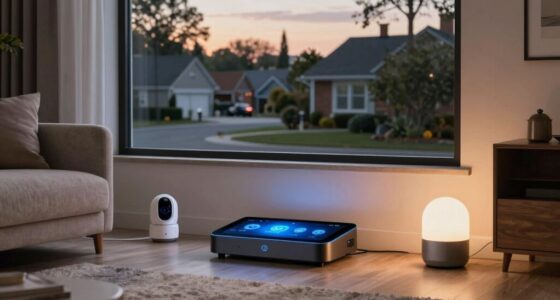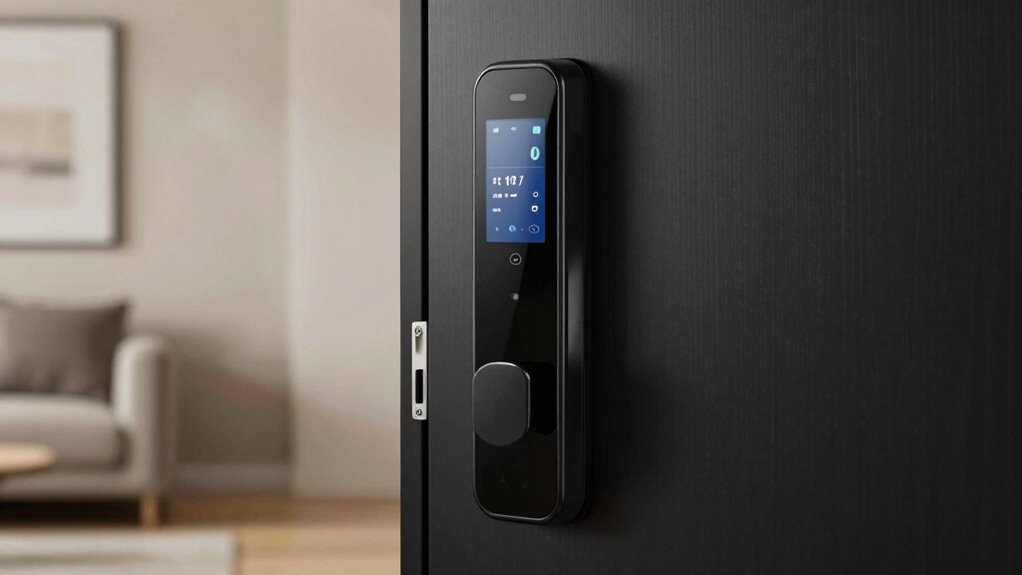

Smart locks spark strong opinions because they offer you convenience and modern security through smartphone or fingerprint access. However, they also raise concerns about vulnerabilities like hacking, malware, or technical failures that can leave your home unprotected. While advancements improve safety, fears about remote hacks and system glitches often overshadow the benefits. If you want to understand why these debates persist and what the future holds, keep exploring the key issues involved.

Get the latest gadgets delivered free — and shop member deals
- Fast, free delivery on millions of items
- Access to Prime Big Deal Days deals on October 6–7
- Prime Video, Amazon Music and more included
Key Takeaways
- They combine convenience with potential cybersecurity vulnerabilities, raising concerns over home security risks.
- Advances in encryption and technology improve safety but don’t eliminate fears of hacking or technical failures.
- The shift from traditional keys to digital access prompts debate about reliability and control.
- Security concerns often overshadow the benefits, fueling skepticism despite technological improvements.
- Ongoing innovation and security measures are needed to build trust and address both convenience and safety worries.
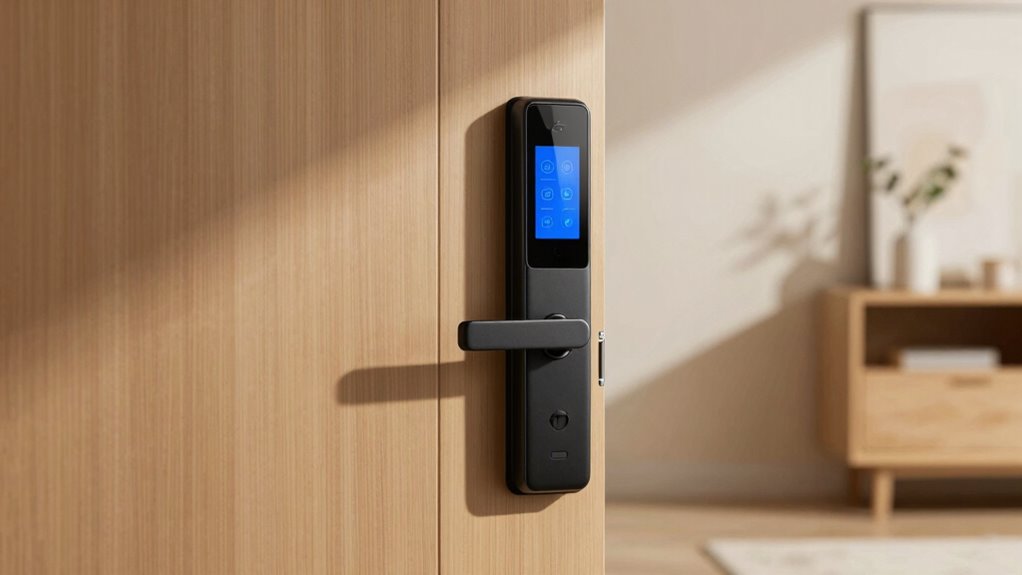
Smart locks are transforming the way we think about home security, offering convenience and control at your fingertips. With just a tap on your smartphone or a quick fingerprint scan, you can lock or unlock your door without fumbling for keys. This level of user convenience appeals to many, especially in today’s fast-paced world where time matters. However, these benefits also spark strong opinions, as people weigh the advantages against potential security concerns.
One of the main reasons smart locks generate such passionate opinions is because they challenge traditional notions of home security. Some folks worry that relying on digital systems opens up vulnerabilities—hacks, malware, or technical glitches—that could compromise their safety. No matter how sophisticated the encryption, no device is entirely immune to cyber threats. This fear is especially valid for those who value their peace of mind and see a lock as a straightforward barrier. They wonder if a hacker could gain access remotely or if a system failure might leave their home unprotected. These security concerns often overshadow the convenience that smart locks provide, making some people hesitant to fully embrace the technology.
Smart locks challenge traditional security, raising concerns about vulnerabilities like hacks and technical failures.
On the other hand, many users rave about the convenience smart locks bring to everyday life. You no longer need to carry a bulky keychain or worry about losing keys when you have a digital lock system. You can grant temporary access to visitors or service providers through virtual keys or apps, which is incredibly practical. For families or busy professionals, this added control simplifies routines and enhances security by eliminating duplicate keys or hidden spare keys. The ability to monitor who enters and exits your home at any time adds a new layer of oversight that traditional locks simply can’t match. Additionally, some smart locks incorporate features like low light office plants to ensure visibility in dim environments, further improving usability and security. Furthermore, advancements in home automation are making these devices even more seamless and integrated with other smart home systems. As technology evolves, so does the potential for these locks to integrate more seamlessly with broader security ecosystems, increasing their appeal. Moreover, the development of encryption protocols plays a crucial role in addressing security concerns, providing more confidence in these digital solutions. Continued research and innovation in cybersecurity are vital for building trust in these devices.
Yet, despite these advantages, opinions remain divided. Critics argue that the convenience shouldn’t come at the expense of security, especially if the technology isn’t fail-safe. They question whether the benefits outweigh the risks, particularly given the increasing frequency of cyberattacks. Meanwhile, proponents highlight ongoing improvements in cybersecurity and smart lock technology, emphasizing that proper setup and regular updates can minimize vulnerabilities. The security landscape continues to evolve, prompting ongoing debate about what level of risk is acceptable for home automation devices. The debate continues because both perspectives are rooted in valid concerns and experiences.
Ultimately, your opinion about smart locks hinges on balancing these security concerns with the undeniable user convenience they offer. While they may not be perfect, they certainly represent a significant shift in how we protect and access our homes. The strong opinions surrounding them stem from this mix of innovation, risk, and the desire for both safety and ease.
As an affiliate, we earn on qualifying purchases.
Frequently Asked Questions
Are Smart Locks More Secure Than Traditional Locks?
Smart locks can offer more security through keyless convenience, reducing the risk of lost or stolen keys. However, you’re also exposed to digital vulnerabilities, like hacking or software glitches. While they often have advanced encryption, no lock is completely impervious. If you stay vigilant about updates and use strong passwords, smart locks can be safer than traditional locks, but they still require careful management to ensure your home stays protected.
How Do Smart Locks Impact Home Insurance Policies?
Smart locks can be like a double-edged sword for your home insurance. They might activate insurance discounts by proving your home is safer, but if they malfunction or get hacked, you could face increased homeowner liability. Think of them as high-tech guardians—when they work smoothly, they save you money, but if they falter, you could end up paying the price. Always check with your insurer to understand their specific policies.
Can Smart Locks Be Hacked or Remotely Accessed?
Yes, smart locks can be hacked or remotely accessed if cybersecurity vulnerabilities aren’t addressed. Hackers exploit weak passwords or outdated software, risking unauthorized entry. To prevent this, you should regularly update your lock’s firmware, use strong, unique passwords, and enable two-factor authentication when available. Staying vigilant with cybersecurity measures helps protect your smart lock from hacking attempts, giving you peace of mind and maintaining your home’s security.
Are Smart Locks Suitable for Rental Properties?
A stitch in time saves nine, and smart locks can be a smart choice for rental properties. They simplify rental management by allowing you to change access codes remotely and track entries, enhancing tenant convenience. However, you must weigh security concerns and guarantee reliable Wi-Fi. If you prioritize flexibility and security, smart locks can be a practical solution for managing tenants efficiently and securely.
What Are the Long-Term Cost Differences Between Smart and Traditional Locks?
Smart locks usually have higher initial installation costs but tend to save you money over time through lower maintenance expenses. Traditional locks are cheaper to install upfront, but they might require frequent replacements or repairs, which add up. With smart locks, you benefit from features like remote access and activity logs, reducing the need for manual checks. Overall, smart locks can be more cost-effective in the long run despite the higher upfront investment.
As an affiliate, we earn on qualifying purchases.
Conclusion
Ultimately, smart locks gently invite us to reconsider our notions of security and convenience. While they may not please everyone, they subtly encourage a dialogue about trust and technology’s role in our lives. By embracing these innovations with an open mind, you can navigate the delicate balance between tradition and progress. In doing so, you may find that the true strength lies in your willingness to adapt, rather than in the locks themselves.
As an affiliate, we earn on qualifying purchases.
biometric fingerprint smart lock
As an affiliate, we earn on qualifying purchases.
As an affiliate, we earn on qualifying purchases.
Fall Picks
fall essentials
As an affiliate, we earn on qualifying purchases.