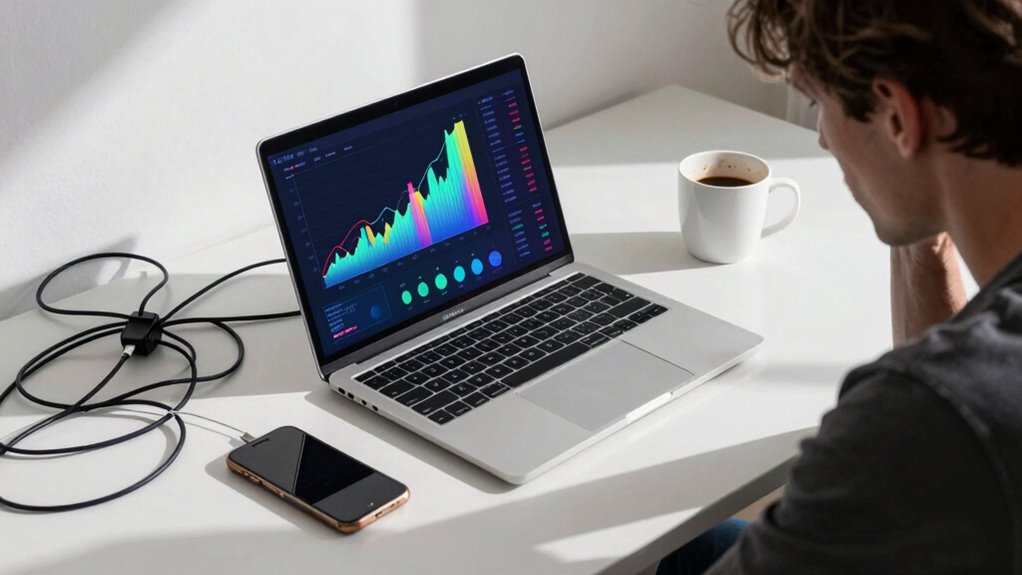
Technology feels empowering when it helps you achieve your goals, respects your boundaries, and gives you control over how you engage. When you customize settings, turn off unnecessary notifications, and create tech-free zones, you foster mastery and well-being. On the other hand, tech becomes draining when constant alerts, manipulative designs, and lack of control leave you overwhelmed and exhausted. If you’re curious how to turn your digital tools into allies, there’s more to discover on this path.

Get the latest gadgets delivered free — and shop member deals
- Fast, free delivery on millions of items
- Access to Prime Big Deal Days deals on October 6–7
- Prime Video, Amazon Music and more included
Key Takeaways
- Technology feels empowering when users have control over settings, notifications, and engagement choices.
- Lack of boundaries and constant digital stimuli can make technology feel overwhelming and draining.
- Personalization and customization foster a sense of mastery and relevance, enhancing empowerment.
- Platforms designed with manipulative algorithms diminish user agency, leading to fatigue and disengagement.
- Intentional, purposeful use aligns technology with personal goals, boosting feelings of support rather than exhaustion.

Have you ever wondered whether technology truly empowers us or simply drains our energy? It’s a question many of us ask, especially as we navigate an ever-connected world. The difference often hinges on how we manage our digital boundaries and the level of user autonomy we maintain. When technology aligns with your needs and respects your limits, it can feel empowering—giving you tools to enhance your productivity, connect with loved ones, or learn new skills. But when it blurs those boundaries or takes away your control, it becomes exhausting, leaving you drained and overwhelmed.
Digital boundaries are essential in shaping whether technology works for or against you. If you’re constantly bombarded with notifications, emails, and social media alerts, it’s easy to feel like your time isn’t your own. But when you set clear boundaries—like turning off non-essential notifications, establishing specific times for checking emails, or creating tech-free zones—you reclaim control. These boundaries prevent technology from invading your mental space and help preserve your energy. By consciously designing your digital environment, you send a message to yourself that your well-being matters. When technology respects these boundaries, it becomes a supportive tool rather than a relentless demand on your attention. Recognizing how digital design choices influence your engagement can help you better manage your online experiences and avoid burnout.
Setting digital boundaries empowers you to protect your mental space and preserve your energy.
User autonomy is equally critical. If you feel like technology is dictating your actions—forcing you into endless scrolling or pushing you toward impulsive decisions—you may feel powerless. But when you retain autonomy—choosing what apps to download, customizing your settings, or deciding how much time to spend online—you foster a sense of mastery. This control boosts your confidence and makes your interactions with technology more intentional and meaningful. The more you can tailor your digital experience to suit your preferences, the more empowering it feels. Conversely, when algorithms or platform designs limit your choices or manipulate your behavior, technology drains your energy, making you feel like a passive participant rather than an active user. Being aware of content presentation helps you to better understand how your digital experience is shaped and how you can take back control.
Ultimately, technology feels empowering when it enhances your life without overwhelming it. Establishing clear digital boundaries and maintaining user autonomy allows you to harness the benefits while minimizing the downsides. It’s about being intentional—choosing how, when, and why you engage with digital tools—and ensuring those tools serve your goals rather than distract from them. When you take control of your digital environment, you turn technology into an ally that energizes rather than depletes you. That balance is what transforms tech from a source of exhaustion into a genuine source of empowerment.
As an affiliate, we earn on qualifying purchases.
Frequently Asked Questions
How Does User Personality Influence Technology Perception?
Your personality traits shape how you perceive technology, influencing your emotional responses. For example, if you’re naturally curious or open-minded, you might see new tech as empowering, offering opportunities to learn or connect. Conversely, if you’re more anxious or cautious, you might feel drained by complex interfaces or constant notifications. Recognizing these traits helps you choose tools that align with your preferences, making your tech experience more positive and empowering.
Can Design Aesthetics Impact Feelings of Empowerment or Drain?
Did you know that 75% of users judge a device’s trustworthiness based on its visual appeal? Design aesthetics can profoundly impact your feelings of empowerment or drain. When a product’s visual appeal aligns with your preferences, it creates emotional resonance, making you feel more confident and in control. Conversely, poor design can lead to frustration, draining your energy and diminishing your sense of empowerment.
What Role Does Social Support Play in Tech Experiences?
Social support plays a vital role in your tech experience by fostering peer encouragement and community engagement. When you connect with others who share your interests, technology becomes more empowering, providing motivation and a sense of belonging. Conversely, the lack of support can make tech feel draining, leading to frustration or isolation. Engaging with a supportive community helps you navigate challenges and amplifies the positive feelings associated with your tech use.
How Do Cultural Differences Affect Technology Feelings?
Ever wonder how your cultural background shapes your tech feelings? Cultural norms influence how you perceive technology, affecting your comfort and trust. In some cultures, technology acceptance is high because it’s seen as a tool for progress, empowering users. In others, skepticism or traditional values make tech feel draining or intrusive. Your cultural context molds your emotional response, making technology either a source of empowerment or frustration.
Does Tech Familiarity Reduce Feelings of Drain?
Yes, tech familiarity can reduce feelings of drain because it lessens tech anxiety. When you’re more comfortable with the tools you use daily, you’re likely to experience a familiarity boost, making technology feel less overwhelming and more empowering. This comfort helps you navigate tech tasks confidently, decreasing stress and fatigue. Over time, building familiarity transforms tech from a source of drain into a tool that supports your productivity and well-being.
As an affiliate, we earn on qualifying purchases.
Conclusion
Like Icarus soaring toward the sun or a sailor steering stormy seas, the tech you choose can lift you up or weigh you down. When it empowers, it’s a trusted compass guiding you forward; when it drains, it’s a relentless tide pulling you under. Your experience depends on how you harness these tools—embracing their potential or succumbing to their chaos. Ultimately, you hold the power to steer your journey toward clarity and control.
As an affiliate, we earn on qualifying purchases.
app for customizing notifications
As an affiliate, we earn on qualifying purchases.
As an affiliate, we earn on qualifying purchases.
Fall Picks
fall essentials
As an affiliate, we earn on qualifying purchases.