
Wellness apps can offer small to moderate benefits for mental health, especially when they include evidence-based practices like CBT and mindfulness. Personalization, engaging features, and consistent use boost their effectiveness, but many apps lack scientific validation and long-term data. They work best as supplements to professional support rather than replacements. If you’re curious about how to choose effective apps and maximize their benefits, there’s more to discover that can help you make informed decisions.
Key Takeaways
- Wellness apps can provide small to moderate symptom reductions but often lack long-term effectiveness and scientific validation.
- Guided apps with evidence-based techniques like CBT and mindfulness tend to be more effective than stand-alone versions.
- Personalization, interactive features, and engagement strategies improve user retention and perceived helpfulness.
- Apps should supplement professional care and not replace mental health treatment for serious conditions.
- Privacy, data security, and scientific validation are critical to ensuring user trust and app efficacy.

iO CLEAN Screen Cleaner Spray (16oz - 473ml) – Best Large Cleaning Kit
- Versatile Screen Compatibility: Works on all electronic screens and devices
- Gentle, Scratch-Free Formula: Removes dust, fingerprints, grime safely
- Protective, Anti-Static Coating: Leaves a streak-free, smudge-free shine
As an affiliate, we earn on qualifying purchases.
Effectiveness of Mental Health Apps: What the Research Shows
Research indicates that mental health apps can provide small to moderate benefits in reducing symptoms of depression, anxiety, and stress. Studies show that guided apps, especially those incorporating cognitive-behavioral therapy (CBT) and mindfulness, tend to produce more noticeable improvements. Apps designed as supplements to traditional therapy generally outperform stand-alone versions, offering better results. Meta-analyses reveal that these apps can lead to sustained benefits lasting 7–11 weeks, though long-term data are limited. Most users experience some symptom reduction, but engagement levels vary. You might find that features like mood tracking and personalized activities boost your progress. Additionally, understanding the effectiveness of mental health apps can help you choose the most suitable tools for your needs. Incorporating user engagement strategies, such as gamification and reminders, can further enhance the benefits you receive from mental health apps. Moreover, the quality of app content plays a crucial role in determining how effective these tools will be for individual users. Recognizing the importance of user motivation can also influence how consistently you use these apps and achieve positive outcomes.

EVEO Screen Cleaner Spray - Large Screen Cleaner Bottle - TV Screen Cleaner, Computer Screen Cleaner, for Laptop, Phone, Ipad - Computer Cleaning kit Electronic Cleaner (1 Pack)
- Versatile Electronic Device Cleaner: Suitable for TVs, laptops, phones, and tablets
- Effective Streak-Free Cleaning: Removes dust, fingerprints, and smudges
- Gentle on Sensitive Screens: Safe for LCD, LED, OLED, CRT screens
As an affiliate, we earn on qualifying purchases.
Key Features That Drive App Success
You’ll find that personalization is key to keeping users engaged, as tailored activities and mood tracking make apps more relevant. Interactive features and gamification can boost motivation and make mental health routines more enjoyable. However, balancing engaging elements with long-term effectiveness remains essential for app success. Incorporating Flexible Engagement Options such as adaptable notification settings and customizable goal tracking can help sustain user involvement over time. Recognizing the importance of user engagement strategies can further enhance the app’s ability to maintain long-term user commitment, especially when combined with evidence-based practices that support sustained mental health improvements. Additionally, understanding the reliance on cloud services like those experienced during Microsoft outages underscores the importance of implementing contingency plans to ensure consistent app availability and data security.
Personalization Boosts Engagement
Personalization plays a crucial role in boosting user engagement with mental health apps, as tailored content helps you feel understood and supported. When the app adapts to your specific needs, preferences, and progress, you’re more likely to stay motivated and consistent. Features like personalized mood-tracking, tailored activity suggestions, and customized reminders make the experience relevant and meaningful. These adjustments help you see your individual patterns and feel that the app is genuinely responding to your unique situation. Personalization also fosters a sense of connection, making the app feel less generic and more like a supportive partner. As a result, you’re more likely to continue using the app, which can enhance its effectiveness in managing your mental health. Additionally, incorporating advanced technology such as AI-driven insights can further personalize your experience. For example, some apps utilize data analysis to better understand user behavior and improve recommendations over time. Incorporating evidence-based practices ensures that the personalized features are both effective and grounded in scientific research.
Interactive and Gamified Features
Interactive and gamified features considerably enhance user engagement by making mental health apps more dynamic and enjoyable. These features turn routine activities into motivating experiences, encouraging you to stick with your mental health journey. Streaks, badges, and rewards tap into your natural desire for achievement, boosting short-term commitment. Quizzes, challenges, and interactive exercises make skill-building feel less like work and more like play. Gamification can help reduce feelings of boredom or frustration, making it easier to maintain consistent app use. Furthermore, incorporating behavioral reinforcement strategies rooted in psychological principles can further improve the effectiveness of these apps. These strategies leverage positive reinforcement to encourage continued use and progress. Incorporating motivational techniques based on behavioral science can also enhance user persistence and satisfaction. Additionally, integrating evidence-based techniques ensures that the app’s approach remains grounded in scientifically supported methods. However, while these elements can motivate, they may also foster dependency or distract from real progress. To get lasting benefits, it’s best to combine engaging features with evidence-based techniques and professional guidance.

Screen Cleaner Spray 16oz (4oz x 4 Pack) - TV & Computer Screen Cleaner with 2 Microfiber Cloths for Multiple Devices
- Kit Includes: 4 screen cleaner bottles and 2 microfiber cloths
- Effective Cleaning: Removes dust, fingerprints, and smudges
- Gentle and Safe: Deep cleans without scratching surfaces
As an affiliate, we earn on qualifying purchases.
Insights From Major Studies and Meta-Analyses
Major studies and meta-analyses provide crucial insights into the effectiveness of mental health apps, revealing that while many interventions yield small to moderate benefits, results can vary considerably across different platforms and populations. You’ll find that guided apps and those using evidence-based techniques like CBT and mindfulness tend to produce more consistent improvements. Additionally, the incorporation of essential oils and aromatherapy principles has been explored for mood enhancement, though research remains limited. Evidence-based approaches are more likely to lead to meaningful and sustained mental health improvements. Personalized feedback and adaptive algorithms can further enhance user engagement and treatment efficacy, but more research is needed to confirm their long-term benefits. Moreover, user privacy concerns and data security issues are critical factors that influence user trust and app adoption. The integration of wellness technology with traditional therapy approaches shows promise for a more comprehensive mental health strategy. However, many standalone apps show only modest effects, and long-term benefits remain uncertain.
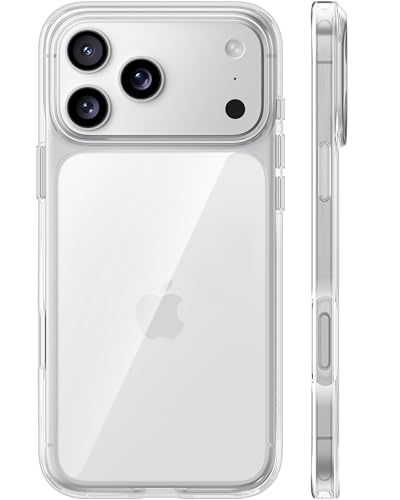
TORRAS for iPhone 17 Pro Case Crystal Clear, Upgraded Anti-Yellowing, 6.3''
- Compatibility: Designed for iPhone 17 Pro only
- Crystal Clear & Anti-Yellowing: Resists 99.9% yellowing with advanced coating
- Bubble-Free Adhesion: Micro-dot design ensures clear, bubble-free fit
As an affiliate, we earn on qualifying purchases.
Challenges and Limitations in Digital Mental Health Interventions
Despite the promise of digital mental health interventions, several challenges limit their effectiveness and widespread adoption. Many apps lack rigorous scientific validation, making it hard to trust their claims. User engagement drops quickly—most abandon apps within weeks due to usability issues, unmet expectations, or digital fatigue. Stand-alone apps often show only small effects, especially compared to traditional therapy, and may not address complex mental health needs. Privacy concerns and data security risks also pose barriers, as users worry about sensitive information being compromised. Additionally, digital dependency can develop, potentially delaying professional help when needed. The absence of scientific validation undermines confidence in these tools, and the lack of integration with healthcare systems can hinder comprehensive care. These limitations highlight the importance of integrating apps with healthcare systems and ensuring they complement, rather than replace, professional support. Without addressing these challenges, scaling digital mental health solutions remains difficult.
User Engagement: Keeping Users Motivated and Committed
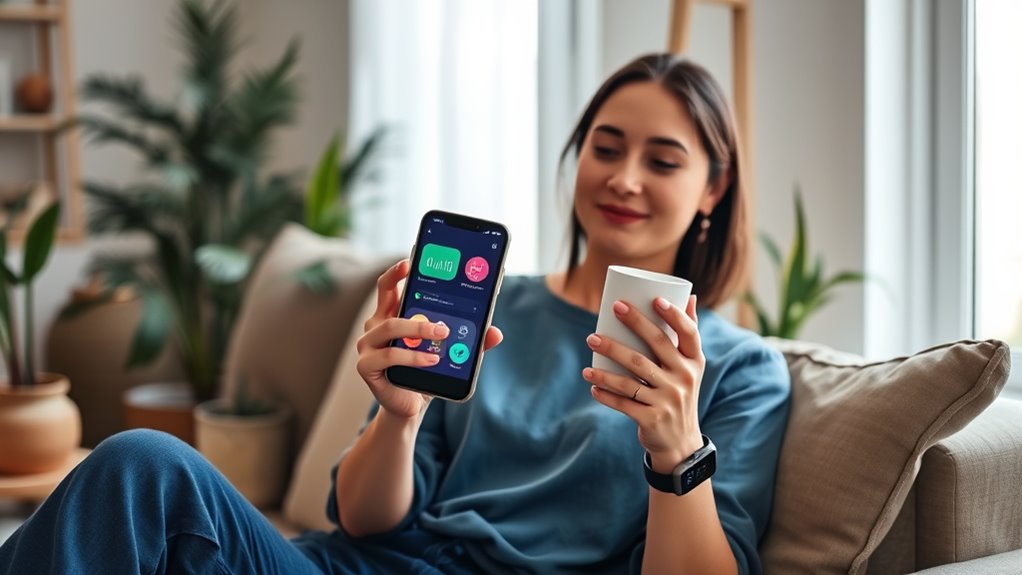
Have you ever started a mental health app with high hopes only to abandon it after a few weeks? Keeping users motivated is tough. Apps with intuitive designs, personalized content, and interactive features tend to hold your attention longer. However, motivation often drops when engagement feels repetitive or overwhelming.
Starting a mental health app? Keep users engaged with intuitive design and personalized features to prevent early drop-off.
- Streak-based rewards and gamification can boost short-term use but might not sustain long-term commitment.
- Usability issues or unmet expectations cause many to stop using apps quickly.
- Users are more likely to stay engaged if the app integrates with their healthcare or offers tailored feedback.
Ultimately, maintaining motivation requires balancing engaging features with ease of use, ensuring users see ongoing value and support in their mental health journey.
Ethical and Clinical Considerations for Wellness Apps
When using wellness apps for mental health, ethical and clinical considerations become crucial to guarantee safe and effective support. You need to ensure the app’s guidance aligns with established clinical standards and doesn’t replace professional care. Privacy and data security are critical, so trustworthiness hinges on transparent policies and protection of your personal information. Be cautious of apps employing persuasive design or gamification, as these tactics can foster dependency or manipulate your behavior. Remember, these tools should supplement, not substitute, therapy. If an app claims to diagnose or treat serious conditions without clinical validation, approach with skepticism. Always prioritize apps backed by rigorous research and consider consulting a mental health professional for personalized advice. Your safety and well-being depend on critical evaluation of these digital tools.
Frequently Asked Questions
How Do Mental Health Apps Compare to Traditional Therapy Effectiveness?
You’ll find that mental health apps generally have smaller effects than traditional therapy, especially when used alone. They work best as supplements, offering modest symptom relief and promoting engagement through features like mindfulness and CBT techniques. While some apps show promising results, they often lack long-term impact and personalized care. To get the most benefit, consider combining apps with professional therapy rather than relying solely on digital interventions.
What Are the Privacy Risks Associated With Wellness App Data Collection?
You’re handing over sensitive thoughts and feelings to an app, opening a Pandora’s box of privacy risks. Your data could be mishandled, sold to third parties, or exposed in breaches, leaving your mental health details vulnerable like fragile glass. Without strict security measures, your personal information risks misuse, identity theft, or unwelcome profiling. Always scrutinize app privacy policies, and be cautious about what you share—your mental well-being deserves protecting as fiercely as your physical health.
Can Mental Health Apps Replace Professional Mental Health Treatment?
Mental health apps can’t fully replace professional treatment, but they can support it. You might find apps helpful for managing symptoms or building coping skills, especially when used alongside therapy. However, they often lack the depth and adaptability a professional provides. Relying solely on apps can delay necessary care, so it’s best to see them as supplements rather than substitutes for expert guidance and personalized treatment.
How Sustainable Is User Engagement Over Long-Term App Usage?
Think of your app usage like tending a garden; initial enthusiasm blooms brightly, but without consistent care, those flowers fade. You often start strong, but engagement drops quickly as novelty wears off or usability issues arise. To keep your mental health garden thriving, you need continuous motivation, personalized content, and occasional guidance. Long-term sustainability requires integrating the app into your routine and balancing it with professional support for lasting growth.
Are There Specific Populations That Benefit More From Mental Health Apps?
You benefit more from mental health apps if you’re motivated, engaged, and seeking supplemental support before or during traditional therapy. People experiencing mild to moderate symptoms tend to see the most improvement, especially when apps incorporate CBT, mindfulness, and personalized features. If you’re on waiting lists for therapy or prefer low-intensity interventions, these apps can boost your mental health. However, they work best when combined with professional care rather than used alone.
Conclusion
So, despite all the promises of instant relief and 24/7 support, wellness apps often leave you wondering if they’re just digital band-aids. You downloaded the latest hit, hoping for a breakthrough, only to find yourself scrolling mindlessly instead of healing. Ironically, in a world obsessed with tech solutions, the real progress still depends on genuine human connection. Maybe, just maybe, a simple chat beats the best app after all.