
TL;DR

Get the latest gadgets delivered free — and shop member deals
- Fast, free delivery on millions of items
- Access to Prime Big Deal Days deals on October 6–7
- Prime Video, Amazon Music and more included
Kawasaki Heavy Industries and Airbus are partnering to develop anti-submarine drones for Japan, beginning with equipping Airbus’ Eurodrone with maritime surveillance technology. This collaboration aims to enhance Japan’s maritime defense capabilities.
Kawasaki Heavy Industries and Airbus have announced a partnership to develop anti-submarine drones intended for Japan’s defense needs. This collaboration will focus on outfitting Airbus’ Eurodrone with maritime surveillance and anti-submarine systems, with the goal of proposing the technology to Japan’s defense ministry. The development marks a significant step in Japan’s efforts to modernize its naval surveillance capabilities.
The partnership involves Kawasaki Heavy Industries working with an Airbus unit to modify the existing Eurodrone, a European intelligence-gathering UAV, by integrating anti-submarine warfare (ASW) technology. The collaboration aims to produce a drone capable of maritime surveillance and anti-submarine operations, tailored for Japan’s defense requirements.
While the project is still in development, sources indicate that the modified Eurodrone will incorporate Kawasaki’s anti-submarine systems, which are designed to detect and track submarines in Japan’s strategic maritime zones. The initiative is part of Japan’s broader efforts to bolster its maritime security amid regional tensions.
Officials from Kawasaki and Airbus have confirmed the partnership but have not disclosed specific timelines or technical details, citing ongoing development phases. The project is expected to be proposed to Japan’s defense ministry once initial testing and integration are complete.
Implications for Japan’s Maritime Defense Capabilities
This collaboration signifies Japan’s strategic move to incorporate advanced drone technology into its maritime security framework. Anti-submarine drones could provide Japan with a persistent, covert surveillance tool to monitor submarine activity in contested waters, enhancing its deterrence and response capabilities.
For regional security dynamics, the development of such autonomous maritime drones could influence the naval balance in East Asia, particularly in the context of rising submarine activity by neighboring countries. It also reflects Japan’s increasing investment in unmanned systems as part of its defense modernization efforts.
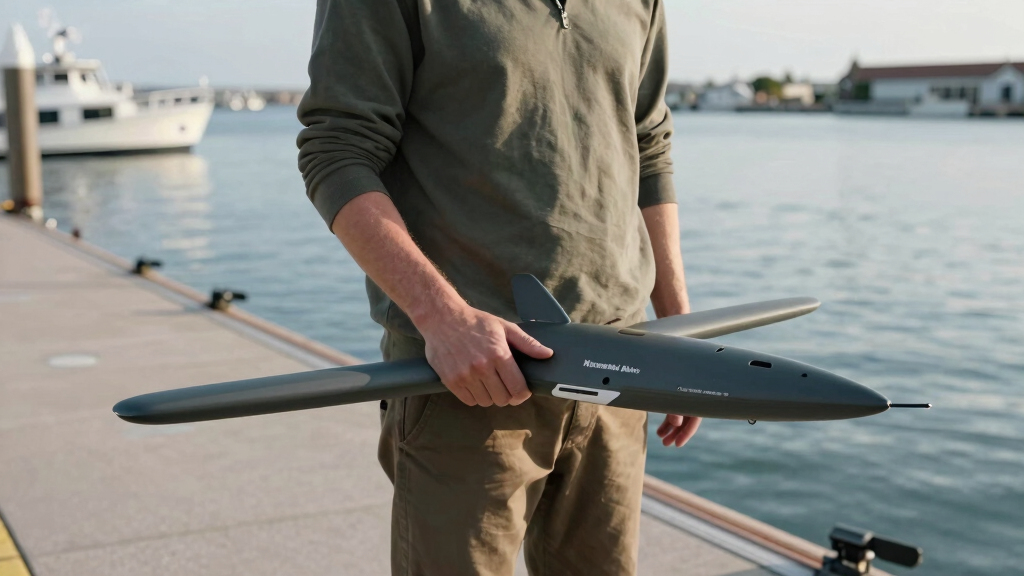
anti-submarine drone for maritime surveillance
As an affiliate, we earn on qualifying purchases.
As an affiliate, we earn on qualifying purchases.
Japan’s Growing Focus on Autonomous Maritime Systems
Japan has been progressively investing in unmanned maritime systems to address evolving security challenges, including territorial disputes and submarine proliferation in the region. Prior efforts have included deploying unmanned surface vessels and underwater drones for surveillance and reconnaissance.
The Eurodrone, developed by Airbus and its European partners, has been previously used for intelligence gathering in various regions. The decision to modify this existing platform for anti-submarine operations indicates a strategic shift toward leveraging proven UAV platforms for specialized military roles.
This partnership with Kawasaki, a prominent Japanese defense contractor, aligns with Japan’s broader goal to develop indigenous and allied drone capabilities, reducing reliance on foreign assets and enhancing operational readiness.
“The partnership with Airbus allows us to adapt proven UAV technology for Japan’s unique maritime security needs.”
— an anonymous Kawasaki official
military UAV for submarine detection
As an affiliate, we earn on qualifying purchases.
As an affiliate, we earn on qualifying purchases.
Technical Details and Deployment Timeline Remain Unclear
It is not yet clear when the modified Eurodrone will complete development or enter operational testing. Specific technical capabilities, such as detection range and endurance, have not been disclosed. Additionally, whether the drone will be deployed in active service remains uncertain, pending government approval and further testing.
unmanned maritime surveillance drone
As an affiliate, we earn on qualifying purchases.
As an affiliate, we earn on qualifying purchases.
Next Steps Include Testing, Evaluation, and Proposal Submission
The next phase involves integrating Kawasaki’s anti-submarine systems into the Eurodrone platform and conducting operational tests. Once testing is completed successfully, the project team plans to submit a proposal to Japan’s defense ministry for procurement and deployment. Further updates on timelines and technical specifications are expected as development progresses.
As an affiliate, we earn on qualifying purchases.
Key Questions
What is the main goal of this drone development?
The primary goal is to create an autonomous anti-submarine drone to enhance Japan’s maritime surveillance and defense capabilities.
Will this drone be used immediately by the Japanese military?
It is not yet confirmed when the drone will be operational; it is currently in development and testing phases.
How does this collaboration benefit Japan’s defense strategy?
It provides Japan with advanced, unmanned maritime surveillance tools that can monitor submarine activity covertly, strengthening regional security.
Are there similar systems already in use worldwide?
While various countries operate unmanned maritime systems, dedicated anti-submarine drones like this are still in development globally, making this a potentially pioneering effort.
What are the regional security implications of this project?
Enhanced anti-submarine drone capabilities could shift naval balances in East Asia, affecting regional security dynamics amid ongoing territorial and strategic tensions.
Source: Nikkei Asia
Fall Picks
fall essentials
As an affiliate, we earn on qualifying purchases.