
Resin printing and filament printing differ mainly in how they create objects. Resin uses liquid resin cured with UV light, resulting in highly detailed, smooth surfaces ideal for intricate designs like jewelry or miniatures. Filament printing melts plastic filament layer by layer, making it easier and more affordable for functional parts with better impact resistance. If you want to uncover more about their unique qualities and best uses, keep exploring the details behind each method.

Get the latest gadgets delivered free — and shop member deals
- Fast, free delivery on millions of items
- Access to Prime Big Deal Days deals on October 6–7
- Prime Video, Amazon Music and more included
Key Takeaways
- Resin printing produces high-detail, smooth surfaces using liquid resin cured by UV light, unlike filament printing which uses filament extrusion.
- Resin parts are more brittle and impact-sensitive, while filament prints are generally more durable and impact-resistant.
- Resin printing requires post-processing steps like alcohol rinsing and UV curing, whereas filament printing involves simpler support removal and sanding.
- Resin offers superior surface finish and complex geometries, ideal for miniatures and jewelry, whereas filament is better for functional, stress-bearing parts.
- Resin printers involve specialized equipment and handling procedures, making them more complex and costly compared to accessible filament 3D printers.
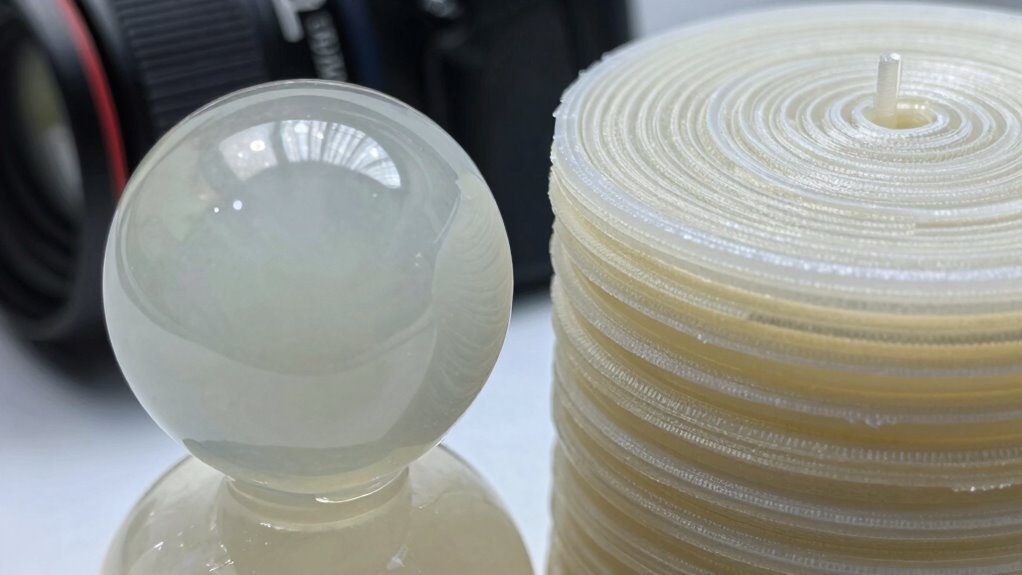
Are you trying to decide between resin printing and filament printing for your next project? Both methods have unique advantages and challenges, but understanding how they differ can help you choose the best fit. Resin printing, often called stereolithography (SLA) or digital light processing (DLP), uses liquid resin that hardens layer by layer when exposed to a light source. Filament printing, or fused deposition modeling (FDM), melts and extrudes thermoplastic filament through a heated nozzle, building your object from the bottom up. The key differences lie in the details of post processing techniques, material durability, and overall print quality.
Choosing between resin and filament printing depends on detail, durability, and post-processing needs.
When it comes to post processing techniques, resin prints typically require more effort. After printing, you’ll need to rinse the object in alcohol to remove excess resin, then cure it under UV light to fully harden the material. This extra step guarantees a smooth, high-detail finish but adds time to your workflow. Filament prints usually involve removing support structures, sanding rough edges, and sometimes applying paint or coatings, which can be more straightforward. However, resin prints often exhibit finer details and smoother surfaces right out of the printer, making them ideal for intricate models, jewelry, or miniatures. Additionally, resin printing can sometimes produce more complex geometries, thanks to its ability to create detailed and delicate features. This capability allows for highly detailed designs that are difficult to achieve with filament methods. The choice of resin also influences the level of detail and surface quality, making material selection crucial for achieving desired results. Moreover, resin printing often requires specialized equipment for curing and handling, which can be an investment for hobbyists and professionals alike. For those new to 3D printing, understanding these post processing differences can help set expectations and improve workflow efficiency.
Material durability is another major factor in your decision. Resin parts tend to be more brittle and sensitive to impact, which means they might crack or break under stress. They are, however, resistant to water and most chemicals, making them suitable for applications like prototypes or decorative objects. Filament materials like PLA, ABS, or PETG are generally more resilient and better suited for functional parts that need to withstand everyday use or mechanical stress. If your project demands strength and flexibility, filament options might serve you better, though they often require more careful post processing to improve finish and durability.
In terms of overall print quality, resin printing excels at capturing fine details and producing smooth surfaces, making it the go-to choice for high-precision work. FDM prints tend to have visible layer lines and rougher finishes, but they often require less cleanup and are more forgiving for beginners. When weighing these differences, consider your project’s purpose: if you prioritize detail and surface finish, resin is the better choice, despite the additional post processing steps. If you need durability and ease of post processing, filament printing might be more practical. The material properties and specific requirements of your project will ultimately determine the best method to use.
As an affiliate, we earn on qualifying purchases.
Frequently Asked Questions
Which Type of Printer Is More Environmentally Friendly?
You’ll find filament printers generally more environmentally friendly because they often use biodegradable materials like PLA, which break down more easily. Resin printers tend to emit more chemical emissions due to the liquid resins, which can be toxic and less biodegradable. If reducing chemical emissions and promoting biodegradability are priorities for you, filament printers are the better choice, especially those using eco-friendly filaments.
How Long Does Each Printing Process Typically Take?
You’ll find resin printing is a lightning-fast process, often taking just a few hours for detailed models, while filament printing can stretch into several hours or even days. Resin printers boast rapid print speed thanks to their layer-by-layer curing, reducing process duration markedly. In contrast, filament printers build more slowly, layer by layer, making the overall process longer. Your choice depends on how quickly you need your finished piece.
Are There Safety Concerns With Resin Printing?
Yes, there are safety concerns with resin printing. You need to be cautious about chemical safety because resin contains potentially harmful chemicals. Always handle it with gloves and work in a well-ventilated area to avoid inhaling fumes. Follow handling precautions, like avoiding skin contact and proper disposal, to prevent health risks. Being aware of these safety measures helps you enjoy resin printing without unnecessary hazards.
Can Resin Prints Be Used Outdoors?
Resin prints can be used outdoors, but UV exposure from sunlight causes resin degradation over time. About 70% of outdoor resin objects may show signs of wear within a year, so they’re less durable outside. UV rays break down the resin’s structure, leading to discoloration and brittleness. To extend their lifespan, you should apply UV-resistant coatings or store your prints indoors when possible.
What Are the Cost Differences Over Time?
In the long term, resin printing tends to be more expensive than filament printing. Your cost comparison includes resin, which is pricier per volume, and the need for post-processing supplies. Filament printers usually have lower ongoing expenses because filament is cheaper and widely available. Over time, if you print frequently, these costs add up, making filament printing a more budget-friendly option for ongoing projects, despite its lower resolution.
As an affiliate, we earn on qualifying purchases.
Conclusion
So, now you see how resin and filament printing each have their unique perks. Resin printers offer incredible detail, making them perfect for miniatures or jewelry, while filament printers are more versatile and beginner-friendly. Did you know that resin printing can produce up to 20% higher resolution than filament? Whether you choose precision or simplicity, understanding these differences helps you pick the right tool for your projects and brings your creative ideas to life with confidence.
As an affiliate, we earn on qualifying purchases.
As an affiliate, we earn on qualifying purchases.
Fall Picks
fall essentials
As an affiliate, we earn on qualifying purchases.