
TL;DR
Scientists have described a new fossil species of axolotl in Mexico, dating back to the Pliocene era. This discovery expands understanding of amphibian evolution and Mexican biodiversity.
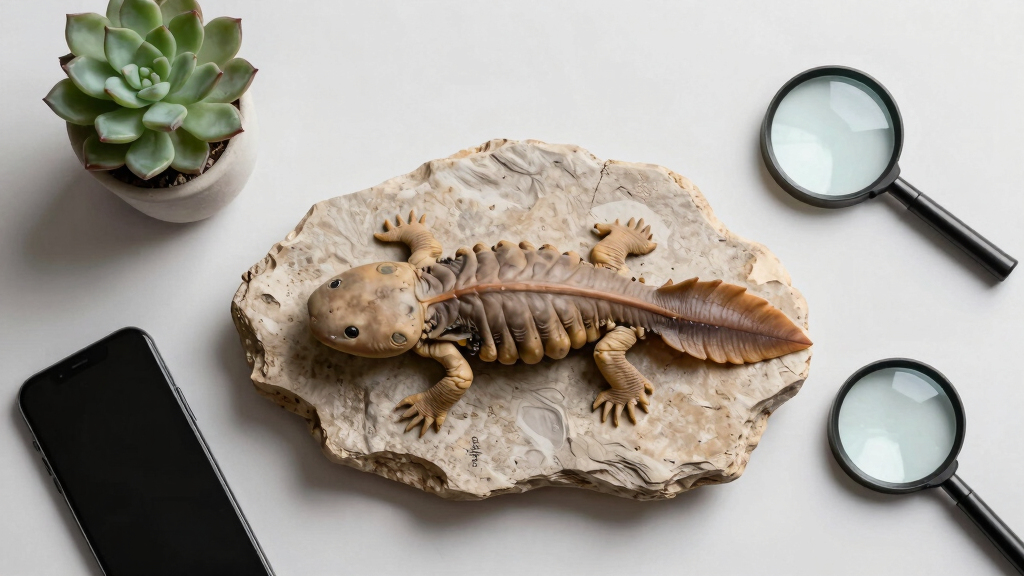
Researchers at the Zaragoza School of Advanced Studies (FES Zaragoza) at the National Autonomous University of Mexico (UNAM) have formally described a new fossil species of axolotl, Ambystoma quetzalcoatli, found in Hidalgo. This is the first fossil salamander species to be described in Mexico and represents the oldest known record of the genus Ambystoma in the country. The discovery offers new insights into the evolutionary history of Mexican amphibians and biodiversity.
The fossils were uncovered in the municipality of Atotonilco el Grande, Hidalgo, an area that was once part of a vast freshwater lake system covering approximately 85 square kilometers. These fossils, collected in the early 2000s by the FES Zaragoza Paleobotany Research Group, include well-preserved, articulated skeletons that allowed detailed anatomical analysis. Initial identification suggested they belonged to a species of Ambystoma, a genus that includes modern axolotls.
Re-examined with advanced techniques such as CT scanning and anatomical comparisons, the fossils were determined to belong to a previously unknown species. Key differences include an elongated opening on the skull, a unique palate structure, variations in cranial bones, and the presence of 17 trunk vertebrae—more than modern axolotls, which typically have 16 or fewer. These findings were published in Palaeontologia Electronica.
Comparative analysis with 13 living Ambystoma species, including the Mexican endemic axolotl (Ambystoma mexicanum), confirmed that Ambystoma quetzalcoatli was a distinct species. The fossils also exhibited neoteny, a trait where juvenile features are retained into adulthood, which is common among modern Mexican axolotls. This suggests that such life-history strategies were already present in the Pliocene epoch, several million years ago.
Implications for Mexican Amphibian Evolution
The discovery of Ambystoma quetzalcoatli indicates that the lineage of axolotls in Mexico is much older than previously understood, dating back to the Pliocene epoch. This pushes back the timeline for the evolution of these amphibians and highlights the long-standing presence of freshwater lake ecosystems in the region. It also underscores that modern Mexican biodiversity has deep roots in ecosystems that have since vanished, emphasizing the importance of conserving remaining habitats.
Furthermore, this finding offers valuable clues about the evolution of neoteny in salamanders, a trait that has allowed these species to thrive in isolated, stable environments. It may influence future research on amphibian adaptation and resilience amid environmental changes.

Chirostenotes Dinosaur Claw Replica – 4.5" Fossil Reproduction
- Replica Dinosaur Claw: 4.5-inch Chirostenotes fossil replica
- Species Information: Chirostenotes pergracilis from Late Cretaceous
- Realistic Design: Authentic texture and anatomical accuracy
As an affiliate, we earn on qualifying purchases.
As an affiliate, we earn on qualifying purchases.
Ancient Lakes and Amphibian Diversity in Mexico
The fossils were discovered in a region historically characterized by extensive freshwater lakes, likely formed when the Amajac River was temporarily blocked. This environment supported diverse aquatic life, including plants, diatoms, gastropods, and fish. Prior to this discovery, amphibian remains from the site had not been formally studied or described, despite the presence of well-preserved fossils collected in the early 2000s.
The genus Ambystoma includes several species endemic to Mexico, such as the well-known axolotl from Xochimilco. The new species, Ambystoma quetzalcoatli, adds a significant chapter to the evolutionary history of these salamanders, illustrating their ancient origins and the ecological stability of the lake systems they inhabited. Previous genetic studies of modern salamanders have suggested deep evolutionary roots, now supported by this fossil evidence.
“The discovery of Ambystoma quetzalcoatli shows that the axolotl lineage has a much older evolutionary history than previously thought, with a presence in Mexico dating back to the Pliocene.”
— an anonymous researcher

BEERISE Eddas 1/100 Scale 7.5 Inch Salamander Mecha Model Kit with Alloy Frame Beam Effect Parts Articulated Sci-Fi Robot Collectible Assembly Display Figure for Hobby Enthusiasts Ages 15+
- Design: Futuristic Salamander mecha with armor
- Height: Approximately 7.5 inches tall
- Accessories: Beam effects, weapons, interchangeable hands
As an affiliate, we earn on qualifying purchases.
As an affiliate, we earn on qualifying purchases.
Remaining Questions About Fossil and Evolutionary Context
It is not yet clear how widespread Ambystoma quetzalcoatli was or how it fit into the broader ecosystem of its time. The precise timeline of its divergence from other Ambystoma species and its ecological role during the Pliocene remain subjects for further research. Additionally, the extent to which this species retained neoteny compared to modern relatives is still being examined.

Amphibian Evolution: The Life of Early Land Vertebrates (TOPA Topics in Paleobiology)
As an affiliate, we earn on qualifying purchases.
As an affiliate, we earn on qualifying purchases.
Future Research Directions and Fossil Discoveries
Scientists plan to conduct further excavations in the region to uncover additional fossils that could shed light on the species’ distribution and ecological context. Genetic analyses of related modern species may also help clarify evolutionary relationships. The discovery opens new avenues for understanding amphibian resilience and adaptation in ancient Mexican lakes.

EXCOOL CLUB Mexico Wall Art, 6 Pc 12×16 Vintage Western Cactus Posters
- Vibrant Mexican Decor: Printed on thick cardstock with matte finish
- Western-Inspired Retro Poster: Features bright background and sophisticated layout
- Complete Decor Set: Includes 6 unframed art prints in various sizes
As an affiliate, we earn on qualifying purchases.
As an affiliate, we earn on qualifying purchases.
Key Questions
What is the significance of the new fossil species?
The discovery extends the known history of axolotls in Mexico by millions of years, revealing their ancient origins and evolutionary resilience.
How does Ambystoma quetzalcoatli differ from modern axolotls?
It has distinctive skull features, more trunk vertebrae, and likely retained neotenic traits similar to modern species, but with notable anatomical differences.
Where was the fossil found?
The fossils were discovered in Atotonilco el Grande, Hidalgo, in a region that was once part of a large freshwater lake system.
What does this discovery tell us about Mexican biodiversity?
It indicates that Mexico’s amphibian diversity has deep historical roots, with species evolving in ecosystems that no longer exist today.
Are there plans for further fossil excavations?
Yes, researchers intend to continue excavations in the area to find more fossils that can provide additional insights into the species’ history and ecology.
Source: WIRED