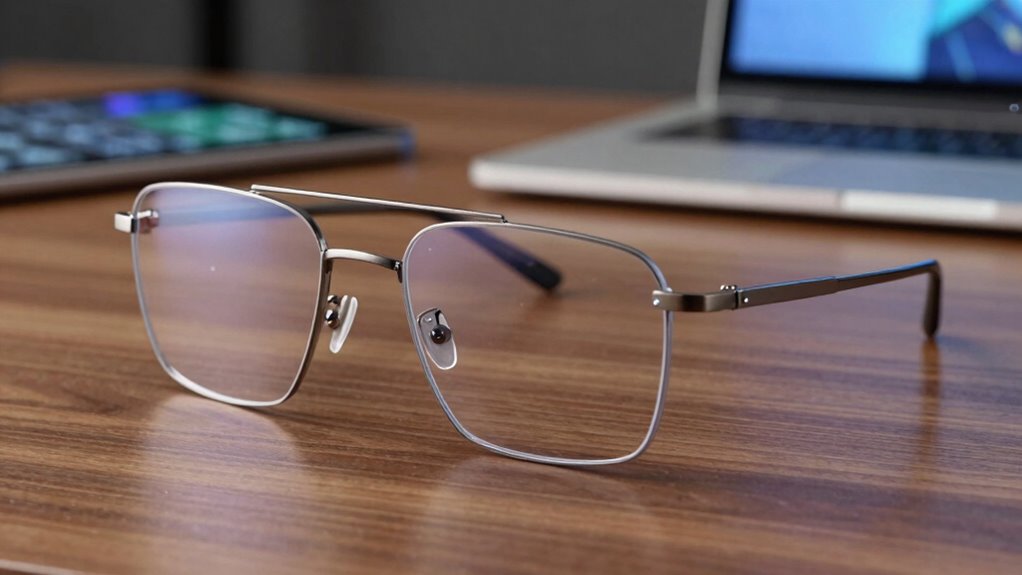

Before smart glasses go mainstream, you need devices that seamlessly blend into your daily life with quick, clear AR overlays that feel natural and intuitive. They must have reliable all-day battery life and robust privacy controls to keep your data secure. Stylish, lightweight designs should fit your fashion sense, and affordable options will make them accessible for everyone. Focusing on these core improvements will help make smart glasses a trusted, essential part of your tech lineup—explore further to see how they can fit your world.

Get the latest gadgets delivered free with Prime
- Fast, free delivery on millions of items
- Prime Video, Amazon Music and more included
- Member-only deals all year
Key Takeaways
- Seamless AR integration that is quick, relevant, and unobtrusive enhances daily usability and user engagement.
- Long-lasting, reliable battery life ensures all-day use without frequent recharging.
- Robust privacy controls and transparent data policies build user trust and safeguard personal information.
- Sleek, intuitive design with easy controls improves comfort, style, and ease of use for everyday wear.
- Affordable pricing and accessible features broaden market reach and facilitate mainstream adoption.
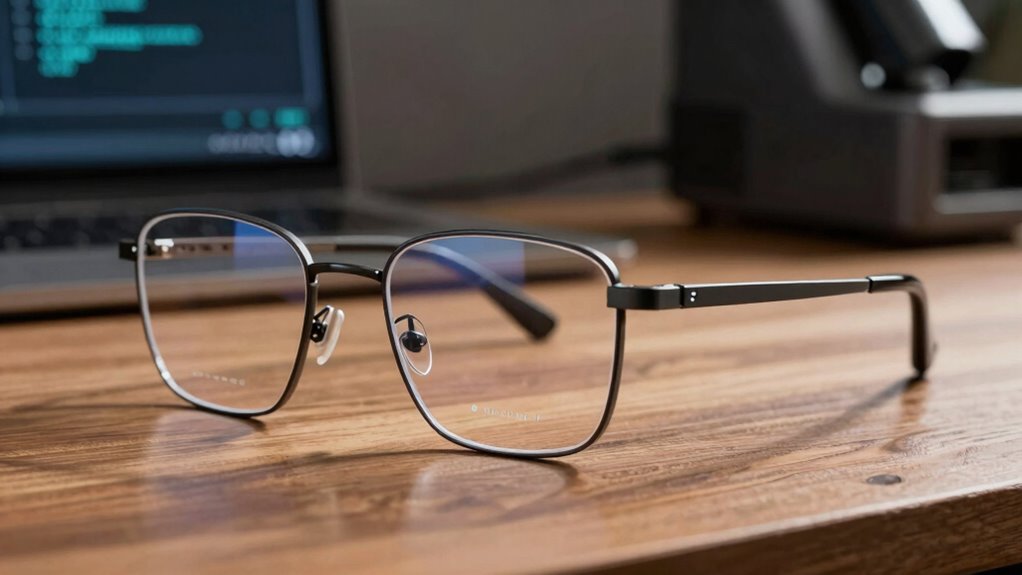
Smart glasses have the potential to revolutionize how you interact with technology, but they still face significant hurdles before becoming mainstream. One of the biggest challenges is integrating augmented reality seamlessly into daily life. For smart glasses to truly succeed, they need to deliver a smooth, intuitive experience that enhances what you see without feeling intrusive. When augmented reality overlays information onto your real-world view, it should be clear, quick to access, and relevant. If the tech feels clunky or distracting, you’ll quickly lose interest. Manufacturers must focus on creating high-quality displays that are lightweight and comfortable, so you forget you’re even wearing them. Battery life is another crucial factor—if your smart glasses can’t last through a full day without frequent charging, adoption will stall. You need a device that’s reliable, so you’re confident it’ll be there when you need it. Additionally, developing user-friendly interfaces that accommodate various skill levels is essential to encourage widespread adoption. Incorporating natural interaction methods such as voice and gesture controls can make using smart glasses more intuitive and accessible for users of all backgrounds.
Smart glasses need seamless AR, lightweight comfort, long battery life, and reliability to truly transform daily tech interactions.
Privacy concerns are also a major obstacle. When smart glasses record your surroundings or capture images and videos, it raises questions about consent and security. You might worry about who has access to your data or how it’s stored. Without transparent privacy policies and robust security measures, users may hesitate to adopt the technology. Companies need to prioritize privacy by including features like local data processing and clear controls over what gets recorded or shared. Building trust is essential; if you feel your personal space isn’t protected, you’ll be reluctant to wear smart glasses in public or sensitive environments.
Design plays a critical role in mainstream acceptance. Smart glasses should look stylish and feel natural, not bulky or geeky. If they resemble traditional tech gadgets or appear conspicuous, many will shy away. A sleek, unobtrusive design that blends into everyday fashion makes it easier for you to wear them confidently. Ease of use is equally important—intuitive interfaces, voice commands, and gesture controls should make interactions straightforward. If you have to explore complicated menus or troubleshoot often, the experience becomes frustrating.
Finally, affordability is key. Cutting-edge technology often comes with a hefty price tag, but for smart glasses to go mainstream, they need to be accessible to a broader audience. Manufacturers should aim for a balance between advanced features and reasonable pricing, so more people can benefit from augmented reality and other functionalities. When these elements come together—seamless augmented reality, strong privacy safeguards, stylish design, user-friendly interfaces, and affordability—smart glasses will move from niche gadgets to everyday essentials. Until then, they remain a promising but still evolving technology.
As an affiliate, we earn on qualifying purchases.
Frequently Asked Questions
How Durable Are Current Smart Glasses in Everyday Use?
Current smart glasses are reasonably durable for everyday use, but their longevity depends on material durability and design ergonomics. You might find that high-quality materials like reinforced plastics or metals help withstand daily wear and tear. Additionally, a well-designed ergonomic fit prevents discomfort and accidental damage. While they’re built to last, you should handle them carefully and choose models with sturdy construction to guarantee they endure your daily activities.
What Privacy Concerns Are Associated With Smart Glasses?
Smart glasses cast a shadow over your privacy, like a watchful eye always lurking. Privacy risks stem from constant data collection, making your personal information vulnerable to hacking or misuse. Data security becomes a top concern, as sensitive footage or conversations could be intercepted or exploited. Before they go mainstream, these devices need robust privacy controls and encryption to guarantee your data stays safe and your personal space remains private.
How Do Smart Glasses Impact Battery Life During Extended Use?
Smart glasses can substantially impact your battery life during extended use. To counter this, manufacturers focus on battery optimization and power management techniques, like reducing screen brightness and disabling unnecessary features. You can also maximize battery life by turning off smart glasses when not in use and choosing models with larger batteries or energy-efficient components. These strategies help guarantee your smart glasses last longer during prolonged activities.
Are Smart Glasses Compatible With All Smartphones and Devices?
Smart glasses aren’t compatible with all smartphones and devices right now. For example, a user with an iPhone might find some models don’t support certain features due to device integration and compatibility standards. To guarantee seamless use, check if the smart glasses specify compatibility with your device’s operating system and hardware. Manufacturers often list compatible models, making it easier to choose glasses that work well with your smartphone or other gadgets.
What Are the Cost Implications for Mainstream Adoption?
The cost implications for mainstream adoption hinge on price comparison and market readiness. As smart glasses become more affordable through technological advancements, they’ll appeal to a broader audience. Lower prices will drive demand, but manufacturers must balance affordability with quality to guarantee market readiness. If prices drop considerably, mass adoption becomes more feasible, transforming smart glasses from niche gadgets into everyday essentials.
lightweight stylish smart glasses
As an affiliate, we earn on qualifying purchases.
As an affiliate, we earn on qualifying purchases.
Conclusion
So, before smart glasses become a staple in your daily life, they need to blend seamlessly into your routine, offering real value without the hassle. Better battery life, stylish design, and user-friendly features are essential. Are you ready to embrace a future where glasses do more than just help you see? With these improvements, smart glasses could soon become your next essential gadget—making life easier, more connected, and a little more exciting.
As an affiliate, we earn on qualifying purchases.
As an affiliate, we earn on qualifying purchases.
Fall Picks
fall essentials
As an affiliate, we earn on qualifying purchases.