
Streaming platforms like Netflix have changed how you consume movies, offering convenience, affordability, and on-demand content that makes theater visits less appealing. High ticket prices, costly concessions, and the rise of home theater technology challenge cinemas’ relevance, especially for younger audiences. However, theaters stay alive by offering immersive experiences, exclusive releases, and special events that streaming can’t match. To discover how cinemas are adapting and if they can truly survive, keep exploring this evolving story.
Key Takeaways
- Streaming platforms offer on-demand, personalized content that reduces the need for traditional theater visits.
- High ticket and concession costs deter casual audiences, pushing viewers toward affordable home streaming options.
- Exclusive releases and immersive formats like IMAX help theaters attract audiences for special events.
- Theaters are evolving with premium experiences and event-based screenings to differentiate from streaming services.
- The future relies on creating memorable, social experiences that streaming cannot replicate to keep theaters relevant.
Top picks for "movy stream movie"
As an affiliate, we earn on qualifying purchases.
Changing Viewing Habits in the Digital Age

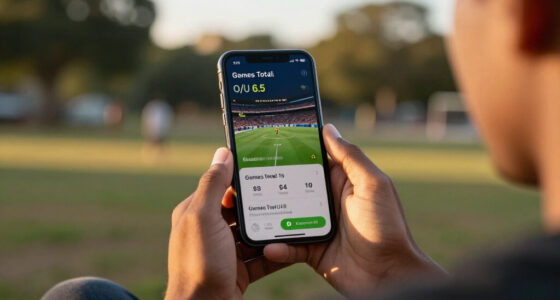
In the digital age, your movie-watching habits have shifted considerably thanks to streaming platforms and on-demand content. You now have instant access to a vast library of movies and shows at your fingertips, often at a lower cost than traditional theater visits. You no longer need to plan ahead or visit a theater for the latest blockbuster; instead, you can watch what you want, when you want, from the comfort of your home. This convenience has made casual viewing more common, reducing the number of people heading to cinemas regularly. As streaming services expand their libraries and release new content quickly, it’s easier than ever to stay entertained without leaving your couch, fundamentally changing how, when, and why you consume movies. Additionally, advancements in home theater technology, such as high-quality projectors with improved contrast ratios and color accuracy, are making the home viewing experience more cinematic than ever before. The rise of cloud computing infrastructure also supports seamless streaming by delivering high-quality content reliably and efficiently to millions of viewers worldwide. Moreover, the quality of streaming content continues to improve, making it increasingly difficult for traditional theaters to compete with the immersive experience now available at home.
The Impact of Streaming Platforms on Audience Preferences

Streaming platforms make it easy for you to watch what you want, when you want, reducing the need to visit theaters. With their wide content variety and exclusive originals, they offer a more personalized viewing experience that appeals to different tastes. As audience demographics shift toward younger viewers and casual watchers, streaming’s convenience continues to reshape your entertainment preferences. Additionally, Free Floating options provide even more flexibility, allowing viewers to enjoy content without traditional scheduling constraints.
Streaming’s Convenience and Access
The convenience and instant access offered by streaming platforms have transformed how you choose what and when to watch. Instead of planning trips to the theater, you can stream your favorite movies anytime, anywhere, on multiple devices. With just a few clicks, new releases, classics, and exclusive originals are available at your fingertips, eliminating the need to wait or adhere to limited showtimes. Streaming services also offer personalized recommendations based on your viewing habits, making it easier to discover content you enjoy. Plus, the flexibility to pause, rewind, or binge entire seasons means you’re in control of your viewing experience. This accessibility and convenience make streaming an attractive option, often replacing the traditional theater outing for many viewers seeking quick, affordable entertainment. Additionally, content discovery and curated playlists enhance your ability to find new favorites effortlessly. The rise of streaming has also introduced original programming, which has become a significant factor in viewers’ preferences and loyalty to specific platforms.
Content Variety and Originals
Streaming platforms have expanded your access to a vast array of content, fundamentally shaping your preferences. You can choose from a wide range of genres, from indie films to international movies, all at your fingertips. Originals created specifically for streaming services, like Netflix’s “Stranger Things” or Disney+’s “The Mandalorian,” attract viewers seeking unique, high-quality stories. This variety keeps you engaged and offers options that might never reach theaters. You no longer rely solely on big studio releases; instead, you have access to niche, experimental, and diverse content that appeals to your specific interests. This abundance of choices encourages you to customize your viewing experience, often favoring streaming for its tailored, on-demand offerings over traditional theatrical releases.
Audience Demographics Shift
Have you noticed how audience demographics are shifting as streaming platforms grow more popular? You might see fewer families and older adults heading to theaters regularly, while younger viewers, especially Gen Z, attend less frequently but for special events or blockbusters. This shift means that the traditional movie-going crowd is changing, with single adults without children making up a larger portion of frequent movie-goers. Meanwhile, many older demographics, like baby boomers, tend to avoid theaters altogether. Streaming services attract these groups by offering tailored content at lower costs, reducing the need for in-person visits. As a result, theaters now rely more on niche audiences, special screenings, and premium experiences to maintain relevance in a changing demographic landscape. Additionally, the rise of home entertainment options like 4K TVs and streaming subscriptions further diminishes the appeal of the theater experience for some viewers. The changing media landscape underscores the importance of adapting to new audience preferences to stay competitive. Moreover, the decline in wave and wind support for outdoor and alternative viewing options has also influenced audience habits and venue choices, emphasizing the need for theaters to innovate and diversify their offerings. Furthermore, the evolution of biographical storytelling and celebrity-driven content influences audience engagement and marketing strategies for theaters. This ongoing shift highlights the importance of understanding audience preferences to develop engaging, targeted experiences that can help theaters thrive amidst these changes.
Economic Factors Influencing Movie Theater Attendance

You might notice that ticket prices have a big impact on whether you choose to see a movie in theaters. When costs go up, fewer people, especially casual viewers, head to the cinema. Additionally, the expense of concessions can make a trip feel less affordable, discouraging repeat visits.
Ticket Pricing Impact
How much do ticket prices influence whether you decide to see a movie in theaters? Price plays a pivotal role in your choice, especially with rising costs. When ticket prices climb, many see the value as less appealing compared to streaming options. The table below shows how different factors intertwine:
| Price Range | Impact on Attendance |
|---|---|
| <$10 | Encourages frequent visits |
| $10-$15 | Moderate impact, depends on movie type |
| $15-$20 | Deters casual movie-goers |
| >$20 | Significant decline in attendance |
| Premium Pricing | Limits accessibility for many |
Higher ticket costs often push you toward cheaper or free streaming. As prices increase, theaters struggle to attract cost-sensitive audiences. Additionally, the rise of AI-driven technology in entertainment may further influence consumer choices in the future. Moreover, the cultural significance of movies and their social aspect can be diminished when ticket prices become prohibitive, thus accelerating the shift towards streaming platforms. The increasing reliance on digital delivery methods highlights the importance of cloud services in supporting modern entertainment infrastructures. This trend is also compounded by consumers’ desire for convenience and instant access to their favorite content.
Concession Cost Influence
The rising cost of concessions substantially impacts your decision to visit the theater. When popcorn, soda, and snacks get more expensive, it can feel like you’re paying a premium just to enjoy a movie. This financial burden often makes you think twice about going, especially if you’re watching your budget. Consider these emotional triggers:
- Feeling ripped off when prices surge for basic snacks.
- Resenting the extra expense that eats into your entertainment budget.
- Missing out on treat-like experiences because they’re unaffordable.
- Choosing streaming instead, where snacks are cheaper or included.
Additionally, understanding the cost-effectiveness of home entertainment can help you recreate your favorite theater snacks at home more affordably. Exploring alternative entertainment options might also influence your decision to skip the theater in favor of more budget-friendly choices. Being aware of reliable backup power options can ensure your home stays connected and entertaining during power outages, making streaming even more convenient. Recognizing the cost impact of concessions helps you weigh whether the overall experience justifies the expense. Ultimately, high concession prices turn movie nights into costly indulgences, discouraging many from attending regularly. The added expense makes the theater experience less appealing, especially when streaming offers a more affordable, snack-friendly alternative.
Demographic Shifts and Their Effects on Cinema Patronage

Demographic shifts have markedly reshaped cinema patronage, with changing age groups and household compositions influencing attendance patterns. You might notice fewer families with children heading to theaters, as their routines and entertainment preferences shift toward streaming and at-home options. Meanwhile, single adults without children now represent a larger segment of frequent movie-goers, often attending for blockbuster releases and special events. Baby boomers tend to attend less frequently, but older Gen X audiences show a higher likelihood of increasing their visits. Younger audiences, especially Gen Z, prefer streaming, attending theaters mainly for specific events or big releases. These demographic changes mean theaters must adapt their offerings and marketing strategies to attract different age groups and household types, or risk further declines in attendance. Additionally, understanding ownership essentials and the importance of tailored experiences can help theaters better meet the needs of diverse demographic segments. Recognizing the audience segmentation can guide theaters in developing targeted marketing campaigns and customized entertainment options. Incorporating insights from consumer behavior can further enhance how theaters cater to evolving preferences, such as offering diverse and imaginative play experiences that cater to the interests of various age groups.
The Evolution of Movie Theater Business Models

As traditional revenue streams decline due to changing consumer habits, movie theaters are shifting their business models to stay competitive. They’re exploring new ways to draw crowds and increase revenue.
- Enhancing the experience — theaters invest in premium formats like IMAX, 4DX, and luxury seating to make visits feel special.
- Offering event-based screenings — premieres, festivals, and themed nights turn movies into social occasions that streaming can’t replicate.
- Bundling deals and discounts — family packages and discounted days encourage repeat visits and build loyalty.
- Diversifying revenue streams — theaters now host live sports, concerts, and esports tournaments, transforming into multi-purpose entertainment venues.
These shifts aim to rekindle the magic of the theater and combat the rise of streaming.
Strategies Theaters Are Using to Stay Relevant

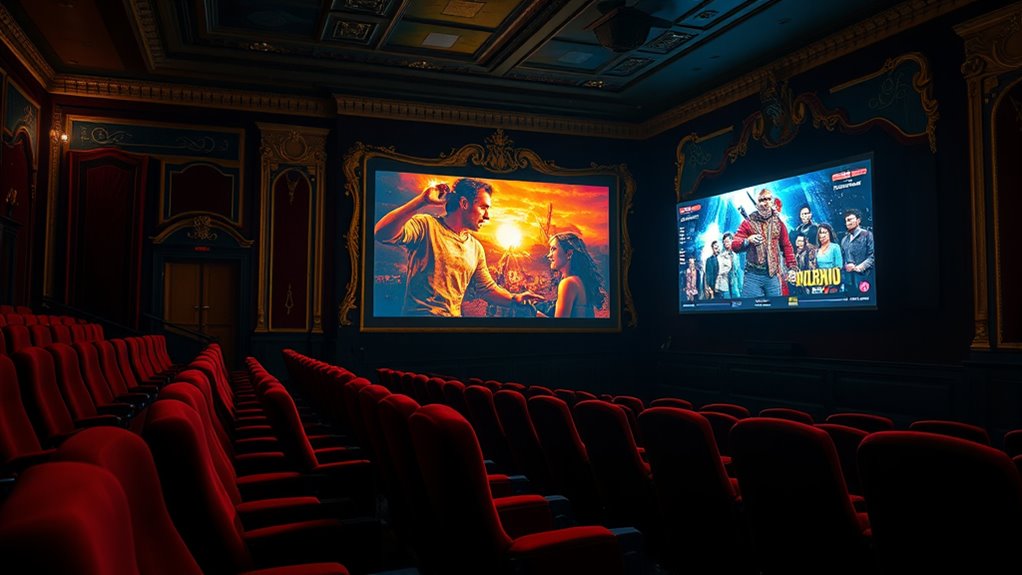
To stay relevant amid streaming competition, theaters are adopting innovative strategies that focus on enhancing the overall experience and creating unique value. You’ll find many theaters offering discounted tickets and bundle deals on concessions to attract more visitors. Group packages for families or friends encourage multiple visits and social outings. Special event screenings, such as premieres or seasonal festivals, draw audiences seeking exclusive experiences. Premium formats like IMAX, 4DX, and luxury seating elevate the viewing experience, making it more immersive than at home. Some theaters are also hosting themed nights and interactive events that turn watching a movie into an occasion. These efforts help theaters stand out, offering more than just a film—they provide an experience that streaming can’t easily replicate.
The Role of Blockbusters and Special Events in Driving Attendance

Blockbusters and special events play a crucial role in boosting theater attendance by drawing audiences who might otherwise opt for streaming at home. These high-profile releases create excitement, offering an experience you can’t get on your couch. When a blockbuster hits, you feel the rush of shared anticipation. Special events like premieres and film festivals turn ordinary nights into memorable outings. They make attending the theater feel exclusive and special. Here are four reasons these events matter:
Blockbusters and special events create excitement, community, and memorable experiences that keep theaters vibrant and relevant.
- They generate buzz, making you enthusiastic to join the crowd.
- They create a sense of community around shared interests.
- They offer immersive experiences, like IMAX or luxury seating.
- They turn film releases into cultural moments worth celebrating.
These strategies keep theaters relevant and lively, enticing you to choose the big screen over streaming.
Comparing Experience Value: In-Theater vs. Streaming

Choosing between in-theater and streaming often comes down to the experience you value most. If you crave immersion, big screen visuals, and surround sound, theaters deliver an unmatched sensory thrill. You get to escape daily distractions and focus solely on the film, often with a communal energy that enhances the experience. Streaming, on the other hand, offers convenience and comfort. You can watch on your schedule, pause or rewind easily, and enjoy a wide variety of content at a lower cost. While theaters excel in delivering a premium, event-like atmosphere—especially for blockbusters or special screenings—streaming fits your lifestyle better if flexibility and personalization matter most. Ultimately, your choice depends on whether you prioritize the grandeur of the cinematic experience or the ease of watching at home.
Future Outlook: Can Movie Theaters Survive in a Streaming-Dominated World

As streaming continues to dominate how audiences consume content, movie theaters face an uncertain future. Yet, hope remains if theaters innovate and adapt. Here are four reasons they might still thrive:
- Unique Experiences: Premium formats like IMAX and luxury seating create moments streaming can’t match.
- Special Events: Screenings, premieres, and festivals draw crowds seeking community and excitement.
- Exclusive Releases: Limited-time or major blockbuster films can motivate fans to visit theaters.
- Group Outings: Family packages, themed nights, and seasonal promotions foster shared experiences.
While streaming offers convenience and a vast library, theaters can capitalize on their ability to deliver immersive, social, and memorable moments. The future hinges on transforming the theater visit into an event streaming can’t replicate.
Frequently Asked Questions
How Are Theaters Adapting Their Offerings to Attract Younger Audiences?
You see theaters adapting by offering premium experiences like IMAX and luxury seating that appeal to younger audiences. They’re also focusing on special events, premieres, and seasonal promotions to create excitement. Group packages and discount days encourage social outings, while exclusive releases draw in fans. These strategies make the theater visit more engaging and memorable, giving you reasons to choose the theater over streaming for a unique, immersive experience.
What Technological Innovations Are Cinemas Implementing to Enhance the Movie-Going Experience?
Cinemas are implementing technological innovations to make your movie experience more immersive and appealing. You’ll notice upgrades like IMAX screens, 4DX motion seats, and Dolby Atmos sound, which elevate sound and visuals. Many theaters also offer luxury recliners, mobile ordering for concessions, and interactive features like augmented reality. These enhancements aim to create a unique, high-quality experience that streaming can’t match, enticing you to choose the theater for special outings.
How Do Seasonal Promotions Impact Long-Term Cinema Attendance Trends?
Seasonal promotions act like a beacon, drawing you back to theaters amid the streaming sea. They create a sense of urgency and special occasion, making each trip feel unique. You’re more likely to attend regularly when these offers, like discount days or themed events, turn a casual visit into an anticipated outing. Over time, these strategies can boost attendance, helping cinemas stay relevant and lively despite competition.
What Role Do Luxury and Premium Formats Play in Competing With Streaming Services?
Luxury and premium formats give you a more immersive, high-quality experience that streaming can’t match. When you choose IMAX or luxury seating, you get better visuals, sound, and comfort, making your trip to the theater exciting and special. These formats attract you for blockbuster releases and exclusive screenings, helping theaters stand out from streaming services by offering an experience you can’t replicate at home.
Are There Demographic Groups Showing Increased Interest in Traditional Theater Experiences?
Guess what? Older Gen X audiences are actually interested in the traditional theater experience again. They see it as a nostalgic escape from streaming’s endless scroll. Meanwhile, older baby boomers mostly stay away. You’re likely to find younger folks, especially Gen Z, at special events or blockbuster premieres. So, if you’re seeking a comeback story, these older groups might just surprise you by rediscovering the magic of the big screen.
Conclusion
As streaming reshapes how you watch movies, it’s clear that theaters must adapt—just like audiences seeking new experiences. Sometimes, the magic of a big screen aligns unexpectedly with your desire for connection and spectacle. The future of cinemas depends on balancing innovation with tradition, reminding you that, amid all this change, the heart of moviegoing may still be found where unexpected moments bring us together. In the end, both worlds might just thrive side by side.