
Gaming hardware gets expensive quickly because supply chain disruptions, component shortages, and market speculation make it hard to keep up with demand and control costs. COVID-19 caused factory shutdowns and shipping delays, which slow production and raise prices. High demand for graphics cards, CPUs, and consoles, combined with raw material shortages, pushes prices up even more. If you want to understand how these factors keep inflating prices, there’s more to uncover below.

Get the latest gadgets delivered free with Prime
- Fast, free delivery on millions of items
- Prime Video, Amazon Music and more included
- Member-only deals all year
Key Takeaways
- Supply chain disruptions delay manufacturing and shipping, reducing availability and increasing prices quickly.
- Component shortages, especially GPUs and CPUs, create scarcity that drives up market prices.
- High demand and limited inventory lead to rapid price inflation on new and secondary market hardware.
- Raw material shortages and logistical issues add costs, further inflating hardware prices.
- Market speculation and limited supply fuel quick price rises beyond actual production costs.
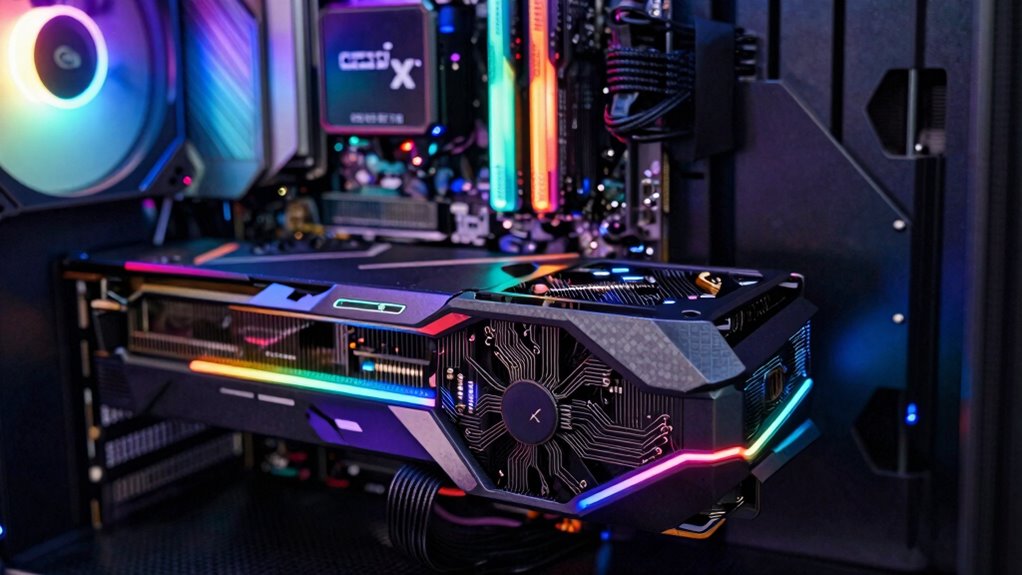
Gaming hardware prices have experienced noteworthy fluctuations recently, impacting both casual gamers and enthusiasts alike. One of the main reasons for these sharp increases is supply chain disruptions, which have become more pronounced over the past few years. Global events, such as the COVID-19 pandemic, have disrupted manufacturing processes and shipping routes, making it harder for companies to keep up with demand. As factories shut down or operate at reduced capacity, the production of essential components like GPUs, CPUs, and memory modules slows down considerably. This scarcity drives up prices because supply simply can’t meet the rising demand for gaming hardware.
Component shortages further compound the problem. High demand for gaming devices, especially during times when people spend more time at home, has created a perfect storm for shortages in critical parts. Graphics cards, in particular, have become scarce, leading to inflated prices on the secondary market. When component availability is limited, manufacturers either have to raise prices or delay product launches, both of which make gaming hardware more expensive for you. These shortages are often caused by a combination of increased demand and logistical issues, such as shortages of raw materials or delays in shipping containers. Supply chain vulnerabilities further exacerbate these issues, making the situation even more unpredictable and difficult for consumers to navigate.
High demand and logistical delays are causing shortages, driving up prices for gaming components like graphics cards.
The result is a game of supply and demand that favors sellers with limited inventory. When components are in short supply, retailers and resellers capitalize on the situation by charging higher prices. As a gamer, you feel the pinch because what used to be affordable hardware now costs markedly more. This trend isn’t just temporary; it’s driven by ongoing supply chain constraints and persistent component shortages. You might notice that newer graphics cards or gaming consoles are difficult to find at retail prices, and when they do appear, they often come with a hefty premium. Additionally, raw material shortages further exacerbate these issues, making the situation even more unpredictable and difficult for consumers to navigate. The logistical disruptions not only impact manufacturing but also cause delays in distribution, which inflates prices even further. Recognizing the global supply chain vulnerabilities can help you better understand the ongoing price fluctuations and plan accordingly. Moreover, the market speculation surrounding high-demand components often leads to price hikes that aren’t always justified by production costs. This unpredictable pricing landscape means you need to act fast if you’re looking to upgrade your setup. Waiting for prices to drop isn’t a viable strategy right now, as supply chain issues show no signs of easing soon. Instead, you might want to think about alternative options, like pre-built systems or secondhand parts, although those come with their own risks. Ultimately, the combination of supply chain disruptions and component shortages keeps prices high and makes gaming hardware a more expensive investment than it used to be. Staying informed and being flexible with your purchasing plans can help you navigate this volatile environment more effectively.
As an affiliate, we earn on qualifying purchases.
Frequently Asked Questions
How Do Seasonal Sales Affect Gaming Hardware Pricing?
Seasonal sales typically lower gaming hardware prices, but retail strategies can also influence pricing trends. During these sales, you might see discounts or bundle offers that appeal to consumer behavior, prompting you to buy sooner rather than later. Retailers often use seasonal sales to clear stock, which temporarily reduces prices. Your purchasing decisions are shaped by these strategies and your desire to get the best deal, making seasonal sales a key factor in hardware pricing fluctuations.
Are There Specific Brands That Consistently Cost More?
You might think all gaming hardware costs the same, but some brands consistently charge more. Bigger, reputable brands like ASUS, Razer, and Alienware often price higher because of their strong brand reputation and perceived quality. Limited product scarcity also drives prices up for these brands, making them more expensive during shortages. If you want reliable performance, be prepared to pay a premium for these trusted names.
How Does Cryptocurrency Mining Impact Hardware Prices?
Cryptocurrency fluctuations heavily impact hardware prices because rising demand for mining hardware increases overall demand, pushing prices higher. When crypto markets surge, mining hardware demand spikes as miners seek powerful GPUs and ASICs, making these components scarcer and more expensive. Conversely, during market dips, demand drops, and prices may stabilize or decline. So, your hardware costs are directly affected by the unpredictable shifts in cryptocurrency mining demand.
Do Import Taxes Influence Gaming Hardware Costs?
Import taxes and trade policies definitely influence gaming hardware costs. Imagine buying a rare collectible toy—if tariffs increase, it’s like paying a hefty customs fee that hikes the price. When countries impose import tariffs, manufacturers face higher expenses, which they pass on to consumers. So, trade policies directly affect gaming hardware prices, making it pricier for you to upgrade your gaming setup.
What Role Do Limited Editions Play in Price Increases?
Limited editions boost prices because they create collector appeal and emphasize brand exclusivity. When you see a limited-edition gaming hardware, it’s often more desirable for collectors, which drives up demand and prices. Manufacturers intentionally produce fewer units, making these items rare and sought after. As a result, you’ll notice a significant price increase compared to standard versions, as people are willing to pay more for exclusive, collectible items.
As an affiliate, we earn on qualifying purchases.
Conclusion
So, if you’re thinking about upgrading your gaming setup, remember that hardware prices can skyrocket faster than you’d expect. Supply chain issues, high demand, and technological leaps all contribute to the steep costs. It’s a classic case of “the more you want, the more you pay.” Stay patient, budget wisely, and don’t rush into every new release. Sometimes, waiting it out can save you a pretty penny and keep your gaming experience smooth sailing.
As an affiliate, we earn on qualifying purchases.
As an affiliate, we earn on qualifying purchases.
Halloween Picks
halloween
As an affiliate, we earn on qualifying purchases.