

Hackers use tricks like phishing emails with urgent language, fake phone calls, and baiting with USB drives to manipulate your trust and curiosity. They often impersonate authorities or create emotional bonds through romance scams to gain sensitive info. Stay alert to inconsistent messaging, verify identities through separate channels, and avoid sharing confidential data. Recognizing these tactics and understanding how they’re used can help you stay protected—continue exploring to build your defenses further.
Key Takeaways
- Hackers exploit trust using pretexts, impersonation, and emotional manipulation to persuade victims into revealing sensitive information.
- They craft convincing fake scenarios, impersonate authorities, or use AI voice cloning to deceive and gain access.
- Social engineering tactics include baiting with physical devices or enticing links to introduce malware or steal data.
- Attackers often use urgent language, generic greetings, and inconsistent branding to appear legitimate and prompt quick action.
- Staying vigilant involves verifying identities, scrutinizing requests, and being cautious of unsolicited communications and suspicious offers.
Tool Phishing Text Email detection by Natural language processing with Machine Learning- Research paper
As an affiliate, we earn on qualifying purchases.
As an affiliate, we earn on qualifying purchases.
Recognizing Phishing and Business Email Compromise Tactics

How can you spot phishing and Business Email Compromise (BEC) attempts before falling victim? First, pay attention to the sender’s email address. Look for slight misspellings or unusual domains that don’t match official contacts. Watch for urgent language or pressure tactics that urge immediate action, like “Verify now” or “Urgent transfer required.” Be cautious of requests for sensitive information or wire transfers, especially if the email seems out of character for the sender. Check for generic greetings, such as “Dear Customer,” and inconsistent branding or logos. Hover over links without clicking to see if URLs match legitimate sites. Trust your instincts—if something feels off, verify through separate channels before proceeding. Recognizing these signs can help you avoid falling victim to scams. Additionally, understanding cybersecurity principles and leveraging secure cloud solutions can provide extra layers of protection against such social engineering tricks. Developing a methodical approach to scrutinizing suspicious messages further enhances your ability to detect and deflect these attacks. Incorporating energetic awareness and intuition can also support your detection efforts, especially when combined with technical safeguards. Being aware of home theatre projectors and their common features can help you recognize potential digital scams related to purchasing or installing such equipment online.

Biometrics: Advanced Identity Verification: The Complete Guide
- Condition: Used Book in Good Condition
As an affiliate, we earn on qualifying purchases.
As an affiliate, we earn on qualifying purchases.
The Art of Pretexting and Fake Scenarios
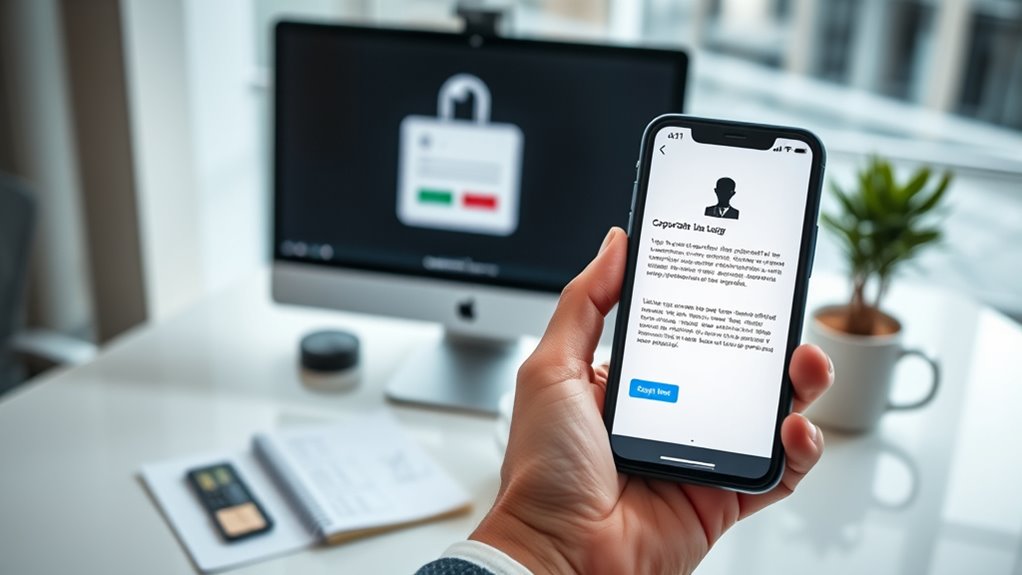
Pretexting involves crafting convincing stories and impersonating authoritative figures to deceive you into revealing confidential information or granting access. Hackers create detailed scenarios, such as pretending to be IT support, law enforcement, or company executives, to gain your trust. They often use technical jargon or an authoritative tone to sound legitimate and disarm your suspicion. These impostors might call you over the phone or send emails that appear official, asking for passwords, account details, or urgent actions. Sometimes, they even use AI voice cloning to make their impersonation more convincing. The goal is to manipulate your sense of trust and authority, making you less cautious. Recognizing these tactics helps you stay alert and avoid falling victim to elaborate false scenarios.

Lexar D40E 128GB Dual USB 3.2 Gen 1 Type-C Jump Drive, Champagne Silver
- Dual USB-C and USB-A Connectors: 2-in-1 portable storage device
- High Transfer Speeds: Up to 100MB/s transfer rate
- Plug and Play Compatibility: Works with smartphones, tablets, laptops, and more
As an affiliate, we earn on qualifying purchases.
As an affiliate, we earn on qualifying purchases.
Baiting and Curiosity-Driven Exploits

Baiting exploits your curiosity by offering enticing links, downloads, or items like infected USB drives to lure you into compromising your system. These tricks often involve physical bait, such as leaving drives labeled “Payroll” or “Confidential” in public spaces, hoping you’ll pick them up. By recognizing these tactics, you can avoid falling victim to malware or unauthorized access through simple curiosity. Additionally, understanding the science behind social engineering can help you identify and resist manipulation techniques used by hackers. Incorporating natural pool awareness into your security practices can help you stay vigilant against physical baiting attempts, as awareness of home environment cues can further enhance your vigilance. Being aware of leasing terms and costs can also help you recognize suspicious requests for payments or personal information that hackers might use to manipulate you. Developing a creative storytelling mindset can also assist in understanding how narratives are used to influence perception and behavior, making you less susceptible to deception.
Enticing Offers and Links
Cybercriminals often lure victims with enticing offers or links that seem too good to miss. They craft fake promotions, free downloads, or urgent messages to trigger curiosity and prompt action. These offers often appear legitimate, mimicking trusted brands or official communications. Once clicked, they may install malware, steal personal info, or direct you to malicious sites. To stay safe, scrutinize links before clicking and avoid offers that seem suspicious or overly generous. Be cautious of messages that create urgency or promise quick rewards. Here’s a quick glance at common enticing tactics:
| Offer Type | Triggered Emotion | Common Example |
|---|---|---|
| Fake Promotions | Greed | “Claim your free gift” |
| Suspicious Links | Curiosity | “See the shocking news” |
| Fake Downloads | Urgency | “Download now” |
| Phony Surveys | Desire for reward | “Win a prize” |
| Malicious Attachments | Fear | “Invoice attached” |
Physical Baiting Tactics
Physical baiting tactics exploit human curiosity and kindness to gain unauthorized access or compromise systems. You might encounter a labeled USB drive left in a public space or a tempting flyer promising exclusive content. Attackers rely on your natural desire to explore or help, prompting you to pick up or interact with the bait. For example, an infected USB labeled “Payroll” or “Confidential” might be plugged into your device, unchain malware. Sometimes, the bait is a fake CD or a package left at your door, designed to lure you into revealing access or opening malicious files. These tactics exploit your curiosity or willingness to assist, making it easier for hackers to infiltrate systems or physical spaces without technical skills. Always remain cautious of unfamiliar items or offers. Additionally, understanding the importance of Feature Buddies in cloud services can help organizations develop better security protocols to prevent such attacks. Recognizing social engineering techniques can further enhance your ability to identify and thwart these deceptive strategies. Being aware of vetted sources and verifying information can also reduce the risk of falling victim to these manipulative tactics. Awareness of human vulnerabilities is essential in understanding how social engineering exploits psychological tendencies. Moreover, staying informed about security awareness training can empower individuals to recognize and resist these baiting techniques before they cause harm.

Postfix: The Definitive Guide: A Secure and Easy-to-Use MTA for UNIX
- Condition: Used Book in Good Condition
As an affiliate, we earn on qualifying purchases.
As an affiliate, we earn on qualifying purchases.
Physical Intrusion: Tailgating and Piggybacking Strategies

You can be targeted by attackers who use tailgating or piggybacking to gain unauthorized access to secure areas. These tactics rely on exploiting human politeness, trust, or distraction to slip past security measures. Recognizing common physical strategies and knowing how to prevent them is essential to protecting your organization’s sensitive spaces. Implementing security awareness training can help individuals identify and respond appropriately to these social engineering tactics. Understanding the role of nanotechnology in enhancing security systems can also provide innovative solutions for physical access control. Additionally, understanding the importance of sound quality and levels can aid security personnel in monitoring suspicious activity more effectively. Leveraging advanced security systems with integrated sensors and smart technology can further improve physical security measures against such tactics. Incorporating sensor technology can detect unauthorized presence and alert security in real-time, adding another layer of defense.
Common Physical Tactics
Tailgating and piggybacking are straightforward yet effective methods attackers use to gain unauthorized access to secure areas. With tailgating, you might hold the door open for someone behind you without knowing they aren’t authorized, trusting their casual demeanor. Piggybacking relies on the attacker exploiting your politeness or empathy, pretending to be an employee or contractor who needs quick access. They often dress professionally or carry fake ID badges to seem legitimate. These tactics require little skill but depend heavily on human trust and social norms. Attackers may also pose as delivery personnel or maintenance workers to blend in seamlessly. Once inside, they can access sensitive information, plant malware, or move freely within restricted zones, increasing the risk of data breaches or physical security breaches. Understanding building security infrastructure can help you better recognize and prevent these social engineering tactics. Being aware of human vulnerabilities is crucial because attackers often exploit trust rather than technical weaknesses.
Prevention Strategies
Preventing unauthorized access through tailgating and piggybacking relies heavily on implementing effective security protocols and fostering awareness among staff. Start by enforcing strict access controls, such as requiring ID badges and access logs. Train employees to challenge unfamiliar individuals politely but firmly, asking for proper identification or authorization. Use physical barriers like turnstiles, security doors, and mantraps to limit entry points. Encourage staff to remain vigilant and report suspicious behavior immediately. Establish clear procedures for visitors, contractors, and delivery personnel, including sign-in processes and escort requirements. Regularly review and update security policies, and conduct awareness campaigns emphasizing the importance of physical security. By combining technical measures with human vigilance, you substantially reduce the risk of tailgating and piggybacking attacks.
Honeytraps and Romance Scams: Emotional Manipulation Tricks

Honeytraps and romance scams exploit emotional vulnerabilities by creating fake online personas that foster trust and affection. You might connect with someone who seems charming, understanding, and attentive, making it easy to let your guard down. These scammers often craft elaborate stories and share false personal details to build a believable relationship over time. They exploit your desire for companionship, sympathy, or validation to gain your confidence. Eventually, they may ask for money, sensitive information, or access to your accounts, claiming urgent or emotional reasons. Because they manipulate feelings rather than technical defenses, you might not realize you’re being targeted until it’s too late. Recognizing these tactics requires awareness that not everyone online is who they claim to be, especially when emotions are involved. Being aware of social engineering tricks can help you identify and avoid falling victim to such scams, as these manipulations often mirror the layer concepts used to organize and disguise information on a deeper level. Additionally, understanding the importance of attention to detail can help you spot inconsistencies or signs of deception in online interactions. Paying close attention to small discrepancies in stories or details can further enhance your ability to detect these scams before it’s too late.
Other Deceptive Techniques: Smishing, Vishing, and Quid Pro Quo
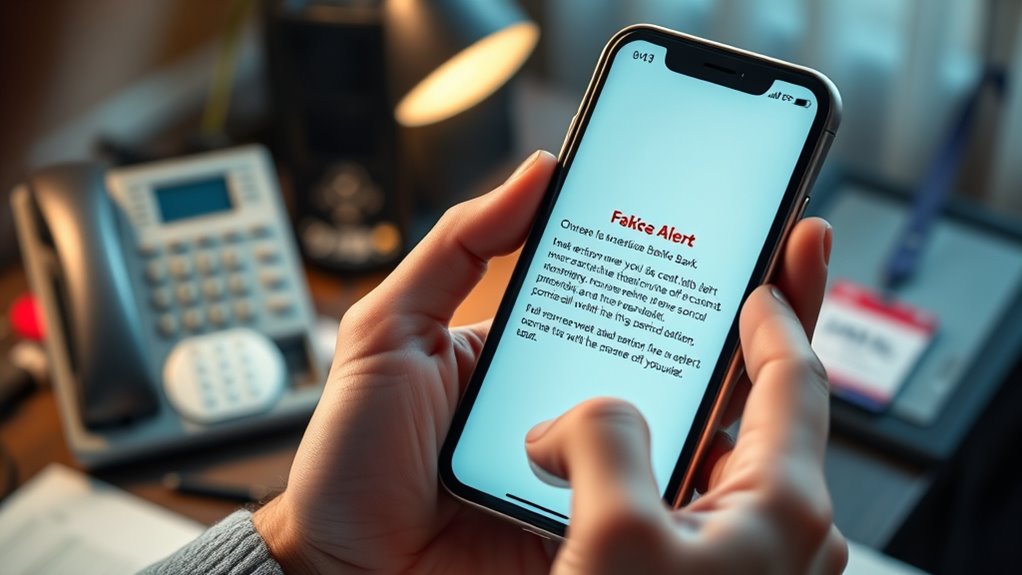
While emotional manipulation through honeytraps and romance scams relies on exploiting feelings, cybercriminals also use deceptive digital techniques like smishing, vishing, and quid pro quo to trick you into revealing sensitive information. Smishing involves sending fake SMS messages that impersonate banks, companies, or officials, prompting you to click malicious links or share personal data. Vishing uses phone calls where attackers pose as IT support, government agents, or bank representatives to extract passwords or account details through persuasion. Quid pro quo offers fake services or freebies, such as free software support, in exchange for login credentials or other confidential info. These tactics prey on your trust or curiosity, making it essential to verify requests and avoid sharing sensitive info over calls or texts you didn’t initiate.
Frequently Asked Questions
How Can I Identify Sophisticated Spear Phishing or Whaling Attempts?
To spot sophisticated spear phishing or whaling attempts, pay close attention to details like unusual sender addresses, unexpected urgency, or unusual requests from high-level contacts. Look for inconsistencies in language, tone, or branding, and verify requests through independent channels. Be cautious of emails requesting sensitive info or financial transfers. Trust your instincts—if something feels off or too good to be true, double-check before acting.
What Are Effective Ways to Verify the Identity of Someone Claiming to Be an Authority?
Did you know 91% of cyberattacks start with a phishing email? To verify someone claiming to be an authority, don’t rely solely on their initial contact. Call their official number, not the one they provide. Check their email address for authenticity, and look for signs of impersonation like unusual language or urgent requests. Trust, but verify—contact the organization through known channels before sharing sensitive information.
How Do Attackers Use AI Voice Cloning in Pretexting Scams?
Attackers use AI voice cloning in pretexting scams to impersonate trusted figures convincingly. They mimic voices of executives, officials, or colleagues, making their calls sound authentic. This technology helps them deceive you into revealing sensitive information, granting remote access, or transferring funds. You might not notice anything suspicious at first, so always verify identities through multiple channels—like calling back official numbers—before acting on any urgent requests.
What Precautions Can Prevent Tailgating and Piggybacking in Physical Security?
You can stop tailgating and piggybacking dead in their tracks with strict access controls, like badge systems and security checkpoints. Always challenge anyone who enters behind you, even if they seem legitimate. Educate staff about security protocols and remind them that kindness shouldn’t override safety. Use surveillance cameras to monitor entrances, and post clear signs that discourage unauthorized entry. Remember, a vigilant team is your best defense against sneaky intruders.
How Can I Recognize and Protect Myself From Romance and Honeytrap Scams?
You can spot romance and honeytrap scams by watching for overly quick intimacy, inconsistent stories, or requests for money or personal info. Be cautious when someone pushes for secrecy or pressure to meet quickly. Protect yourself by verifying identities through video calls, avoiding sharing sensitive details early, and trusting your instincts. Remember, scammers often exploit emotional vulnerabilities, so stay skeptical and take time to confirm the person’s authenticity before trusting them.
Conclusion
Staying ahead of social engineering tricks isn’t easy, but awareness is your best defense. Recognize the tactics like phishing, pretexting, and baiting, and don’t fall for emotional or curiosity-driven traps. Remember, a fool me once is shame on you, but a fool me twice is shame on me. Stay vigilant, question suspicious activities, and trust your instincts—because the best way to outsmart hackers is to never let your guard down.