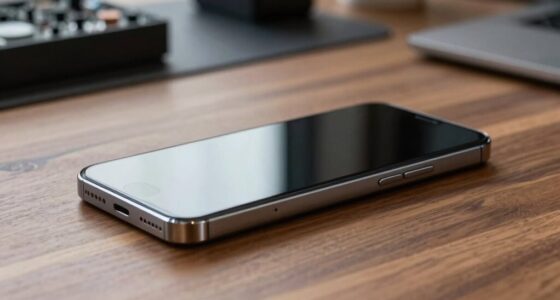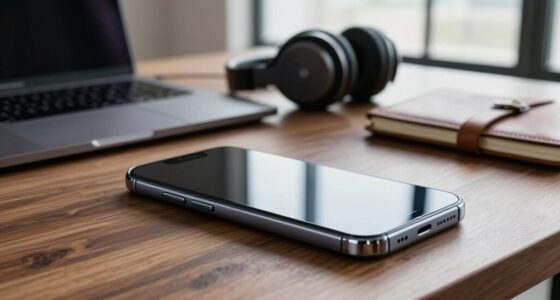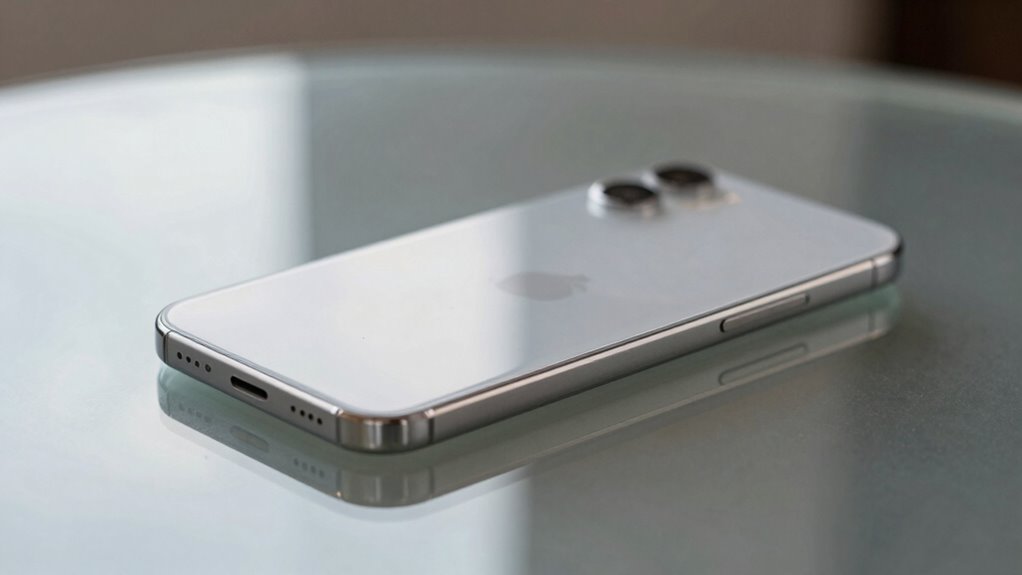

Ultra-thin phones may look sleek and fit easily in your pocket, but they come with hidden costs. You’ll likely face shorter battery life since there’s less space for a large battery, meaning more frequent recharges. These phones are also more vulnerable to damage from drops or impacts due to reduced structural protection. If you’re curious about how these trade-offs affect your daily use and long-term durability, there’s more to take into account below.

Get the latest gadgets delivered free with Prime
- Fast, free delivery on millions of items
- Prime Video, Amazon Music and more included
- Member-only deals all year
Key Takeaways
- Ultra-thin phones often sacrifice battery capacity, leading to shorter usage times and more frequent recharges.
- Reduced structural material increases vulnerability to damage from drops and impacts.
- Slim design limits internal space, making battery replacements or repairs more difficult and costly.
- High refresh rates and compact components drain batteries faster, impacting overall device longevity.
- Prioritizing style and portability can compromise durability and long-term reliability.
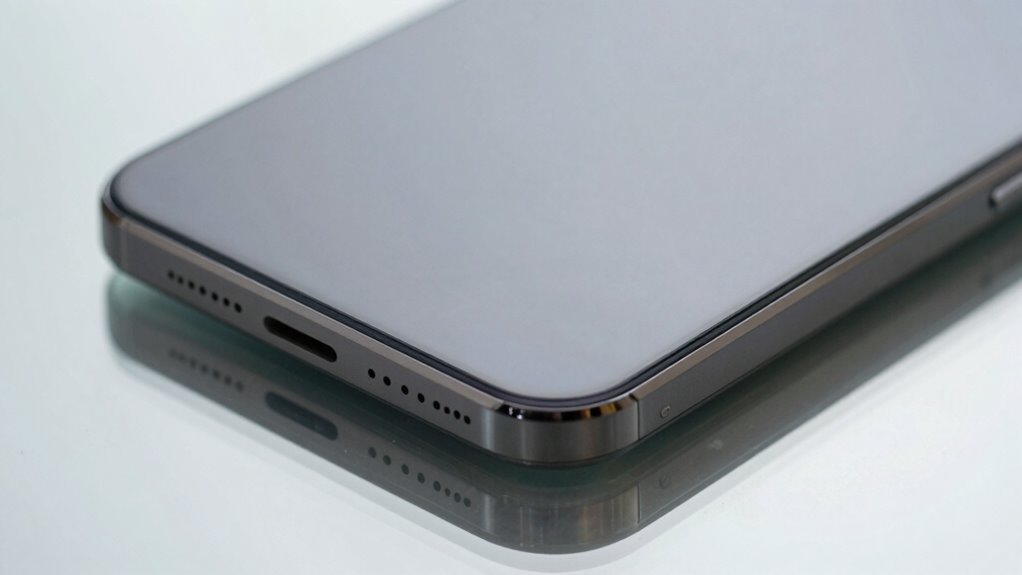
As smartphones become thinner and sleeker, many consumers are drawn to their stylish design and portability. You might love how they fit comfortably in your hand or pocket, making daily use easier and more convenient. But as you admire the slim profile, it’s important to recognize the hidden trade-offs that come with these ultra-thin devices. One of the biggest concerns is battery life. In your quest for a sleek phone, manufacturers often sacrifice battery capacity because there’s less space inside the chassis for a larger, more powerful battery. This means your device may not last as long on a single charge, especially if you’re a heavy user who streams videos, plays games, or works on multiple apps throughout the day. You might find yourself needing to recharge more frequently, which can be frustrating if you’re on the go or forget to carry a portable charger. Over time, the diminished battery capacity can also lead to faster degradation, making your phone less reliable and requiring early replacements or battery swaps. Additionally, high refresh rates prevalent in many ultra-thin models can further drain the battery more quickly, impacting overall battery life.
Durability is another critical factor that often takes a hit in ultra-thin phones. With less material to reinforce the structure, these devices tend to be more susceptible to damage from drops or impacts. Even a minor fall onto a hard surface can result in cracked screens or internal components that stop functioning properly. If you’re someone who’s accident-prone or uses your phone in unpredictable environments, you might notice that your ultra-slim device isn’t as resilient as bulkier models. Manufacturers try to compensate with reinforced glass or water-resistant coatings, but these features are limited compared to the robustness of thicker phones. The trade-off becomes clear: the sleek, lightweight design often compromises the durability and longevity you might expect from a more substantial device.
In essence, while ultra-thin phones appeal to your sense of style and portability, they come with compromises you should consider. Reduced battery life means you may need to recharge more often, and decreased durability increases the risk of damage from everyday accidents. If these issues matter to you, it’s worth weighing the benefits of a slim profile against the potential drawbacks that could impact your user experience and the device’s lifespan. Remember, a phone that looks good isn’t worth much if it can’t keep up with your daily demands or withstand the rigors of everyday life.
ultra-thin phone battery replacement
As an affiliate, we earn on qualifying purchases.
As an affiliate, we earn on qualifying purchases.
Frequently Asked Questions
How Do Ultra-Thin Phones Impact User Ergonomics?
Ultra-thin phones can challenge your ergonomic comfort, making longer use tiring due to their delicate balance of weight and size. While they often feel sleek, they might compromise grip security, increasing the risk of slips. You might find them less comfortable to hold for extended periods, as their slim profile can cause your hand to strain. Ultimately, their design prioritizes aesthetics over long-term ergonomic support, impacting your overall user experience.
Are Ultra-Thin Phones More Prone to Water Damage?
Yes, ultra-thin phones are more prone to water damage because their slim design often sacrifices water resistance and structural integrity. Without robust sealing, water can easily seep in during splashes or brief immersions. The delicate build makes them less capable of withstanding impacts, increasing the risk of damage. If water resistance is essential for you, consider phones with reinforced designs that prioritize durability over ultra-thin profiles.
What Is the Durability Lifespan of Ultra-Thin Phones?
Your ultra-thin phone’s durability lifespan varies, but it often faces challenges due to limited battery capacity and thermal management. Thin designs can lead to quicker battery degradation and overheating issues, reducing overall lifespan. You might find that these phones need more frequent repairs or replacements over time. To extend their life, avoid excessive heat exposure and use optimized charging habits, but expect some limitations inherent to their slim profiles.
Do Ultra-Thin Phones Compromise on Screen Size or Quality?
You can’t have your cake and eat it too, especially with ultra-thin phones. They often compromise on screen size and quality, sacrificing some screen durability and battery capacity to stay slim. While they look sleek, this can mean a less immersive display and shorter battery life. If you prioritize a bigger or more durable screen, you might need to accept a slightly thicker or heavier device, balancing form and function.
How Do Ultra-Thin Phones Affect Repairability and Battery Replacement?
Ultra-thin phones often make battery accessibility more difficult because their slim design leaves less space for easy removal or replacement. You’ll find repair challenges increase, as opening these devices can be tricky and may risk damaging delicate components. Because of their compact build, replacing the battery becomes more complex and costly, meaning you’re less likely to do it yourself and might need professional help for even simple repairs.
durable phone cases for slim smartphones
As an affiliate, we earn on qualifying purchases.
As an affiliate, we earn on qualifying purchases.
Conclusion
While ultra-thin phones look sleek and modern, they come with hidden costs that you might not see at first glance. You could be sacrificing battery life, durability, or even comfort just to have that slim design. It’s a classic case of “beauty being only skin deep”—what’s on the outside isn’t always what’s best for your needs. Before you make a purchase, weigh the trade-offs carefully; looks can be deceiving.
portable phone chargers for small devices
As an affiliate, we earn on qualifying purchases.
As an affiliate, we earn on qualifying purchases.
screen protectors for fragile smartphones
As an affiliate, we earn on qualifying purchases.
As an affiliate, we earn on qualifying purchases.
Fall Picks
fall essentials
As an affiliate, we earn on qualifying purchases.