
Smartphone cameras still can’t replace professional cameras because they struggle with lens distortion, especially in wide shots, and can’t handle low light conditions as well. You lack the manual controls needed for complex scenes, like adjusting focus or exposure, which limits creative expression. Smaller sensors also mean less dynamic range, making high-contrast shots tricky. If you’re curious about how these limitations impact your photos and what solutions exist, you’ll find the details interesting.
Key Takeaways
- Professional lenses and equipment provide superior control over distortion and optical quality that smartphones cannot fully replicate.
- High-end cameras excel in low-light conditions, capturing clearer, less noisy images than smartphones.
- Manual adjustments for focus, aperture, and shutter speed remain more precise with dedicated cameras.
- Larger sensors in professional cameras offer greater dynamic range, capturing more detail in highlights and shadows.
- Creative flexibility and complex shot setups are limited by smartphone automatic modes and fixed hardware.
While smartphone cameras have become increasingly sophisticated, they still face significant limitations that can affect the quality of your photos. One of the primary issues is lens distortion, especially when you’re capturing wide-angle shots. As you try to fit more into the frame, straight lines near the edges often appear curved or warped. This distortion can make buildings, landscapes, or even your own selfies look unnatural. Unlike professional cameras with specialized lenses designed to minimize such effects, smartphone lenses are compact and versatile but can’t completely eliminate this problem. As a result, the images you take with your phone might require editing afterward to correct these distortions, which isn’t always perfect or convenient. Additionally, the compact design of smartphone lenses limits their ability to achieve certain optical effects that professional equipment can produce. Another challenge that smartphone cameras struggle with is low light performance. Even with the latest models boasting impressive sensors and computational photography, they still can’t match the clarity and detail captured by high-end dedicated cameras in dim environments. When lighting drops, your photos tend to become grainy, blurry, or underexposed. Smartphone cameras rely heavily on software to boost brightness and reduce noise, but this often results in images that lack the sharpness and richness of well-lit photographs. If you’re trying to shoot indoors or at night without additional lighting, you’ll notice how your pictures lose crispness and depth. This limitation makes smartphone cameras less reliable for capturing fine details or vibrant colors in challenging lighting conditions. Beyond these technical issues, there’s also the matter of control. While some high-end smartphones offer manual modes, they still can’t provide the same level of precision and flexibility as professional camera gear. You don’t have the same options for adjusting focus, aperture, or shutter speed, which are essential for creative photography or in complex lighting scenarios. This lack of control means your smartphone camera often defaults to automatic settings that may not suit your artistic vision or specific situation, leaving you with images that are less intentional or nuanced. Additionally, sensor size plays a crucial role in image quality, and smartphone sensors are generally smaller, which impacts their overall performance. Furthermore, the limited dynamic range of smartphone sensors can cause loss of detail in highlights and shadows, especially in high-contrast scenes. Understanding these technical constraints helps explain why smartphone photography still falls short in certain situations. Ultimately, while smartphone cameras are incredibly convenient and capable of producing stunning images in many situations, they can’t fully replicate the quality, control, and flexibility of professional cameras. Lens distortion, limited low light performance, and restricted manual adjustments keep smartphone photography from replacing specialized equipment entirely. They’re great for casual shots, but for those moments when you want absolute clarity, precision, or creative control, a dedicated camera still holds a significant edge.

Acuvar MM 0.43x Professional HD Wide Angle Camera Lens with Macro Portion DSLR Cameras – Wide Angle, Macro, Photo, Video Lens (67MM)
- Lens Compatibility: Fits Canon DSLR cameras
- Wide Angle Function: Expansive field of view
- Macro Capability: Close-up detailed shots
As an affiliate, we earn on qualifying purchases.
As an affiliate, we earn on qualifying purchases.
Frequently Asked Questions
Can Smartphone Cameras Replace Professional DSLR Cameras?
Smartphone cameras can’t fully replace professional DSLR cameras because of their limitations, especially for professional requirements. DSLRs offer larger sensors, better control over settings, and superior image quality in low light conditions. You might find smartphones convenient for casual shots, but for high-quality, detailed images needed in professional work, you still need a DSLR. Their advanced lenses and manual controls make all the difference for serious photographers.
Do Smartphone Cameras Work Well in Extreme Weather Conditions?
Smartphone cameras often struggle in extreme weather, with only about 15% rated highly for weather resilience. You’ll find that camera durability is limited, especially in heavy rain, snow, or dust storms. Water resistance and reinforced builds help, but smartphones still can’t match professional gear designed for harsh environments. If you plan outdoor adventures, consider devices with robust weatherproofing to guarantee your shots stay clear, regardless of conditions.
How Do Smartphone Cameras Perform in Low-Light or Night Photography?
You’ll find that smartphone cameras perform well in low-light or night photography thanks to features like Night mode and improved sensor sensitivity. Night mode intelligently adjusts exposure and uses longer shutter times to capture more light, producing clearer, brighter images. Enhanced sensor sensitivity allows your phone to detect more light in dark conditions, resulting in sharper photos. Although they’ve advanced considerably, they still can’t match the depth and quality of professional cameras in challenging low-light situations.
Are Smartphone Cameras Suitable for High-Resolution Commercial Photography?
Smartphone cameras aren’t quite suitable for high-resolution commercial photography, even with features like image stabilization and improved color accuracy. They often lack the sensor size, lens versatility, and manual controls needed for professional-grade images. While they perform well for casual shots, for high-resolution commercial work, you still need dedicated cameras that deliver the detail, dynamic range, and consistency that your clients expect.
Can Smartphone Cameras Capture Images for Large-Scale Printing or Billboards?
In a world where smartphones are becoming as ubiquitous as a pocket-sized Picasso, you might wonder if they can handle large-scale printing or billboard quality images. While smartphone cameras have advanced impressively, they still struggle with the resolution and detail needed for such massive prints. For billboard-quality images, professional equipment remains essential, as smartphones can’t yet match the clarity and sharpness required for large-scale printing.
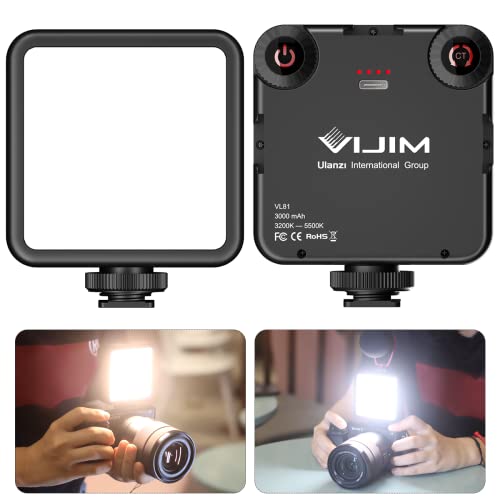
ULANZI VL-81 3000mAh Bi-Color LED Video Light w Softbox – 3200K-5600K+CRI95 Rechargeable Camera Light, 3 Cold Shoe Mount for DSLR/GoPro/Sony/Canon/iPhone, Vlog Filming TikTok Live & Photography
- LED Beads and Softbox: 81 beads with softbox for even lighting
- Adjustable Color Temperature: 3200K-5600K with CRI95 for natural colors
- Dual Light Modes: Warm and white light adjustable
As an affiliate, we earn on qualifying purchases.
As an affiliate, we earn on qualifying purchases.
Conclusion
While your smartphone camera is a trusty sidekick for everyday moments, it’s still no match for the seasoned artist’s palette or the seasoned photographer’s lens. It’s like trying to catch a whisper with a megaphone—you might get the message, but the nuance gets lost in the noise. So, when you crave true artistry and detail, don’t shy away from picking up that dedicated camera. Sometimes, to capture the soul of a moment, you need more than just a quick tap.

Nikon ZR Mirrorless Camera User Guide: A Complete Manual for Mastering 6K Full-Frame Video, RED Technology, and Professional Cinematography Techniques
As an affiliate, we earn on qualifying purchases.
As an affiliate, we earn on qualifying purchases.
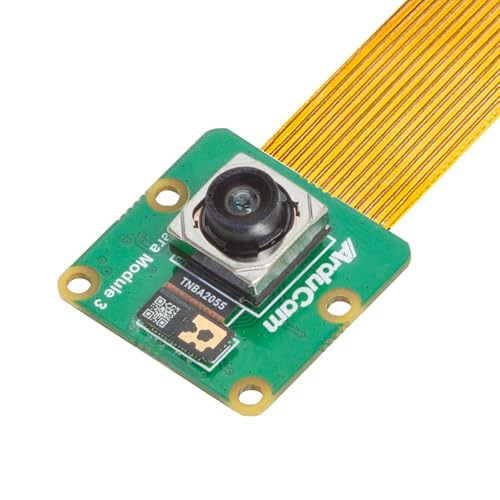
Arducam for Raspberry Pi Camera Module 3, 12MP IMX708 120°(D) Wide Angle Noir Pi Camera V3
- High-Quality 12MP Sensor: IMX708 CMOS sensor for clear images
- 120° Wide-Angle Lens: Autofocus lens with broad coverage
- Enhanced HDR Mode: Supports HDR for balanced, vivid photos
As an affiliate, we earn on qualifying purchases.
As an affiliate, we earn on qualifying purchases.