
TL;DR
Zoox has upgraded its electric, autonomous robotaxi with interior comfort and exterior visibility improvements ahead of planned commercial service. The company is awaiting regulatory approval to begin paid rides.
Zoox has revealed a series of upgrades to its autonomous robotaxi, aimed at preparing for its upcoming commercial service launch later this year. The improvements include interior comfort enhancements and exterior visibility features, with the company awaiting regulatory approval to begin paid rides.
Zoox, owned by Amazon, announced Wednesday that it has upgraded its custom-built, electric, autonomous robotaxi. The vehicle retains its core features, including a cube-like design without steering wheels, multiple sensors, bidirectional driving, and a top speed of 75 miles per hour. The key updates focus on interior comfort, with new padding, ergonomic seats, a lighter color palette, and improved usability features such as enlarged cupholders and a more prominent touchscreen. Exterior modifications include relocated reflectors, a new speaker and microphone system, and two-way audio capabilities to facilitate better communication with riders, pedestrians, and first responders.Zoox’s design improvements are part of its broader plan to scale production at its Hayward, California facility, where the company aims to produce up to 10,000 robotaxis annually, with a capacity of up to 100 vehicles per week. The company has requested a federal exemption from standard controls, which is currently under review by the National Highway Traffic Safety Administration. If approved, Zoox will be able to launch paid ride services, having already tested free rides in cities including Austin, San Francisco, Las Vegas, and Miami.Zoox’s director of robot industrial design stated that the updates aim to create a simple, distraction-free interior experience, further differentiating Zoox from traditional ride-hailing vehicles. The company emphasizes that these upgrades are designed to support high-volume operation and rider safety, pending regulatory clearance.
Why These Upgrades Are Key to Zoox’s Commercial Goals
The upgrades are critical for Zoox’s plans to launch paid autonomous ride-hailing services at scale. Improved interior comfort and exterior visibility features enhance rider experience and safety, which are essential for gaining regulatory approval and consumer trust. The company’s ability to produce large volumes of vehicles indicates a move toward mass-market deployment, potentially transforming urban mobility and ride-sharing markets.

Everlasting Comfort Car Seat Cushion for Driving – Orthopedic Car Cushion for Office, Travel, Gaming Chair Memory Foam Driver Booster for Short People, Non-Slip, Washable Cover, Back & Sciatica Relief
- U-Shaped Cutout for Coccyx Relief: Reduces tailbone pain and promotes posture
- High-Density Memory Foam: Provides firm, personalized support and comfort
- Ergonomic Design for Full Body Support: Alleviates back pain and supports spinal alignment
As an affiliate, we earn on qualifying purchases.
As an affiliate, we earn on qualifying purchases.
Zoox’s Path Toward Commercial Autonomous Ride-Hailing
Zoox has been developing its autonomous vehicle technology for several years, with a focus on a purpose-built robotaxi designed without traditional controls like steering wheels. The company received a federal exemption in August 2025 to operate its vehicles on public roads, a key step before launching paid services. The company’s recent facility opening in Hayward signifies its ambition to scale manufacturing significantly, aiming for up to 10,000 vehicles annually, which would position Zoox as a major player in autonomous mobility.
“The interior updates aim to create a calmer, more user-friendly environment that supports high-volume operations.”
— an anonymous researcher
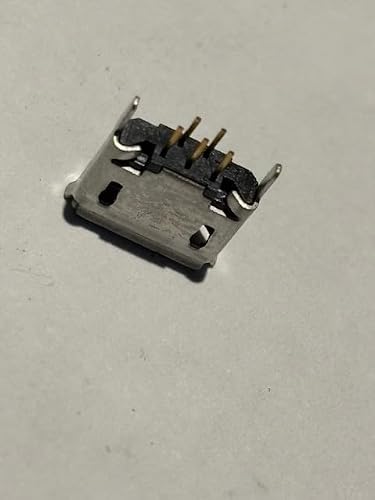
Charging Port for Compatible with for Raceme Ultra Charging Problems
- Compatible with RaceMe Ultra: Charging port replacement
As an affiliate, we earn on qualifying purchases.
As an affiliate, we earn on qualifying purchases.
Regulatory Approval and Commercial Service Timeline
It is not yet confirmed when Zoox will receive final approval from the National Highway Traffic Safety Administration to launch paid rides. The company is awaiting a decision following its exemption request, and the timeline for commercial deployment remains uncertain. Additionally, it is unclear how quickly Zoox can scale production to meet its target volume of 10,000 vehicles per year.

AUTODECO Car Roadside Emergency Kit Automotive Car Safety Kits for Vehicles Woman Man Teen Black
- Includes essential roadside tools: Tow rope, safety vest, hammer, gloves, warning triangle, blanket
- Designed for electric vehicle emergencies: Addresses common EV roadside issues
- Compact, lightweight storage bag: Fits under car seat for quick access
As an affiliate, we earn on qualifying purchases.
As an affiliate, we earn on qualifying purchases.
Next Steps Toward Launching Paid Robotaxi Services
Zoox expects to receive regulatory approval within the coming months, after which it plans to begin paid ride-hailing operations in select cities. The company will likely continue testing and refining its vehicles, with a focus on scaling manufacturing and ensuring safety standards. Public rollout of paid services could occur later this year or early next year, depending on regulatory timelines.
car communication system with microphone and speakers
As an affiliate, we earn on qualifying purchases.
As an affiliate, we earn on qualifying purchases.
Key Questions
What are the main upgrades Zoox made to its robotaxi?
Zoox improved the vehicle’s interior comfort with new padding, ergonomic seats, and a lighter color palette, and enhanced exterior visibility with relocated reflectors and added communication features like speakers and microphones.
When does Zoox expect to start offering paid rides?
Zoox is awaiting regulatory approval from the National Highway Traffic Safety Administration. If approved soon, paid rides could begin later this year or early next year.
How does Zoox plan to scale production?
The company has opened a new manufacturing facility in Hayward, California, aiming to produce up to 10,000 vehicles annually, with capacity for up to 100 vehicles per week.
What challenges does Zoox face before launching commercial service?
The primary challenge is obtaining federal regulatory approval for its non-standard vehicle controls. Additionally, scaling production and ensuring safety compliance remain key hurdles.
Will the vehicle’s design change again before launch?
It is not yet known if further design modifications will be made before commercial deployment, but current updates are aimed at supporting high-volume operation and regulatory approval.
Source: TechCrunch