
Drone safety is essential for beginners because it helps you prevent accidents and protects people and property around you. By following safety guidelines, you stay compliant with laws and avoid legal trouble. Practicing control, understanding weather conditions, and performing regular maintenance all make your flying safer and more reliable. Keeping safety in mind reduces risks and boosts your confidence. If you want to master safe drone operation, there’s more you should learn to fly responsibly and securely.
Key Takeaways
- Ensures compliance with laws, preventing legal consequences for beginners.
- Promotes responsible flying, reducing accidents and injuries.
- Protects privacy and avoids disturbing others in public spaces.
- Helps prevent drone crashes that can damage property or cause injuries.
- Builds safe habits and proper control skills for confident operation.

Flying a drone can be an exciting experience, but safety should always come first. As a beginner, understanding the importance of drone safety helps you avoid accidents, legal issues, and damage to your equipment or others. One of the first steps you should take is ensuring your drone is properly registered, especially if it exceeds a certain weight or is used for commercial purposes. Drone registration isn’t just about compliance; it also encourages responsible flying. When your drone is registered, authorities can easily identify you if something goes wrong, which can help resolve issues quickly and prevent legal consequences. It’s a simple but essential step that underscores your commitment to safe and lawful flying. Additionally, practicing free floating techniques in open areas can improve your control and stability during flights. Understanding your drone’s capabilities and limitations is also crucial for safe operation. Weather considerations are another key aspect of drone safety. Before you launch your drone, always check the weather forecast. Wind, rain, and fog can make flying much more dangerous. Strong winds can cause your drone to lose control, especially if it’s lightweight or has limited stabilization features. Rain can damage your drone’s electronics and reduce visibility, increasing the risk of crashes. Fog reduces visibility for you and your drone, making it harder to keep track of your aircraft and avoid obstacles. By paying close attention to weather conditions, you reduce the chance of accidents and confirm a safer flying experience. Additionally, understanding how drone technology works can help you troubleshoot issues quickly and avoid accidents caused by technical malfunctions. Recognizing the importance of regulatory compliance helps you stay informed about evolving rules and ensures safe, legal operation.
Beyond registration and weather, understanding your drone’s capabilities and limitations is essential. Read the manual thoroughly and get familiar with the controls. Practice flying in open, obstacle-free areas before venturing into more complex environments. Always keep your drone within your line of sight, and avoid flying near crowded places, airports, or restricted zones. Respect privacy and local regulations to prevent legal trouble. Using safety features like geo-fencing or altitude limits can further protect you and others.
Maintaining your drone is equally important. Regularly check for loose parts, battery health, and sensor calibration. Make sure your batteries are fully charged before flying, and never push your drone beyond its recommended flight time. A well-maintained drone responds better to controls and reduces the likelihood of malfunctions mid-flight.

Quadrotor Drone DIY Kit: A Unique STEM Project with Brushless Motor, Optical Flow Hovering, One-Click Takeoff and Landing, and 360° Flip for DIY Enthusiasts to Learn Drone Basics
Unique DIY Drone: This DIY drone integrates advanced optical flow positioning modules, video modules, and high-power brushless motors….
As an affiliate, we earn on qualifying purchases.
As an affiliate, we earn on qualifying purchases.
Frequently Asked Questions
How Can I Avoid Violating Privacy Laws With My Drone?
To avoid violating privacy laws with your drone, always respect others’ privacy concerns and avoid capturing images or videos without permission. Stay informed about local regulations to guarantee lawful operations, especially near private properties. Use your drone responsibly by flying at appropriate altitudes and distances, and avoid intrusive filming. By being cautious and respectful, you protect others’ privacy and keep your flying activities legal and enjoyable.
What Should I Do if My Drone Crashes in a Public Area?
If your drone crashes in a public area, think of it as a sudden storm—you need to act quickly. Immediately perform an emergency landing, ensuring no further harm occurs. Check for property damage and notify property owners if needed. Report the incident to local authorities if required, and document the scene with photos. Staying calm and responsible helps prevent further issues and keeps everyone safe.
Are There Specific Weather Conditions That Make Flying Unsafe?
Certain weather conditions can make flying unsafe, especially when you consider weather hazards like rain, snow, or fog that impair visibility and damage your drone. Wind conditions are also vital; strong gusts can destabilize your drone, causing crashes or loss of control. Always check the weather before flying, avoid flying in high winds or storms, and prioritize safety to prevent accidents and guarantee a smooth flying experience.
How Do I Handle Emergencies or Unexpected Malfunctions During Flight?
Oh, because everyone loves a good surprise mid-flight, right? When an emergency strikes, calmly activate your emergency procedures—like landing immediately or shutting down power—and try to troubleshoot malfunctions with a clear head. Keep your manual handy, and practice these steps beforehand. Staying composed helps you handle unexpected malfunctions smoothly, ensuring safety for you and others. Remember, a prepared pilot is a safe pilot, even in chaos.
What Are the Legal Penalties for Flying Recklessly or Irresponsibly?
Flying recklessly or irresponsibly can lead to serious legal penalties, including hefty fines, license suspension, or even criminal charges. Your actions must follow regulatory compliance and safety guidelines to avoid these consequences. By adhering to local laws and operating responsibly, you help protect others, prevent accidents, and guarantee a positive drone flying experience. Always stay informed about regulations and prioritize safety to avoid legal trouble and promote responsible drone use.

FAA Drone Labels (2 Sets of 3) + FAA UAS Registration ID Card for Hobbyist Pilots – Optional Battery Labels
You get 2 sets of 3 Labels, 1 FAA ID Card – All customized with your FAA information
As an affiliate, we earn on qualifying purchases.
As an affiliate, we earn on qualifying purchases.
Conclusion
So, mastering drone safety isn’t just a good idea—it’s the difference between becoming a sky superstar or accidentally turning your drone into a flying wreck. Think of it like wielding a tiny, powerful spaceship; a single mistake could cause chaos, heartbreak, or even a neighborhood-wide drone rebellion! Stay alert, follow safety rules, and keep your drone under control. Because, let’s face it, nobody wants their first flight to end with a crash heard ‘round the block!

DJI Mini 3 (DJI RC), Lightweight 3x Mechanical Gimbal Drones with Camera for Adults 4K, 38-min Flight Time, up to 32800ft (10km) Video Transmission, Vertical Shooting, GPS Auto Return Integrated
No Registration Needed – Under 249 g, FAA Registration, and Remote ID are not required if you fly…
As an affiliate, we earn on qualifying purchases.
As an affiliate, we earn on qualifying purchases.
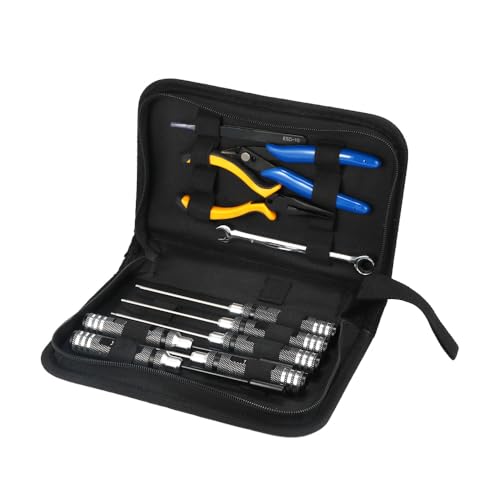
havcybin Portable Drone Tool Kit Set – Complete FPV Drone Repair & Maintenance Kit for RC Cars, Planes, Quadcopters, Compact & Durable Tool (Black)
[COMPREHENSIVE TOOLKIT FOR FIELD REPAIRS]The havcybin Portable Drone Tool Kit Set is an essential 10-in-1 tool kit for…
As an affiliate, we earn on qualifying purchases.
As an affiliate, we earn on qualifying purchases.