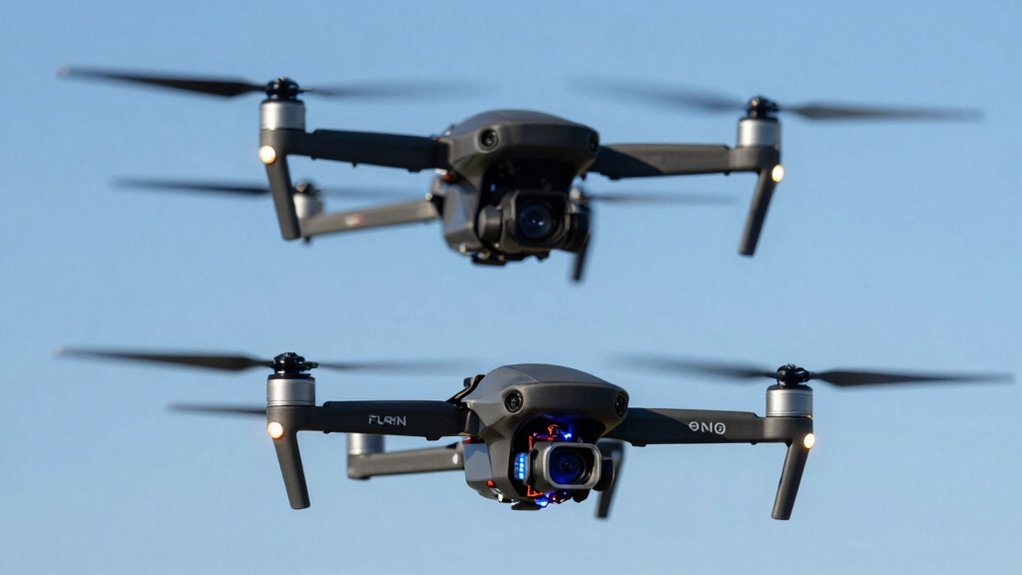

FPV drones feel so different from camera drones because they’re built for agility and quick reactions, making you feel immersed and in control, almost like you’re flying inside the drone. They respond instantly to your commands, with smooth, sharp movements, giving an adrenaline rush. In contrast, camera drones focus on stability and smooth footage, using advanced tech like gimbals. To understand how these design choices shape your flying experience, keep exploring the differences.
Prime for Young Adults — start your free trial
Fast free delivery, streaming and member deals for eligible 18–24 year olds.
As an affiliate, we earn on qualifying purchases.
Key Takeaways
- FPV drones are designed for agility and quick responsiveness, creating an immersive, high-adrenaline flying sensation.
- Camera drones prioritize stability and smooth footage, resulting in a calm, controlled flying experience.
- Lightweight frames and powerful motors in FPV drones enable rapid movements and sharp maneuvers.
- Advanced stabilization tech in camera drones provides steady footage, reducing sensitivity to external conditions.
- The fundamental design focus—agility versus stability—shapes the distinct physical sensations during flight.

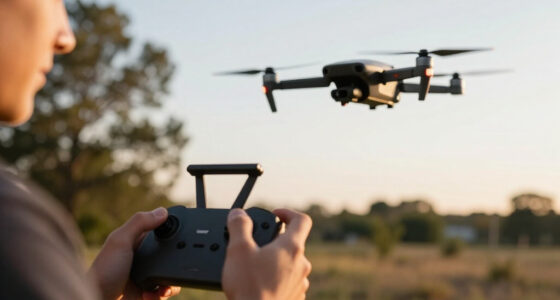
When choosing between FPV drones and camera drones, understanding their key differences can help you make the right decision for your needs. One of the biggest reasons they feel so different is how they handle in the air. FPV drones are built for agility. They’re designed to move quickly, twist sharply, and respond instantly to your control inputs. This aerial agility makes flying an FPV drone feel immersive and dynamic, almost like you’re inside the drone itself. On the other hand, camera drones prioritize flight stability. They’re engineered to hover smoothly, keep a steady position, and capture clear, steady footage. That stability creates a different sensation—a sense of control and calm, rather than adrenaline-fueled agility.
FPV drones deliver fast, agile flying sensations, while camera drones offer smooth, stable footage for a calm flying experience
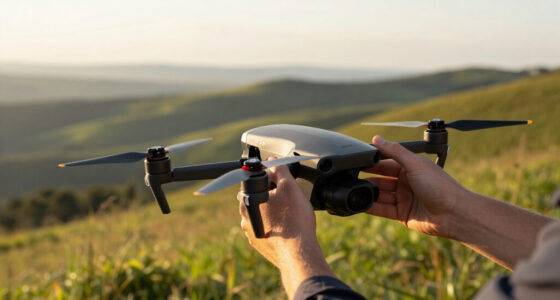
Your experience with these drones is shaped by their core design goals. FPV drones focus on responsiveness. Their lightweight frames, powerful motors, and responsive controls give you the feeling of flying through the air with precision. You can perform rapid turns, dives, and flips, which makes flying feel like a sport or a high-adrenaline adventure. These maneuvers are only possible because of their high aerial agility, which allows for quick, sharp movements. Conversely, camera drones aim for steady, smooth flight. They often incorporate advanced stabilization tech, like gimbals and GPS-assisted hovering, to keep footage steady even in windy conditions. This flight stability gives you confidence that your shots will be clear and professional-looking, but it also means the drone responds more gradually to your commands—less like a race car, more like a luxury sedan. Understanding drone flight characteristics can help pilots optimize their flying style and expectations. Additionally, the flight modes available on each drone type further influence how you control and experience flying them. Recognizing the differences in responsiveness between drone types can also help you select the right equipment for your skill level and desired flying style.
This fundamental difference in flight behavior impacts how you feel when flying each drone type. With FPV drones, you get a visceral sense of control, almost as if you’re riding the drone rather than merely piloting it. The rapid, nimble movements create an exhilarating experience, emphasizing aerial agility over smoothness. Meanwhile, camera drones give you a sense of calm and mastery, as you smoothly navigate and capture sweeping shots. You’re less concerned with quick reactions and more focused on maintaining stability and framing your shots perfectly. Furthermore, understanding the aerial responsiveness of each drone type helps pilots adapt their flying techniques accordingly. The flight characteristics of each drone type influence your overall flying style and enjoyment.
In essence, FPV drones feel different because they’re designed to push the limits of aerial agility, making every flight feel like a high-energy adventure. Camera drones, by contrast, emphasize flight stability, providing a steady platform for capturing breathtaking footage. Both experiences are unique—one exciting and fast-paced, the other smooth and controlled—and your choice depends on the kind of flying experience you’re after.
As an affiliate, we earn on qualifying purchases.
Frequently Asked Questions
How Do FPV Drones Handle in Wind Conditions Compared to Camera Drones?
FPV drones handle wind better than camera drones because they’re designed for agility and quick responses. Their aerodynamic stability allows them to resist gusts more effectively, giving you better control in windy conditions. Unlike camera drones that may struggle and drift, FPV drones adapt swiftly, maintaining stability and direction. This wind resistance makes FPV flying more enjoyable and reliable, even when weather gets rough.
What Is the Typical Battery Life Difference Between FPV and Camera Drones?
You’ll notice that FPV drones usually have shorter battery life than camera drones due to higher power consumption and focus on agility. FPV drones often offer about 4-8 minutes of flight, while camera drones can last 20-30 minutes thanks to better battery efficiency and optimized power use. This difference stems from the intense power demands of rapid movement and real-time video transmission in FPV flying.
Are FPV Drones Easier or Harder to Learn Than Camera Drones?
FPV drones are generally harder to learn than camera drones because they require more pilot skill and control. You’ll need to master aerial agility, making precise maneuvers at high speeds. Unlike camera drones, which often have stabilization features, FPV flying demands quick reflexes and spatial awareness. Expect a steeper learning curve, but once you get the hang of it, flying FPV feels incredibly immersive and rewarding.
How Does Latency Impact FPV Drone Flying Versus Camera Drone Filming?
Latency considerably impacts your FPV drone flying, as it affects your sense of FPV immersion, making controls feel more immediate and responsive. High latency can cause a delay between your movements and the drone’s response, challenging your ability to maintain camera stability and precise maneuvers. In contrast, camera drones with lower latency provide steadier footage, but FPV pilots rely heavily on minimal latency for smooth, immersive flying experiences.
What Safety Precautions Are Needed for FPV Drone Flying?
When flying an FPV drone, you should prioritize safety by following drone regulations and completing proper pilot training. For example, a beginner pilot might accidentally fly too close to people or property without understanding airspace rules. To prevent accidents, always check local drone laws, wear protective gear, and practice in open areas. These precautions help you operate responsibly and avoid legal issues or injuries.
As an affiliate, we earn on qualifying purchases.
Conclusion
You now see why FPV drones feel so different from camera drones. Their immersive, first-person perspective makes flying exhilarating and more dynamic, unlike the smooth, cinematic shots of camera drones. Notably, FPV drone pilots often experience a sensation similar to virtual reality, with 85% reporting increased adrenaline and engagement. So, whether you crave adrenaline or smooth footage, understanding these differences helps you pick the drone that matches your passion and style perfectly.
As an affiliate, we earn on qualifying purchases.
As an affiliate, we earn on qualifying purchases.
Fall yard work Picks
leaf blowers
As an affiliate, we earn on qualifying purchases.