
Standby generators still matter because they provide dependable, long-lasting backup power when outages occur, especially during extended disruptions. While batteries are great for short-term storage and quick responses, they can’t match generators’ ability to run for hours or support critical systems consistently. As renewable energy becomes more prevalent, generators help stabilize the grid and guarantee essential operations stay online. To learn more about their crucial role today, keep exploring this important topic.

Get the latest gadgets delivered free — and shop member deals
- Fast, free delivery on millions of items
- Access to Prime Big Deal Days deals on October 6–7
- Prime Video, Amazon Music and more included
Key Takeaways
- Standby generators provide long-duration backup power that batteries cannot sustain during extended outages.
- They support grid stability and renewable integration, ensuring critical systems remain operational.
- Generators can immediately respond to power failures, reducing downtime more effectively than batteries alone.
- They serve as a reliable backup when battery capacity is limited or cost-prohibitive for large-scale needs.
- Generators enhance overall energy resilience, complementing batteries for comprehensive power security.
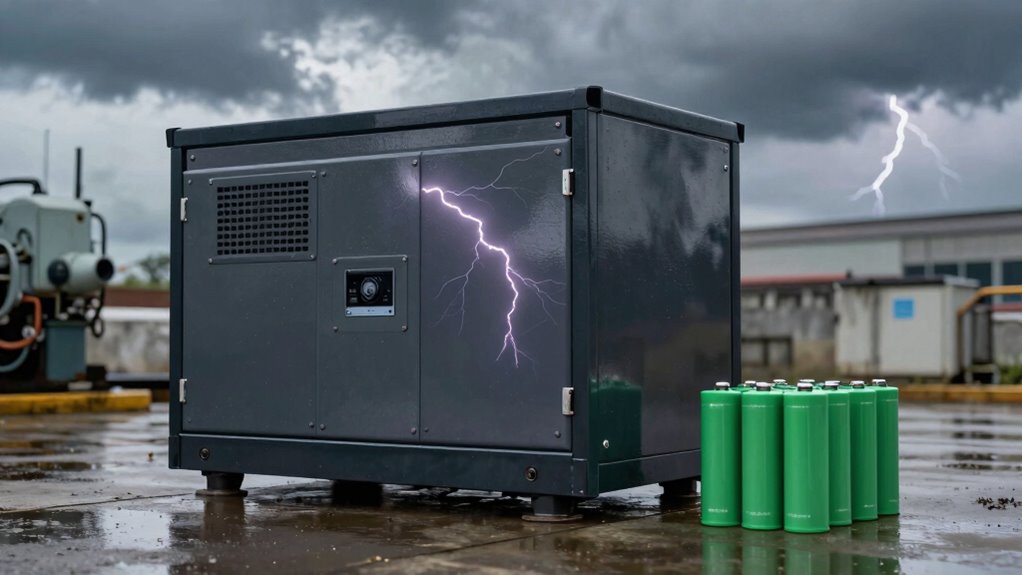
As battery technology advances, the role of standby generators is evolving to meet new energy demands. Even in an era dominated by batteries and renewable energy sources, standby generators remain essential for guaranteeing reliable power. They act as a backup during outages and support grid stability, especially when integrating renewable energy into the grid. While solar and wind power are excellent for reducing carbon footprints, they’re intermittent by nature, meaning their output fluctuates based on weather and time of day. Standby generators provide a dependable, immediate source of power when renewables can’t meet the demand, guaranteeing critical systems stay online without interruption.
Standby generators ensure reliable power during renewable energy fluctuations and outages, supporting grid stability and critical system operation.
You might think that batteries could replace standby generators entirely, but that’s not entirely accurate. Batteries excel at storing excess energy and providing short-term backup, but they’re limited by capacity and cost, especially for larger facilities or extended outages. Standby generators, often fueled by diesel, natural gas, or propane, can run for hours on end, bridging the gap when renewables fall short or the grid faces instability. They’re particularly valuable during sudden power surges or outages, helping to maintain grid stability by balancing supply and demand in real-time. This balancing act is essential because it prevents blackouts and protects sensitive equipment. Additionally, power reliability remains a critical factor in ensuring uninterrupted operations for homes and businesses alike.
Moreover, standby generators play a strategic role in renewable integration. As more regions aim to increase renewable adoption, they face the challenge of maintaining a stable energy grid. Standby generators can provide the necessary backup during periods of low renewable output, smoothing out the variability inherent in wind and solar power. This support helps grid operators manage energy flow more effectively, preventing frequency fluctuations and voltage instability that could otherwise compromise the entire system. Recognizing the importance of energy infrastructure is vital as we transition to cleaner energy sources. Furthermore, the capacity of standby generators to supply power for extended periods complements the energy storage solutions such as batteries, creating a more resilient and flexible energy system. Additionally, understanding the intermittency of renewables underscores the continued relevance of standby generators in energy planning.
standby generator for home backup
As an affiliate, we earn on qualifying purchases.
As an affiliate, we earn on qualifying purchases.
Frequently Asked Questions
How Do Standby Generators Compare to Solar Power Systems?
Standby generators provide reliable power, especially during outages, with high generator efficiency and quick startup times. They typically run on fuel options like natural gas, propane, or diesel, offering consistent energy regardless of weather. Solar power systems are cleaner and more sustainable but depend on sunlight and storage capacity. You benefit from immediate backup with generators, while solar systems need time to build up energy, making generators essential for uninterrupted power.
Are Standby Generators Environmentally Friendly?
Think of standby generators as the vintage radio of energy sources; they’re not the newest tech but still play a essential role. While they do produce emissions and impact the environment, modern models adhere to strict emission standards, reducing their environmental impact. If you prioritize eco-friendliness, consider newer, cleaner options, but remember, standby generators still provide reliable backup power when you need it most, making them a practical choice.
What Is the Typical Lifespan of a Standby Generator?
A typical standby generator lasts about 10 to 30 years, depending on usage and maintenance. You’ll find that generator durability improves with regular service, ensuring it runs efficiently over time. Fuel efficiency also plays a role; well-maintained generators use fuel more effectively, extending their lifespan. By investing in routine upkeep, you maximize both durability and fuel efficiency, keeping your backup power reliable whenever you need it.
Can Standby Generators Be Integrated With Renewable Energy Sources?
Yes, standby generators can be integrated with renewable energy sources through hybrid systems, combining solar or wind power with traditional backups. This setup enhances grid independence, allowing you to generate electricity more sustainably and reliably. By blending these sources, you reduce reliance on the grid, improve energy resilience, and optimize cost savings. Hybrid integration makes your backup power not only more eco-friendly but also more versatile and efficient during outages.
What Are the Maintenance Costs for Standby Generators Today?
You’ll find that maintenance costs for standby generators vary, but generally, they include regular checks and part replacements. Fuel consumption impacts ongoing expenses, especially during frequent use or power outages. Maintenance intervals typically range from every 100 to 300 hours of operation or annually, depending on the model. Staying on top of these costs guarantees your generator runs efficiently, reducing unexpected repairs and prolonging its lifespan.
diesel natural gas propane generator
As an affiliate, we earn on qualifying purchases.
As an affiliate, we earn on qualifying purchases.
Conclusion
Even in a world fueled by batteries, standby generators stand like steadfast guardians, ready to leap into action when the lights flicker or power falters. They’re the anchors in your stormy seas, the silent sentinels that guarantee your safety and comfort. Don’t dismiss their worth; they’re the ancient oak standing tall amidst the tech forest—reminding us that sometimes, the most reliable roots run deep, holding us steady through any tempest.
home generator automatic transfer switch
As an affiliate, we earn on qualifying purchases.
As an affiliate, we earn on qualifying purchases.
Fall Picks
fall essentials
As an affiliate, we earn on qualifying purchases.