You’ve seen how smart home tech and renewable energy are making energy independence more accessible. With devices that let you control your energy use remotely and store excess power, you’re now part of a bigger shift. Battery storage and smart grids help reduce reliance on utility companies, making independence practical. As automation advances, it’s easier than ever to take control of your energy future—stay with us to uncover how this transformation continues to unfold.

Get the latest gadgets delivered free — and shop member deals
- Fast, free delivery on millions of items
- Access to Prime Big Deal Days deals on October 6–7
- Prime Video, Amazon Music and more included
Key Takeaways
- Advances in smart home technology enable consumers to monitor and control energy use in real-time.
- Battery storage solutions allow households to store and utilize renewable energy independently.
- Integration of renewable sources with smart systems promotes energy self-sufficiency.
- Improving affordability and user-friendly design makes energy management accessible to consumers.
- AI-driven automation and smart grids make personalized, efficient energy independence achievable.

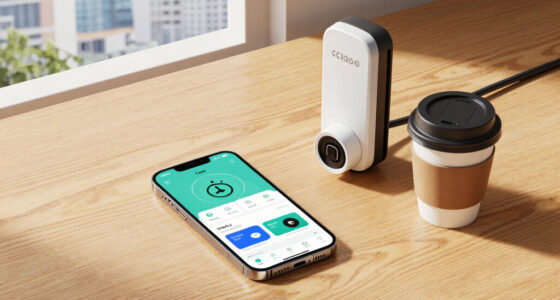
Have you ever wondered how much control you could gain over your energy costs and environmental impact? In recent years, energy independence has shifted from a distant goal to a tangible reality for many consumers, thanks to advances in technology. One of the key innovations driving this change is the smart home. With smart home systems, you can monitor and manage your energy consumption in real-time, making adjustments that save money and reduce waste. Imagine controlling your lighting, appliances, and heating remotely, optimizing their use based on your schedule and the availability of renewable energy sources. This level of control not only cuts costs but also helps you become more environmentally conscious.
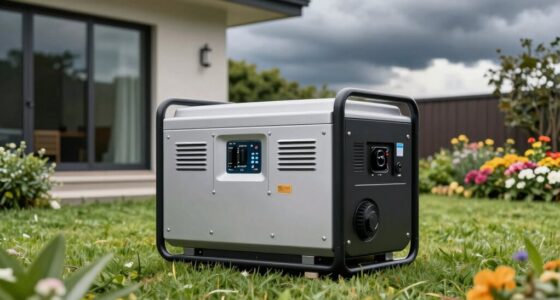
Battery storage plays an essential role in this movement toward energy independence. When you install a home battery system, you can store excess energy generated by solar panels or other renewable sources during sunny or windy periods. Instead of sending this surplus energy back to the grid or letting it go to waste, you keep it on hand for cloudy days or peak evening hours when energy prices are higher. This flexibility means you’re less dependent on the utility company and can even sell excess energy back to the grid, turning your home into a mini power station. Over time, this setup can markedly lower your energy bills and provide you with a reliable backup during outages. Additionally, the integration of renewable energy sources enhances the resilience and sustainability of your energy system.
The integration of smart home technology with battery storage makes energy management more seamless and efficient. Your smart home system can automatically decide when to draw power from the grid, your batteries, or your renewable sources, based on real-time data and preset preferences. For example, during peak hours, the system might prefer to use stored energy rather than expensive grid power, saving you money. At night, your system can draw from the battery, ensuring you’re not paying premium rates. This automation simplifies your energy management and maximizes your savings. Additionally, energy independence is increasingly becoming a realistic goal rather than just a concept for the future, as these technologies continue to advance and become more accessible. Moreover, the development of smart grid technology further supports efficient energy distribution and management at the community and national levels.
As consumer tech advances, so does the accessibility of these solutions. Today, you don’t need to be an engineer to set up a smart home with battery storage. These systems are becoming more user-friendly, affordable, and scalable, allowing you to customize your energy setup to fit your needs. The combination of smart home technology and battery storage empowers you to take control of your energy future, reducing dependency on traditional power grids and making your home more resilient and sustainable. Additionally, the use of AI-powered automation enhances the efficiency of energy management, enabling your system to adapt to changing conditions automatically. Ultimately, energy independence isn’t just a lofty idea anymore; it’s a practical goal you can achieve with the right tools and a proactive approach.
As an affiliate, we earn on qualifying purchases.
Frequently Asked Questions
How Do Consumer Gadgets Impact Overall Energy Independence?
Consumer gadgets like smart meters and home energy storage systems directly boost your energy independence by optimizing energy use and reducing reliance on the grid. Smart grids enable better management of your energy consumption, while storage solutions let you save excess power for later use. Together, these gadgets empower you to generate, store, and manage energy more efficiently, making you less dependent on external sources and enhancing your overall energy resilience.
Are There Specific Brands Leading in Energy-Efficient Tech?
You’ll find brands like Tesla leading in energy-efficient tech, especially with their renewable batteries that store solar power effectively. Smart meters from companies like GE and Siemens help you monitor your energy consumption, making it easier to optimize usage and reduce reliance on the grid. These brands focus on innovative solutions that promote energy independence, giving you greater control and efficiency at home while supporting sustainable energy practices.
How Affordable Is Adopting Energy Independence at Home?
Like Icarus reaching for the sun, adopting energy independence can seem lofty, but it’s more affordable than you think. Costs are decreasing, thanks to innovative tech and government incentives, making the cost comparison favorable. However, installation challenges remain, especially for older homes. Still, with careful planning and choosing the right solutions, you can make your home more self-sufficient without breaking the bank.
What Future Innovations Could Further Boost Energy Independence?
Future innovations like advanced renewable storage solutions and smarter grids will substantially boost your energy independence. You’ll benefit from improved battery technologies that store excess power efficiently, making renewable sources more reliable. Additionally, smart grids will optimize energy distribution, allowing you to monitor and manage your consumption seamlessly. These innovations will make it easier and more affordable for you to generate, store, and use clean energy independently, empowering greater self-sufficiency.
How Does Government Policy Influence Consumer Energy Tech Choices?
Government policy influences your consumer energy tech choices by shaping what’s accessible and affordable. Policy incentives, like tax credits or rebates, encourage you to adopt renewable solutions, making them cost-effective. Conversely, regulatory barriers can slow down innovation or limit options, affecting your ability to switch to cleaner energy sources. Your decisions are impacted by these policies, which either motivate or hinder your efforts toward energy independence.
As an affiliate, we earn on qualifying purchases.
Conclusion
Now, as you hold a smartphone in one hand and a solar panel in the other, energy independence isn’t just a distant dream—it’s your daily reality. Just like your favorite gadgets empower you with instant access, consumer tech now puts sustainable energy within your reach, blending convenience with responsibility. It’s a striking contrast: the invisible power behind your screen becoming tangible, personal, and essential. Embrace this shift, where innovation meets independence, and you’re at the center of it all.
As an affiliate, we earn on qualifying purchases.
smart grid energy management system
As an affiliate, we earn on qualifying purchases.
As an affiliate, we earn on qualifying purchases.
Fall Picks
fall essentials
As an affiliate, we earn on qualifying purchases.